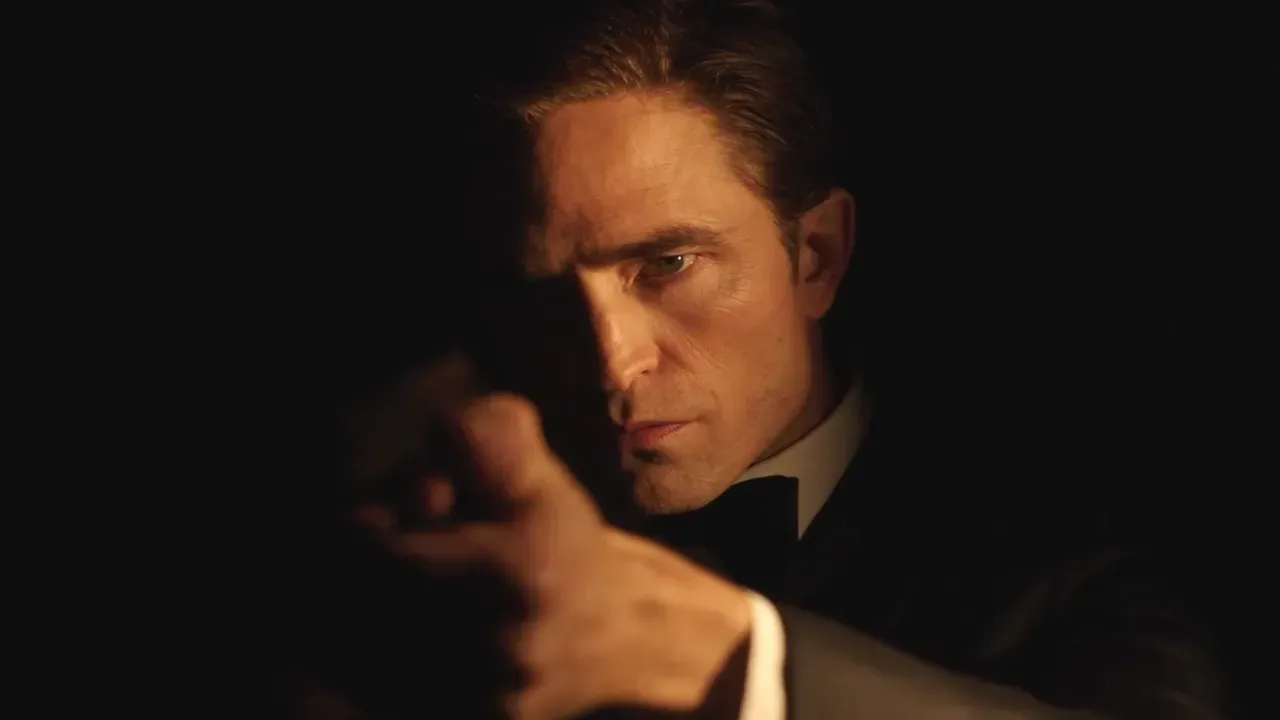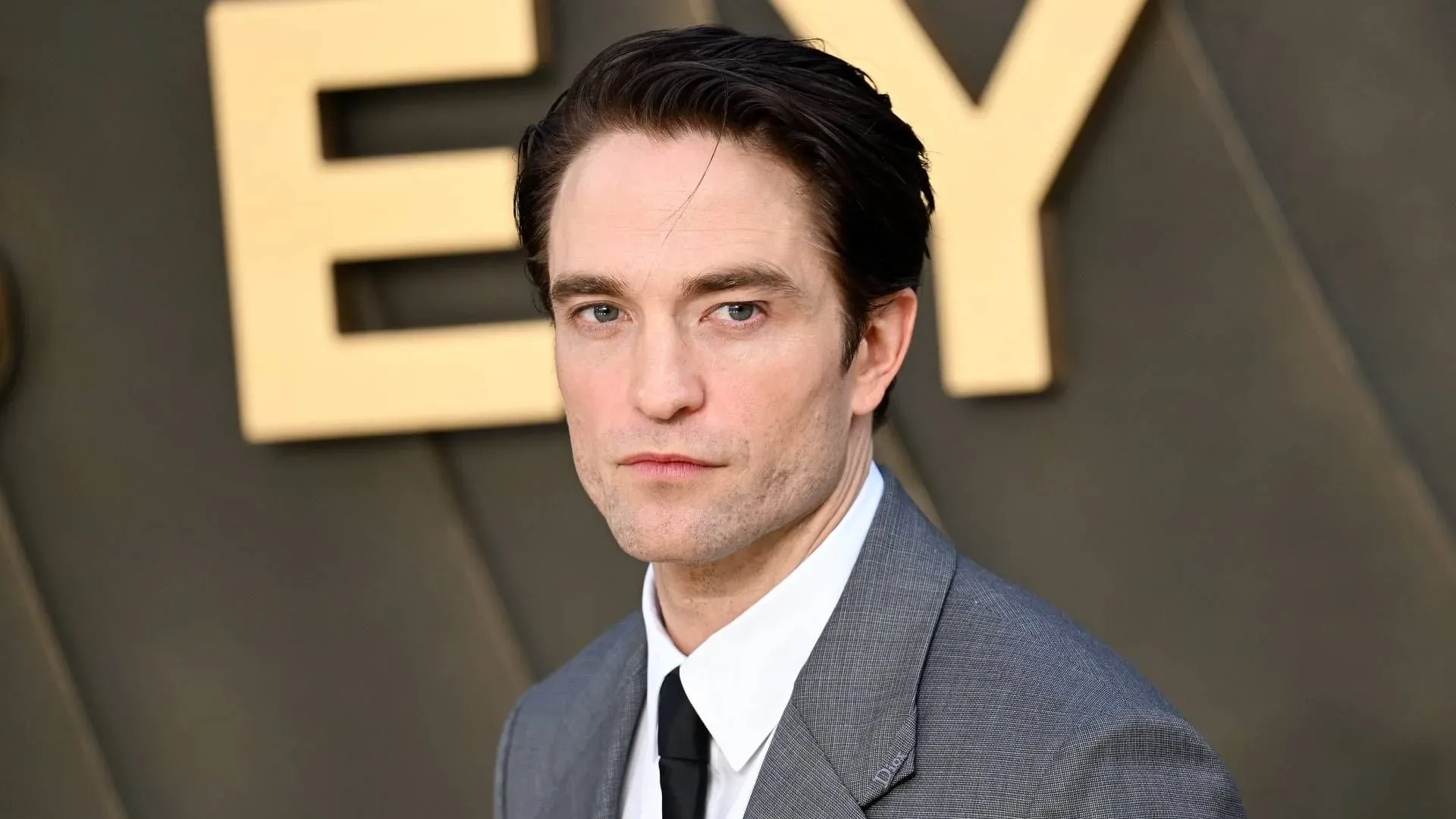

Robert Pattinson is reportedly attached to a notably different potential James Bond agreement than other actors in contention for 007. The reported arrangement would cover three films if he is ultimately selected, while Josh O’Connor and Jack Lowden were reportedly asked to commit to four Bond movies.
That distinction is not a confirmation that Pattinson has the role, and it should not be treated as one. The casting conversation remains ongoing, with director Denis Villeneuve having recently indicated that a decision had not been settled. Still, the report gives the public a useful glimpse at the practical negotiation behind a franchise casting race that is often reduced to a list of fan-favorite names.
Pattinson’s alleged deal was also described as difficult to close and more expensive than those of the other candidates. Taken together, those details suggest that the actor’s existing profile gave him greater leverage over both the number of films and the financial terms. Whether that ultimately means he is leading the process is unknown.
What the reported three-film deal means
A multi-picture commitment is an agreement setting out how many future installments an actor may be obliged to make should the first film go ahead. It does not mean the films have already been written, scheduled or guaranteed to enter production. It is a way for a major franchise to plan beyond its first chapter while reducing the chance that its central performer leaves after one successful outing.
In this case, a three-film arrangement would give the Bond series a shorter potential run with Pattinson than the four-film commitments reportedly sought from O’Connor and Lowden. That is one movie fewer, but it is still a substantial commitment for an actor who is already associated with another major screen franchise through The Batman.
The difference also matters creatively. A three-film plan potentially provides room for a complete character arc without presuming an especially long tenure. Conversely, a four-film commitment can give filmmakers more runway to establish a new version of Bond and build a continuing ensemble around him. Neither structure identifies the tone, continuity or release timing of the future films. It simply describes the length of a possible working relationship.
Crucially, the exact terms have not been publicly confirmed by the filmmakers or the actors involved. Reported negotiations can change, and a deal structure is not equivalent to a casting announcement. The most accurate takeaway is modest: Pattinson is reportedly being considered under terms that differ from at least some fellow contenders.
The contenders named so far
Pattinson is reported to have screen-tested alongside Jack Lowden, Josh O’Connor, Callum Turner and Nicolas Hoult. Lowden is known for Slow Horses, O’Connor for The Crown, Turner for Masters of the Air, and Hoult for playing Lex Luthor in Superman.
- Robert Pattinson: reportedly negotiated a three-film commitment and higher compensation.
- Jack Lowden: reportedly among candidates asked to sign for four films.
- Josh O’Connor: reportedly among candidates asked to sign for four films.
- Callum Turner: reported to have screen-tested for the part.
- Nicolas Hoult: reported to have screen-tested, and to have joined the process later alongside Pattinson.
A screen test is a filmed audition used to assess how a performer reads on camera and fits a particular role. It is more consequential than a name appearing in a rumor cycle, but it remains part of an evaluation process rather than proof of the final selection. Casting teams can test several performers, revisit choices, negotiate terms and consider scheduling before making a decision.
The report says Pattinson and Hoult were late additions, with those involved apparently divided over who should play Bond. That alleged split helps explain why the process has continued rather than quickly resolving around a single name. It also makes a broad reading of the negotiations more appropriate than a definitive one: the production may be comparing performers, schedules and long-term commitments at the same time.
Why Pattinson’s existing franchise work is relevant
Pattinson stands apart from the other reported candidates because he is already playing Bruce Wayne in The Batman. Large franchises require sustained time for filming, promotion and potential follow-up work, so another multi-film role naturally raises questions about scheduling and availability.
There is also an important limit to what can be inferred. It has been suggested that Pattinson may be unlikely to return as Batman after The Batman 2, given long gaps between films and recent changes at DC Studios. But that remains an assessment, not a confirmed plan. Nothing in the reported Bond negotiations establishes the endpoint of Pattinson’s Batman involvement.
For Bond, the relevant practical point is that a three-film structure could be easier to reconcile with an actor who has other prominent commitments than a longer deal. It could also simply reflect a stronger negotiating position. These explanations are plausible readings of the reported terms, but neither has been officially stated as the reason for the shorter commitment.
Villeneuve’s connection to the conversation
Villeneuve’s continued involvement in the casting discussion is significant because it confirms the role has not been publicly locked. He has also expressed admiration for Pattinson, who appears in the upcoming Dune 3, and has said he cannot stop thinking about Pattinson’s film Primetime.
Admiration from a director does not settle casting by itself. A Bond choice has to account for the overall creative direction, the producer and studio side of the franchise, availability and the terms of a deal. Yet it does provide context for why Pattinson remains a serious name in the mix rather than merely a speculative fan pick.
The actor’s current position therefore looks unusual but not contradictory: he reportedly has a more carefully negotiated prospective agreement, a working connection to the director through Dune 3, and a major existing franchise role. All are relevant pieces of the picture. None individually confirms that he will be Bond.
What has—and has not—been established
The reporting supports a few restrained conclusions. Pattinson is among the actors who have reportedly screen-tested. His prospective agreement is said to be shorter and more lucrative than the deals described for some rivals. The overall conversation is still ongoing. Those facts make him a credible contender, but the central question remains unanswered.
There is no confirmed casting decision in the information available here. There is no stated release date for the next Bond film, no official announcement of the number of films the next actor will actually make, and no verified indication that the reported agreement has become binding. Fans weighing the field should distinguish between a negotiated contingency and the formal unveiling of a new 007.
For now, the three-versus-four comparison offers a clearer view of how franchise casting can work at the business level. The next Bond is not just a question of who looks convincing in a tuxedo. It is also a question of who can agree to a long-term plan, and on what terms. Pattinson’s reported deal suggests that, if chosen, he may enter that plan with a defined three-film runway rather than the four-film commitment reportedly sought from some of the other candidates.
While the 007 question remains unresolved, Pattinson’s situation is also part of a broader pop-culture moment in which major creative projects can take shape through unexpected collaborations; see how a conversation with Hideo Kojima reportedly helped untangle a story issue on another upcoming project.