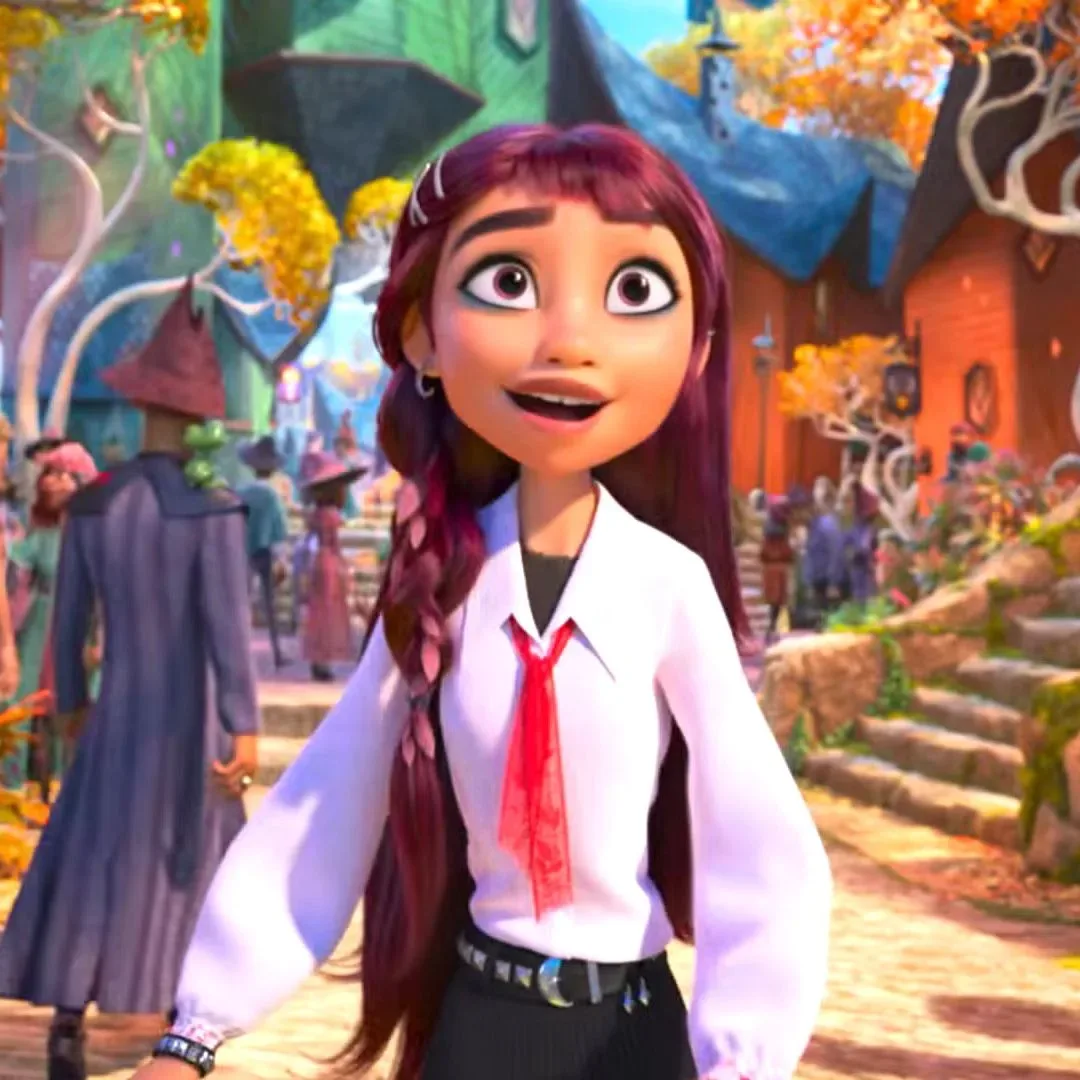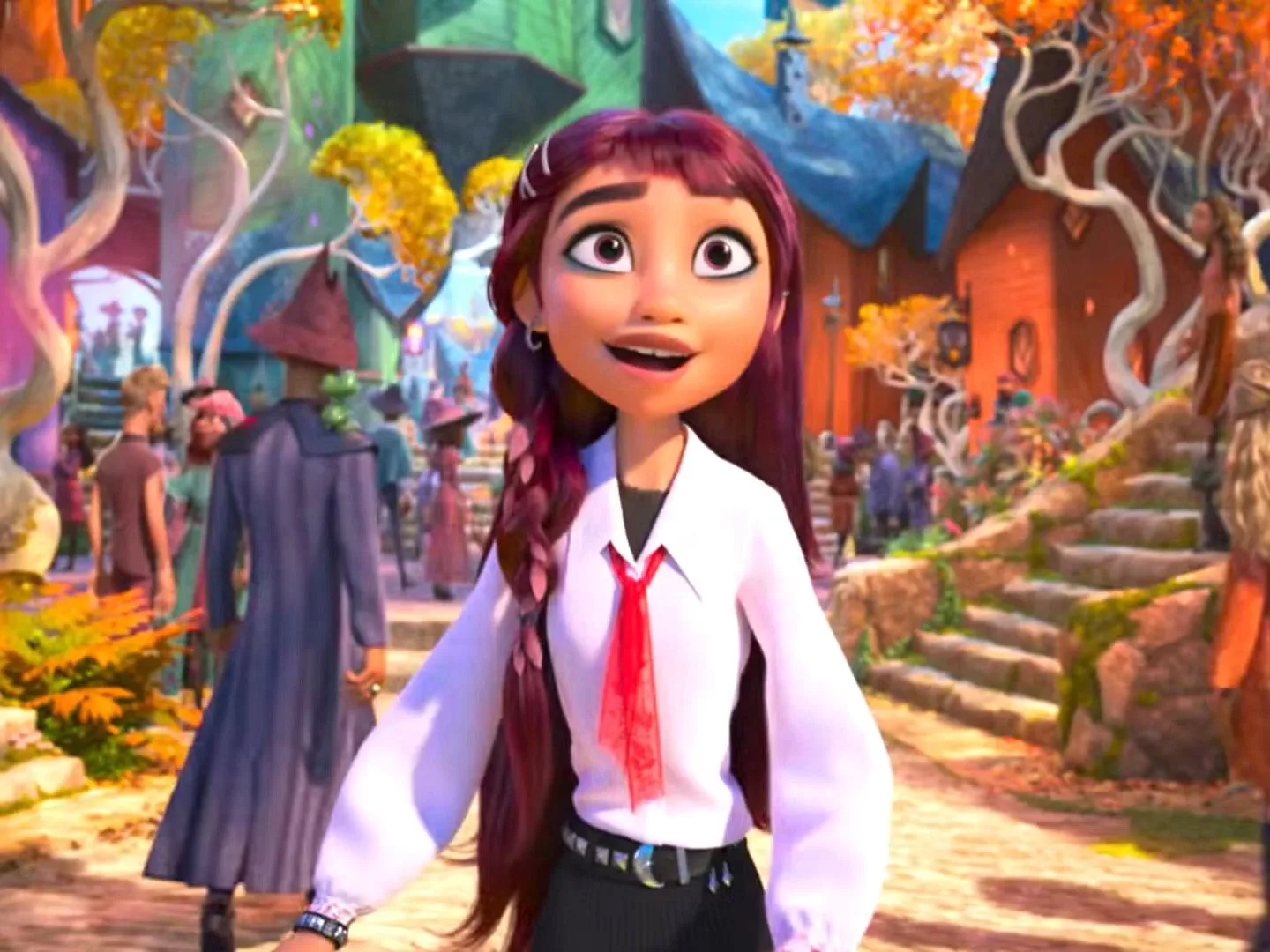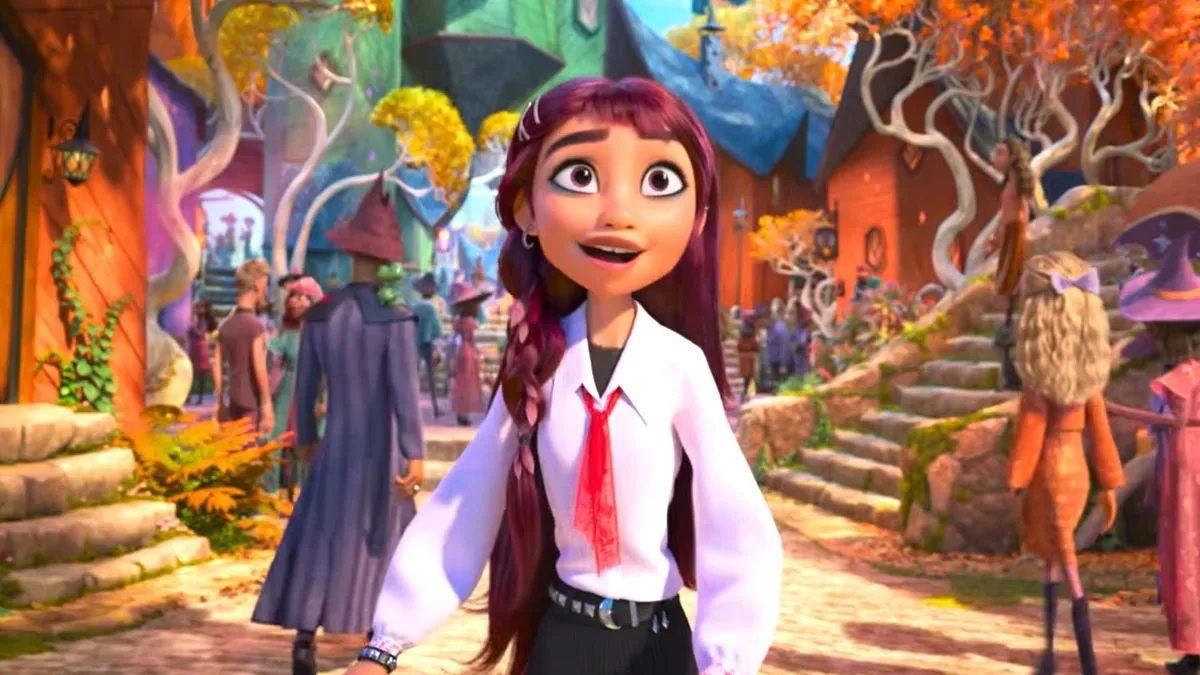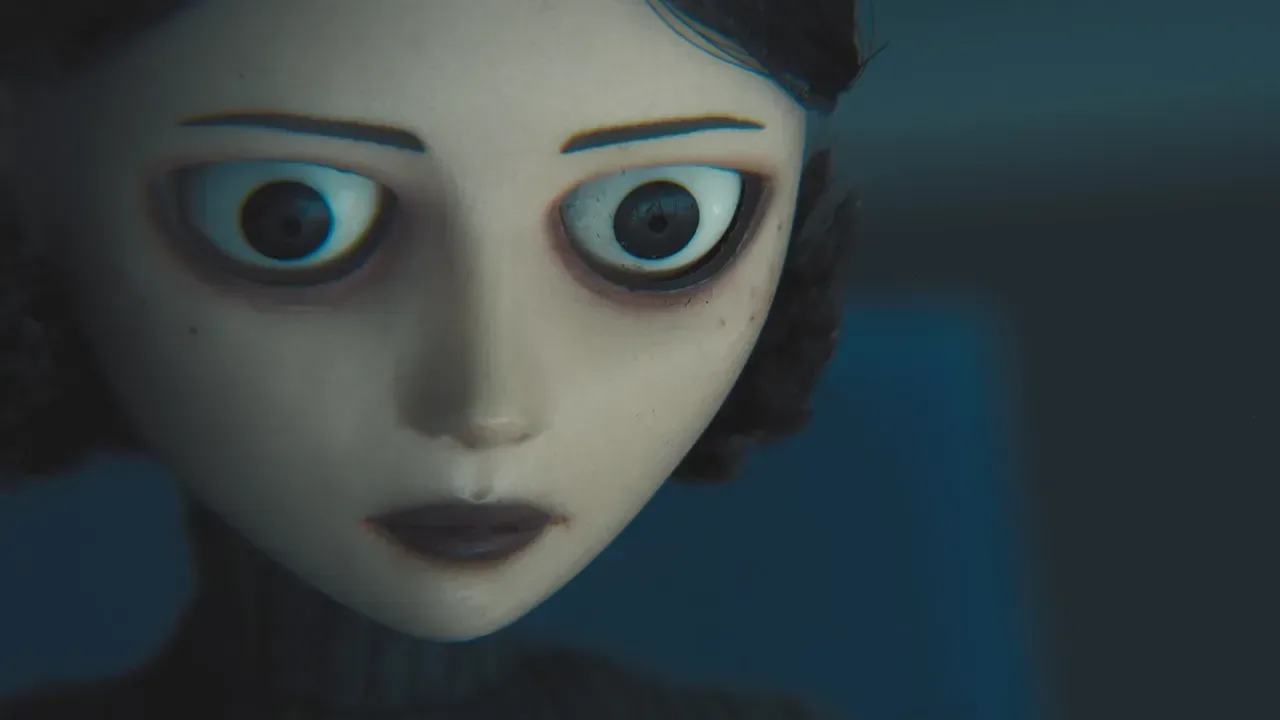
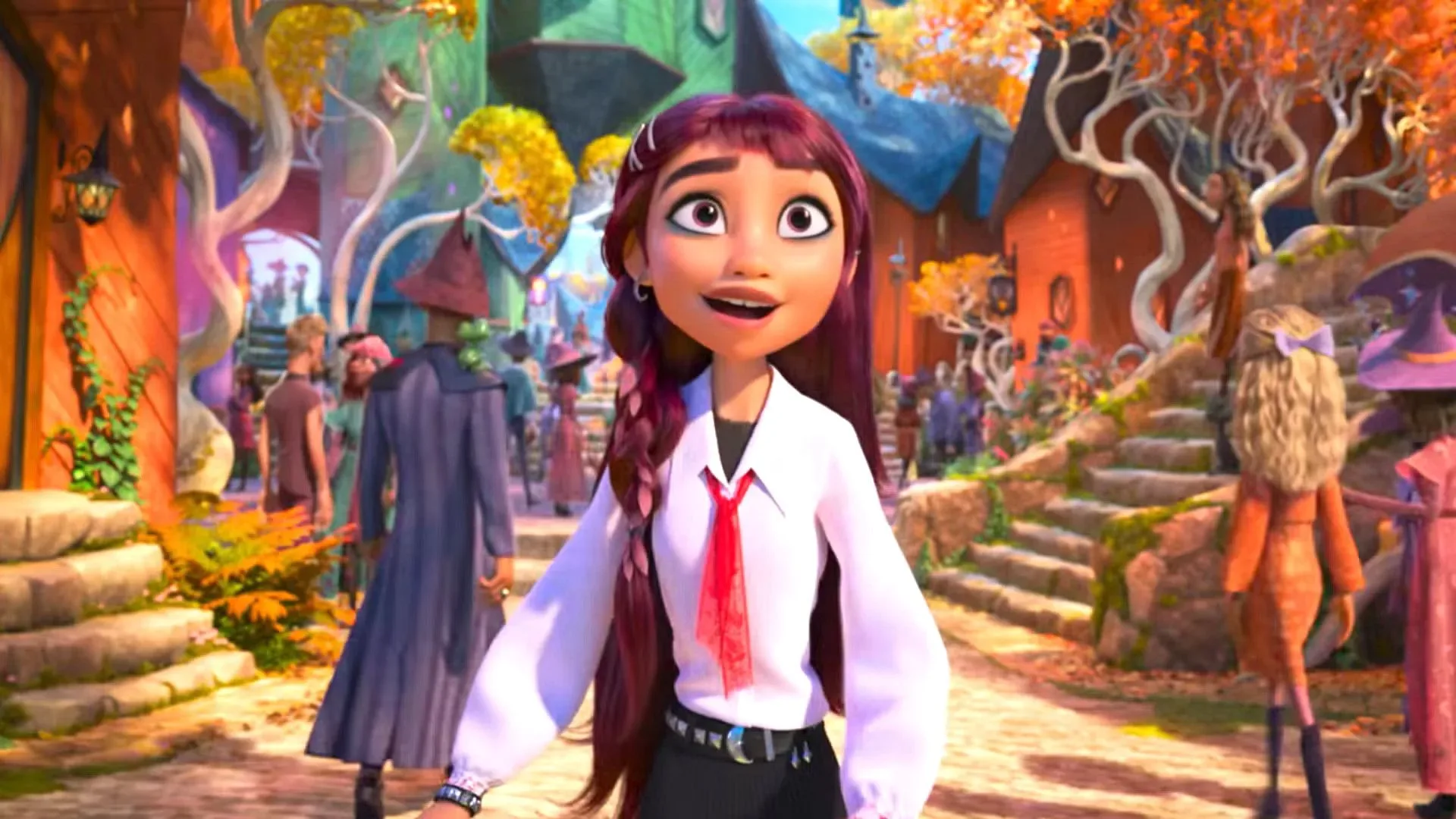
Hideo Kojima’s influence reaches far beyond the controller in a newly revealed creative crossover. Jared Bush, an animation executive and co-writer on Disney Animation’s upcoming Hexed, says a conversation with the Death Stranding 2 creator helped him resolve a story issue while the film was in development.
Bush described the moment in a social-media post, explaining that the team had been struggling with a particular section of Hexed. The eventual answer, he said, came from speaking with Kojima about an approach used in Death Stranding 2. Bush summed up the exchange with a broad statement of appreciation for the medium: “Games are cinema.”
That is a concise anecdote, but an interesting one precisely because it does not present Kojima as a writer on the film or establish that a specific game sequence was copied into animation. What Bush has disclosed is narrower: a discussion of creative process led to a solution for a difficult point in an original animated feature.
The exact story problem, the game approach being discussed, and the way that idea appears in the finished movie have not been identified. With Hexed still unreleased, that uncertainty matters. There is no basis to claim that audiences should expect a direct Death Stranding 2 reference, a Kojima cameo, or a game-like structure in the movie. The confirmed detail is that a conversation served as inspiration when the filmmakers needed to “crack” a narrative beat.
What “cracking” a story point can mean
In screenwriting and story development, a “story point” generally means a moment that changes the direction, meaning, stakes, or emotional understanding of what comes next. It may be an important decision, a revelation, a shift in a character relationship, or the bridge connecting two larger sequences. A story point can be difficult even when its destination is obvious: writers may know where a character needs to end up but not have a convincing or emotionally satisfying route to get there.
That is why an outside perspective can be valuable. The useful part of another creator’s method is not necessarily the content of their work. It can be the underlying question: whose point of view should lead a scene, what does the audience need to understand at that moment, or what action can reveal a character’s change rather than merely explain it?
Games offer another dimension for thinking through those questions because players do not just observe a story’s movement. They participate in it. In a game, the designer must consider how a player discovers information, how an objective becomes meaningful, and how an action produces a feeling of consequence. Film does not hand the viewer a controller, but it can still use insights about clarity, anticipation, pace, space, and the emotional weight of a journey.
That does not make games and films identical. Their tools are different. An animated film controls the duration and sequence of every shot; a game has to account for player movement, choices, delays, and attention. Bush’s “Games are cinema” line is best understood as a recognition that the two forms can share storytelling language and inspire one another, rather than as a claim that they operate in exactly the same way.
An original Disney Animation film, with limited details still public
Hexed is Walt Disney Animation Studios’ next film after the major commercial successes of Moana 2 and Zootopia 2. It is also the studio’s first original intellectual property since 2023’s Wish. “Original IP” means a newly created premise and set of characters rather than a continuation, adaptation, or established franchise entry.
Hailee Steinfeld stars as a fledgling witch. The announced cast also includes Rashida Jones, Jodie Foster, Walton Goggins, Henry Winkler, and Dan Stevens. The film is scheduled to reach cinemas on November 25.
Those public details establish the basic framing, but they do not reveal the specific section Bush was attempting to solve. For now, that absence is more useful than speculation. The anecdote is about the collaborative and sometimes indirect nature of development: a filmmaker working on a witch-centered animated feature found a productive way forward through a discussion about a contemporary game.
Animation is especially well suited to that kind of exchange because it is built through deliberate choices about how viewers receive visual information. Every environment, gesture, transition, and camera movement is constructed rather than passively recorded. Games similarly make creators think in terms of visual cues, navigation, timing, and attention. The end results serve different modes of engagement, but both depend on making complex ideas legible and emotionally resonant.
Kojima’s relationship with Disney is not entirely new
The Hexed story is not Kojima’s first connection to Disney projects. He appeared in the Japanese dub of Zootopia 2 as IT officer Paul Moldebrandt. He is also set to continue making cameo appearances over the next year, including returning as Hideyoshi Oshima in Edgerunners season 2, reprising the role associated with Cyberpunk.
Still, voice cameos and a creative conversation are fundamentally different kinds of involvement. A cameo is a performance credit that viewers can identify. Bush’s account concerns an exchange of ideas behind the scenes, and it leaves the creative mechanics deliberately unspecified. That distinction is important when a famous developer’s name can quickly fuel assumptions about a project’s content.
Kojima remains occupied with multiple game projects, including Physint and the horror title O.D.. The fact that an animation filmmaker drew inspiration from a conversation about Death Stranding 2 is therefore a reminder that the discussion around games as a storytelling medium is not restricted to game criticism or fan communities. It can also emerge inside film development, where creators are looking for a fresh frame for a stubborn problem.
Why this crossover matters without overselling it
There is a temptation to treat any link between a noted game creator and a major film studio as evidence of an imminent merger between media. The available information does not support that. There is no announced adaptation, production partnership, or formal creative credit attached to Kojima for Hexed.
What it does support is a more grounded point: creators borrow methods of thinking across disciplines. A filmmaker may study the way a game builds tension or makes a long journey feel purposeful. A game director may draw from the framing, editing, and performance language of cinema. Neither process requires one medium to become the other.
That idea is particularly useful for audiences who often encounter games and movies as separate boxes in a release calendar. A creative solution may begin with an observation rather than a transferable asset. The filmmaker is not necessarily importing a mechanic; they may be applying a principle about perspective, structure, or how an audience comes to understand a moment.
The result, if Bush’s account is any indication, is that Hexed has one small but notable thread connecting its development to one of gaming’s most recognizable directors. Whether anyone can spot the final solution when the movie arrives is another question—and one that cannot be answered until the film is in cinemas.
For another look at how animated projects are framed for their audiences, see this report on Avatar: Seven Havens and its intended audience.