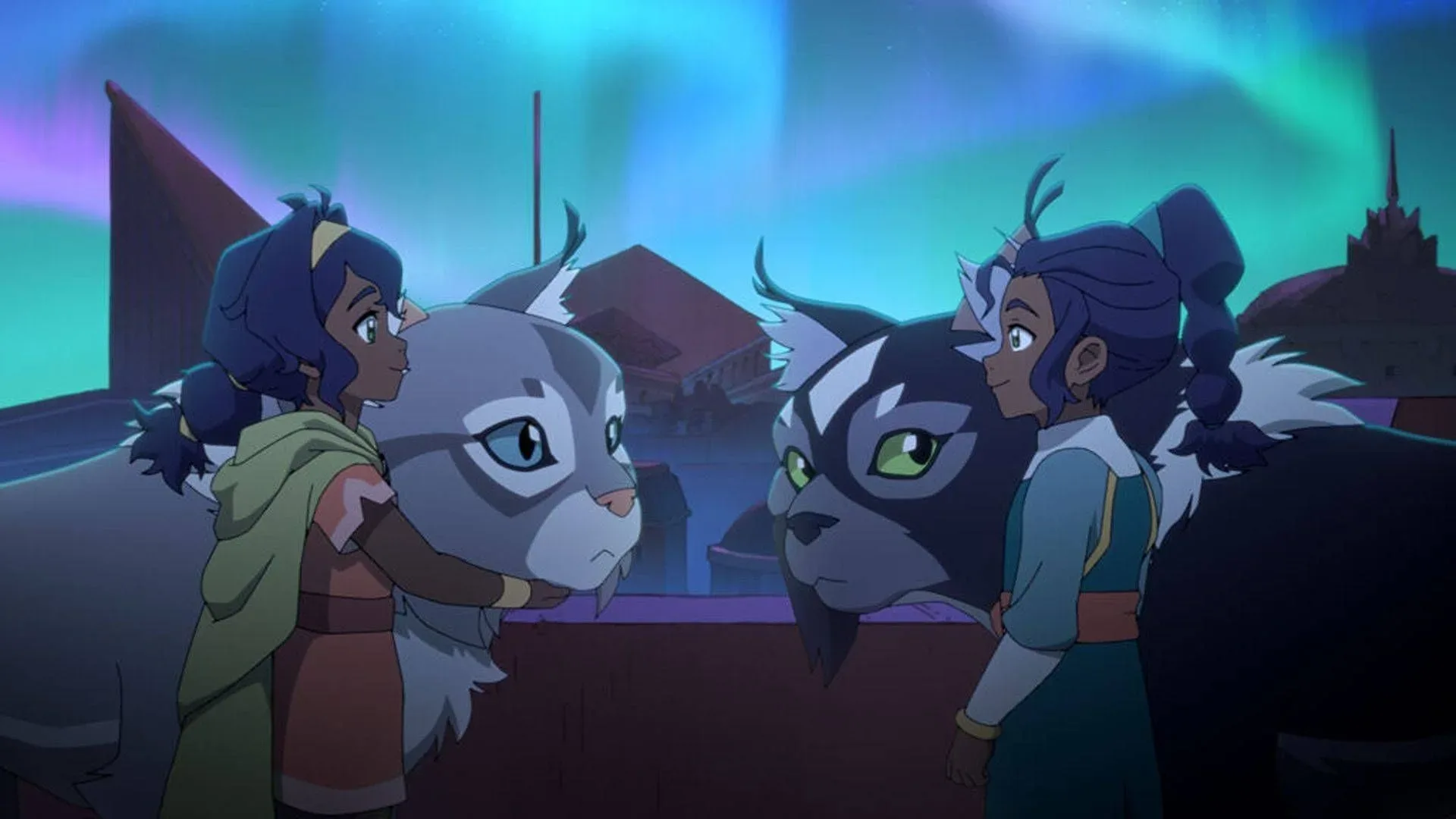
Avatar: Seven Havens may follow two young sisters in an animated fantasy world, but executive producer and developer Sehaj Sethi has drawn a clear line between a show that children can watch and a show designed principally for children.
Responding to a question about whether the new Avatar sequel was intended to be more accessible to younger viewers, Sethi said, “Personally, I think this show really isn’t a kids show. The themes we cover are quite dark and mature.” The goal, Sethi explained, was to make the series technically accessible to a younger audience while giving older viewers plenty to engage with.
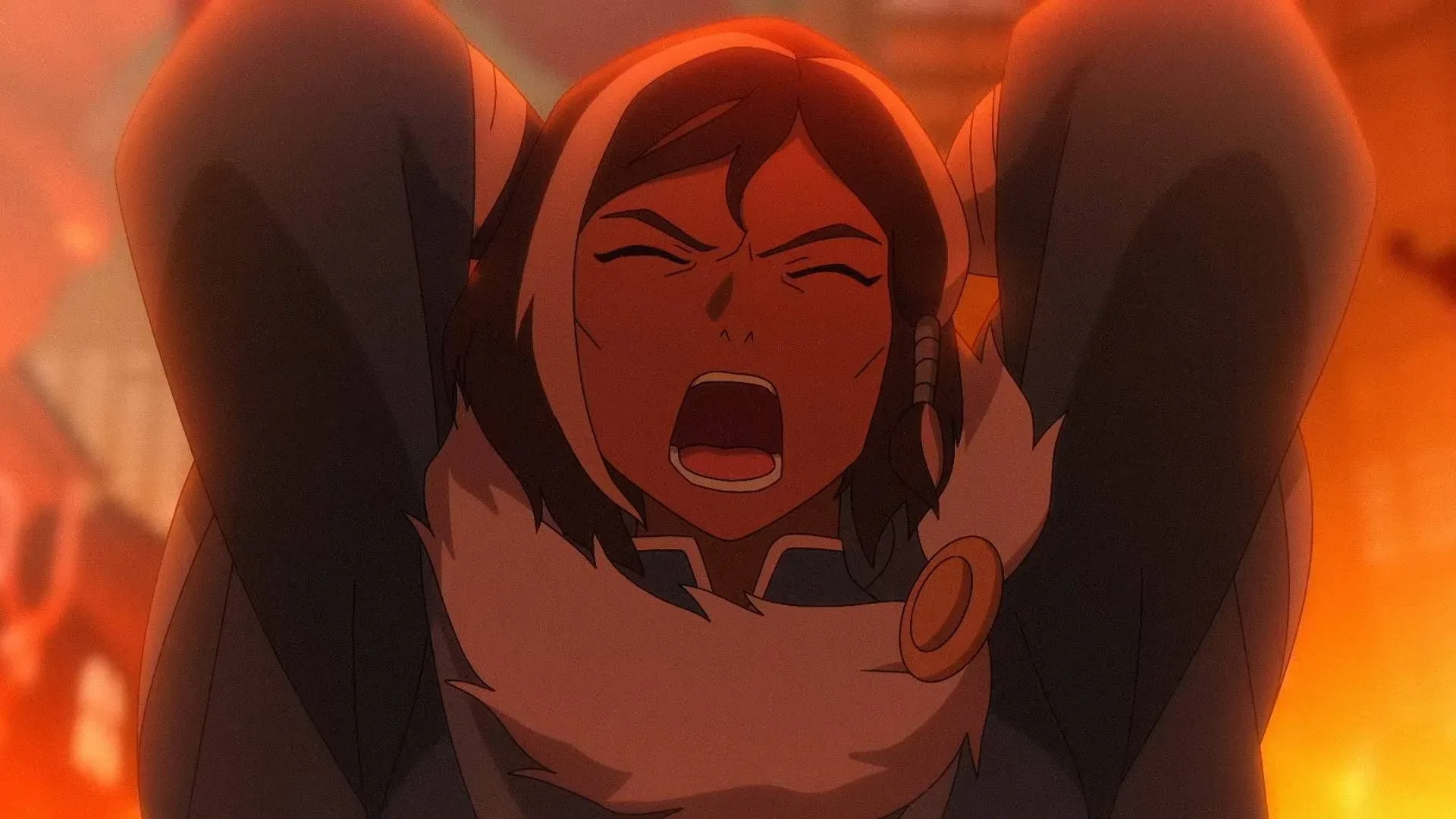
That distinction matters for a franchise often associated with younger-skewing television. Avatar: The Last Airbender spent years on Nickelodeon and became famous for combining approachable adventure with heavier material. Seven Havens is taking that balance into a markedly harsher setting: a world still living with the consequences of an apocalypse connected to Korra, the Avatar before its new lead.
A sequel built around aftermath, not a clean slate
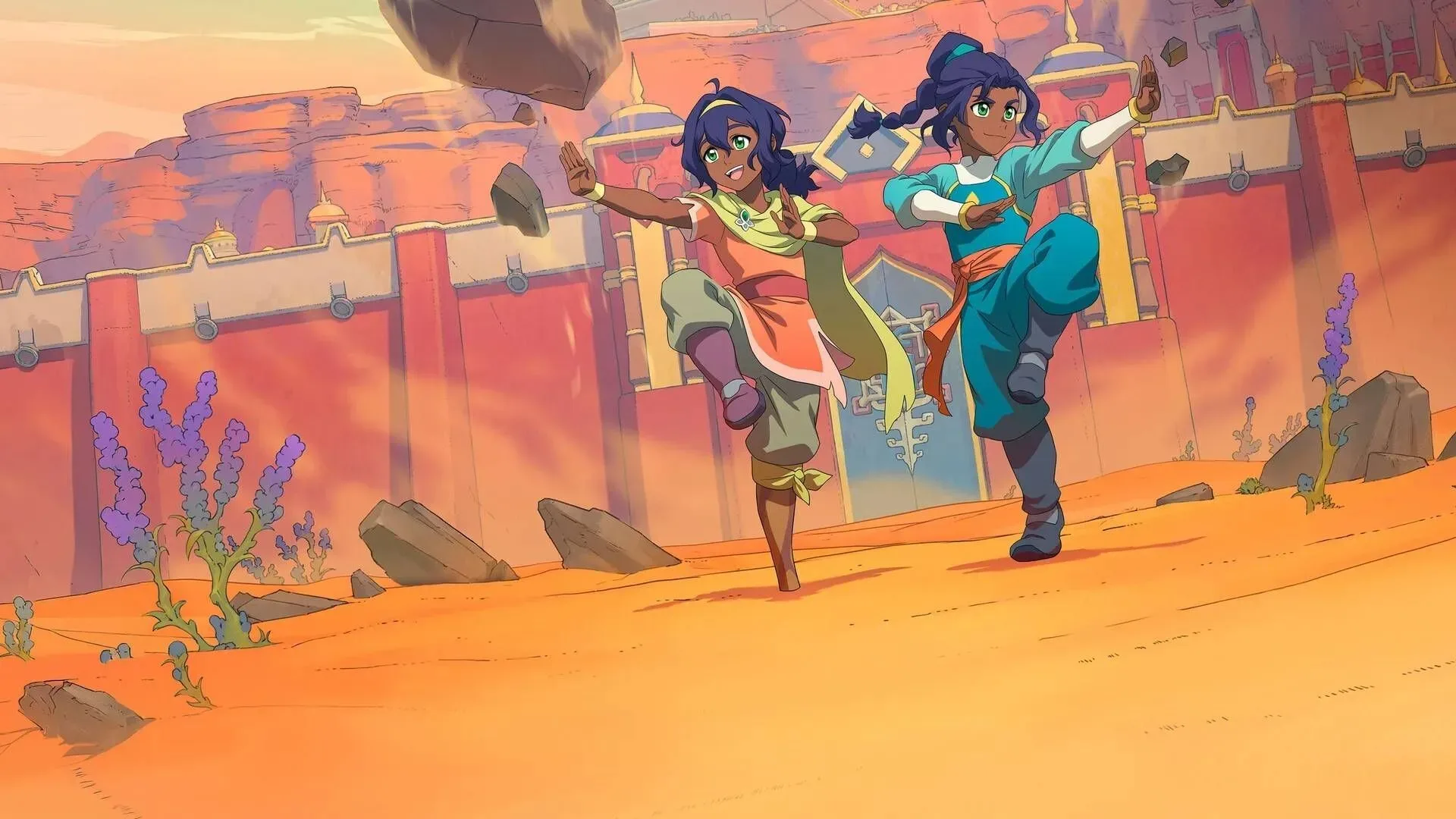
Seven Havens takes place roughly 225 years after The Legend of Korra, itself the sequel to Avatar: The Last Airbender. Its protagonists are twins Pavi and Nisha, who uncover their ties to the Avatar while trying to protect the last remaining cities.
The premise is already unusually loaded for an Avatar story. Rather than asking a newly revealed Avatar to restore a world that broadly accepts the role, it places Pavi in a society shaped by hostility toward Avatars. She has spent her life being taught to hate them because of what Korra is believed to have caused. Becoming the next Avatar, then, is not simply a promotion to heroic destiny. It places Pavi in direct conflict with the beliefs she inherited, the fears of the people around her, and the reputation of the figure whose spiritual succession she represents.
That is a significant dramatic choice. In fantasy storytelling, a “chosen one” plot often supplies a stable moral framework: the hero learns their calling, gathers allies, and uses exceptional powers against a recognizable threat. Pavi’s situation sounds less stable. Her identity itself is politically and emotionally difficult. The Avatar is not automatically a source of comfort in this world; it is a reminder of catastrophe.
Nisha’s role is equally important to the premise, even if the supplied details do not define the full division between the twins. A story centered on sisters can keep the Avatar revelation from becoming only one person’s private burden. It creates space for questions about family, loyalty, fear, and what happens when one sibling is pushed into a public role that threatens both of their lives.
What “accessible” means—and what it does not
Sethi’s comments do not mean the series has been described as inaccessible to children. Quite the opposite: the team intended it to be accessible to younger viewers. But accessibility is not the same as being simplified, emotionally weightless, or limited to child-oriented ideas.
In this context, accessibility can be understood as clarity of storytelling: viewers should be able to follow the characters and their stakes even when the themes become demanding. A show can use younger central characters, animation, adventure, and fantastical powers while still confronting grief, displacement, prejudice, disaster, or moral inheritance. Those subjects may be understandable to younger viewers without being reduced to an easy lesson.
Sethi was especially direct about the pressure placed on Pavi and Nisha, saying the creative team does not shy away from putting them through “truly traumatic experiences.” That language frames the sisters’ youth as part of the stakes, rather than a reason to protect them from every severe consequence of the setting.
It is also a useful expectation-setting note for families and longtime viewers. “Not a kids’ show” is not a formal content classification, nor does it reveal particular scenes or a rating. It does, however, signal that the creative team sees the emotional weight of the material as central to the series rather than as occasional background shading.
A world where survival is an everyday problem
The show’s environment supports Sethi’s description. Pavi and Nisha live in a refuge within a war-torn land, dealing with sandstorms and tornadoes on top of the wider instability facing the remaining cities. These are not merely isolated threats for an episode-of-the-week adventure. They describe a society under continuing strain.
The term post-apocalyptic can sometimes suggest a setting where civilization has already fallen and survivors begin again from nothing. The details around Seven Havens point to something more specific: there are still cities worth defending and communities capable of offering refuge, yet life is shaped by a historic disaster and ongoing environmental danger. The story’s tension comes from protecting what remains, not discovering a world untouched by loss.
That changes the function of the Avatar mythology. In a healthier world, the Avatar can be a unifying symbol, a mediator, or an emergency defender. In Seven Havens, Pavi must contend with an inherited public suspicion that turns the role into a source of risk. The story has an opportunity to treat power as something that does not automatically earn trust. Trust must be rebuilt, especially when the previous Avatar’s legacy is tied to widespread suffering.
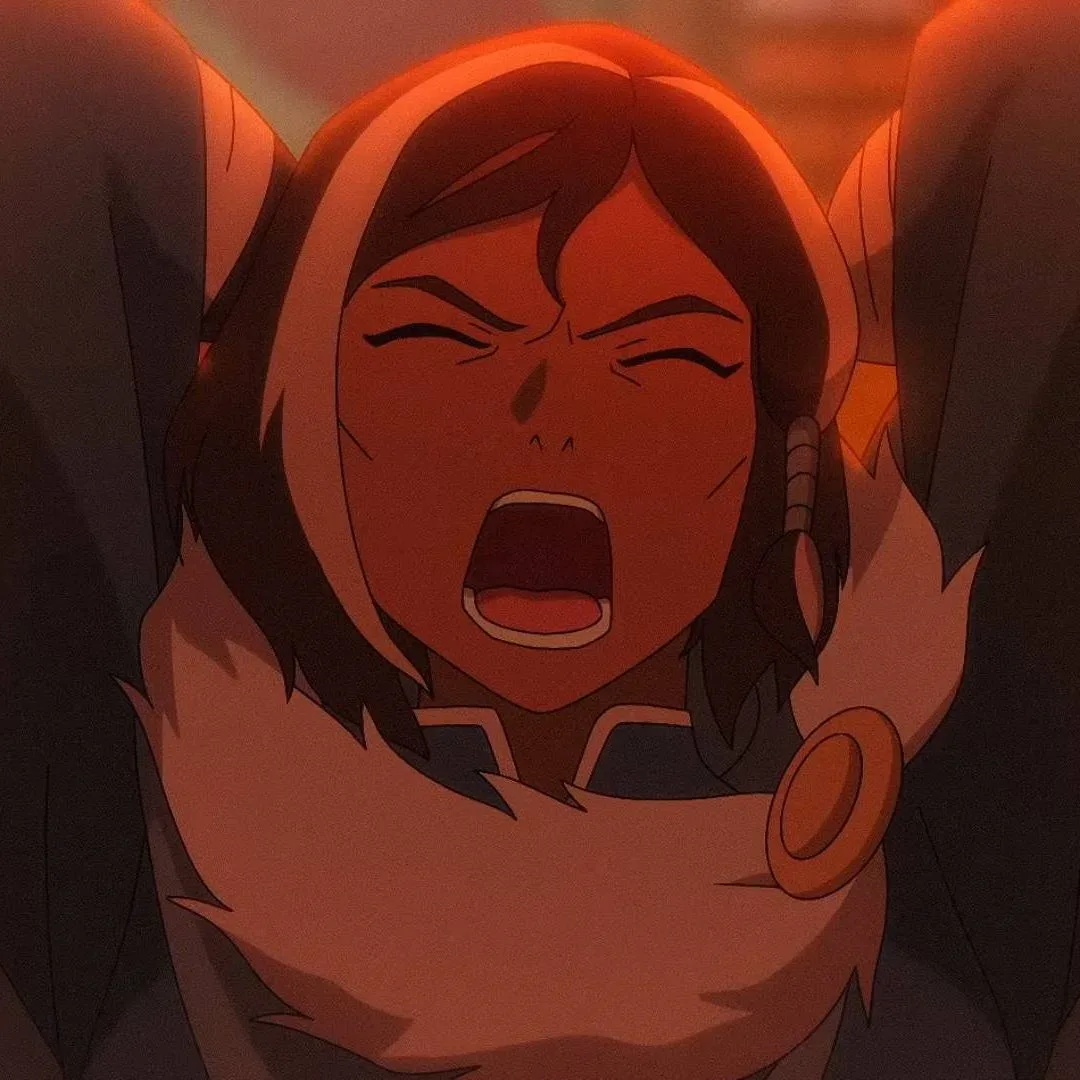
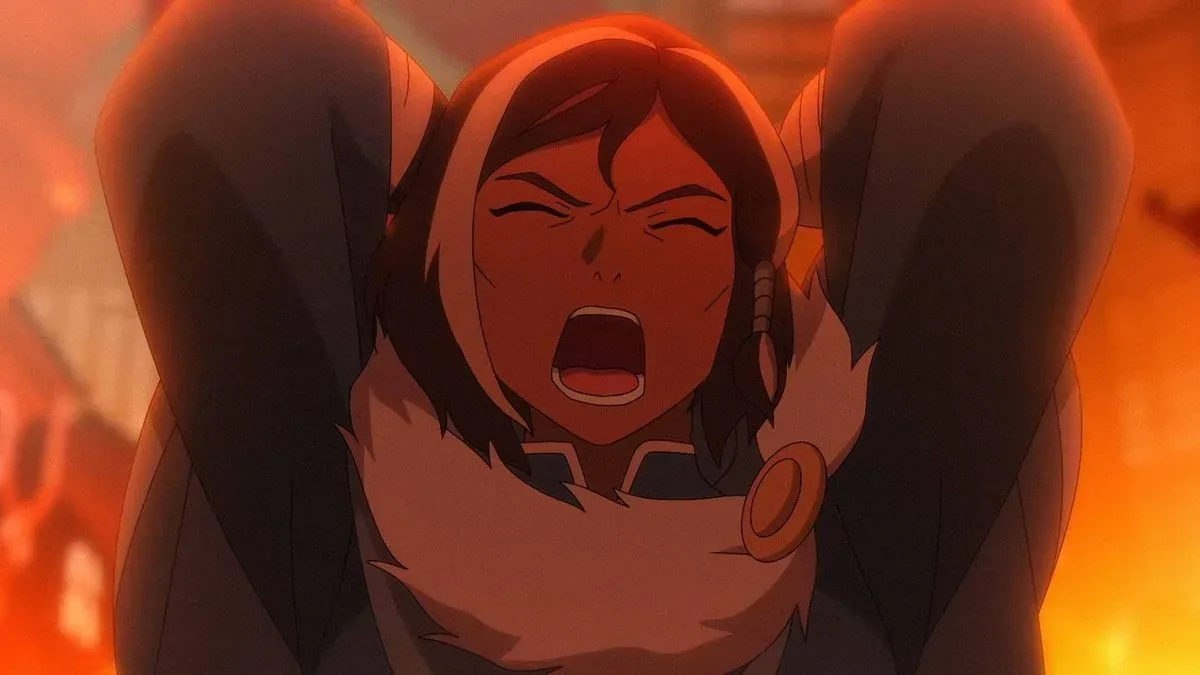
For viewers, that premise also explains why the series has prompted debate around Korra’s treatment. Some fans were unhappy that Korra appeared to be vilified within the new show’s setup. The concern is understandable: making a beloved former lead a central part of a disaster’s legacy can feel like a sharp reversal of the emotional investment viewers brought from her own series.
Still, the premise is more complicated than a simple verdict on Korra. What matters dramatically is that Pavi has been taught a version of history in which Avatars are figures to hate. A character’s belief, or a society’s public memory, is not automatically the same thing as an objective account. The conflict establishes a strong question for the sequel: can Pavi discover what truly happened and decide for herself what the Avatar should mean now?
Why the darker approach fits the franchise’s long-form storytelling
The Avatar franchise has always had room for tonal range. Its worlds can accommodate humor, friendship, action, spiritual mythology, political conflict, and personal growth. Sethi’s comments suggest Seven Havens is leaning harder into the consequences side of that equation: consequences of catastrophe, of inherited narratives, and of asking children to survive circumstances created long before they were born.
That does not require the series to abandon adventure. In fact, a severe setting can make adventure matter more. Protecting a city, crossing dangerous terrain, or pursuing answers about the Avatar carries greater force when the characters have no assumption that the world will return to normal after the credits. The sisters’ journey is not framed merely as training for a far-off heroic duty. It is connected to immediate survival and a damaged public order.
There is a practical storytelling benefit in the 225-year gap, too. It gives Seven Havens enough distance from Korra’s era to establish its own cast and conditions, while retaining an unmistakable tie to the franchise’s core cycle of Avatars. The world can feel transformed without detaching the new series from the questions and events that preceded it.
That approach can bring both opportunity and risk. The opportunity is an Avatar story with a genuinely different starting point: a new Avatar emerging in a world where the title has lost its moral certainty. The risk is that the show’s explanation of the apocalypse and Korra’s place in it will need to handle a major existing character with care. The fan response already shows that this element is not incidental background lore. It is one of the series’ biggest emotional pressure points.
Reception, animation criticism, and season 2
The early response has been positive in at least one high-profile aggregate measure, where the first season debuted with a perfect score. Critical assessment has also praised the show as a strong new entry with intriguing characters and plot ideas, while pointing to its animation as a weaker area.
Those two reactions can coexist without contradiction. A series can be compelling because of its character setup, themes, and narrative questions while still inviting criticism for how consistently its visuals realize that ambition. For an animated continuation of a visually distinctive franchise, that distinction is especially worth noting. Animation is not simply decoration; it carries action, atmosphere, elemental power, scale, and the emotional expression of its leads. If viewers respond unevenly to that component, it may shape the overall experience even when the premise lands.
Paramount Plus has already renewed Avatar: Seven Havens for a second season. That gives the show room to develop the questions established in season 1: Pavi’s difficult relationship with the Avatar identity, Nisha’s place in their shared journey, the truth behind Korra’s legacy, and the fate of the cities still standing in this battered world.
For audiences deciding whether the series is for them, Sethi’s description is the clearest guide: expect an animated Avatar story that remains approachable but is deliberately interested in darker and more mature material. Its young heroes are not a promise of low stakes. They are the people being asked to carry a damaged world into whatever comes next.
For a different look at how enduring fantasy worlds can be reinterpreted, see our Ocarina of Time Chewiness Index.