Every game has a question hiding in its polygons. In The Legend of Zelda: Ocarina of Time, that question is apparently not “What became of the sages?” or “How does time travel work?” It is: which residents of Hyrule look like they would put up the most resistance between two entirely hypothetical molars?
To be absolutely clear, this is an aesthetic ranking, not a meal plan. No one is advocating the consumption of Zora, royalty, amphibians, sentient water, dungeon parasites, or anything else in Link’s adventure. We are assessing character design through the least scientific possible lens: imagined texture.
And once that lens is applied, a pattern emerges. Hyrule’s water-adjacent population has a decisive advantage. Fish-like bodies, jellyfish shapes, wet-looking surfaces, and flexible-looking limbs all make a strong case for chewiness. Wood, armor, and sharp geometry work against it. Size matters, too, but not in the straightforward way one might expect: an enormous character can look rubbery while still being impractical, whereas a smaller creature might project a far more manageable gummy consistency.
That distinction is the foundation of the Ocarina Chewiness Index. “Chewy” does not merely mean soft. It means springy, resistant, cohesive, and likely to rebound rather than crumble. Crunchiness is its own category. Sliminess may contribute, but it cannot carry a contestant by itself. And visual hostility—however memorable—does not automatically translate into a top ranking.
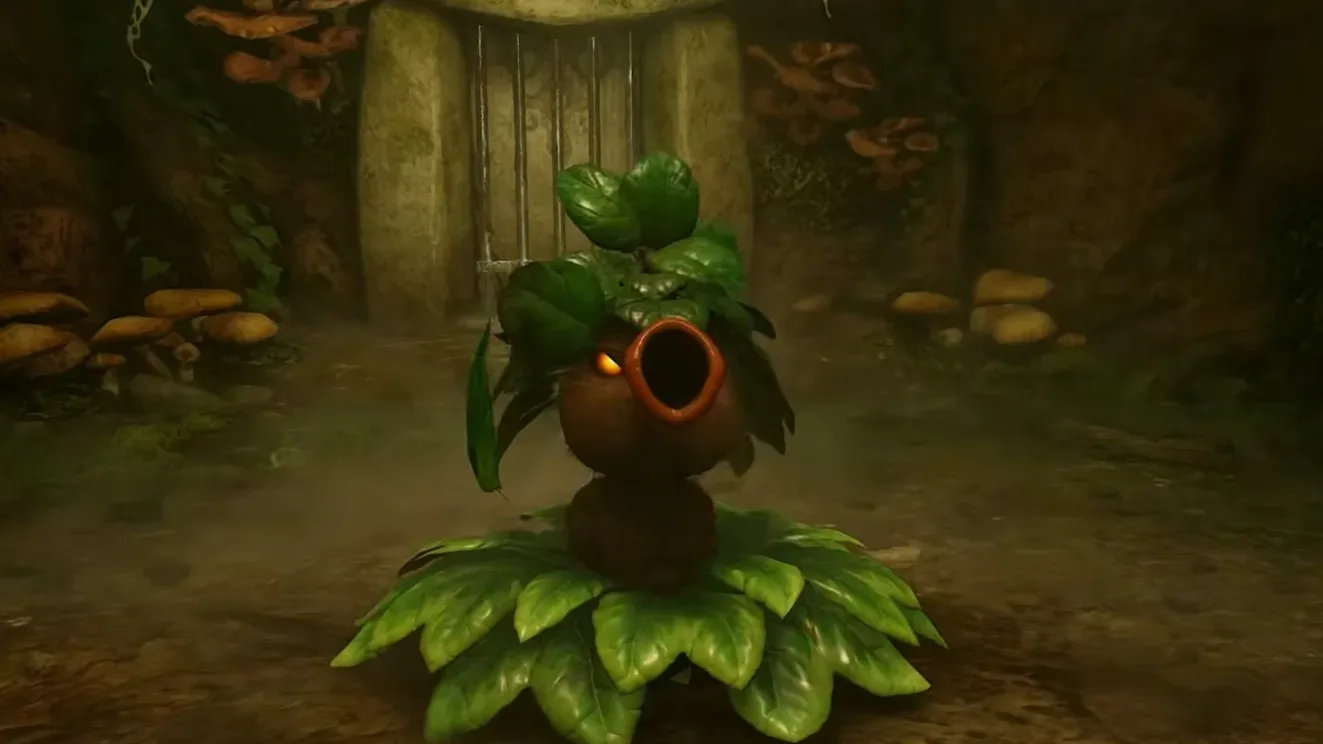
11. Deku Scrub: unquestionably textured, fundamentally crunchy
The Deku Scrub finishes last because its visual identity points toward plant matter and a hard, woody exterior. A character can be lively, expressive, and full of surprises without seeming chewy. The Scrub’s defining silhouette suggests crackle and splinter rather than bend and bounce.
This is the key ruling that keeps the list coherent: crunchy is not chewy. A toasted edge, a seed-like shell, or a bark-adjacent body may create texture, but none of that produces the elastic resistance that the upper half of this ranking demands. The Deku Scrub is therefore not a failure of design. It is simply competing in the wrong snack-texture sport.
10. Lizalfos: armor first, possible give underneath
Lizalfos narrowly escape the basement because their armored presentation leaves room for a softer center. The issue is that the armor does most of the visual talking. It creates a barrier between observer and imagined texture, and barriers are bad news in a contest where immediate chewability is everything.
There is a qualified case for flexibility beneath the plating. Reptilian creatures can read as muscular and somewhat yielding, and the phrase “chewy center” does the necessary speculative work here. But the rank remains low because this is an argument made through the armor, not because of it. In the Chewiness Index, visible rubberiness beats concealed possibility.
Related coverage includes Ocarina of Time's Chewiest Characters, Ranked From Crunchy to Gummy.
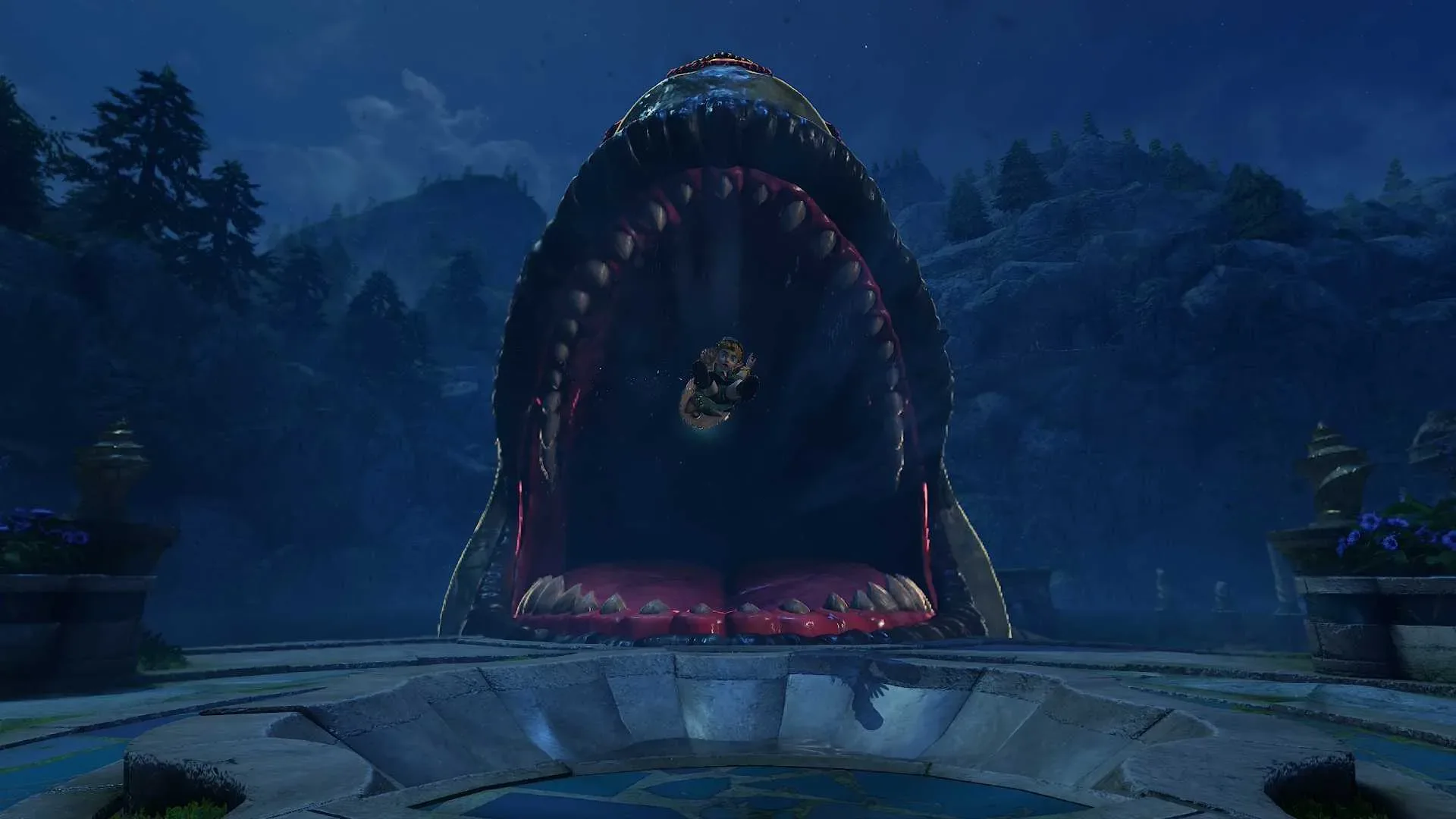
9. Lord Jabu Jabu: fish logic earns a respectable placement
Lord Jabu Jabu’s case begins and mostly ends with fish logic. As a large fish-like character, he naturally reads as more yielding than wood, shell, or metal. That puts him comfortably above the land-based crunch candidates.
Yet he does not reach the very top, partly because “large fish” is a broad texture proposition. The overall impression is chewy, but not necessarily concentrated. His scale changes the thought experiment: a huge body can suggest a lot of soft material without delivering the compact, gummy certainty associated with the ranking’s strongest contenders. His score is good on category fit and weaker on precision.
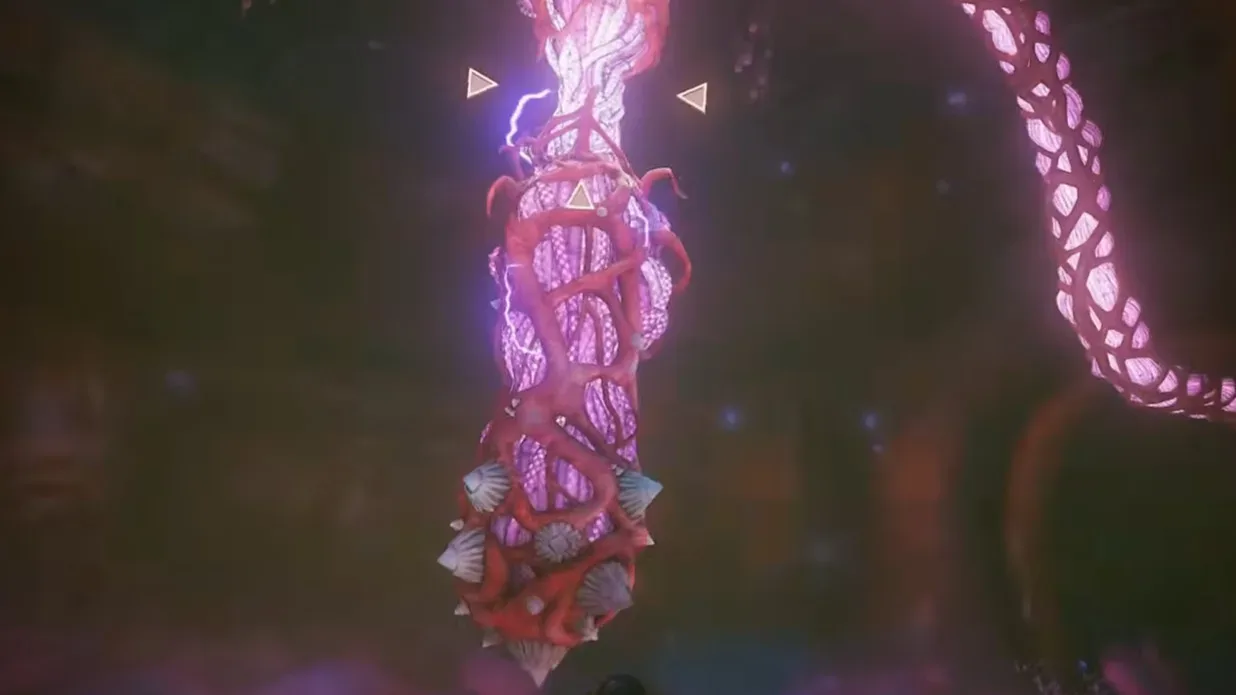
8. Lord Jabu Jabu’s internal tentacles: the gummy irritation factor
The tentacles found inside Lord Jabu Jabu make a more specific and more persuasive texture argument than their host. They still benefit from the fish-adjacent setting, but their form is far more explicitly flexible. They look gummy in the way that makes a creature seem both chewable and irritating.
That irritation matters. A great chewy design often feels slightly difficult to deal with: it stretches, persists, and seems as though it would refuse to become simple. These tentacles earn their placement by projecting exactly that stubborn, rubbery energy. They are not merely soft-looking. They seem likely to be a nuisance, which is a surprisingly valuable attribute in this particular ranking.
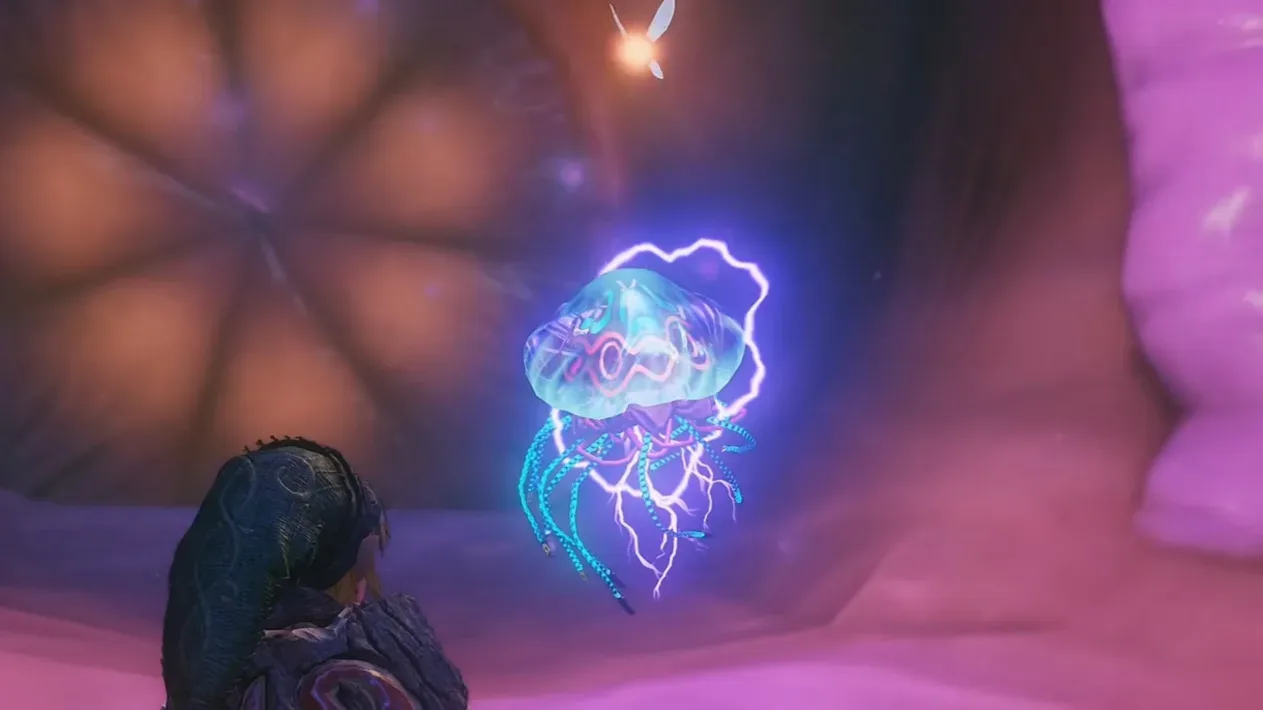
7. Bari and Biri: jellyfish shape, elastic expectations
Bari and Biri move the list firmly into aquatic-texture territory. Their jellyfish-like design makes the reasoning immediate. Jellyfish are visually synonymous with wobble, translucence, and an unpleasantly convincing sense of squish. That provides a powerful baseline for imagined chewiness.
Still, “jelly-like” is not an automatic ticket to the podium. The electrical threat associated with these enemies adds danger, not texture, and the forms are a little too insubstantial to challenge the stronger gummy entries. They seem chewy, certainly; they just do not seem as satisfyingly cohesive as the contestants ahead of them. Think less dense gummy and more quivering obstacle.
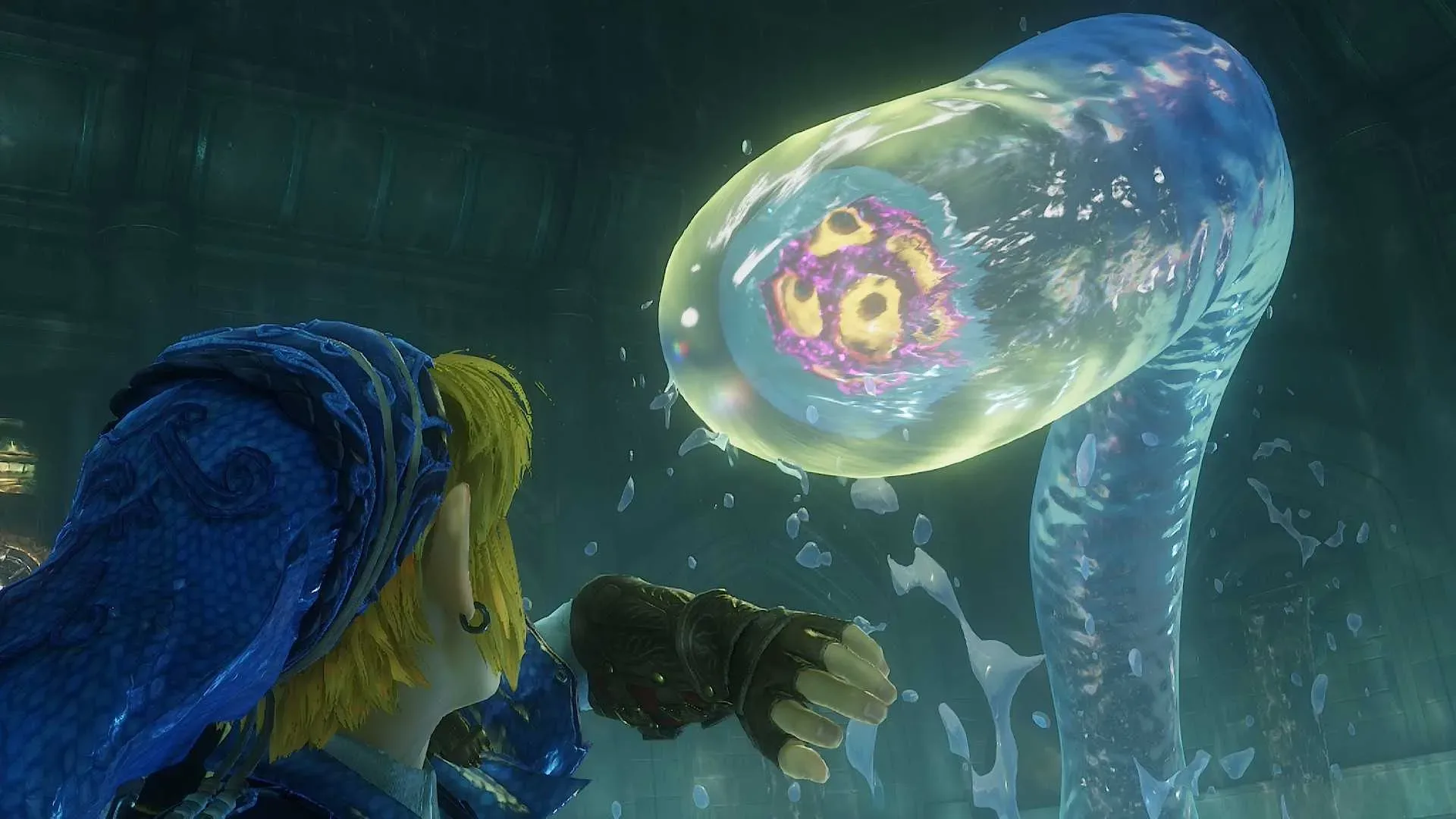
6. Morpha: a gummy center wrapped in liquid spectacle
Morpha is a special case because its presentation revolves around water, while its central core supplies the tactile hook. The water itself is not the real evidence for chewiness. Water is fluid, not elastic. The argument is instead about the small central ball: a compact form that reads as if it could have a gummy quality distinct from the surrounding liquid.
That distinction is important. A gummy is defined by a degree of structure. Morpha’s core has it. Its liquid exterior makes the whole encounter feel fluid and evasive, but the center suggests something more concentrated and resilient. That puts Morpha above ordinary jellyfish logic, even if the watery framing prevents it from feeling as unequivocally chewy as the creatures still to come.
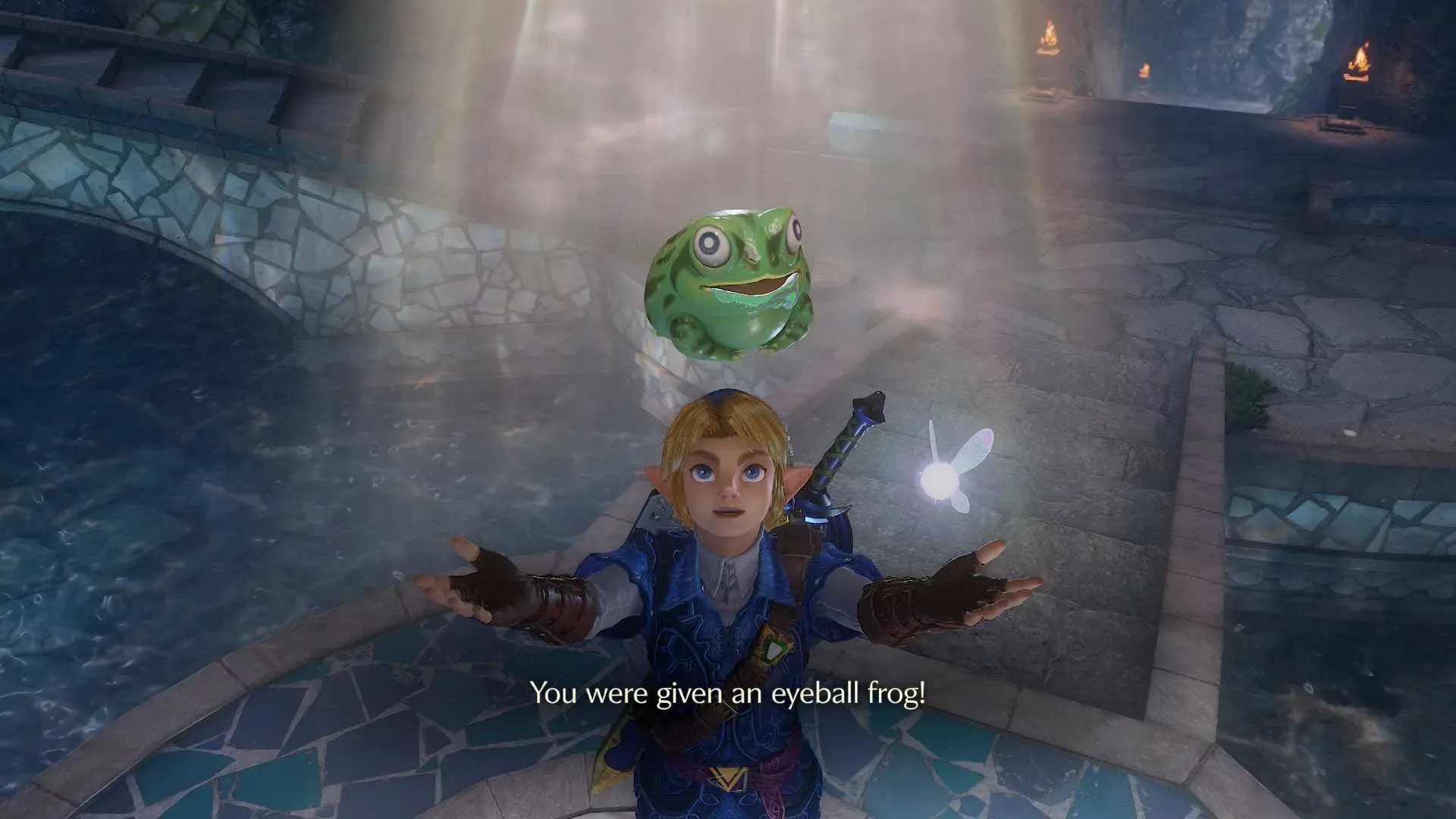
5. Eyeball Frog: the compact wild card
The Eyeball Frog lands in the middle-high tier on compactness alone. Amphibian imagery has a built-in squishy quality, but this creature’s smallness gives that quality focus. It is easier to picture a dense, elastic texture when the design is not diluted across an enormous body or obscured by armor.
There is also an interesting platform wrinkle: its Nintendo 64 form is judged to look chewier than its Nintendo Switch 2 version. That is not a statement about how either version plays. It is purely a visual-texture verdict. The earlier incarnation apparently carries more of the odd, compressed quality that strengthens a chewy read. Sometimes a lower-fidelity appearance does not make something less expressive; it can make the imagined material properties much stranger.
4. Like Likes: reciprocal chewing as a design principle
Like Likes have an unfair advantage because their very name and behavior invite the vocabulary of chewing. They chew the player, at least conceptually, so the ranking turns that premise around with perfect playground logic: they chew, therefore they can be chewed.
More importantly, Like Likes look like creatures built around soft, tubular persistence. Their design feels less like an animal with a single obvious material and more like a living piece of rubbery inconvenience. That makes them highly credible entrants. Their only limitation is that their look leans toward grotesque elasticity rather than the cleaner, more appetizingly gummy imagination of the top three. A strong score, then, but one with a faintly dreadful aftertaste.
3. Octoroks: tentacles, roundness, and the power of takoyaki association
Octoroks claim third with a design that strongly invites cephalopod texture comparisons. Their rounded bodies and octopus-like identity make chewiness feel intuitive. The argument is further helped by takoyaki, the octopus-based food association that immediately frames the creature in a chewy culinary vocabulary.
That association is not evidence that an Octorok would literally resemble takoyaki; it is a useful shorthand for why the design lands where it does. The character’s shape and species cues make “chewy” feel more natural than it does for the jellyfish-like Bari and Biri. Octoroks seem substantial. They have enough form to suggest bite resistance, but not so much hardness that the ranking tips into crunch territory.
2. King Zora: rubbery royalty, defeated by logistics
King Zora is perhaps the clearest example of why appearance and practicality are separate scoring categories. He looks extremely rubbery. The broad shape, smooth surface, and unmistakably soft-looking silhouette make him one of Hyrule’s premier imagined chewy beings.
But he is also King Zora. His size and shape complicate the hypothetical. In a visual ranking, he can look profoundly chewy while being less manageable than smaller Zora. That does not diminish the texture assessment; it explains the silver medal. He has the material quality, but the scale works against him.
1. The Zora: Hyrule’s undisputed rubbery champions
The non-king Zora take first place because they combine nearly every quality the Chewiness Index values. Their bodies appear smooth, flexible, and rubbery. Their aquatic identity supports a soft, slick visual read. Their more manageable proportions avoid the logistical issue that keeps King Zora at number two. Most decisively, their design gives the impression of substantial elasticity rather than simple squish.
That is the difference between the champion and the field. The Zora do not look crunchy like a Deku Scrub, hidden beneath armor like a Lizalfos, or purely liquid like Morpha’s outer body. They project a coherent, durable, rubber-like texture. They look as though they would bend before breaking, then mildly judge you for having considered the matter at all.
The final result is both absurd and surprisingly tidy: Hyrule’s aquatic designs dominate, gummy forms outperform hard surfaces, and King Zora is only narrowly denied by the very people he rules. For less texture-focused Zelda discussion, a recent Zelda listing mix-up is a considerably more conventional place to start.
The ruling: Zora are the chewiest-looking characters in Ocarina of Time, while Deku Scrubs remain stubbornly, correctly crunchy.