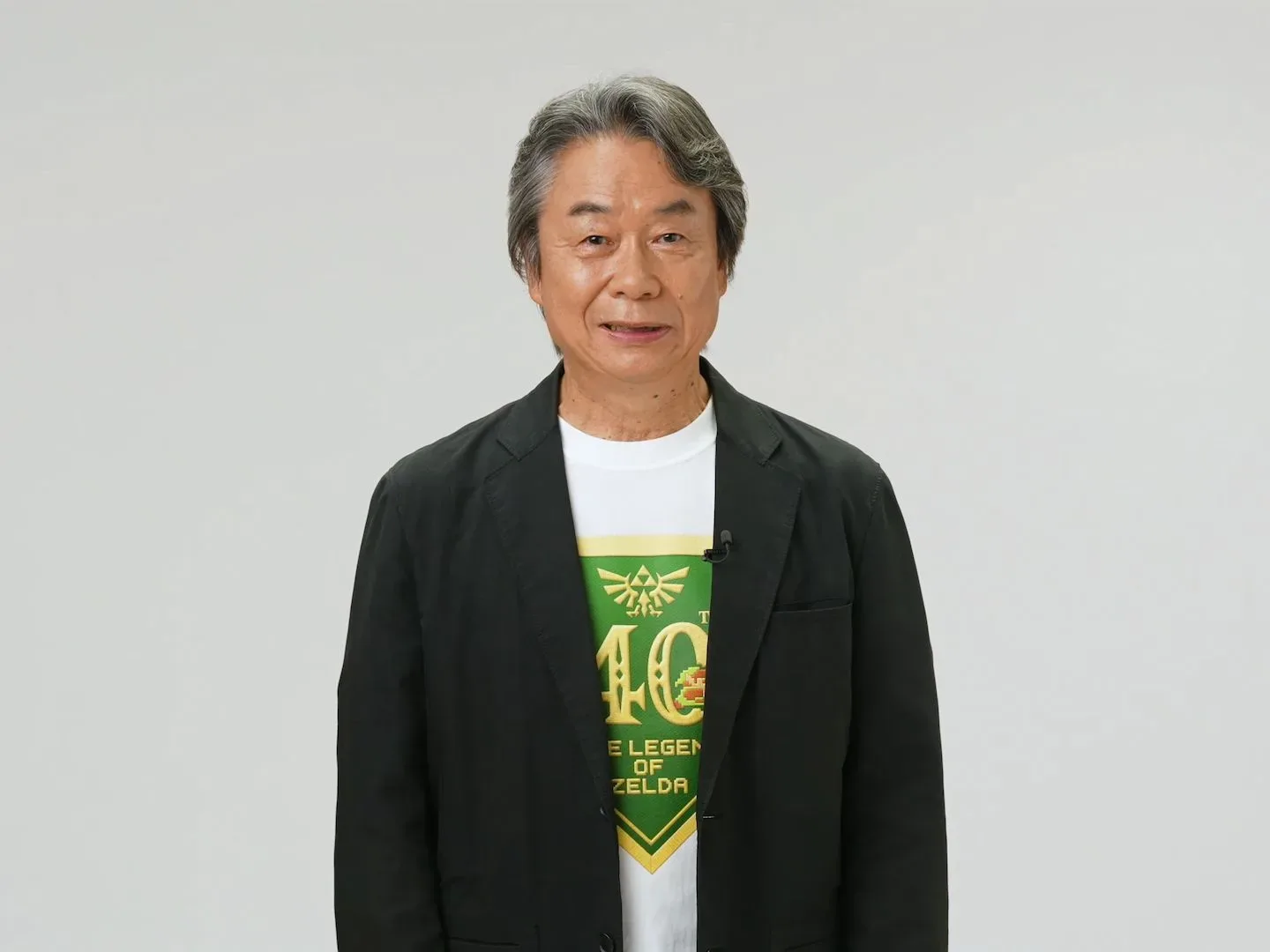

One of Shigeru Miyamoto’s most useful observations about game development is also one of the least comfortable for a company celebrated for refinement. In a 1996 conversation with Keni Eno, Miyamoto argued that there are two different standards a game can meet: it can be well-made, or it can be interesting. His point was not that craftsmanship is unimportant. Quite the reverse: Nintendo had just demonstrated with Super Mario 64 that it could build a dependable 3D action game. The concern was that polish, commercial readiness, and technical competence could become the entire mission.
“There are two kinds of games - well-made games and interesting games,” Miyamoto said, adding that Nintendo’s image had gradually moved from “interesting” toward “well-made.”
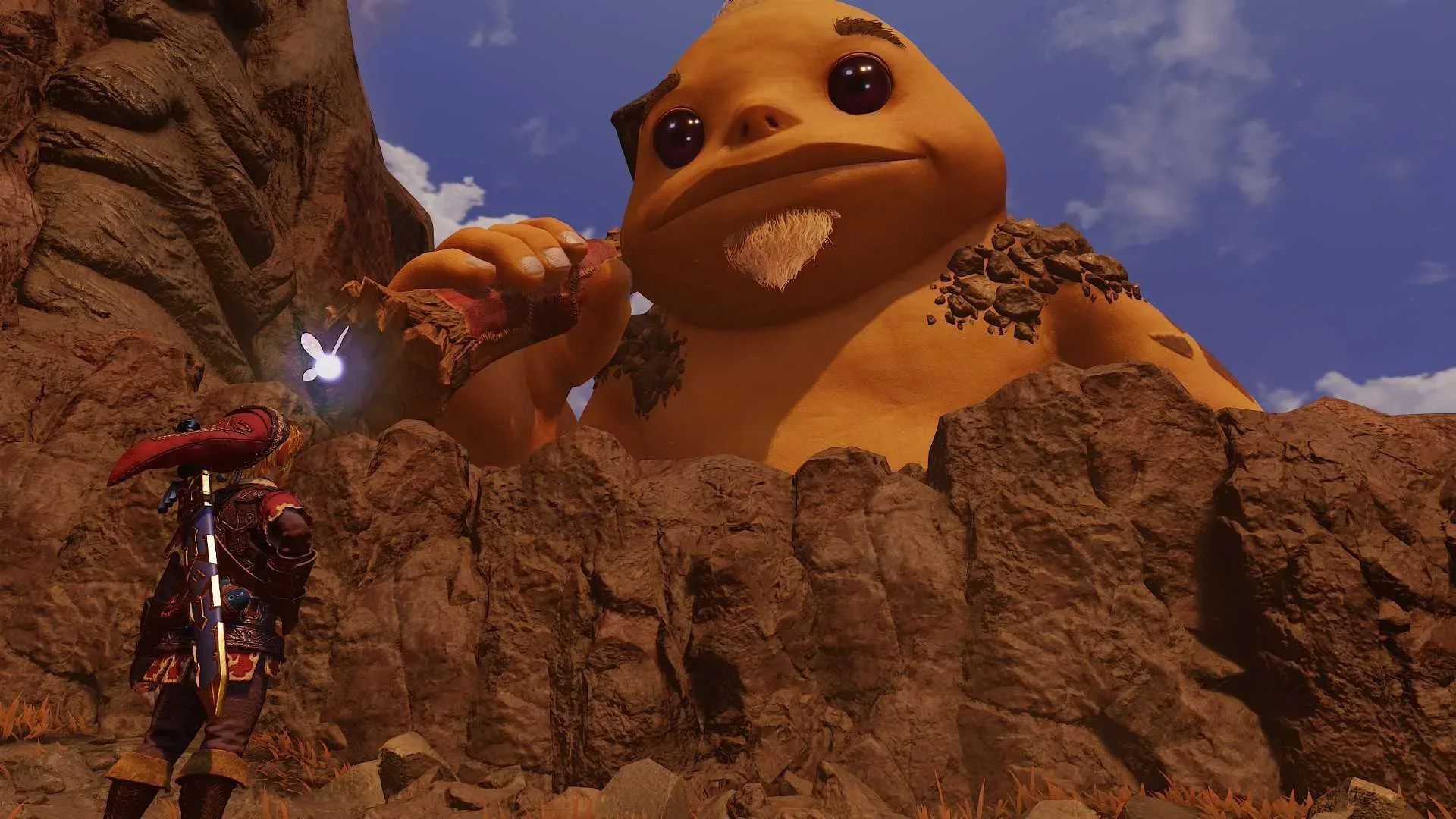
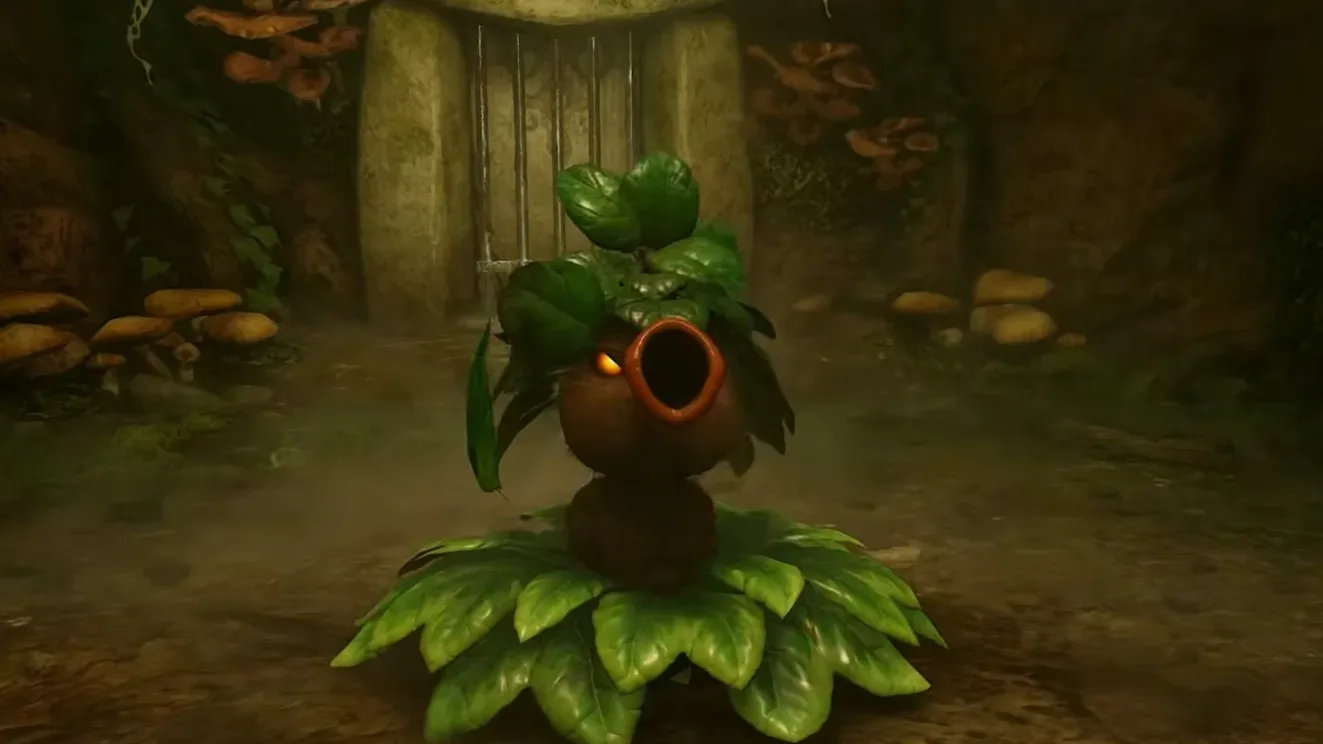
That distinction remains a powerful way to discuss Nintendo, particularly alongside The Legend of Zelda: Ocarina of Time Remake. The remake has arrived to substantial fanfare, but its very existence raises a complicated question: when a game’s original achievement was to establish new possibilities, what does success look like when the central task is recreation?
A remake can be excellent without repeating the cultural and design shock of its predecessor. It can preserve a structure, make it more accessible to a new audience, and deliver a carefully finished version of a much-loved experience. None of that is trivial. Yet it is a different creative proposition from making the original work—especially when that original is Ocarina of Time, a 1998 release still carrying a 99 Metacritic score. The useful tension in Miyamoto’s old comment is that it does not allow “well-made” to stand in automatically for “interesting.”
What Miyamoto meant by “well-made” and “interesting”
These terms are easy to mistake for opposites, but they describe different priorities rather than rival virtues. A well-made game, in the context of the conversation, points to execution: a project that has been finished, refined, and shaped into a coherent retail product. That can include clarity, consistency, responsiveness, presentation, and the many less visible decisions that prevent an ambitious game from falling apart in players’ hands.
An interesting game points more toward the idea at its center: whether it presents players with something fresh, surprising, or unusually engaging. Innovation does not have to mean novelty for its own sake. It can mean an unfamiliar way to understand movement, space, exploration, or interaction. It can be an idea that feels risky in an early demonstration, before all of its rough edges have been sanded down.
Miyamoto’s remarks came after a discussion of the differences between pre-release material and the retail version of Mario 64. Early demonstrations could seem more innovative, while the shipped game was more polished. His response was not a complaint that the finished version had become polished. Instead, it was a warning against becoming satisfied with polish alone. Nintendo, he said, had put a great deal of energy into the “well-made” side.
That is a surprisingly candid concern from someone associated with some of the most exacting games in the medium. It recognizes a basic development problem: execution demands resources, time, and discipline, while the most experimental parts of a project can be hard to preserve as a game moves toward release. The closer a project comes to becoming a product, the more pressure there can be to make every element legible, dependable, and complete.
Related coverage includes Miyamoto's Mario 64 Lesson Still Defines the Challenge Facing Nintendo.
Those goals are necessary. They are simply not a substitute for a compelling creative premise. A smooth, stable, beautifully organized game may leave less of an impression than a messier game with an idea players have not encountered before. Conversely, a highly original idea can fail to connect if its controls, communication, or structure do not support it. Miyamoto’s formulation matters because it asks developers to pursue both standards at once.
Mario and Zelda were converging in 3D
The 1996 timing is important. Super Mario 64 had recently released, while Ocarina of Time was still ahead. Miyamoto noted that Mario and Zelda were being planned simultaneously and suggested that the boundary between the series had begun to fade. That observation captures the challenge of moving established Nintendo properties into 3D: the company was not merely adding a new camera angle to familiar formulas. It was working out what its major series would become in a new spatial language.
A 3D action game needs players to understand distance, direction, timing, and viewpoint in ways that differ from a 2D game. The player must read a space from multiple angles, judge jumps or attacks in depth, and remain oriented when the camera changes. These are not just technical issues. They affect the entire feel of a game and determine whether exploration feels inviting or confusing.
Miyamoto said Nintendo had proved it could make a solid 3D action game with Mario 64, and that this should allow it to aim for something more interesting next. He did not identify a single project as that next step. Still, Ocarina of Time became Nintendo’s next major 3D action release and is a natural fit for the ambition he described.
The result is why the game’s standing has endured. It is often treated not only as a successful Zelda installment, but as a landmark in the broader shift to 3D game design. Its reputation rests on more than technical competence or a famous name; it is tied to the impression that the game found an ambitious way to make its world, action, and adventure work together. In Miyamoto’s terms, it became a prominent example of a game attempting to be both well-made and interesting.
A remarkable Nintendo 64 run—and a difficult benchmark
Ocarina of Time also arrived during an unusually dense period for Nintendo-associated releases. Mario Kart 64 and Star Fox 64 launched in 1997. Ahead of Ocarina of Time in 1998 came Banjo-Kazooie, Pokémon Red/Blue, and F-Zero X. Mario Party and Super Smash Bros. followed in 1999.
It is tempting to reduce such a stretch to nostalgia, but the list also helps explain why the period remains such a demanding measuring stick. These games did not all chase precisely the same kind of experience. Racing, multiplayer competition, creature collecting, platforming, and action-adventure were moving in different directions. The range matters because Miyamoto’s argument was not that every game must pursue the same definition of innovation. It was that a developer should not let reliable construction become the only goal.
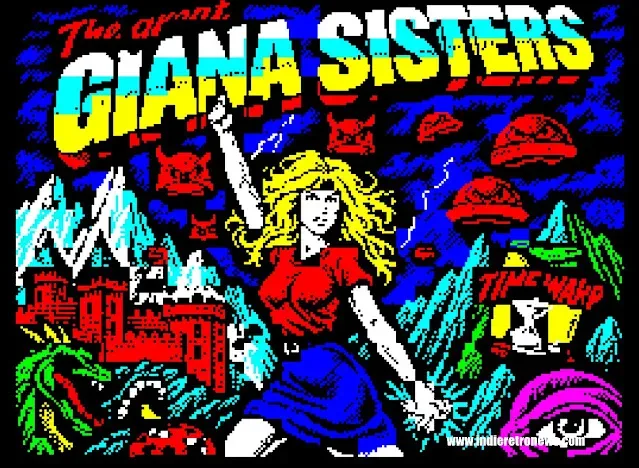
That is also why retro game discussion is most useful when it goes beyond scorekeeping. A classic game can be historically important because it solved a design problem, expanded an audience’s expectations, or gave later developers a new vocabulary. It does not need to remain untouchable or flawless to have made that contribution. For another example of the ongoing interest in older game ideas being revisited and adapted, see this look at an unofficial ZX Spectrum conversion of The Great Giana Sisters.
Why a remake changes the equation
The question around Ocarina of Time Remake is not whether a remake can be worth making. A recreation can offer an opportunity for players who missed the original, and it can renew attention around an influential game. It may also ask different kinds of craft questions: how to preserve what people remember, how to present an older work to a newer audience, and how to avoid changing the identity of the original while still making a meaningful release.
But those are preservation and reinterpretation questions as much as innovation questions. A remake is inherently in conversation with a known blueprint. That does not make it creatively empty; it means its achievements should be described accurately. If the original’s impact came partly from showing players a new kind of 3D adventure, no faithful recreation can reproduce the historical fact that audiences were seeing that framework for the first time.
This is the muddier part of the well-made-versus-interesting divide. A remake may be especially well-made because its creators understand the target they are trying to hit. The original already reveals which characters, locations, structure, and progression have endured. Meanwhile, the remake’s room to surprise can be constrained by the same fidelity that reassures fans.
So the most productive question is not whether the remake is “as innovative” as the 1998 game in a simplistic sense. It cannot occupy the same moment in the medium. The better question is what kind of value it offers now, and whether that value comes solely from high-quality reproduction or also from a distinct perspective on the game being revisited. Miyamoto’s comment gives players language to separate those ideas without dismissing either one.
Nintendo’s current balancing act
The present-day picture is not one-note. Nintendo’s Switch 2 era includes games such as Donkey Kong Bananza and Pokopia, both cited as examples of the company continuing to put forward new ideas. At the same time, the reception around Mario Kart World and Pokémon Legends Z-A has been more muted. The contrast does not prove a single sweeping rule about the company’s direction, but it does show why Miyamoto’s 1996 concern still resonates.
No publisher can be expected to repeat a late-1990s run indefinitely. Development conditions, audience expectations, platforms, and the scale of games have all changed over three decades. A company also has to serve multiple kinds of players at once: people seeking a fresh experiment, people returning to long-running series, and people who want a familiar game to be executed exceptionally well.
Yet this is exactly where Miyamoto’s formulation retains its bite. “Well-made” is not an insult, and “interesting” is not permission for unfocused design. The aspiration is a game that earns both descriptions. Technical excellence should help an unexpected idea come through more clearly, rather than replacing it. Innovation should give execution something meaningful to support.
Ocarina of Time remains such a useful reference point because it is associated with both sides of that ambition. Its remake, meanwhile, turns the old lesson into a contemporary debate. Recreating a classic at a high level is one challenge. Finding the next idea that feels indispensable rather than merely immaculate is another. Nintendo’s own history suggests it understands the difference; the harder task, as ever, is making the two meet.