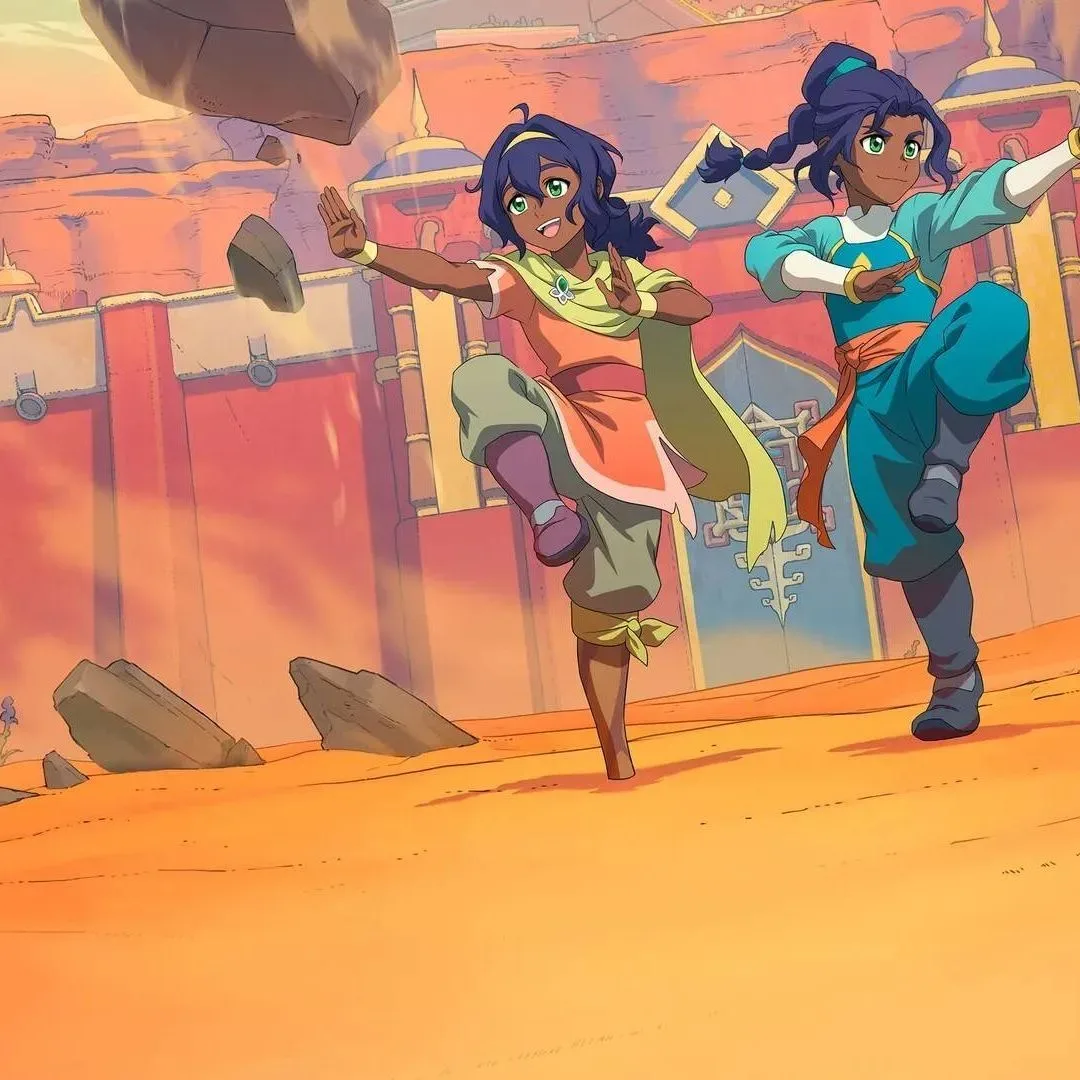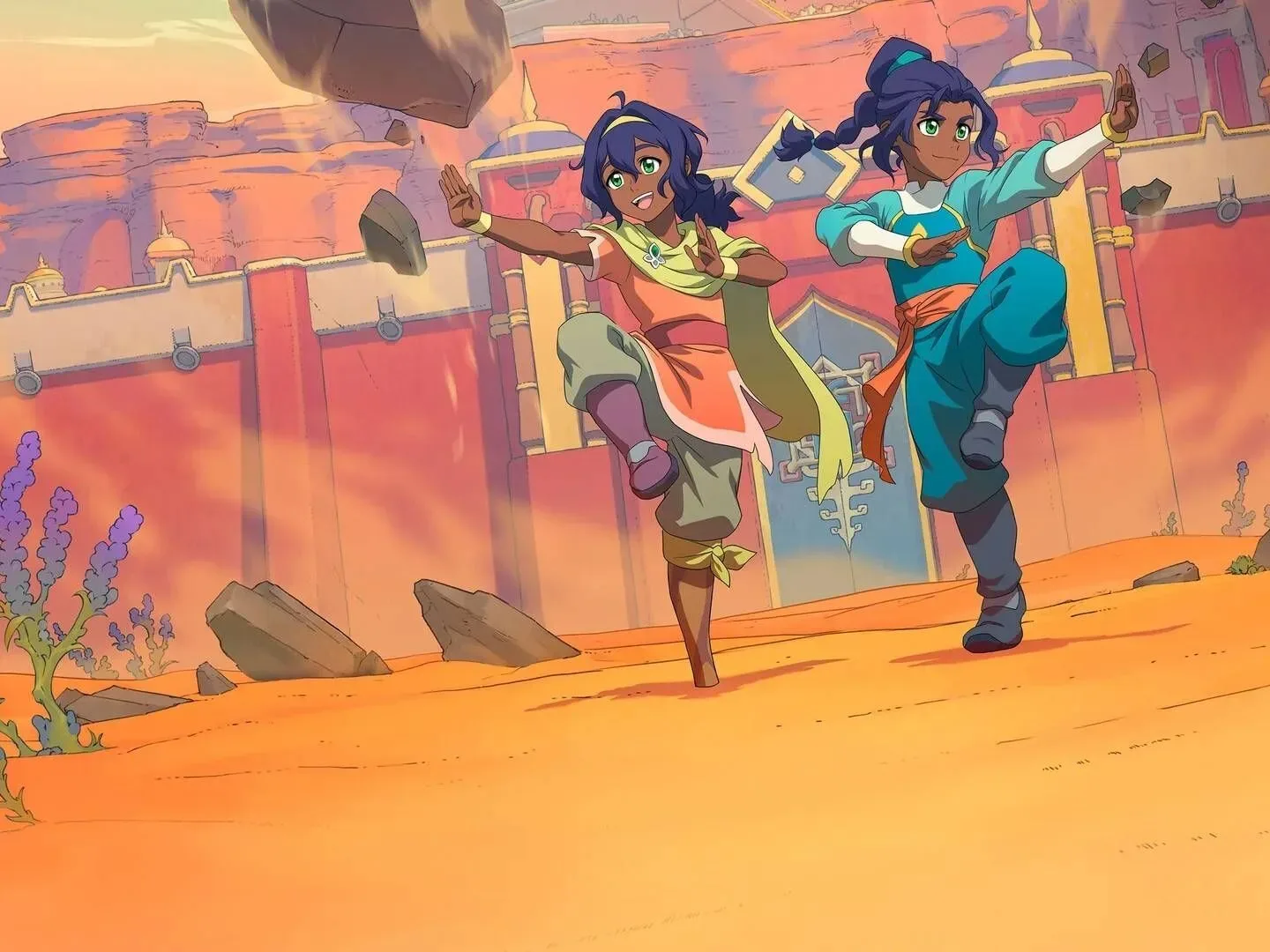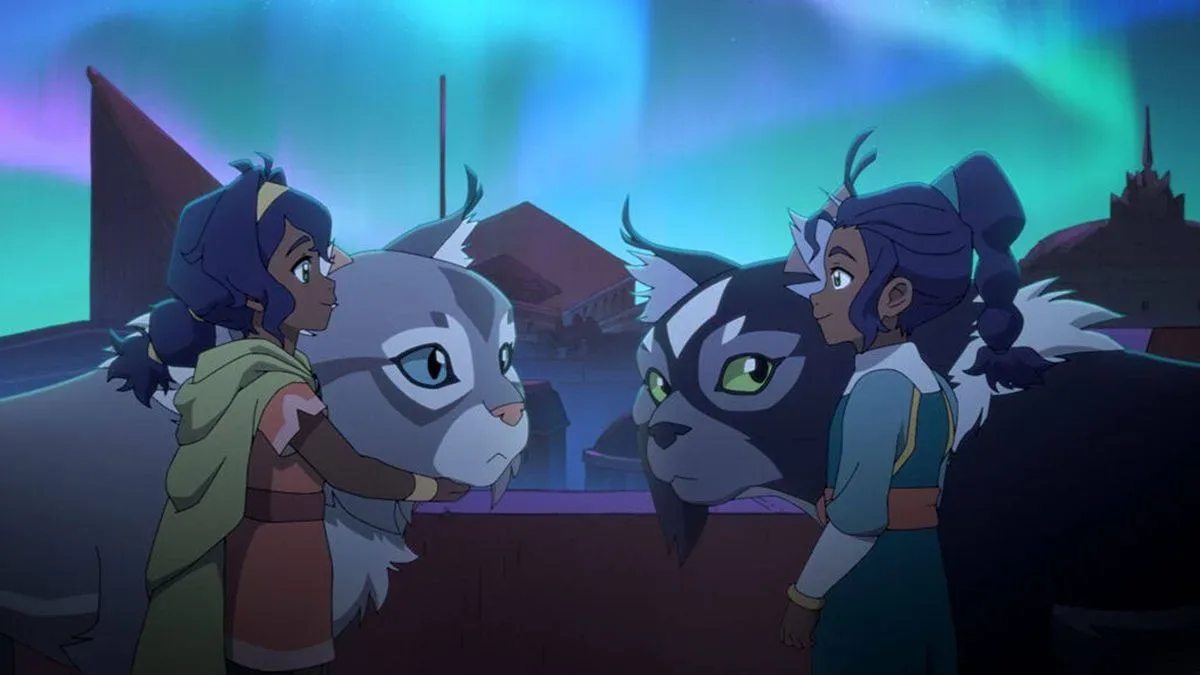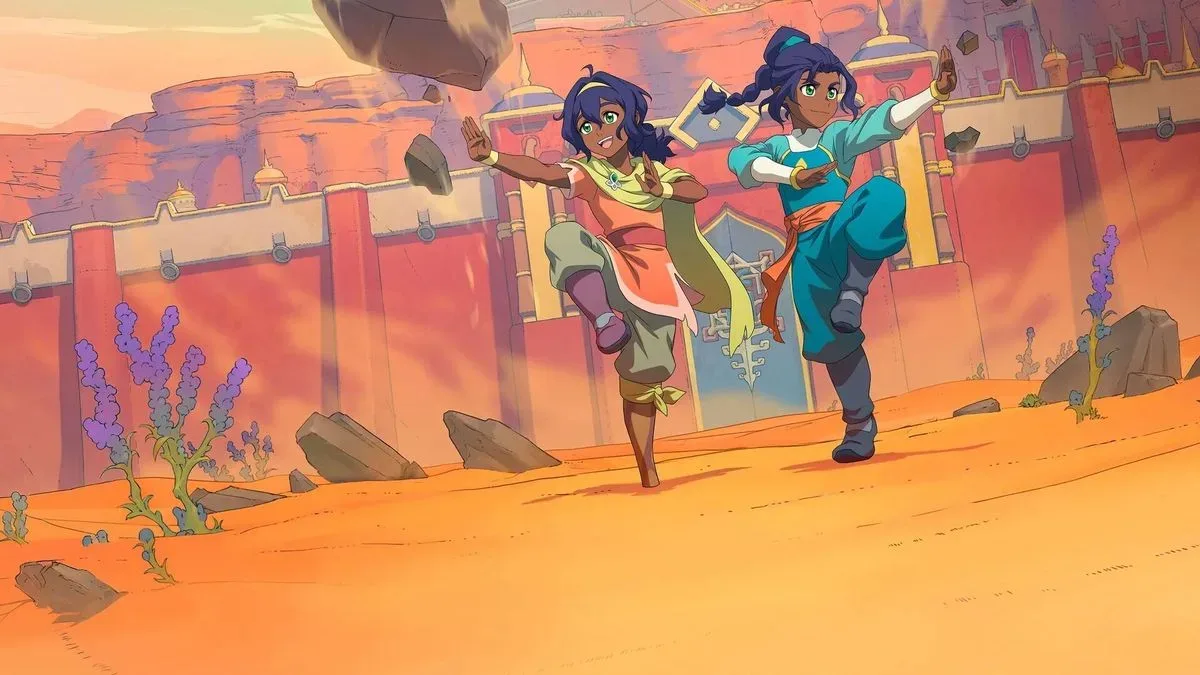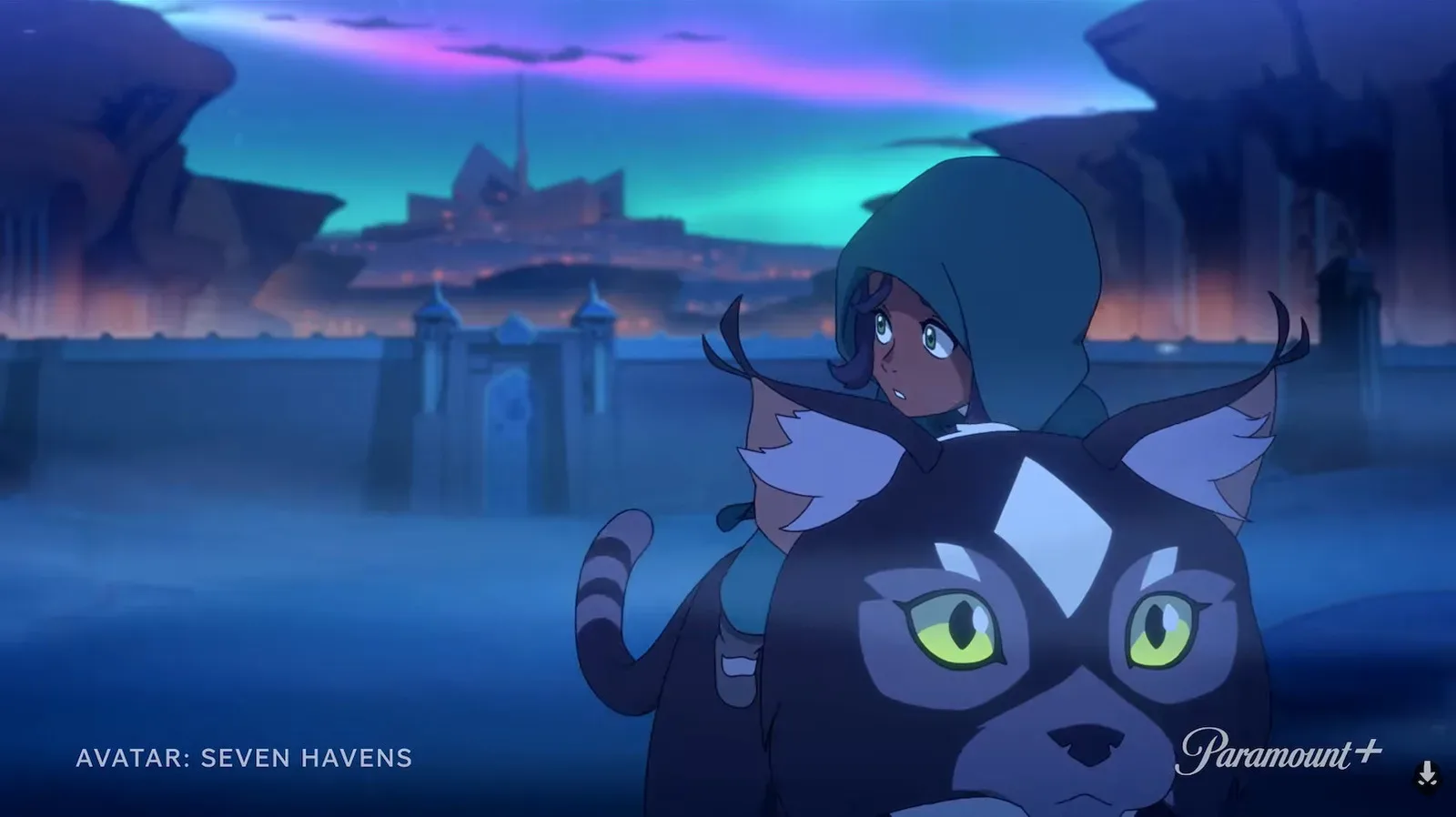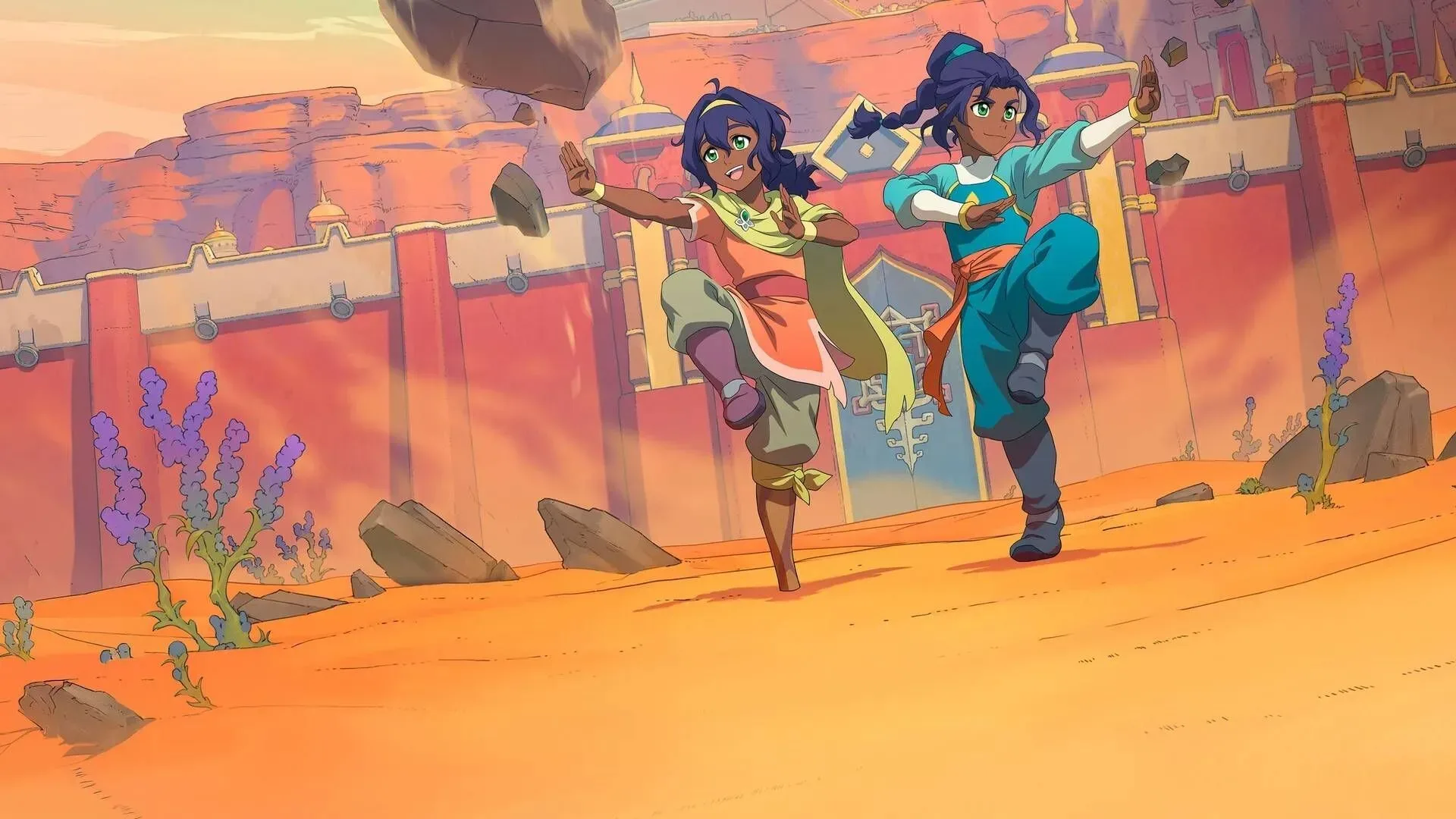
Avatar: Seven Havens has barely begun its first book, but its destination is already much clearer than the usual renewal-by-renewal television journey. The animated sequel series has been confirmed to continue through books three and four, while co-creator Michael DiMartino and writer/co-executive producer Sehaj Sethi say the team conceived it as one large story with a known endpoint. Book one is a 13-episode season currently airing on Paramount Plus, with new episodes scheduled each Friday.
That is significant because a multi-season plan is not simply a promise that more episodes are coming. It is a creative framework: writers can establish details early with a later payoff in mind, build character decisions into longer arcs, and work toward an intended conclusion instead of creating a fresh ending each time a new order arrives. The team says books three and four had already been in development for some time when their continuation became public.
A return to the franchise’s long-form storytelling model
DiMartino describes Seven Havens as being designed with a clear ending, in a manner closer to Avatar: The Last Airbender. That earlier series was built as a three-season story from the outset. In practical terms, a plan of that kind gives a production an overall narrative route before it begins filling in the individual turns: where its central conflict is headed, which changes matter for its characters, and what an ending needs to resolve.
“When we came back to do the movie [Avatar: Aang] and these shows, we went back to what we're naturally drawn to,” DiMartino said, characterizing that preference as an epic story told over multiple seasons.
The contrast is The Legend of Korra, which was initially conceived as a self-contained, one-season story before eventually running for four seasons. A self-contained first season has obvious benefits. It can offer viewers a satisfying stopping point if no additional episodes are ordered. But an expansion after the fact can require a creative team to extend a world and its characters beyond an ending that was originally intended to be complete.
Seven Havens does not eliminate the normal realities of television production; release plans and renewals still matter. What its team is describing is a different way of handling uncertainty. Rather than changing the intended destination to match a possible one-, two-, or four-book run, the creators had a destination in mind and were working toward it. That does not reveal story details from the future books, but it establishes the scale of the intended narrative.
What “books” mean for the series
The use of “book” here functions as the series’ label for a season. Book one is 13 episodes, while books three and four are the newly confirmed future installments. Book two has not received a release date.
For viewers, the terminology also signals that the seasons are meant to be chapters of one larger work rather than interchangeable batches of episodes. A book can have its own momentum and internal resolution while still advancing a broader plot. That structure is particularly useful in animation, where building a setting, evolving character designs and staging action can take substantial lead time.
Sethi said the team’s approach is to identify the story and its ending, then write toward that target. The key distinction is not that every detail is permanently fixed years in advance; creative work can evolve in production. Instead, it is that the series has a defined narrative purpose beyond the current season. The stated plan gives the writers room to make early material meaningful later without treating every book as an emergency finish line.
Why an endpoint matters
An endpoint is the planned conclusion of the central story. It is not necessarily a list of every scene or a guarantee that every production choice will remain unchanged. It is the answer to the bigger question: what is this series ultimately trying to say and where are its major characters and conflicts meant to land?
Knowing that answer early can help a serialized show in several ways:
- Setup and payoff: Early events can be planted with later developments in view, rather than retrofitted after the fact.
- Character continuity: Writers can shape major choices around longer-term changes instead of repeatedly resetting a character for a new arc.
- Pacing: The story can distribute revelations, turning points and resolutions across its planned length.
- Production coordination: Animation teams can work with a better sense of which places, characters and moments will continue to matter in later books.
None of that automatically makes a series successful; a plan is only as effective as its execution. It does, however, set an expectation that Seven Havens is pursuing cumulative storytelling. With book one only a few episodes into its run, the renewal through book four also means viewers can approach its opening material with more confidence that the show will have runway to develop what it introduces.
Animation’s long lead time could help narrow the gap
One open question is when book two will arrive. No date has been announced, and DiMartino cautioned that he did not know precisely how the releases would be scheduled. Still, he indicated that the wait may not be especially long.
The reason is the production timeline. Animation takes a long time to complete, but Seven Havens began work roughly three to four years ago, according to DiMartino. As a result, a substantial number of episodes have already been completed.
That captures the tradeoff at the center of animated series production. The process demands patience before viewers see the finished result, as episodes require extensive work before release. Yet starting far ahead can provide a cushion once a show reaches the public. A production that already has completed episodes is not necessarily ready to disclose dates, but it has more material in hand than a show beginning its next season only after its prior one airs.
It is important not to turn that into a schedule promise. The only firm current programming detail is that the 13-episode first book is airing weekly on Paramount Plus. Book two’s arrival remains unknown, and the rollout for later books has not been detailed. “You will not have to wait that long,” DiMartino said, but viewers should treat that as an encouraging indication rather than a replacement for an announced premiere date.
Four books gives the new series unusual early certainty
A four-book commitment is notable at this stage because it changes the conversation around the opening season. Instead of wondering whether book one must wrap up every major idea in case it is the last, audiences can focus on what the show is putting in motion. The creators have said they knew what they wanted the full story to say from the beginning, and the production on books three and four is already underway.
That does not mean every question will be answered immediately, nor should it. A multi-season narrative needs room for escalation and discovery. But it does mean Seven Havens has been given the chance to follow the long-form model its team intended, with a planned endpoint rather than a story assembled solely in response to subsequent renewals.
For a wider look at how television franchises navigate changing streaming strategies, see our coverage of Marvel Television’s evolving Disney+ slate.
For now, the immediate focus remains book one: 13 episodes, released Fridays on Paramount Plus. The larger picture is already in place. Avatar: Seven Havens is not being presented as a short trial run that might become something bigger; its team is building it as a four-book journey designed to reach an ending they have had in sight all along.