Hideo Kojima has added an unexpectedly musical credit to his long list of screen appearances. The game creator voices a small role in Prelude to The End, My Chemical Romance’s new animated short made with director Lauren Tsai.
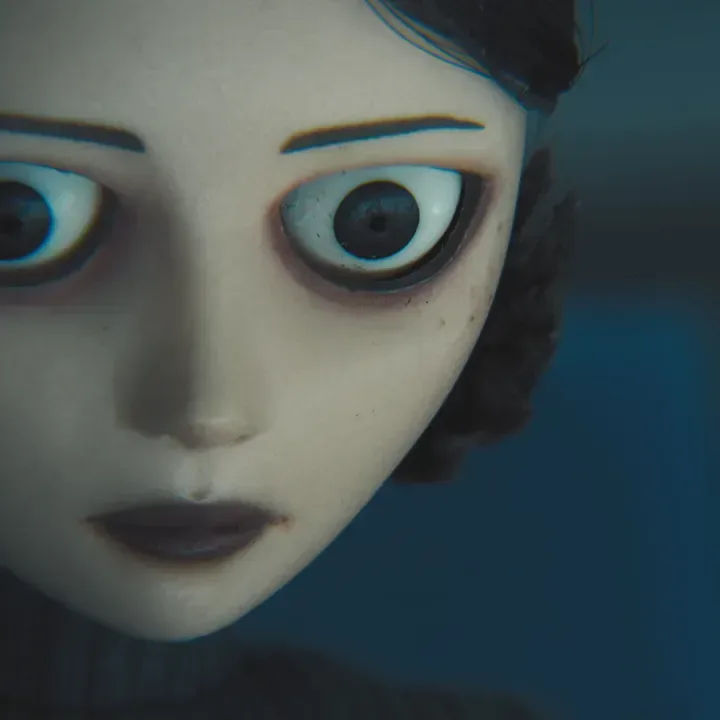
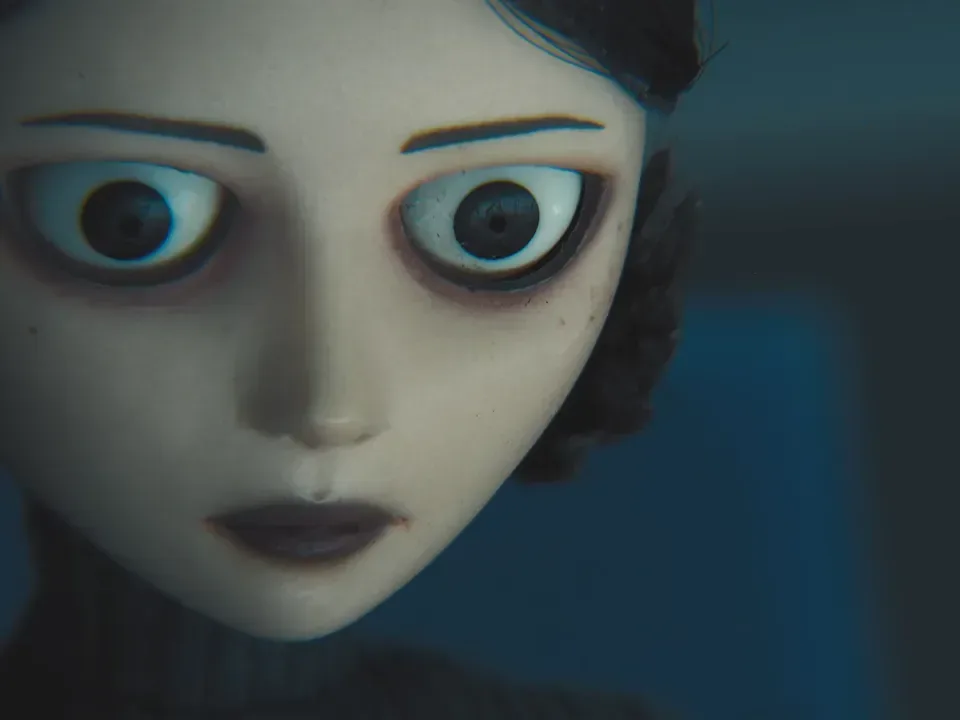
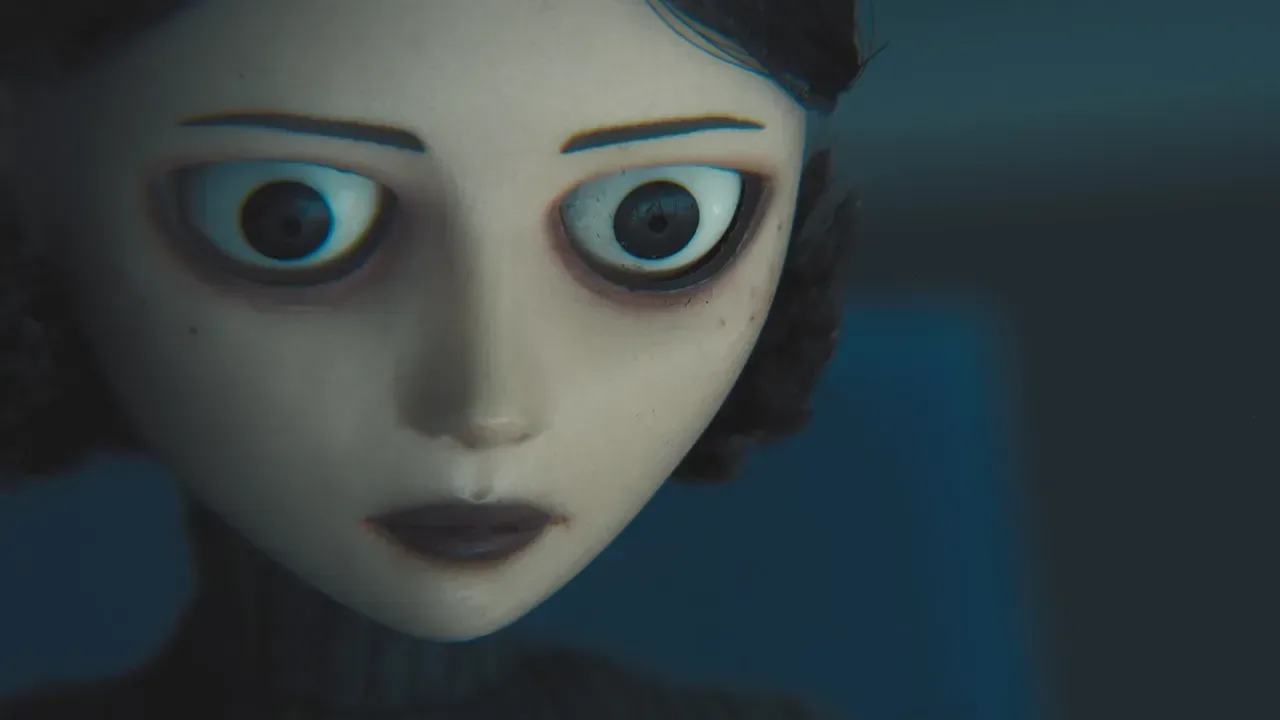
The seven-and-a-half-minute film is a stop-motion dark fairy tale based on Tsai’s The Dying World. It also serves as a 20th-anniversary music video for “The End.”, the opening song from My Chemical Romance’s The Black Parade. Kojima is credited as The Teacher, appearing in one of protagonist Astrid’s missed voicemails rather than as an on-screen character.
It is a compact part, but a notably specific one. Astrid retreats to her room and checks her messages, including a third voicemail from her teacher. Kojima’s character begins to chastise her for late Japanese homework before the recording cuts short: “Astrid, your Japanese homework is late again. This is unacceptab—”
The interruption is the entire joke and the entirety of the performance. Yet in a film built around a mysterious, unsettling fairy-tale mood, the mundane irritation of overdue work gives the cameo a small narrative purpose. It is not merely a recognizable voice dropped into the credits. The message helps establish Astrid’s everyday pressures inside the short’s heightened world.
A cameo that fits Kojima’s creative persona
Kojima’s appearance may be surprising, but it is not disconnected from the public creative interests he has shared over the years. He is closely associated with games, especially the Metal Gear Solid series and Death Stranding, while also frequently discussing films, music and other cultural work. The My Chemical Romance role places him in an animated music project rather than a game, but it follows the cross-media curiosity that has long surrounded his work.
He is also no stranger to the cameo itself. The Metal Gear Solid games included instances of Kojima appearing in fourth-wall-breaking fashion. A fourth-wall break is a moment when a work acknowledges its audience, its fictional status, or the presence of its makers rather than maintaining the illusion that its world is fully self-contained. It can turn an authorial appearance into a playful signal for devoted fans.
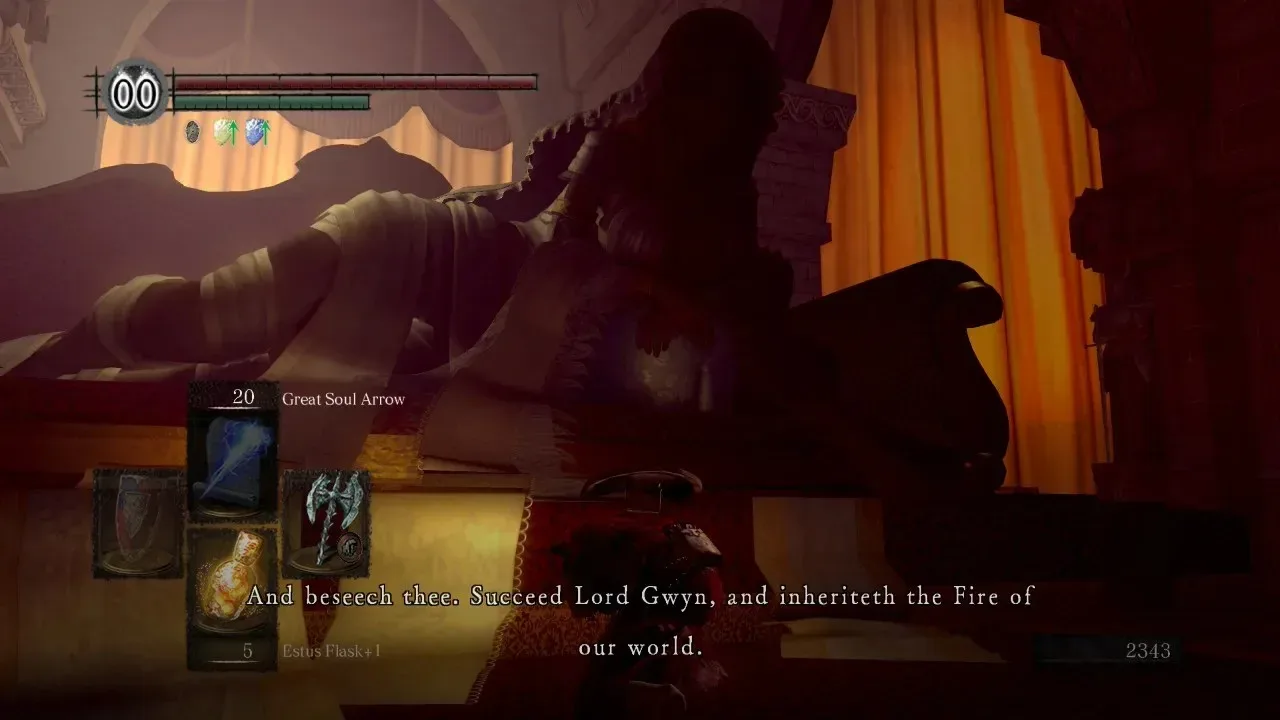
His more recent appearances extend beyond that history. Kojima had a role in Cyberpunk 2077 and later reprised it in Cyberpunk: Edgerunners 2. The voice-only role in Prelude to The End works differently: listeners may recognize him, but the short lets the character function first as an off-screen authority figure in Astrid’s life.
That distinction matters. Celebrity cameos can pull attention away from a story when they demand recognition above all else. Here, the presentation makes the reference optional. Someone who knows Kojima gets the extra thrill of hearing him in an unlikely setting; someone who does not can simply hear a stern teacher on a voicemail. It is a restrained use of a well-known guest.
Related coverage includes Hideo Kojima Voices a Surprise Role in My Chemical Romance's New Animated Short.
Why My Chemical Romance is a natural destination
The collaboration has personal context. Kojima has publicly expressed his enthusiasm for My Chemical Romance’s music and merchandise, and he attended one of the band’s concerts in 2022. In the days before the short arrived, he also mentioned acquiring the 20th Anniversary Edition of The Black Parade on vinyl, which in retrospect functioned as a quiet hint that he was involved.
That fan connection gives the cameo a different texture from a routine promotional appearance. Nothing about the brief voicemail establishes how the partnership came together, and the short does not need that backstory to work. Still, Kojima’s documented affection for the group makes the collaboration feel like a meeting of adjacent artistic sensibilities: theatrical music, eerie imagery, animation and the kind of dense, referential detail that rewards close attention.
The Black Parade is specifically important to the project rather than just supplying a recognizable song. “The End.” is its opening track, and Prelude to The End uses that song as the basis for a new visual interpretation. The title suggests a beginning before a conclusion, which suits a short that frames a dark tale through a character’s personal messages and home life.
Stop-motion is central to that presentation. Unlike conventional animation, stop-motion creates motion by photographing physical objects or figures in small, incremental adjustments. The result often carries a tangible, slightly uncanny quality because the viewer can sense the material presence of the constructed world. That quality is especially compatible with a dark fairy-tale approach, where familiar spaces and objects can feel strange without needing realism.
Three high-profile voices in Astrid’s inbox
Kojima is not the sole notable name embedded in Astrid’s missed calls. Phoebe Bridgers and Billie Eilish are also included among the voicemail credits. Their involvement turns a simple story device into a compact roll call of musicians and creators whose voices appear only briefly.
The choice of voicemails is an efficient storytelling mechanism. Rather than stopping the film for cameos, it keeps the guests at the edge of the protagonist’s perspective. Missed calls communicate absence, expectation and concern; they also give the creators room to populate Astrid’s world with different relationships without requiring every person to enter the frame.
For viewers, the credits may encourage a second look or listen. That is one of the pleasures of a short-form animated work with a dense creative roster: its surface story can be consumed in a single sitting, while the details invite closer attention afterward. Kojima’s voice is a particularly unusual detail because it connects a major game creator to a band whose theatrical rock identity has reached across generations of listeners.
What it says about game creators beyond games
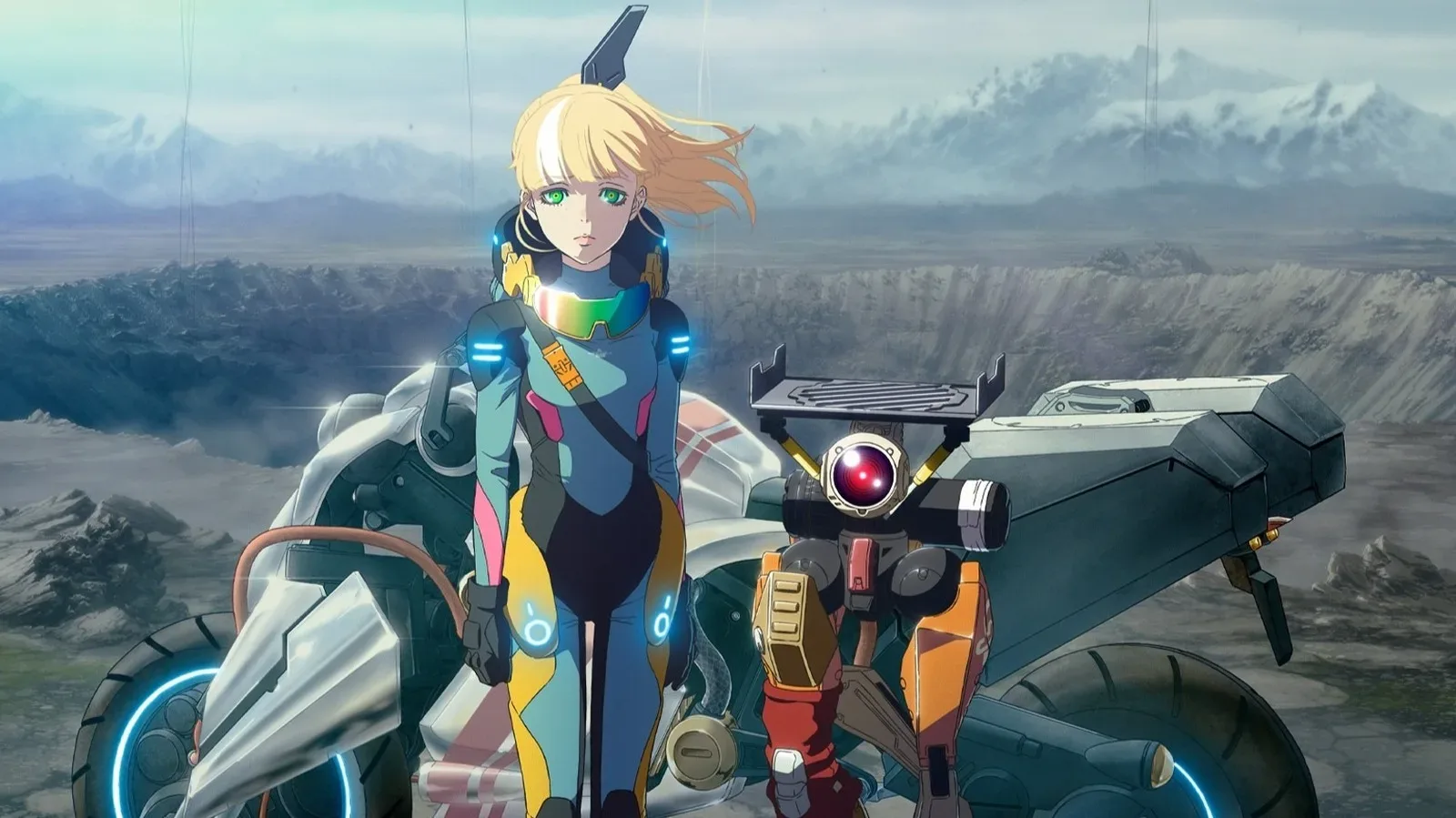
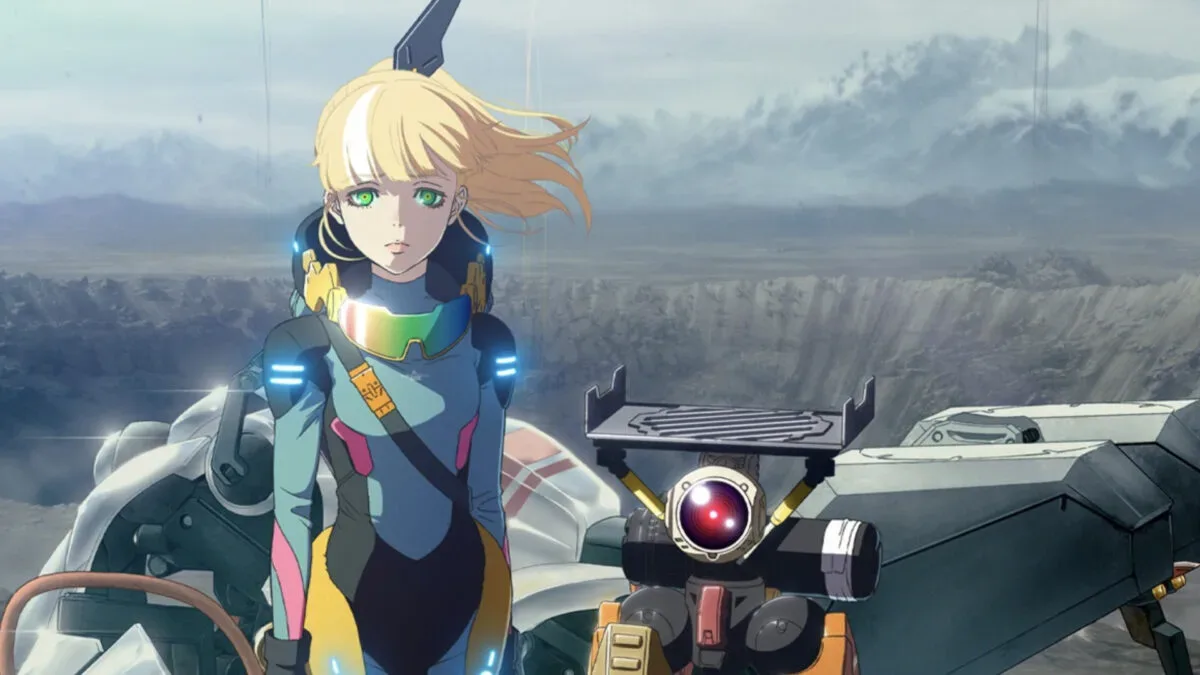
The larger takeaway is not that Kojima is leaving games for music videos. His ongoing work includes OD and Physint, while the first trailer for anime spinoff series Death Stranding Isolations has also been released. He is additionally expected to make a live-action cameo, though the project has not been revealed.
Instead, Prelude to The End illustrates how recognizable game creators can participate in culture as collaborators, performers and fans without every appearance being tied to a new game announcement. In Kojima’s case, that is especially visible because his games have often drawn on film language, music and celebrity performances. A voice role in an animated short is therefore a small but coherent extension of an already broad creative orbit.
It also reflects a more open boundary between game culture and other pop-cultural spaces. A stop-motion music video can feature a game auteur alongside major recording artists, and the cameo does not require the short to become a gaming tie-in. The game connection is carried by Kojima’s presence; the work itself remains a My Chemical Romance and Lauren Tsai project built around music, animation and Astrid’s story.
That kind of crossover is often strongest when it does not over-explain itself. Kojima’s Teacher is heard for only a fragment, and the fragment is appropriately human-scale: a teacher frustrated with overdue homework. The appearance is more memorable precisely because it avoids turning a seven-and-a-half-minute fairy tale into a prolonged guest-star spectacle.
For fans who enjoy creative works that let a tiny interruption alter the feeling of an entire scene, the appeal is easy to understand. Small moments of uncertainty can carry outsized weight in games too, and Prelude to The End uses a cut-off voicemail in much the same spirit: a fleeting, unresolved detail that makes Astrid’s world feel wider than the frame.
Kojima’s appearance is brief, but it has already become one of the short’s most distinctive credits. In a project designed as a dark, handmade visual companion to “The End.”, The Teacher’s truncated complaint is a fittingly odd signal from a creator who has made an art of leaving audiences with details to decode.