Minor Dark Souls spoilers follow for the Anor Londo section.
There is a particular kind of dread that only Dark Souls can create: not the dread of a gigantic enemy winding up a hammer, or a narrow ledge above a fatal drop, but the dread of being treated too nicely.
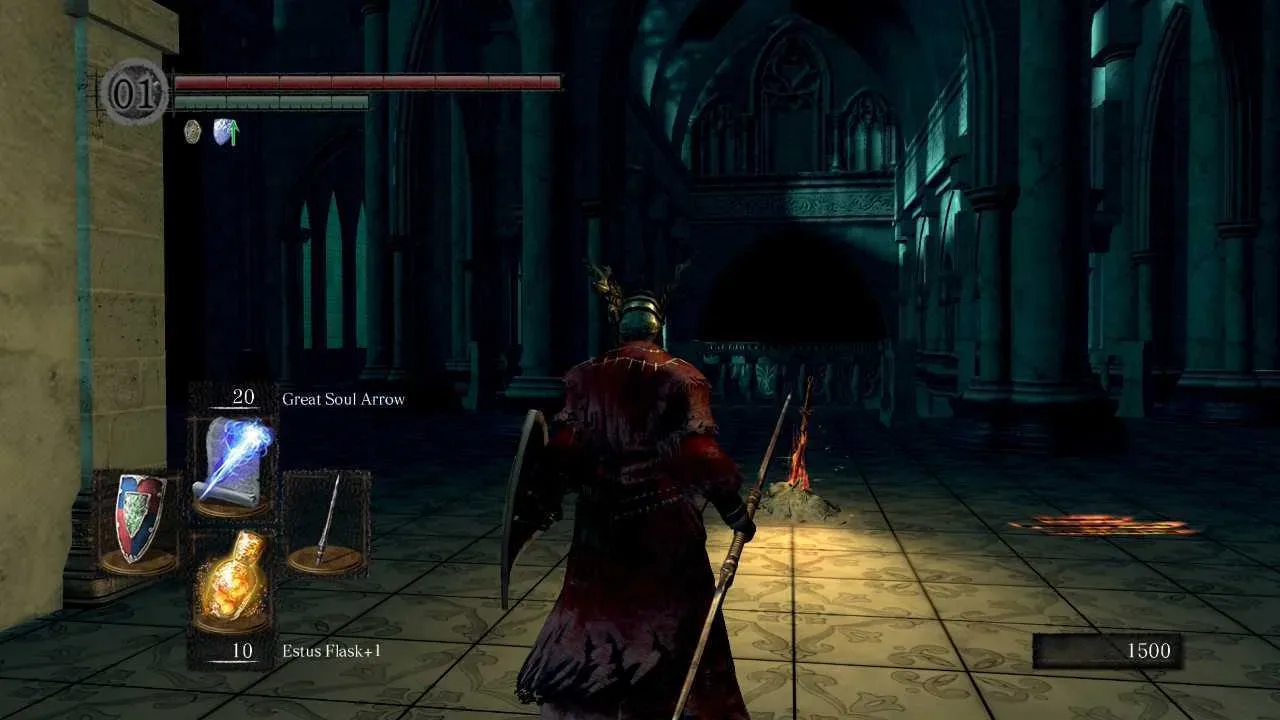
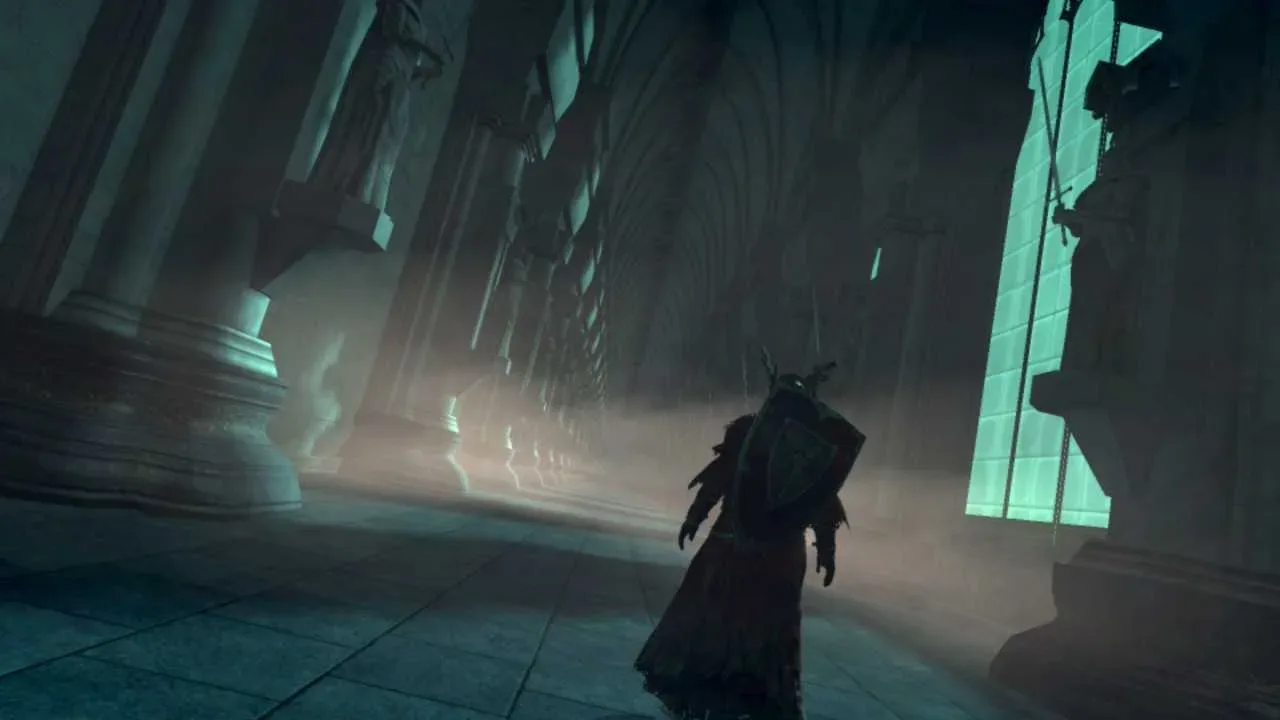
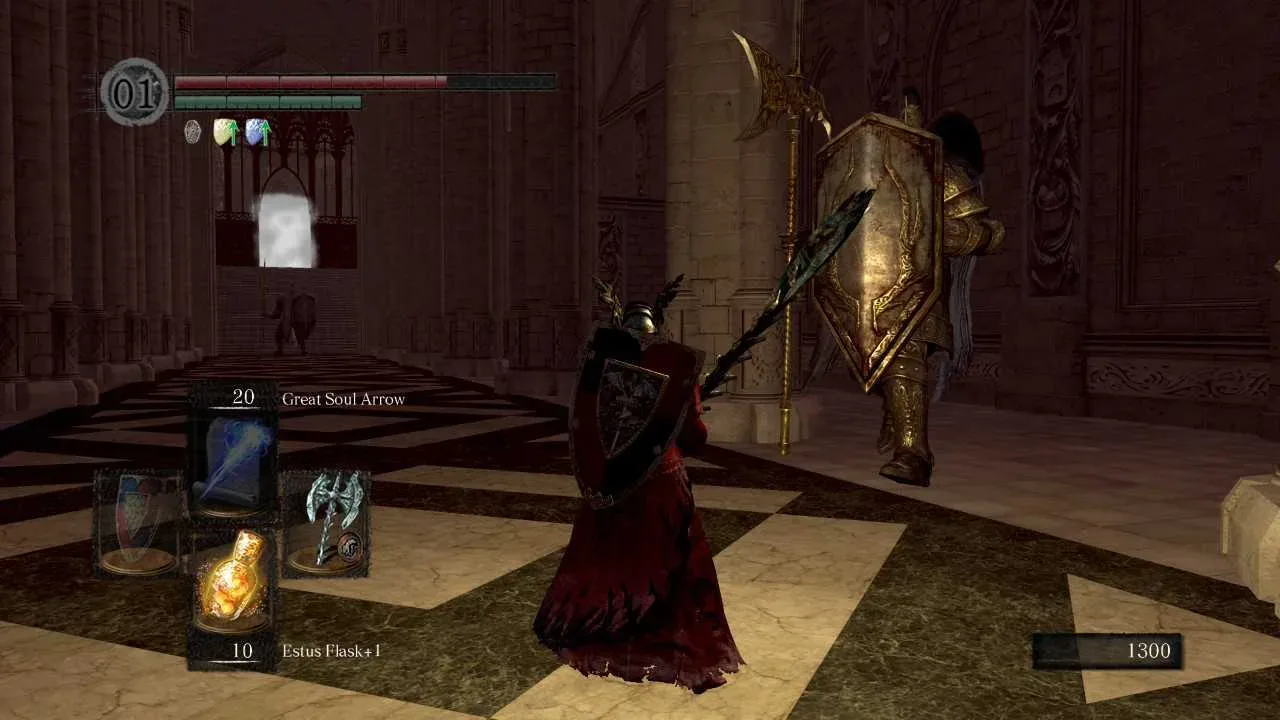
After Ornstein and Smough, Anor Londo appears to offer exactly the kind of payoff a battered player has earned. The fight is a notorious wall. Getting there means surviving the city’s traps, hostile silver knights, and the long approach to a battle against two formidable opponents. The game has spent plenty of time making the player feel small, unwelcome, and one mistimed dodge away from disaster. Then, suddenly, it offers gold light, ceremonial grandeur, praise, and a clear next step.
That abrupt warmth is precisely what makes the moment unsettling.
For more context, explore Rocket Williams Shares Beat Previews, With a North West Tag Raising Collaboration Questions.
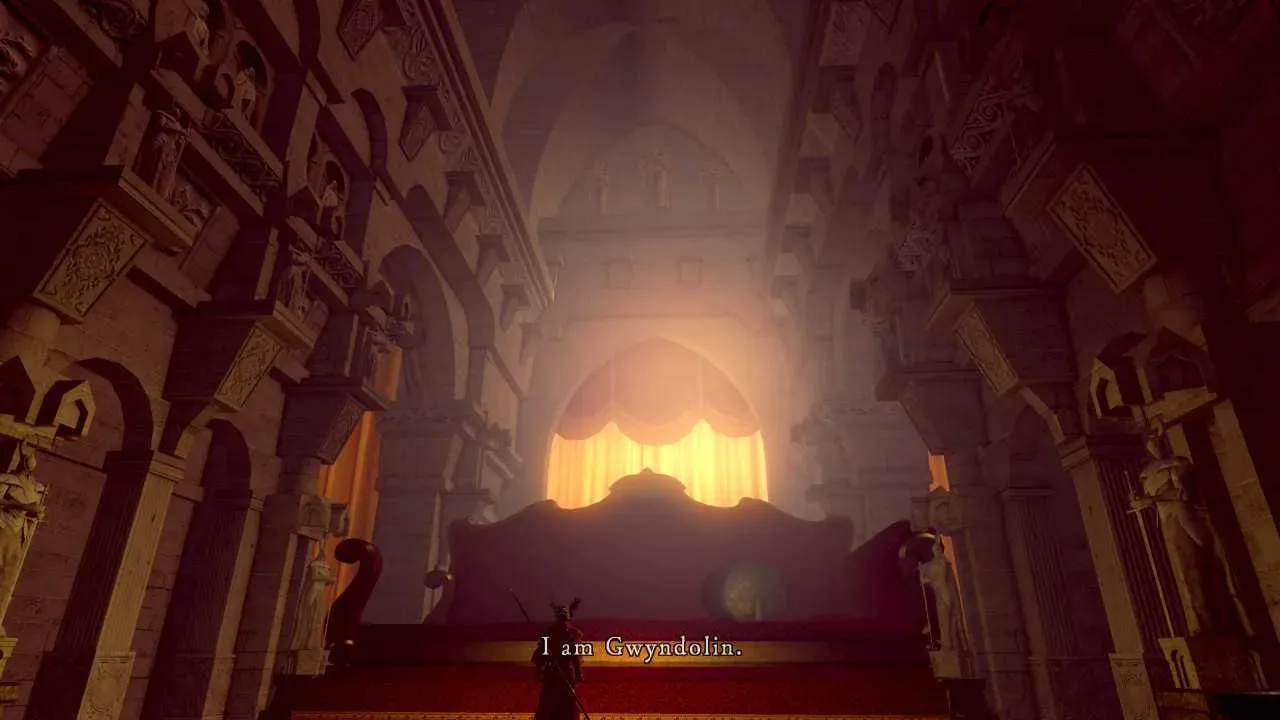
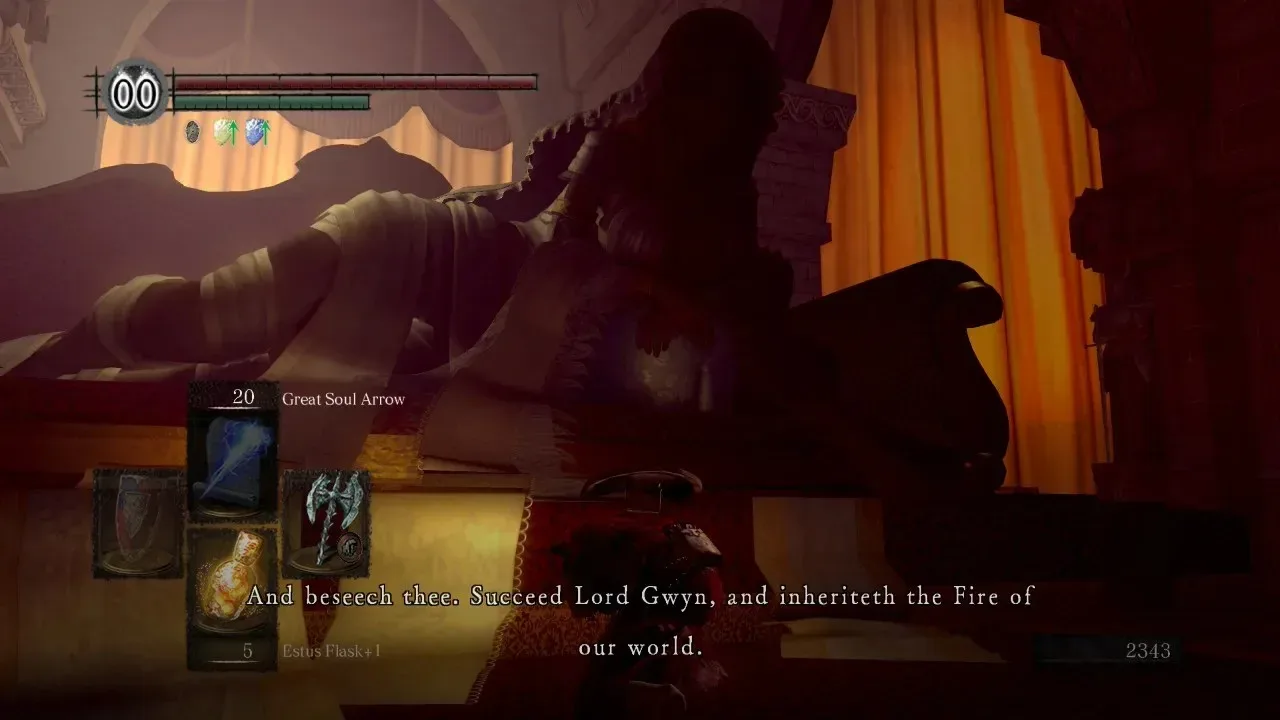
Upstairs, Gwynevere, the Princess of Sunlight, gives the Chosen Undead the Lordvessel and sends them onward with blessings. The presentation has the vocabulary of a traditional heroic reward: an elevated chamber, an apparently divine benefactor, encouragement for the quest, and triumphant music in a game that often lets ambience and combat sounds do the heavy lifting.
On paper, none of that is suspicious. In practice, it is suspicious because the player has learned Dark Souls’ language. Its world rarely provides information plainly. Characters can be kind without being fully transparent; directions can be technically useful without resolving larger questions; and apparent progress often opens a new layer of uncertainty instead of closing the book on the last one.
Why the room feels wrong before anything happens
Dark Souls tells much of its story indirectly. Players gather fragments from limited dialogue, environmental details, item descriptions, and the placement of people and places. This approach is often called environmental storytelling: narrative meaning conveyed through the design and condition of the world rather than delivered through a lengthy explanation. It does not necessarily mean every room contains a secret, but it trains players to look for gaps between what they are told and what they see.
Anor Londo is a compelling test of that learned suspicion. The player has followed instructions that produced concrete results. Ring bells, and a path opens. Pursue the Lordvessel, and the path leads to it. Most major foes encountered along the way are visibly dangerous. Meanwhile, the people giving directions may sound helpful, even benevolent. There is no simple, immediate reason to reject the quest.
Yet the reward scene’s polished certainty can feel out of place. The contrast is doing narrative work. The player does not need a dossier of lore to register it. A game full of decay, hostile architecture, silence, and hard-won survival has suddenly staged something close to a coronation. The instinctive question becomes: why now?
That question matters more than having an instant answer. A first-time player who recognizes that the scene feels unusually bright and reassuring has already begun participating in the game’s central habit of interpretation. Dark Souls does not merely ask players to react quickly. It asks them to decide when a detail deserves distrust.
A player message turns doubt into an action
The most effective nudge in this situation is not a formal quest marker or a lore lecture. It is a player message suggesting an attack. Dark Souls’ asynchronous messages—short notes left by other players for others to read—are a remarkable piece of social design. They can provide genuine help, crude jokes, misdirection, warnings, and nudges toward curiosity. Usually, the player must decide whether a message is useful, malicious, or simply funny.
Near Gwynevere, that ambiguity becomes potent. A message proposing violence is not a command. It is an invitation to violate the ordinary etiquette that games teach us: do not strike a seemingly harmless non-player character, especially one who has just rewarded you.
That is a much more interesting prompt than a simple binary menu asking whether the player trusts a character. The game’s interaction model turns the decision physical. The player must equip a weapon or use an attack, aim, and commit. There is no reassuring dialogue-wheel label such as “question her motives” or “make a dark choice.” There is only an action that feels irreversible because the player is performing it, rather than selecting it from a protected interface.
In games, this is one reason player agency can feel strongest when the available choice is uncomfortable. Player agency is the sense that a player’s actions have meaningful authorship and consequences. It does not require endless options. A single option can carry enormous weight if the game has made players understand the social and moral assumptions they are breaking by taking it.
For players who habitually protect friendly NPCs, the pressure is sharper still. Many people will take morally gray routes, but draw a firm line at unprovoked attacks on characters who seem innocent. That tendency is not a failure to engage with a game’s systems. It is evidence that the game’s world has earned a degree of emotional belief. Accidentally hitting a helpful character can produce an immediate reload; deliberately attacking one can feel like crossing a boundary that exists outside mechanics.
Dark Souls turns suspicion into its own kind of challenge
Ornstein and Smough test execution: managing spacing, recognizing attacks, dealing damage, and recovering from mistakes. The Gwynevere scene tests something else. It tests whether the player will trust their own discomfort in the absence of certainty.
That distinction is important. Challenging games are frequently discussed through difficulty, boss design, and punishment. But uncertainty can be just as demanding. A player may be capable of winning a difficult fight yet freeze at a decision whose consequences they do not understand. The fear is not losing health or Souls. It is ruining an unknown possibility, locking off an outcome, or doing something cruel based on an intuition that might be wrong.
The uncertainty is also why avoiding detailed advance knowledge can make a first playthrough so rewarding. A guide can explain quest triggers, character routes, boss access, and optimal sequence. Those tools have real value, particularly for players who want to see specific outcomes or who do not have time to repeat large sections. But an exhaustive guide also changes the texture of a moment like this. The choice becomes an optimization problem rather than an act of personal judgment.
There is no universally correct way to play. Some players will want to preserve every possible quest outcome. Others will embrace a blind run in which missed encounters and imperfect decisions become part of their personal version of Lordran. The latter approach treats the first playthrough less like a checklist and more like a record of attention: what did the player notice, whom did they trust, and what risks did they take?
That is especially fitting for a game in which perfection can feel unreachable. The desire to save Solaire, locate Siegmeyer, understand every faction, and make every “right” decision is understandable. Yet Dark Souls continually resists the idea that a player can cleanly control every thread without outside knowledge. Its world keeps moving, and its stories can be partial, missed, or misunderstood.
The lights going out is not just a gag
Attacking Gwynevere produces the immediate, electrifying payoff implied by the uneasy setup: Anor Londo’s radiant façade is disrupted, and the lights go out. The appeal is not merely that a hidden reaction exists. It is that the reaction validates the player’s suspicion at the exact scale the scene demands.
A smaller response—a line of angry dialogue or a trivial item—would not have carried the same force. The bright city has been part of the scene’s argument. It supplied visual reassurance, grandeur, and a sense that the player had arrived at something sacred. Altering that presentation makes the choice legible through the environment itself.
This is a useful example of diegetic feedback, meaning feedback delivered as part of the game world rather than through a detached notification. Instead of a large text box spelling out that the player has uncovered something consequential, the world’s altered state communicates it. The player sees that their perception of Anor Londo—and perhaps their relationship to the institutions guiding them—needs to be reconsidered.
The moment also demonstrates why secrets are at their best when they deepen a theme rather than simply reward exhaustive searching. The player is not being asked only to locate a hidden switch. They are asked to challenge a scene that has been designed to make challenge feel impolite, reckless, or evil. The secret has thematic relevance because its discovery comes from distrusting the very image of safety the game presents.
What a blind playthrough gains by accepting imperfection
There is an understandable urge to stop at every crossroads and look up the answer. In a game as opaque as Dark Souls, outside knowledge can protect a beloved NPC, prevent a failed quest step, or clarify a system that the game barely explains. It can also turn a frightening decision into a known quantity.
But leaving some questions unanswered creates room for stories that cannot be replicated once the full structure is known. The player who hesitates for days over whether to attack Gwynevere is not simply missing information. They are experiencing the scene as a live moral and interpretive problem. The eventual decision belongs to them because it was made amid uncertainty, not after reading an ideal route.
That does not make the decision morally admirable or mechanically optimal. It makes it memorable. In a world where so much is conveyed through implication, the player’s willingness to act on a feeling of wrongness becomes part of the narrative.
Dark Souls has plenty of overt tests: boss arenas, lethal ledges, ambushes, and resource management. Anor Londo’s brightest chamber offers a quieter test. Can a player recognize when the reward music sounds too triumphant? Can they accept the possibility that kindness may be incomplete? And, most difficult of all, can they risk being wrong?
When the answer is a single arrow, swing, or spell—and the city’s glow disappears—the game makes that uncertainty feel like victory.