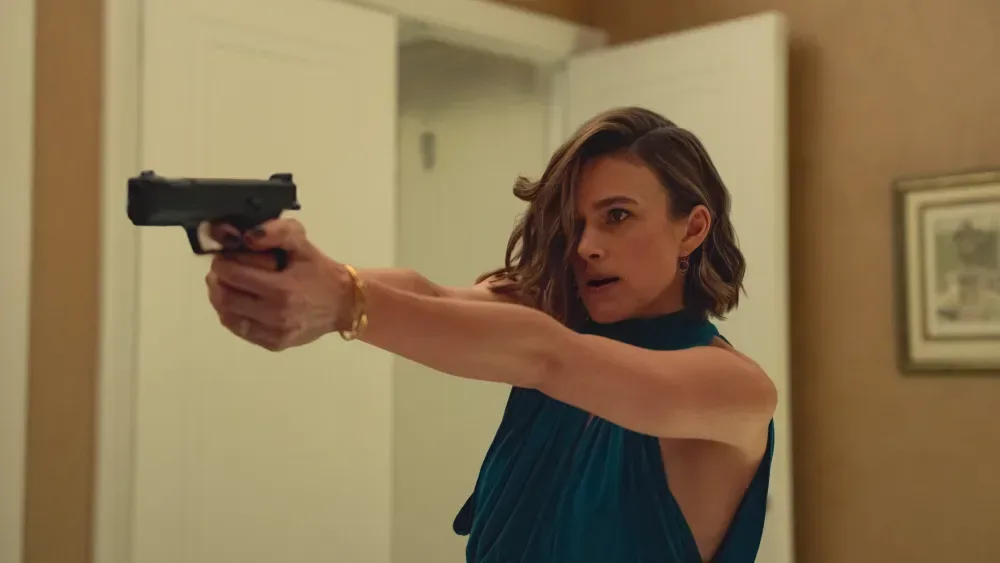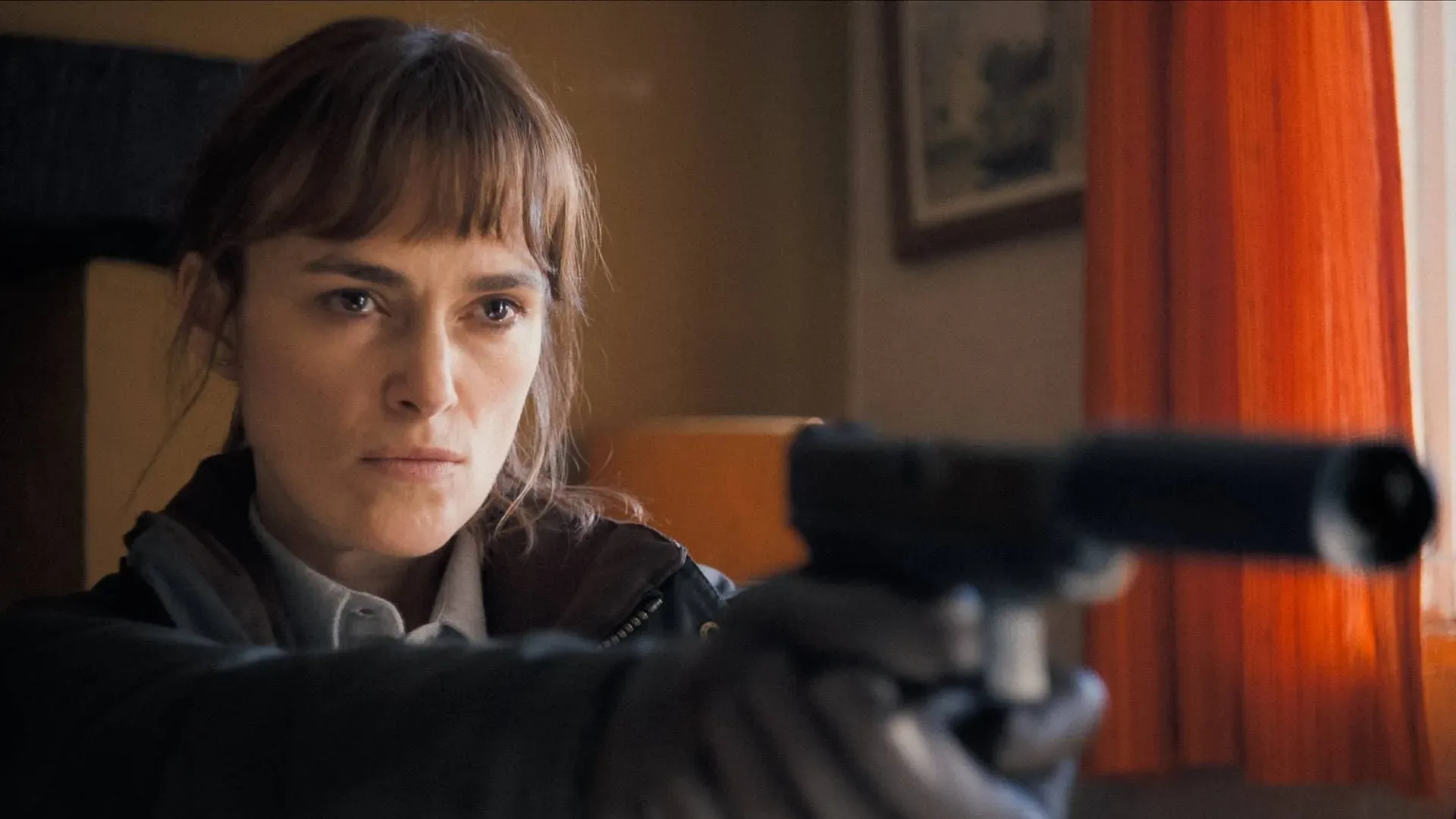
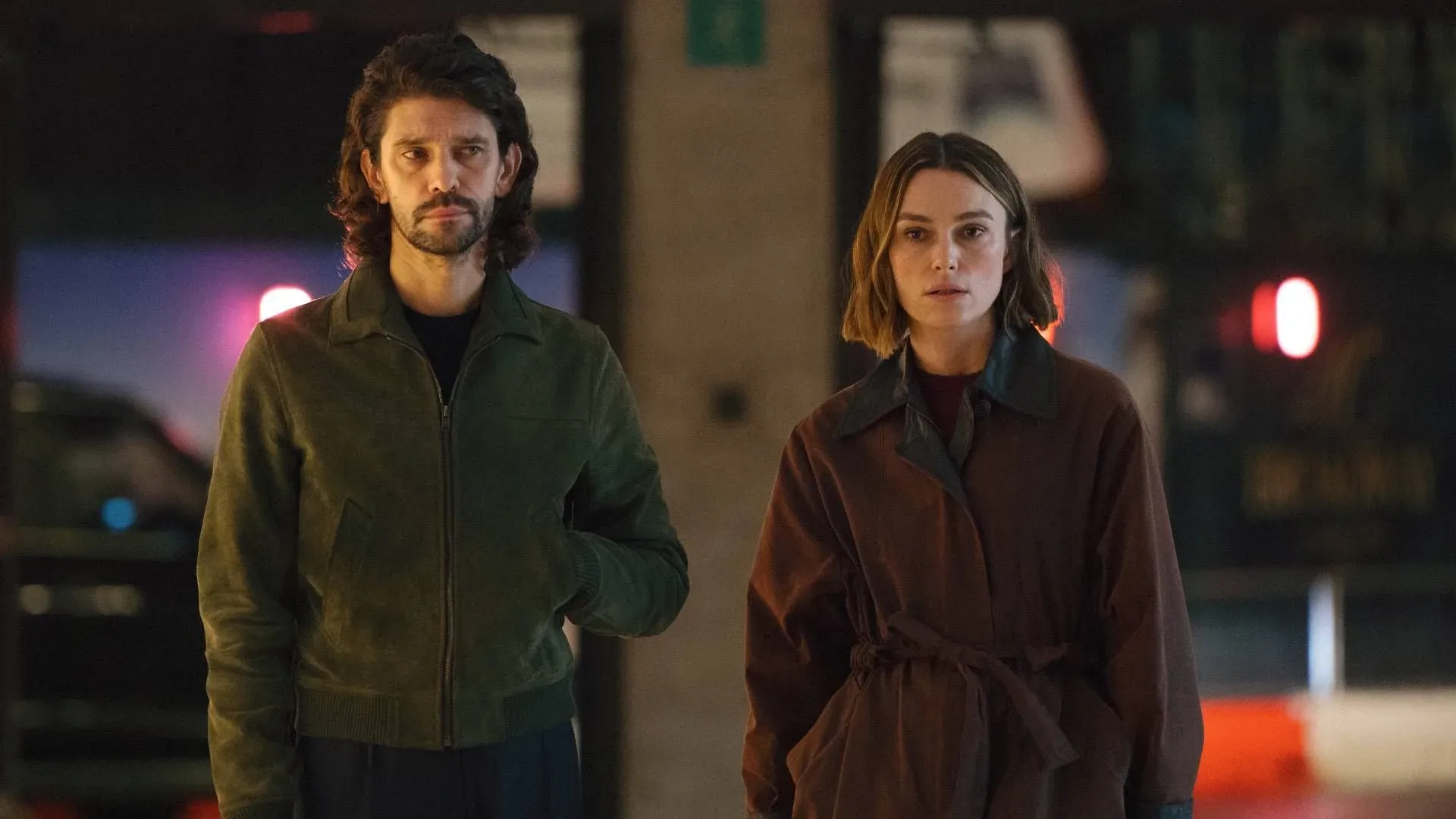
Hideo Kojima has delivered an emphatic endorsement of Black Doves season 2, saying he watched the remaining episodes in one sitting and describing the British spy thriller as an “absolute treat.” His reaction puts particular emphasis on the season’s character work as well as its escalating action, with praise directed at lead performers Keira Knightley and Ben Whishaw alongside Kathryn Hunter and Ella Lily Hyland.
For a series built around undercover identities, hired killers, political proximity and interpersonal damage, that focus is telling. Kojima highlighted the story’s treatment of “lies, love and hate, sadness, loneliness, and loyalty” among its spies and assassins, before pointing to an action-heavy finale. He also said season 2 takes the show beyond what it achieved in its first run and expressed hope that it receives another season.
“Every single character is brilliantly written and brought to life. I could watch this forever,” Kojima wrote.
That is praise, not a confirmation of a third season. The available information establishes that Black Doves was renewed for season 2 before its first season premiered in December 2024; it does not establish that another renewal has been ordered. For viewers deciding whether to start season 2, however, Kojima’s response makes a clear case for the show’s continued momentum rather than a sophomore slump.
Where Black Doves season 2 picks up
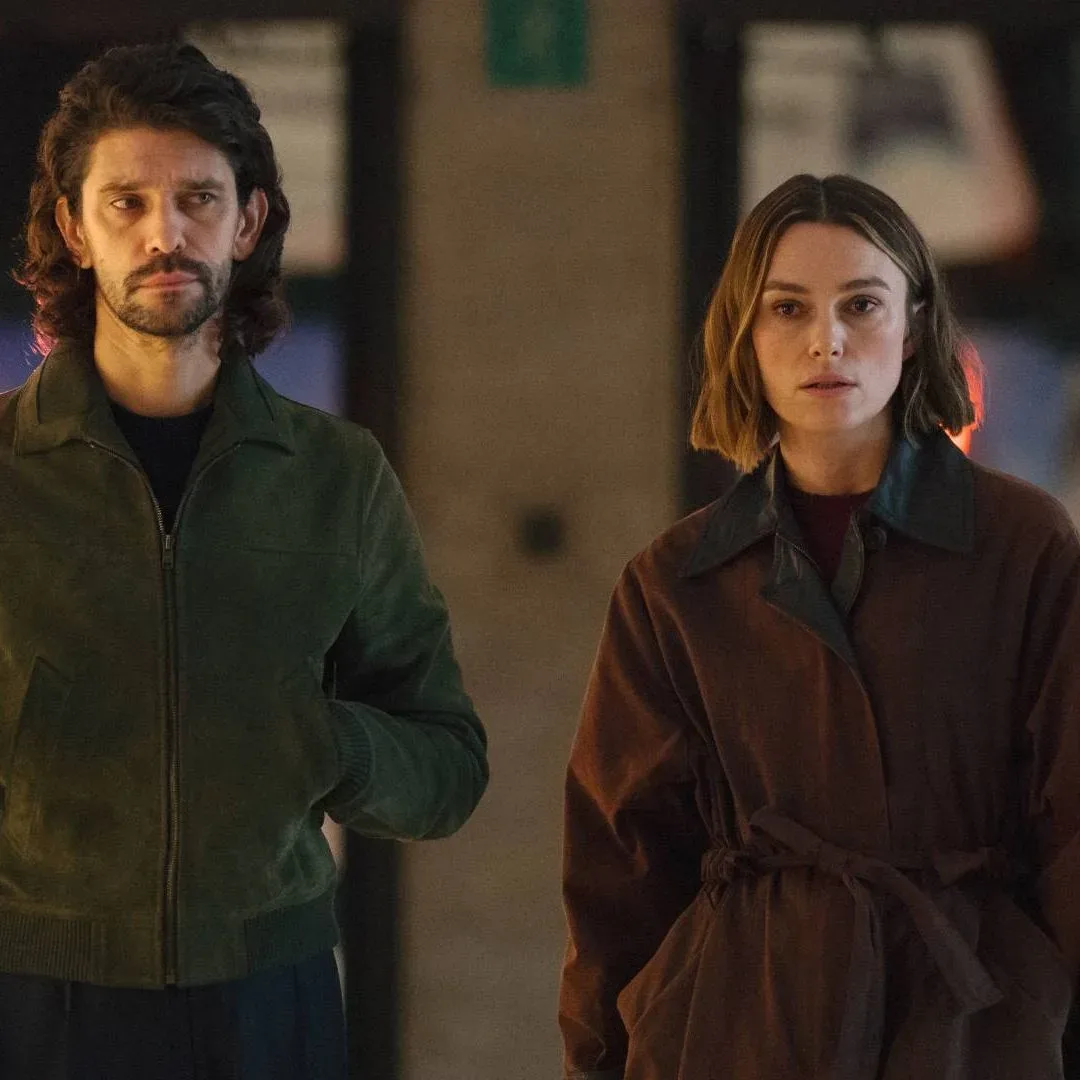
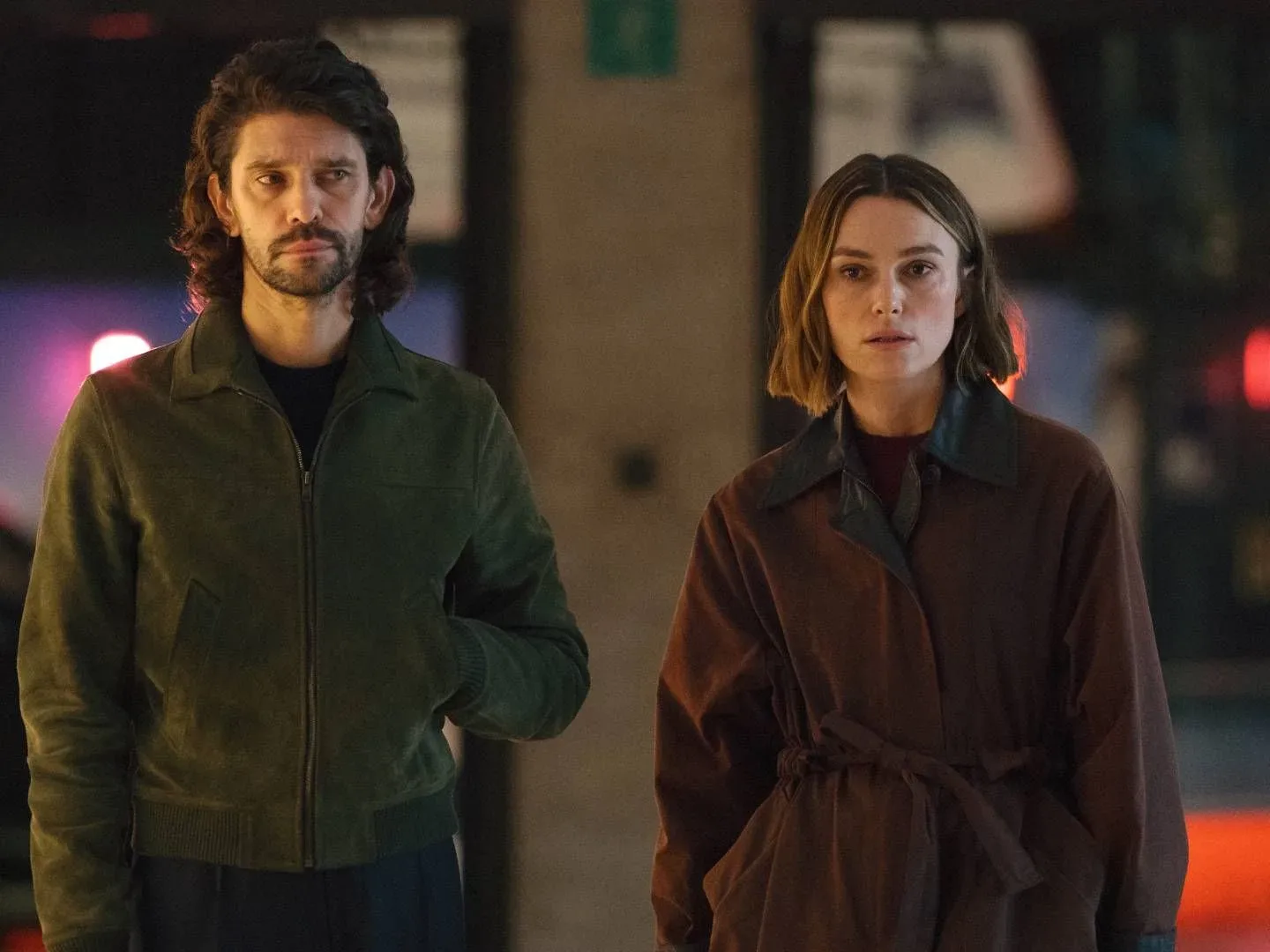
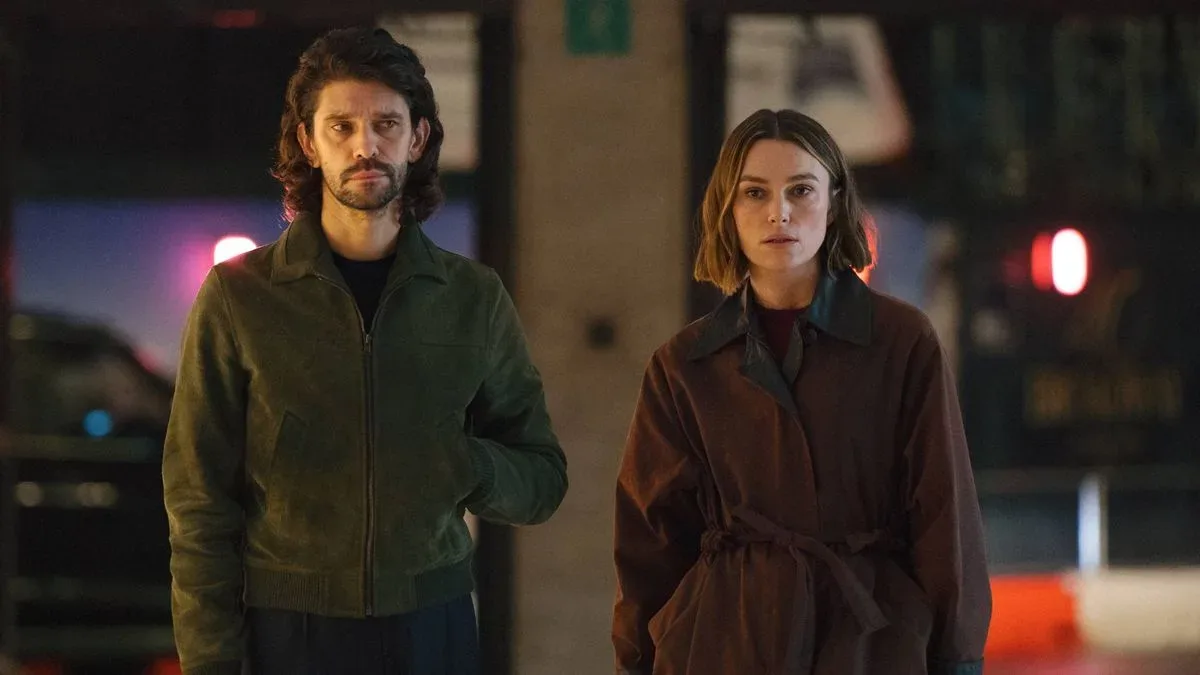
Created by Joe Barton, Black Doves centers on Helen, played by Knightley. In the first season, Helen is an undercover spy whose marriage places her close to political power. The killing of her lover threatens to expose her cover, and the Black Doves send Sam, played by Whishaw, to protect her.
Season 2 moves the political circumstances forward: Helen is now married to the new Prime Minister. The immediate mystery comes from the disappearance of her handler, Mrs. Reed, played by Sarah Lancashire. Helen and Sam are tasked with finding out what happened to her.
A handler in spy fiction is the person responsible for directing an operative, passing along assignments and often managing the compartmentalized information that keeps an intelligence network functioning. Mrs. Reed’s absence therefore matters beyond the personal stakes of a missing colleague. It leaves a gap in the chain connecting Helen and Sam to the organization that uses them. That premise gives season 2 a natural investigative engine while preserving the pressure of their dangerous work.
The set-up also explains why Kojima’s remarks prioritize emotional contradictions rather than action alone. An undercover operative has to perform a role in public while protecting an inner life that may be incompatible with it. A protector such as Sam must navigate professional obligation, friendship and violence at the same time. In a story where people survive by withholding information, loyalty is not a simple matter of choosing a side; it can become a question of what someone is willing to conceal, sacrifice or forgive.
The cast praise is broader than a two-lead recommendation
Kojima called Knightley and Whishaw “simply outstanding,” but he did not frame Black Doves as a show carried by only its marquee pairing. He specifically praised Hunter, who plays the handler of hired killers, and Hyland, who plays an assassin. He went further, arguing that every character is both well written and vividly performed.
That distinction is useful for prospective viewers. A spy thriller can have a strong central premise yet feel mechanical if supporting characters exist only to deliver a clue, create a chase or become a disposable obstacle. Kojima’s reaction suggests that season 2’s appeal lies in the full ensemble: people around Helen and Sam are treated as characters with enough definition to register beyond their role in the plot.
It is also a fitting point of attention coming from Kojima, whose game work frequently invites discussion of cinematic presentation, espionage and conflicted characters. That does not make his response a universal measure of a show’s quality, nor does it turn the series into a game-like experience. It does make his interest in a character-driven spy drama unsurprising. Readers looking for more discussion of storytelling choices in games can also explore this look at player identity and build regret in The Elder Scrolls.
What the scores say — and what they do not
The first season of Black Doves holds a 92% critics score on Rotten Tomatoes. Its audience score is lower, at 67%. Season 2 is listed at 94% from critics, based on 18 reviews.
Those figures offer a compact picture of the series’ reception, but they need context. A critics score on an aggregation site represents the share of collected reviews assessed as positive, rather than an average numerical rating or a direct guarantee that every critic liked the season equally. The 94% season 2 figure is also based on 18 reviews, which means it is a useful early indication of critical response but not the final word as more reviews may be added.
The difference between season 1’s critic and audience scores is worth acknowledging without trying to explain it beyond the evidence. It shows a gap in those two tracked measures, not a proven reason for the gap. Audience ratings can reflect many different reactions, and no single cause is established here. What is clear is that the critical numbers for both seasons are strong, while Kojima’s response is unusually enthusiastic even within that positive climate.
Knightley’s work in the first season also received awards attention through a Golden Globe nomination. That is another indication that the lead performance became a major part of the show’s identity, and it aligns with Kojima placing her performance at the center of his season 2 praise.
A recommendation with a specific audience in mind
Kojima explicitly framed Black Doves as a recommendation for fans of British spy thrillers. That is a narrower and more helpful label than simply calling it a binge-worthy thriller. The show’s material combines espionage with political proximity, assassins, friendship, romance, compromised identities and loss. Its second-season premise adds the disappearance of a key handler, giving its established characters a concrete mystery to pursue.
Viewers should not take “action-packed finale” to mean the series is only interested in spectacle. Kojima’s account places the action at the end of an arc involving the emotional strain of its characters’ lives. In that reading, the finale is a payoff for tensions involving trust, grief, fear and allegiance, rather than merely a final burst of set pieces.
That balance is likely the core of the recommendation. Spy stories often depend on plotting: who knows what, who is pretending, who is being watched, and which relationship can withstand the next revelation. But the genre lands more strongly when the secrecy changes the people inside it. Kojima’s praise argues that Black Doves season 2 succeeds on that front, with a cast capable of making the series’ shifting loyalties feel personal as well as consequential.
Black Doves is streaming on Netflix now. Season 2 arrives with strong early critical aggregation, a returning core cast, a fresh disappearance at the heart of its plot, and at least one very prominent admirer ready to keep watching if Helen and Sam are given another assignment.