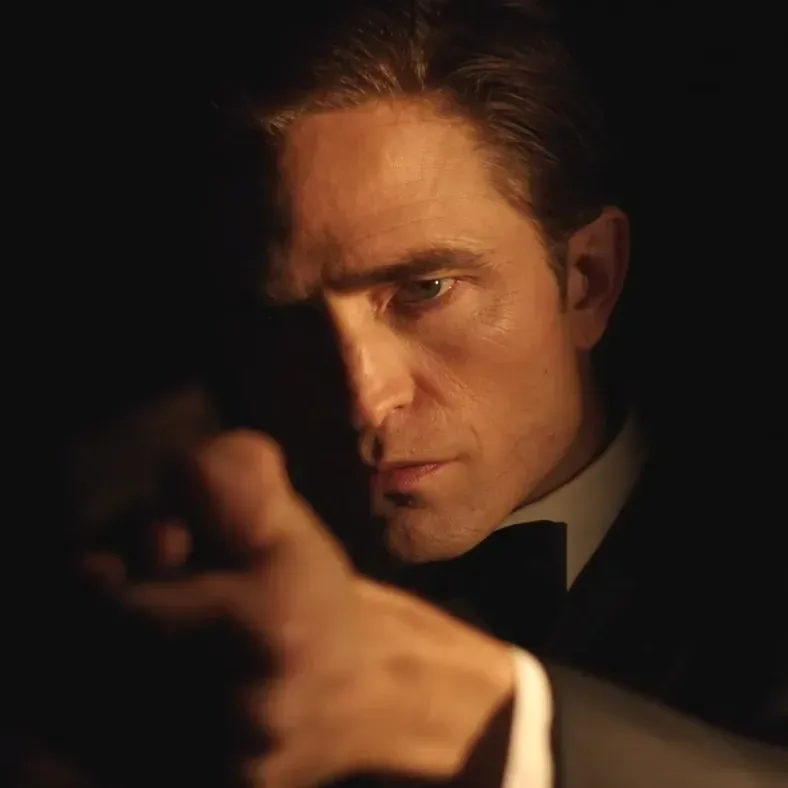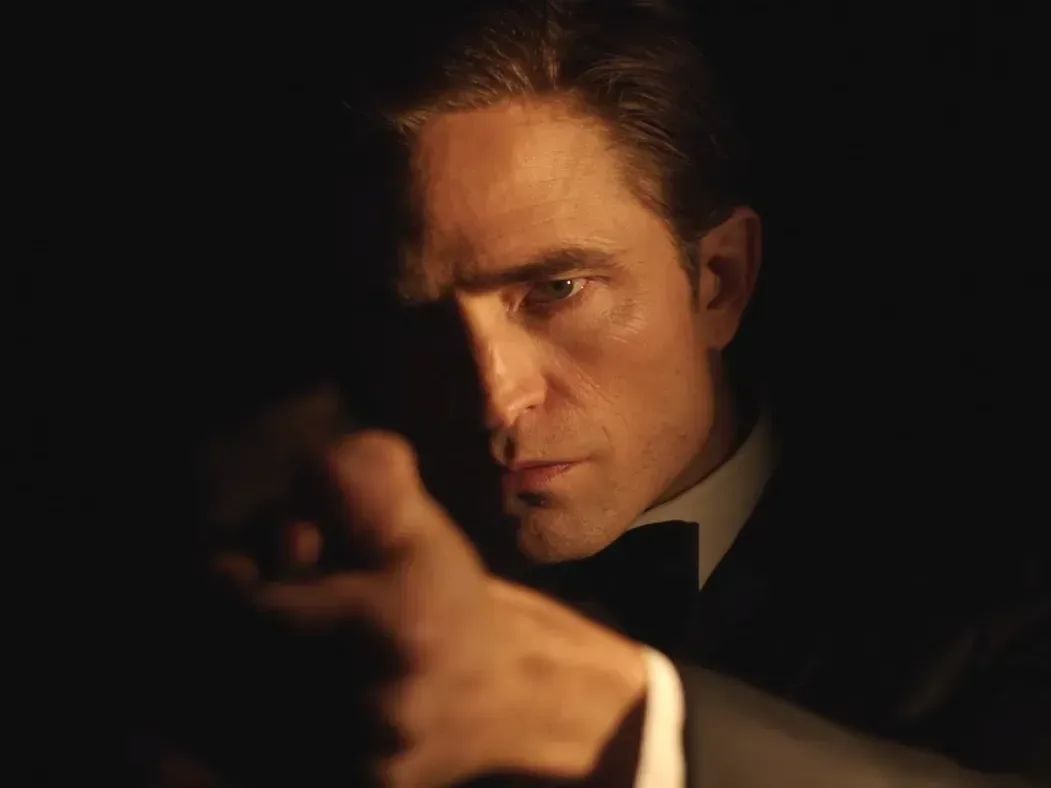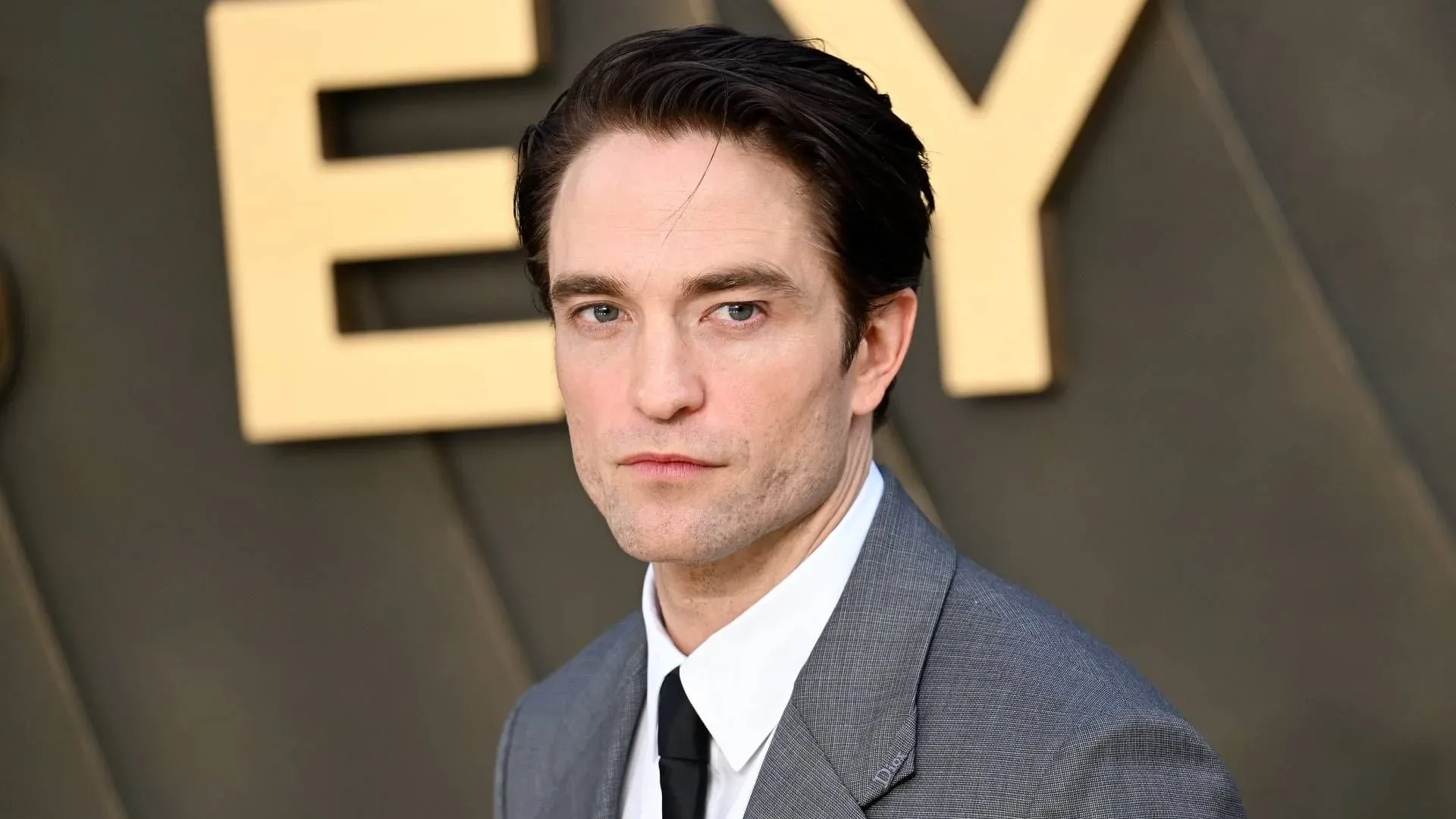
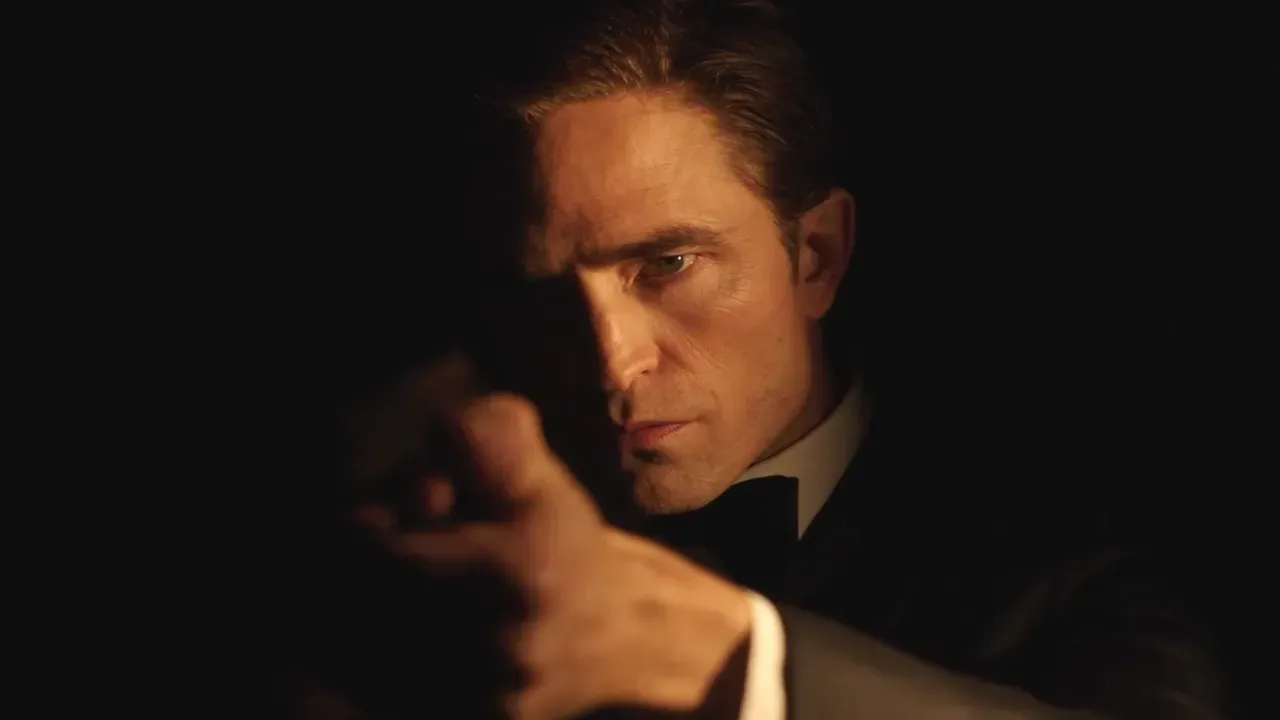
Robert Pattinson has officially been cast as James Bond for Denis Villeneuve’s upcoming 007 film, ending a lengthy search for the actor who will inherit one of cinema’s most recognizable roles. The confirmation came through the official 007 social channels, alongside a first-look image, while leaving the film’s title, release date, story and wider cast undisclosed.
Pattinson succeeds Daniel Craig, whose run as Bond concluded with No Time to Die in 2021. Since then, the question of who would next carry the 007 designation has generated a remarkably persistent cycle of speculation, alleged shortlists and internet certainty. The final choice arrived from outside much of the most recent public conversation: Pattinson had not been one of the names most commonly associated with the later stages of the search.
The decision also formally connects Pattinson with Villeneuve, the filmmaker confirmed to direct the next Bond era in mid-2025. For now, that director-star pairing is the clearest creative fact available. Everything audiences may be tempted to infer beyond it—whether this Bond will be an origin story, a continuation, a period piece, a traditional globe-trotting thriller or something else—is still only inference.
Pattinson’s Bond casting is official; key movie details are not
There is an important distinction to keep in mind amid a casting announcement this large. Pattinson’s appointment is confirmed. The production has also released a first look. But a Bond actor reveal is not the same as a full film reveal.
No plot outline has been shared, and there is no confirmed title or release timetable in the information presently available. Nor have the supporting players been announced. That means there is no factual basis yet for declaring the direction of characters such as M, Q, Moneypenny or Bond’s adversary, or for predicting which familiar elements will return.
That restraint matters because Bond is frequently discussed as if the character comes with an unchanging checklist. In reality, a new lead performer can signal a new interpretation, but the interpretation is defined by the script, the director, casting, tone and the surrounding creative team—not by a headshot alone. The first official image establishes Pattinson as the new face of 007; it does not disclose the shape of his first mission.
In his statement, Pattinson described being entrusted with Bond as the honour of a lifetime and thanked Villeneuve, producers Amy Pascal, David and Tanya, and Amazon MGM Studios. He said the role felt like a dream fulfilled and expressed excitement about the partnership and work ahead.
Villeneuve likewise emphasized both continuity and change in explaining the selection. He thanked the actors involved in the process, said the field contained exceptional talent, and described Pattinson as having the “timeless soul” of 007 alongside a new spirit. For a franchise built on reinvention, that wording is notable: it frames the casting as an attempt to preserve the character’s enduring identity without simply recreating an earlier performance.
For more on Villeneuve’s assessment of his newly cast 007, read Denis Villeneuve Says Robert Pattinson Has the ‘Timeless Soul’ of James Bond for Bond 26.
Why the choice landed as a surprise
Bond casting is a peculiar kind of public event. It is a private hiring decision for a role that millions of people feel qualified to debate, and the gap between those two realities tends to produce endless rumor. Names including Tom Holland and Idris Elba circulated online without confirmation. Later reporting put Callum Turner, Jacob Elordi, Jack Lowden and Josh O’Connor among actors linked to the hunt at different points.
The most recent reports had described a smaller group that included Lowden, Turner and O’Connor. Pattinson’s selection therefore reads as a genuine late twist from the public’s vantage point, even if it was plainly the result of a process conducted out of sight.
Reports on that process said contenders were assessed on stunt work, camera presence and dialogue. Those categories are useful shorthand for what the role demands, even though they do not disclose precisely what any individual audition involved.
What those screen-test factors mean
Camera presence is not merely a matter of looking convincing in a tailored suit. It describes the ability to hold attention on screen, to communicate thought and tension with stillness, and to make a scene feel centered even when dialogue is sparse. Bond regularly has to carry moments of observation, suspicion and control. A performer’s relationship with the camera is consequently fundamental to the character.
Dialogue testing speaks to another balancing act. Bond needs authority, but the character’s lines often require precision rather than volume. Whether the scene calls for menace, dry humor, seduction, command or vulnerability, the delivery has to suit the world around it. This is not an argument that there is one correct Bond voice; it is an explanation for why the way an actor handles a scene would naturally matter in casting.
Stunt testing does not mean the lead actor must perform every physical feat themselves. It does suggest that movement, physical credibility and the actor’s ability to integrate with action sequences were considered in the decision. Bond has always been an action-oriented part, and physical performance includes more than fighting: posture, pace, reaction and the sense of how a character occupies danger all shape an action scene.
Taken together, those criteria point toward a search for a complete screen performance rather than a choice based on one isolated quality. They also explain why a public rumor list can never provide the whole picture. Audiences can debate a name and its prior roles; filmmakers and producers can evaluate that performer in the particular scenes, wardrobe, movement and screen dynamics envisioned for this version of Bond.
A tightly held decision
The casting process appears to have remained closely guarded until the announcement. Reporting indicated that Villeneuve informed Pattinson of the decision only the morning before the news became public, while Pascal contacted the unsuccessful finalists.
That degree of secrecy is understandable for a role with Bond’s cultural visibility. Once a candidate appears to be in front, intense attention can overtake the actual work of casting. Keeping the decision contained gives the filmmakers room to finish their process before an incomplete narrative takes hold around it. It also helps explain why recent speculation did not neatly predict the result.
It is worth separating reported process details from confirmed creative information. The official confirmation establishes Pattinson as Bond. The accounts of testing and private calls add color to how the decision was made, but they do not fill in the still-unknown specifics of the movie itself. There is no announced storyline hiding in the casting tale.
What Pattinson brings to the next 007 era
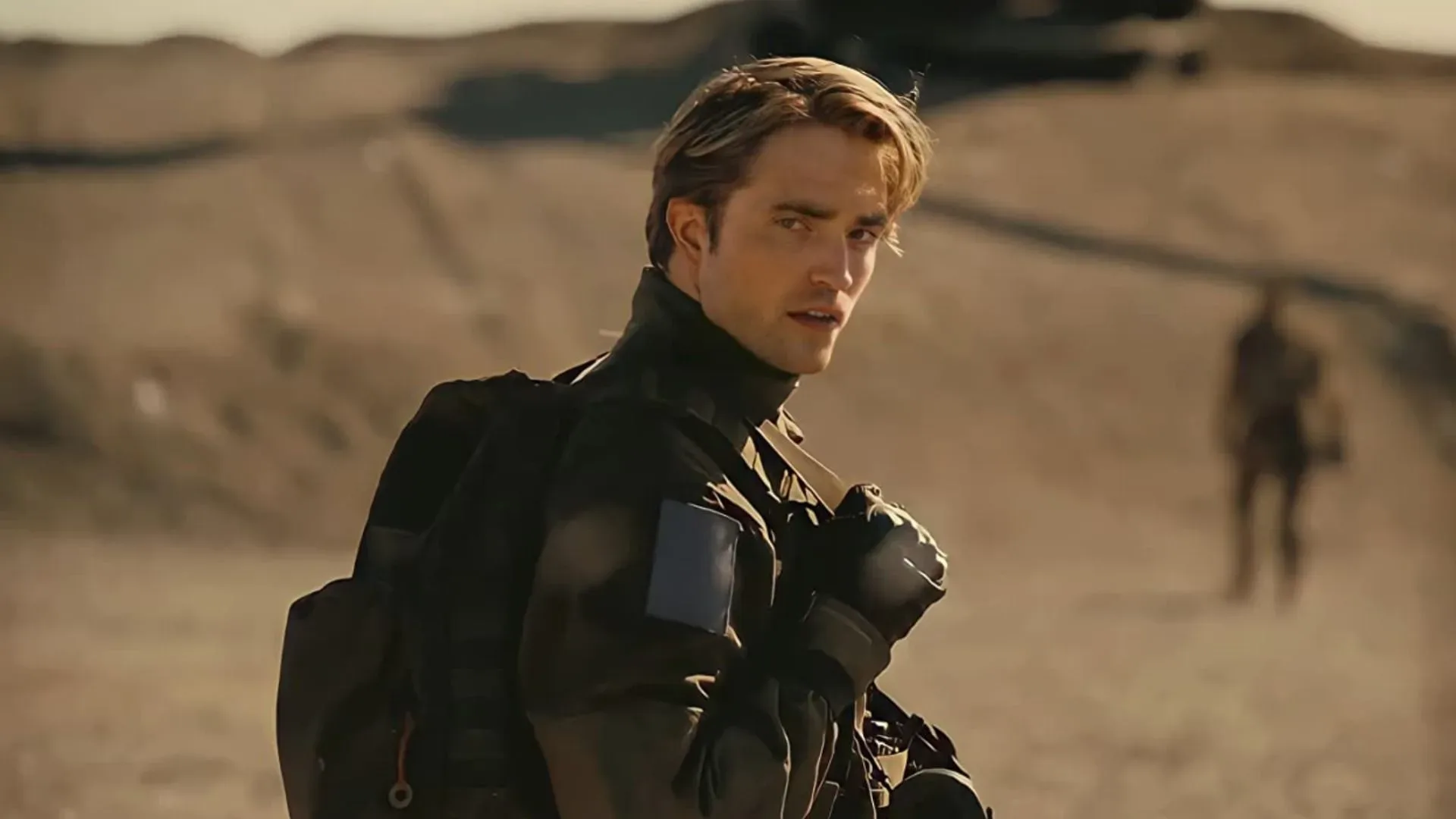
Pattinson arrives with major franchise experience through Twilight and The Batman, two roles named in the casting announcement’s immediate context. That does not tell audiences exactly how he will play Bond, but it does mean he is taking on 007 with firsthand familiarity with the scale of attention that accompanies an internationally recognizable character.
There is a practical difference between joining an ongoing series and becoming the defining face of a newly launched Bond cycle. The latter requires an actor to work within a long-established iconography while giving the audience a reason to follow a fresh interpretation. Pattinson’s task will not be to imitate Craig or any previous Bond. It will be to make this version feel coherent within Villeneuve’s film while carrying the expectations attached to the name.
That is why broad statements about whether he is “right” for the part should remain provisional. A casting announcement can establish interest and invite analysis, but it cannot settle questions of chemistry, dramatic rhythm, physical style, humor or emotional stakes. Those emerge from the finished film. The useful takeaway at this stage is more modest: the filmmakers selected an actor whose screen tests apparently addressed action, dialogue and presence, and Villeneuve believes he can unite a classic Bond quality with something fresh.
The handover after Daniel Craig
Craig’s departure after No Time to Die created the vacancy, but it also ensured that the transition would draw unusual scrutiny. Bond is a recurring role, yet every change of actor becomes a referendum in miniature: on the prior era, on the franchise’s future and on viewers’ own preferred version of the character.
Pattinson’s casting does not erase that conversation. It changes the subject from “Who might be next?” to “What will this version be?” The most responsible answer is that the central creative pieces have not been made public. Villeneuve is directing; Pattinson is Bond; the rest will arrive when the production chooses to reveal it.
For now, the news offers a definitive end point to the guessing game. The next James Bond has been named, and the work of building his first 007 film is ahead.