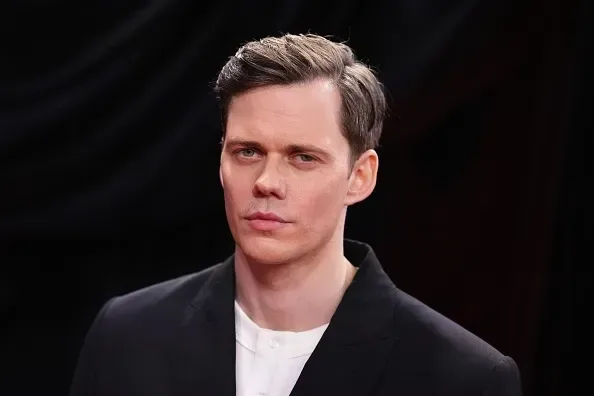
Bill Skarsgård has taken himself out of one side of the James Bond conversation while leaving the more interesting door open. The Swedish actor says he was not asked to test for Denis Villeneuve’s planned Bond reboot, and he also does not sound eager to take on the potentially decade-spanning obligation of playing 007. A one-film villain role, however, is another matter.
Speaking on the Happy Sad Confused podcast, Skarsgård joked about not being included in the apparent search for the next Bond, suggesting his Swedish nationality may have counted against him. But his larger point was less about missing an audition and more about the kind of commitment he wants from a role. Rather than becoming the franchise’s recurring central figure, he said he would be happy to “go in and do one Mads Mikkelsen villain.”
That reference is telling. It frames the prospect not as a desire to simply add Bond to a résumé, but as an interest in a sharply defined antagonist with a complete arc. For an actor who has already built a considerable gallery of intense screen adversaries, the appeal would have to be in a character that offers a genuinely new angle.
Not in the reported 007 testing mix
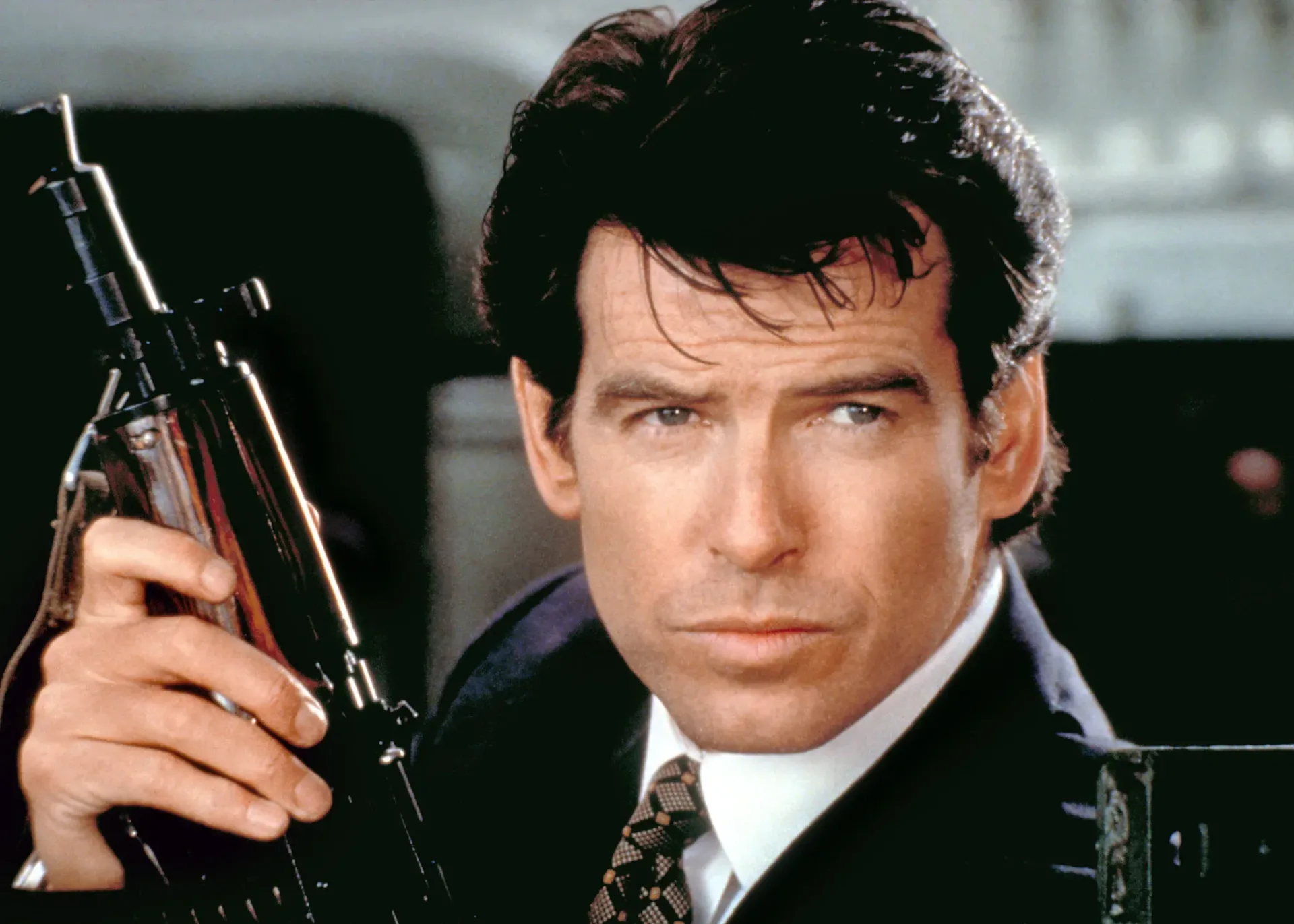
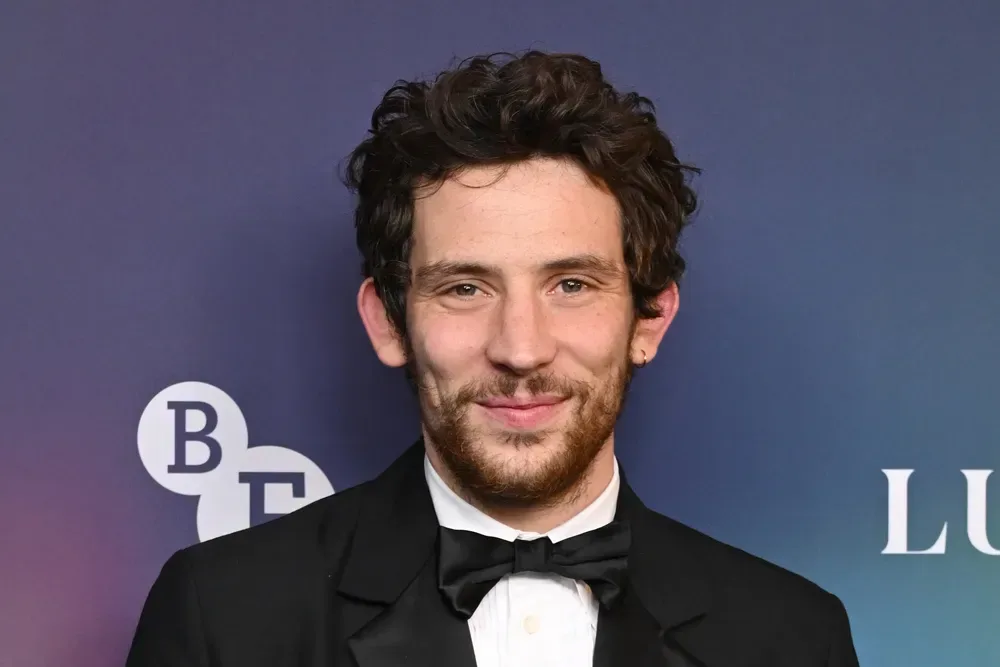
Skarsgård said he was not called to test for Villeneuve’s Bond film. That is a direct clarification from the actor, but it should not be confused with a comprehensive view of the production’s casting process. Public discussion around the next 007 has included names such as Callum Turner, Josh O’Connor and Jack Lowden, while Robert Pattinson and Nicholas Hoult have been reported as having screen-tested. None of that establishes a final casting decision.
A screen test is an on-camera performance used to assess how an actor may work in a particular role, sometimes alongside other performers or within the intended visual style of a project. It is more concrete than ordinary casting speculation, but it is still not a contract or an announcement. Skarsgård’s comments simply establish that he was not part of that testing, at least as he understands it.
His lack of interest in being Bond also makes the absence less dramatic than online casting discourse can make it seem. Skarsgård agreed that a run as 007 could mean ten years or more attached to the same character. The scale of that commitment matters: the Bond lead is not merely a single film job but potentially a long-term professional identity built around an ongoing franchise.
There is a useful distinction here between a role being prestigious and a role being suitable. The chance to play Bond carries enormous visibility, but Skarsgård’s comments suggest that visibility alone is not his deciding factor. He described his process in terms of feeling drawn or compelled by a project, rather than following a fixed checklist of career moves.
Why the villain idea fits—and why it is not automatic
Skarsgård is no stranger to characters designed to unsettle, menace or dominate the screen. His recent and prominent credits include Pennywise in the It films, Count Orlok in Robert Eggers’ Nosferatu, Eric Draven in The Crow, and Marquis Vincent Bisset de Gramont in John Wick: Chapter 4.
Those characters do not all occupy the same dramatic space. Pennywise is a supernatural horror figure; Orlok belongs to Gothic horror; the Marquis is a high-status adversary in an action series; and Eric Draven is a different kind of dark, central character. Still, their accumulation helps explain why Skarsgård would be selective about another role marketed around villainy.
He said he feels “kind of, spent” with such parts unless the character feels original and unlike what he has already done. That does not mean he has sworn off antagonists. It means the word villain, on its own, is no longer enough of a creative proposition.
For a Bond film, that distinction could be especially important. A Bond villain is generally the central opposing force for 007: a character whose scheme, power, ideology or personal conflict gives the story its main threat. Yet that broad label leaves room for radically different performances. The part can be flamboyant or restrained, physical or cerebral, public-facing or elusive. Skarsgård’s comments indicate he would need the role’s specific conception—not its franchise label—to supply the reason to join.
Mikkelsen’s name also offers a concise example of the kind of one-picture impact Skarsgård appears to be describing. Skarsgård is not saying he has been offered such a role, and no casting link to the Villeneuve film has been established. He is identifying a format he finds attractive: enter a major series, build a memorable antagonist, and complete the work without surrendering years to an open-ended lead commitment.
Selectivity is the central point
The most substantial part of Skarsgård’s remarks may be his explanation of how he chooses projects. He said he cannot fully put the impulse into words beyond feeling compelled by a role. He also said he wants to avoid becoming jaded, even if that means enduring long stretches without working while waiting for something that feels worth doing.
In practical terms, that makes his position on Bond less contradictory than it may first sound. Saying no to a lengthy 007 tenure while remaining receptive to a single villain appearance is consistent with a performer prioritizing variety, intensity and a sense of discovery. A long-running lead part can offer stability and cultural reach; a contained antagonist role can offer a concentrated character challenge. Neither option is inherently better, but they ask for different things from an actor.
That divide is also familiar to audiences watching franchises negotiate continuation. An actor’s interest in returning is often shaped by whether a new installment offers a real creative reason to come back rather than repetition for its own sake. The same wider question appears in discussions around whether a beloved film should remain self-contained, including the debate around the possibility of an Elf sequel.
Skarsgård’s version of that calculation is personal but clear. He is not actively seeking a particular brand-name assignment. If a project compels him, he may take it; if it does not, he is prepared to wait. That approach places a high bar on future villain material, especially after playing several characters already associated with horror, violence or threat.
What this does—and does not—say about the next Bond
Skarsgård’s comments add one solid fact to a noisy casting story: he says he was not asked to test for Bond. They do not reveal who will play 007, who will play the villain, when casting will be finalized, or what Villeneuve’s take on the series will look like.
They do, however, make Skarsgård’s preferences unusually easy to understand. He is wary of a prolonged lead-franchise commitment and open to a singular antagonist role if it gives him material he has not explored before. That is a meaningful difference from simply saying he wants into Bond in any capacity.
For now, the next 007 remains a subject of reports and rumors rather than a settled public casting outcome. If Skarsgård ever does enter the series, his own criteria suggest the compelling news would not be the familiar shorthand of “another villain role.” It would be what makes that villain distinct enough to pull an actor who says he is already creatively exhausted by the ordinary versions of the part.