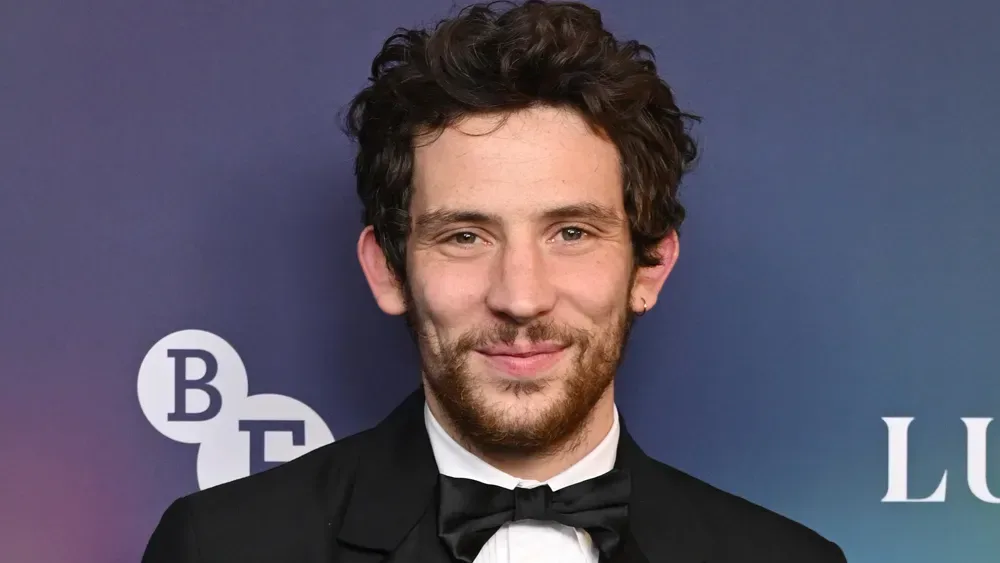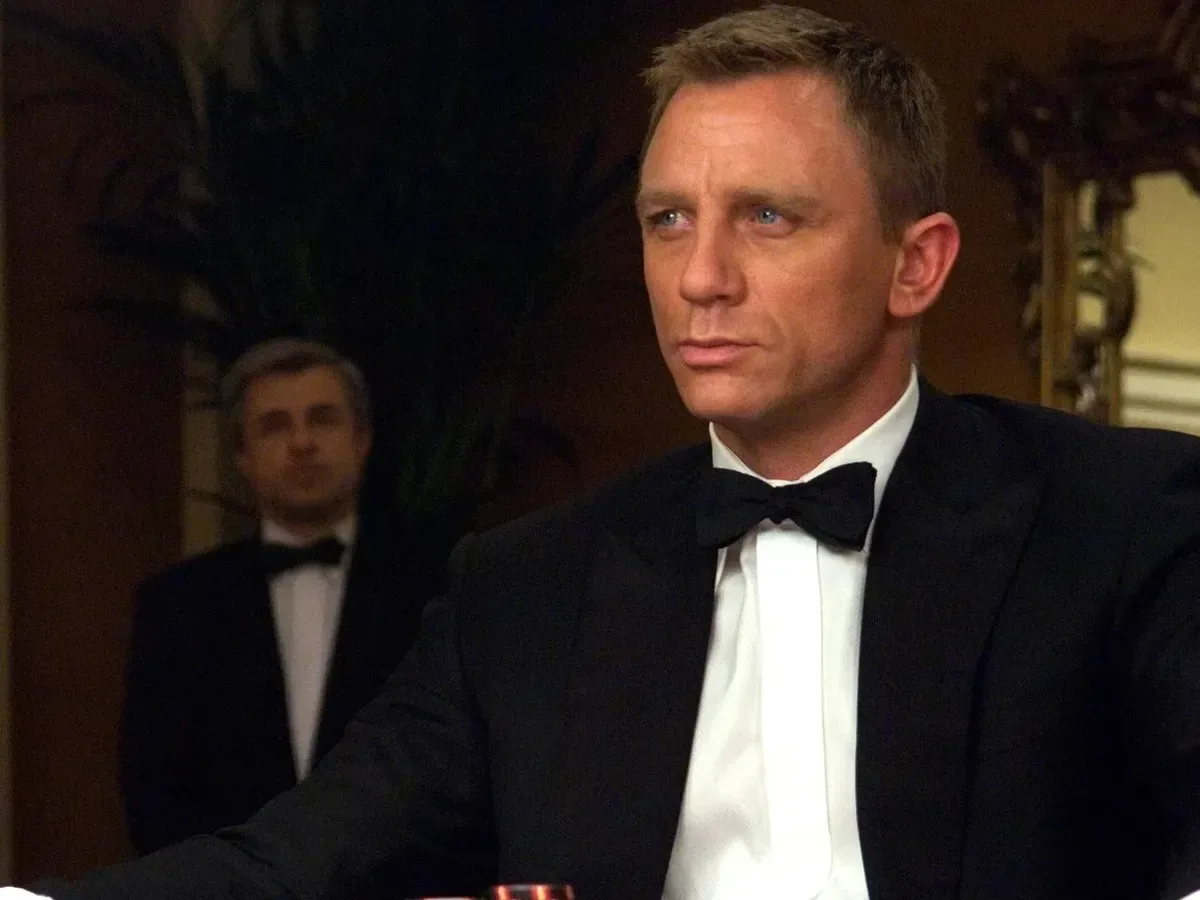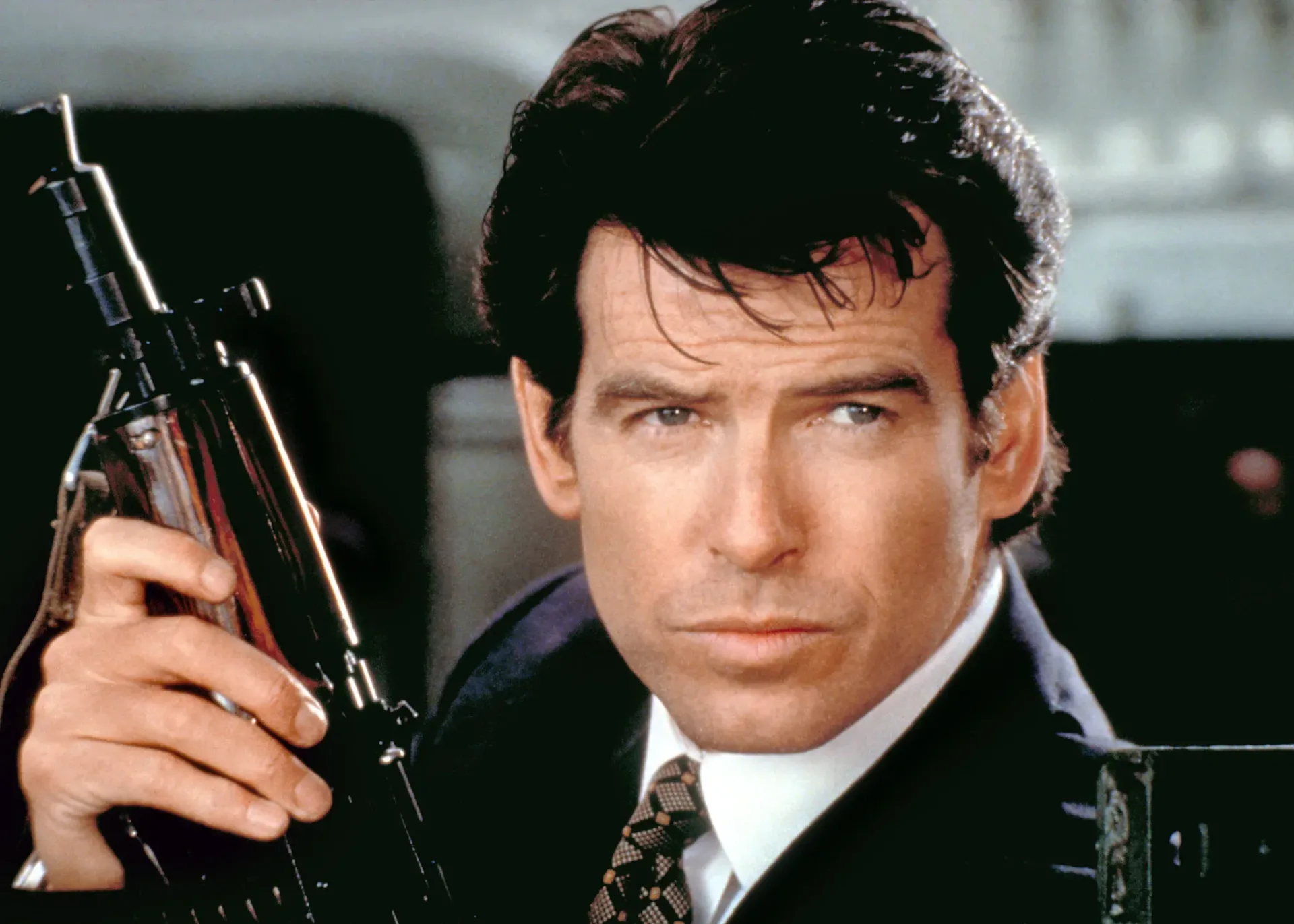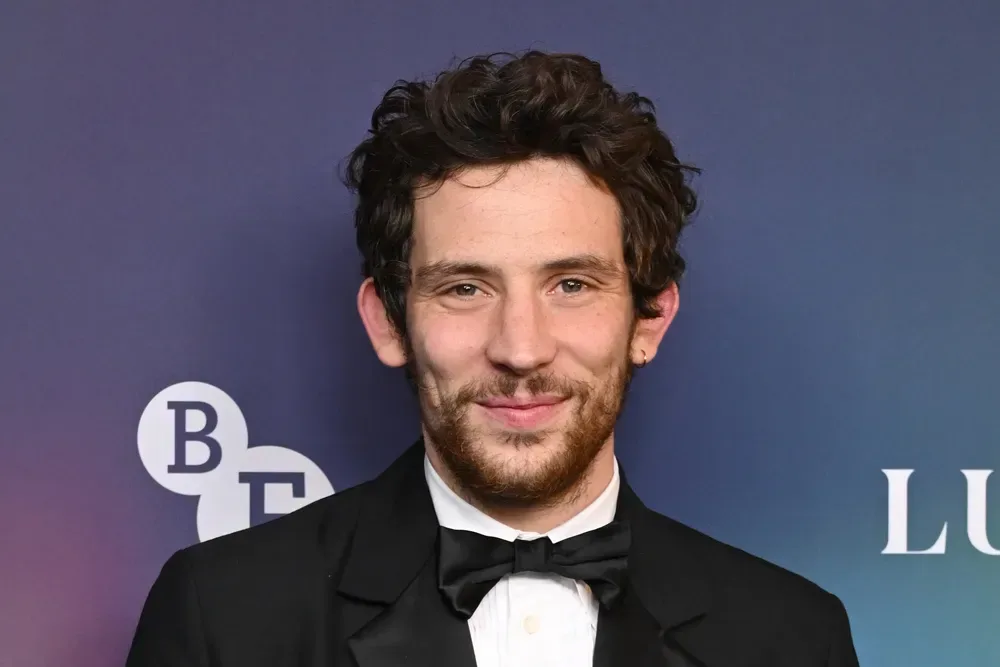
Josh O’Connor has responded cautiously to the James Bond rumors surrounding him, describing the prospect of being mentioned as a potential successor to Daniel Craig as an “incredibly bizarre pinch me moment.” The actor said he was honored to be considered, but offered no confirmation that he will play 007 in the franchise’s next film.
O’Connor made the comments while attending the opening of a new education and community center at the Everyman Theatre in Cheltenham, England, his hometown. The occasion gave the Challengers and The Crown performer an opportunity to acknowledge the extraordinary scale of the conversation without adding fuel to it.
“To be considered in that same sort of bracket is extraordinary,” O’Connor said, before making clear that he had nothing further to say about a possible involvement.
That restraint is significant in a casting story built almost entirely on speculation. O’Connor is reportedly one of a small group in final screen tests, with Slow Horses actor Jack Lowden and Masters of the Air actor Callum Turner also named in the reports. A screen test is an audition recorded for evaluation, typically used to see how a performer reads on camera and fits the intended tone, rather than an announcement that a role has been awarded.
For more context, explore Vinny Di Meglio’s Patrick Ewing Collection Highlights Five Scarce Basketball Cards.
As a result, the key distinction for Bond watchers is simple: being discussed, linked or reportedly tested is not the same thing as being cast. O’Connor’s response respects that boundary. He accepted the compliment implied by the rumors while declining to provide details that could be read as confirmation.
A role with a uniquely loud rumor cycle
Few film roles generate as much sustained public guesswork as James Bond. The character is not merely the lead of a single production; 007 is the central identity of a long-running spy series, and a new actor shapes the public’s idea of the franchise for years. That makes every perceived clue—an actor’s public schedule, a vague comment, a reported meeting or a supposed test—into material for a larger casting narrative.
O’Connor’s language captures the strange position such rumors create for performers. He did not frame the discussion as an entitlement or as a done deal. Instead, he called it a surreal honor to be placed in the same conversation as the role at all. It is a measured reaction to a situation in which audience interest can race far ahead of official information.
Lowden has adopted a similarly guarded approach. He recently said the attention was flattering but indicated that he would not contribute further to the noise around the process. Together, the comments underline a practical reality of high-profile casting: actors can be asked to respond to extensive coverage even when the people making the decision have said little or nothing publicly.
Other actors previously linked to the part include Aaron Taylor-Johnson, Jacob Elordi, Paul Mescal, Harris Dickinson and James Norton. Those names reflect the breadth of the ongoing public conversation, not a confirmed final list. Until the production formally names its Bond, the responsible reading of each report is that it describes a possibility, not a settled outcome.
For a useful additional overview of the current O’Connor discussion, readers can see this report on his reaction to the continuing 007 search.
What is confirmed about Bond 26
While the identity of the next Bond remains unconfirmed, several major creative positions on the currently untitled 26th Bond film are established. Denis Villeneuve, the filmmaker behind Dune, is set to direct. Steven Knight, creator of Peaky Blinders, is writing the screenplay. Amy Pascal and David Heyman are producing, and veteran casting director Nina Gold is leading the search for the next 007.
Those appointments matter because they separate the concrete framework of the film from the unresolved headline question. The next Bond is an open casting decision inside a project that already has named director, writer, producers and casting leadership. It also means the chosen actor will enter a production with a clearly identified group of senior creative figures, rather than a franchise waiting to define every part of its next phase.
Villeneuve’s involvement is particularly relevant to the conversation because a director helps establish the tone and visual direction of a film. Knight’s screenplay will provide the character and story on the page. Gold’s role is to guide the search and evaluation of actors. Producers Pascal and Heyman will oversee the project’s development and production. None of that tells the public which candidate will be selected, but it explains why screen testing, if the reports are accurate, is only one component of a wider creative decision.
Why the change in stewardship is part of the story
Bond 26 will be the first entry made after Amazon MGM Studios assumed creative control of the property from longtime custodians Barbara Broccoli and Michael G. Wilson in 2025. That change gives the next film added weight: it is not just the next installment and not just a search for the actor after Craig. It is also the first Bond movie shaped under a new creative-control arrangement.
Creative control refers to the authority to make or approve major artistic decisions about a property. In practical terms, that can include the direction of a film, the people hired to make it and the overall choices that establish how a franchise moves forward. The supplied information does not detail how Amazon MGM Studios will approach the series or what that shift will mean onscreen. It does, however, make clear why observers are treating the current casting process as a defining early decision for the new era.
That context also helps explain why the next actor’s selection is receiving attention before a title, plot or release timetable has been disclosed. Casting Bond is a creative decision with immediate symbolic force. Whoever is chosen will be introduced as the performer carrying the central role into a new production structure, working with a new set of confirmed creative leads.
O’Connor’s comments leave the central question unanswered
There is a temptation in franchise coverage to treat a carefully worded answer as a hidden message. O’Connor’s remarks do not support that leap. He said he felt honored and described the attention as bizarre, then explicitly said there was nothing more he could say. The most straightforward interpretation is also the most accurate one: he acknowledged the speculation without verifying the reports.
That is not an empty answer. It offers a glimpse of how enormous the role appears from an actor’s perspective. O’Connor is known for performances in Challengers and The Crown, yet he still characterized the idea of being in the Bond conversation as a pinch-me moment. The reaction speaks to the cultural scale of 007 and to the career implications audiences attach to the part.
It also avoids turning a community event in Cheltenham into a de facto casting announcement. O’Connor’s remarks were made at the opening of an education and community center, not during a formal Bond presentation. His refusal to elaborate kept the focus on what he could responsibly say rather than converting rumor into a bigger claim.
How to read the contenders list
The list of possible candidates should be read as a snapshot of public reporting, not as a scorecard. The reports place O’Connor, Lowden and Turner among actors said to be undergoing final screen tests. Separately, multiple other names have circulated over months of speculation. The two groups should not be flattened into a single certainty: one describes a reported stage in the process, while the other reflects the broader field of people publicly linked to the role.
- Reported finalist: an actor said to have advanced to a late stage. It remains unconfirmed unless the production verifies it.
- Screen test: a filmed audition or evaluation used to assess an actor on camera. A test does not guarantee casting.
- Official casting: confirmation from the production that a performer has the role. That has not been provided for the next Bond.
This distinction protects against a familiar cycle in entertainment reporting: a rumor is repeated until it can sound like fact, then a noncommittal response is treated as a confirmation. O’Connor’s statement is better understood as an expression of gratitude for the consideration he believes is being discussed, not an indication that the process has ended.
The next meaningful update will be an official decision on who plays Bond. Until then, the confirmed elements point to a project taking shape behind the scenes: Villeneuve directing, Knight writing, Pascal and Heyman producing, and Gold overseeing casting. The unconfirmed element—perhaps the one audiences most want answered—is whether O’Connor, Lowden, Turner or another actor entirely will receive the licence to play 007.