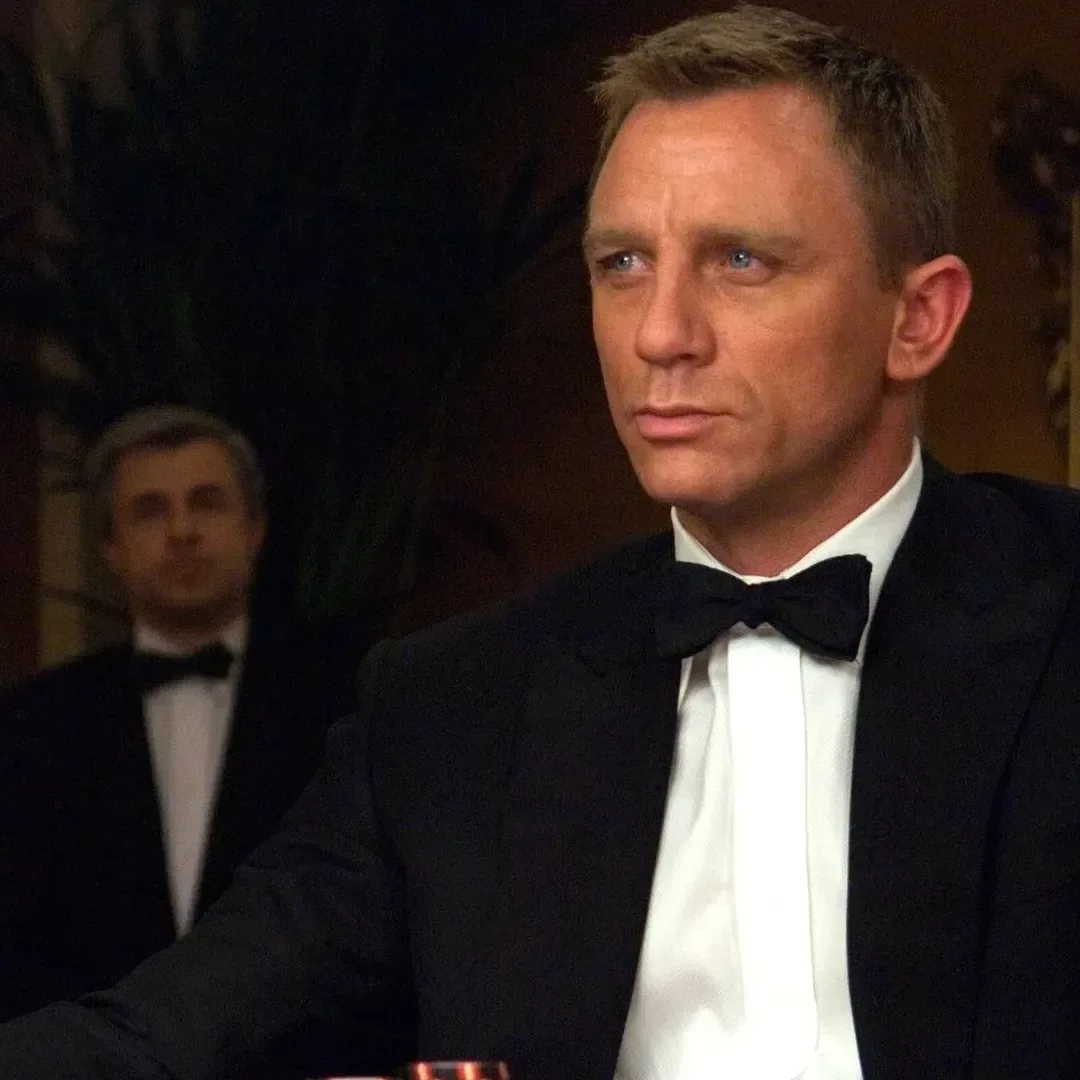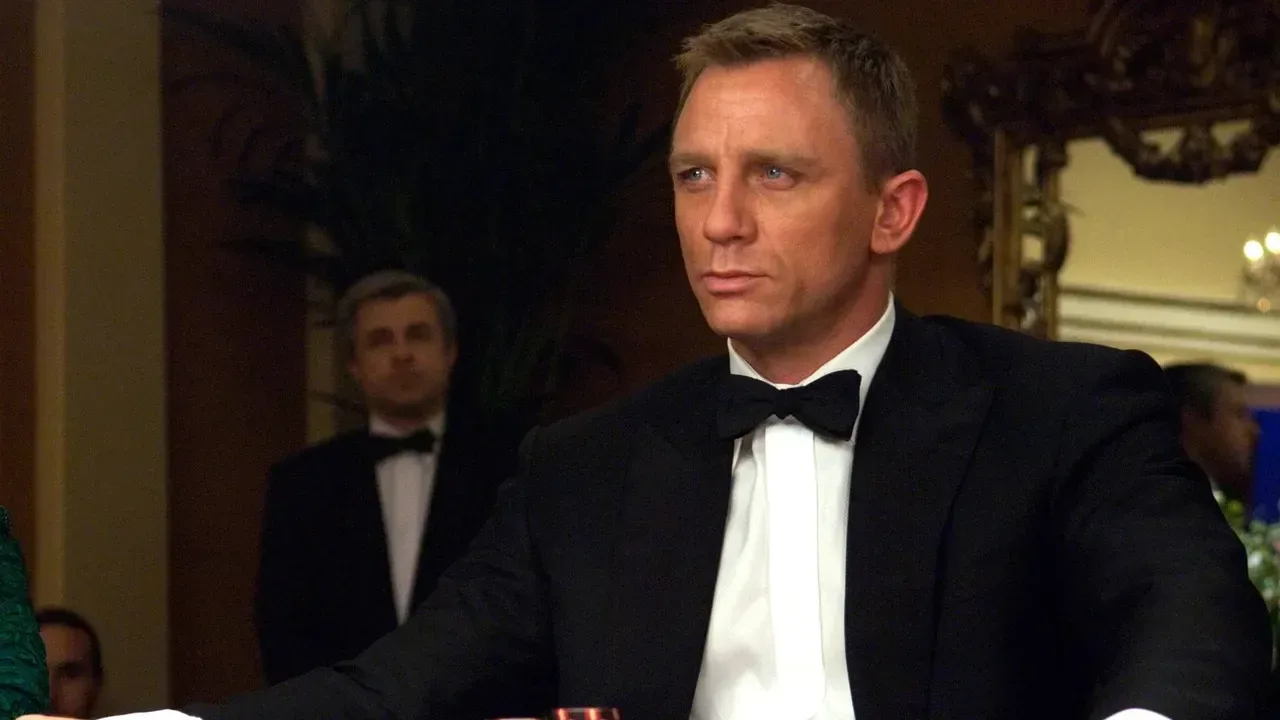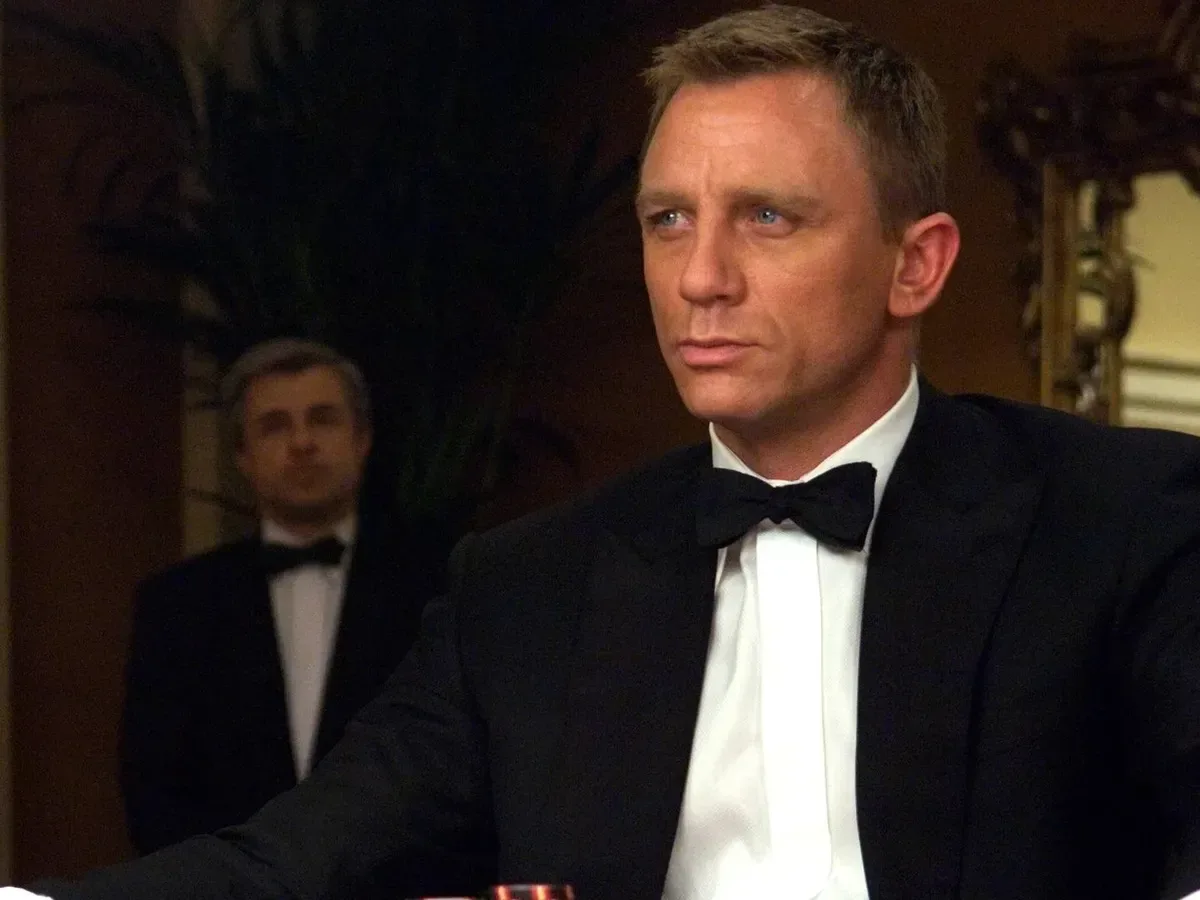
Casino Royale is heading back to cinemas worldwide this October to mark the 20th anniversary of Daniel Craig’s first James Bond film. A newly shared poster confirms the theatrical re-release, though a precise opening date and territory-by-territory booking details have not yet been provided.
The timing is notable. Casino Royale originally opened in the United States on November 17, 2006, so an October return arrives slightly ahead of that exact anniversary. That does not make it any less of an occasion for a film that did more than introduce a new actor in a long-running role: it reset the expectations around what a Bond movie could be.
For moviegoers who first met Craig’s 007 on a television, disc, or streaming service, the re-release creates a comparatively rare chance to see this particular reinvention on a cinema screen. It also arrives as the series enters another in-between period, with Craig’s tenure over and the next film still in development.
A reset rather than a routine recast
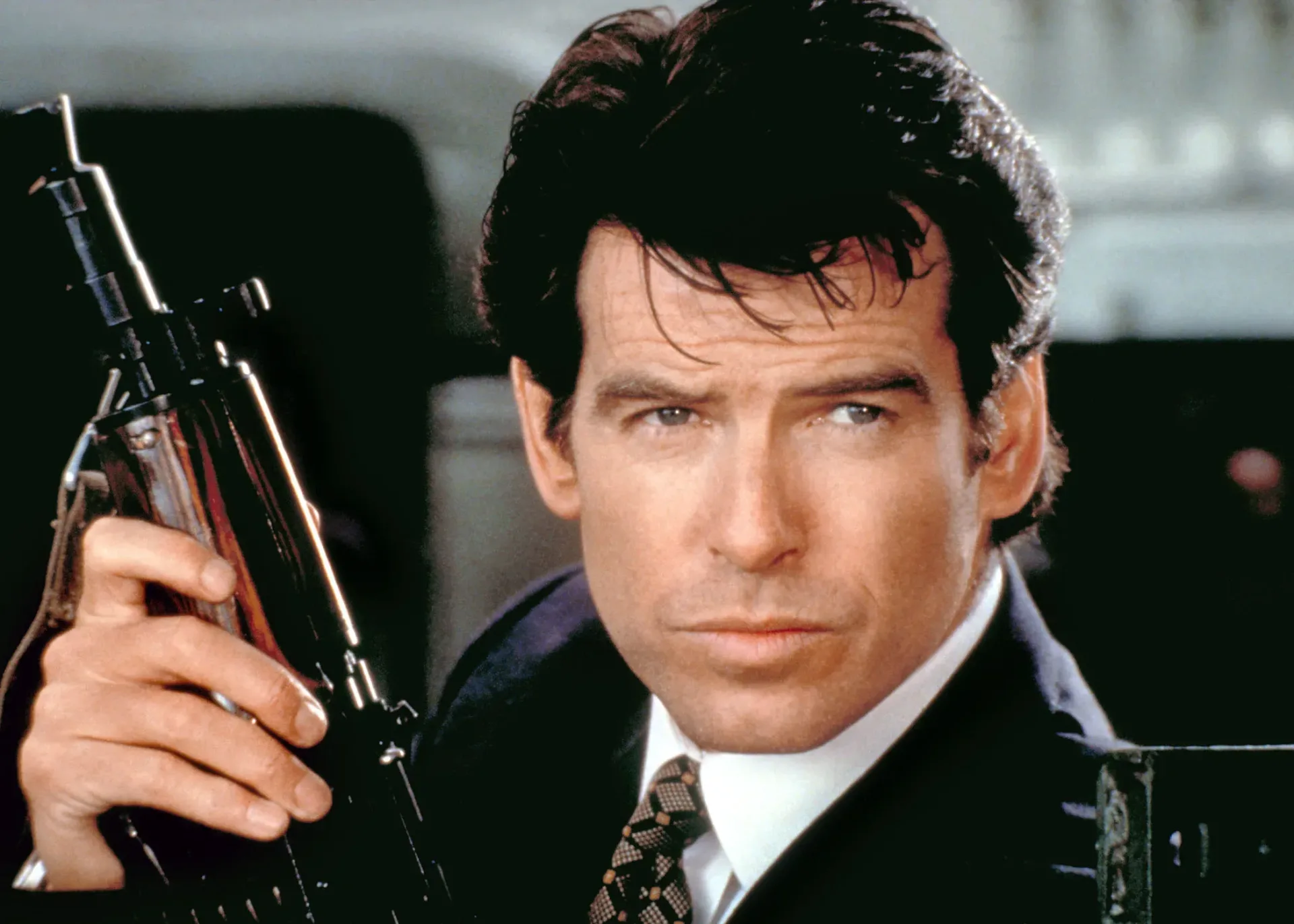
James Bond has changed actors before, but Casino Royale carried a bigger assignment than simply handing over the tuxedo. The franchise was looking for a way to feel current again after the Pierce Brosnan era had reached its endpoint. The answer was a more grounded, raw version of an MI6 spy: a Bond who could still be charming, but who also projected menace and vulnerability.
That combination is central to why the 2006 film remains such a useful point of return. “Grounded” is an easily overused label in franchise conversations, but here it describes a shift in emphasis. The movie positioned Bond less as an already-polished institution and more as a person whose professional identity, emotional limits, and choices were still taking shape. The appeal was not a wholesale rejection of Bond’s familiar ingredients. It was the decision to give their consequences more weight.
Craig’s performance had to carry that transition. Doubts surrounded his casting before the film arrived, but his interpretation established a Bond who could move between charisma and intimidation without treating either quality as a costume change. The film also made room for a greater degree of emotional interiority than the character had often received, particularly in its later passages.
On a large screen, that kind of performance can register differently. Big theatrical presentations are not only about spectacular action or enormous visual effects. They also magnify close-ups, silences, physical detail, and the rhythm of a scene. For a film whose revival is tied so closely to its lead actor’s presence, that is a meaningful part of the anniversary draw.
Why October makes sense, even before the exact anniversary
No firm day has been announced for the October theatrical run. That means fans should avoid treating any unverified local listing or online speculation as final until cinemas and the distributor provide specific information for individual markets.
Still, an October engagement has a practical advantage. November is traditionally crowded with major film releases, and moving the revival a few weeks earlier could give theaters more room to schedule it. A worldwide re-release does not necessarily mean every country, chain, or location will receive identical showtimes, dates, or formats; the phrase establishes the intended scale, not a complete exhibition calendar.
There is also an audience case for bringing a 20-year-old blockbuster back before the calendar reaches its exact U.S. anniversary. Anniversary screenings work best when they are treated as events rather than merely old titles inserted into an empty slot. A wider October window can help cinemas program the film around local demand, while giving viewers time to make plans once participating locations are announced.
For now, the confirmed facts are straightforward: Casino Royale will return to theaters worldwide in October, and the initiative is tied to the film’s 20th anniversary. Details beyond that, including a specific release date, should be considered pending.
The Craig era in perspective
Casino Royale began Craig’s five-film run as Bond. His final appearance came with No Time to Die in 2021, bringing that chapter to a clear close. Not every entry in the five-film stretch landed with the same force, but the overall era revitalized the character commercially and creatively after some audiences had started to question where the series could go next.
That longer arc gives the re-release extra context. It is not simply a celebration of a popular individual film; it revisits the first chapter of a complete, actor-defined run. Viewers can see the starting proposition before carrying in the accumulated knowledge of where Craig’s Bond eventually ended up. Even without turning the screening into a homework assignment for the rest of the series, the distance of two decades makes the film’s role in the modern Bond timeline easier to recognize.
The anniversary also highlights the unusual durability of the character. Bond survives by balancing continuity with reinvention. Certain signals must remain legible—the codename, the espionage world, the confidence, the danger—but the tone and the actor have to change enough for a new generation to find an entry point. Casino Royale is an especially clear example of that cycle because its approach was defined by renewal from the outset.
That is why the title has a stronger case for a theatrical return than nostalgia alone. The original film was designed as a threshold: it welcomed new viewers while inviting longtime fans to reassess a character they thought they knew. Twenty years later, it can serve the same function for people who have only encountered Craig’s Bond in fragments.
The next Bond remains a separate, unfinished story
The theatrical revival lands while attention is turning toward the next James Bond film. Amazon is developing the project with Denis Villeneuve attached to direct, and the current expectation is that production will follow his work on Dune Part 3. Writer Steven Knight has said that a first script draft has been completed.
Those points indicate progress, but they are not a substitute for a finished production schedule, a title, or a casting announcement. Casting activity has been reported since spring, alongside rumors that a leading candidate may already have been chosen. Rumors are not confirmation, and no identity should be treated as settled unless the production formally announces it.
There has been an expectation that the next Bond could be revealed by the end of the year. If that happens, a Casino Royale re-release may look, in retrospect, like a useful reminder of how a new 007 era begins. But that connection remains interpretation rather than stated purpose. The October screenings are confirmed as an anniversary celebration, not as a declared launch event for the next actor.
It is a distinction worth keeping. Franchise news can encourage audiences to turn every revival, poster, and calendar move into a clue. Sometimes an anniversary screening is exactly what it says it is: an opportunity to celebrate a landmark film in the setting it was made for. Anything it may or may not signal about future casting is secondary until official details arrive.
What audiences should watch for
- Local cinema listings: The worldwide plan does not yet come with a public, universal date. Check participating theater schedules once they begin posting showtimes.
- Format information: No specific premium format, restoration, or presentation details have been confirmed. Do not assume that every screening will use the same format.
- Official Bond updates: The next film is progressing, but casting reports remain unconfirmed until a formal reveal.
- The film itself: For newcomers, this is a natural entry point into Craig’s five-film run. For returning viewers, it is a chance to revisit the moment Bond’s modern identity was decisively reshaped.
The return of Casino Royale is therefore both a celebration and a well-timed revisit. It honors the film that launched Craig’s tenure, gives audiences a cinema-scale encounter with a defining 21st-century franchise reset, and arrives while Bond prepares for another transition. The next 007 will eventually need to make the role feel newly his own. This October, theaters will offer a reminder of how powerfully that challenge was met in 2006.
For more on what a premium home presentation can and cannot change, see our explainer on IMAX Enhanced at home.