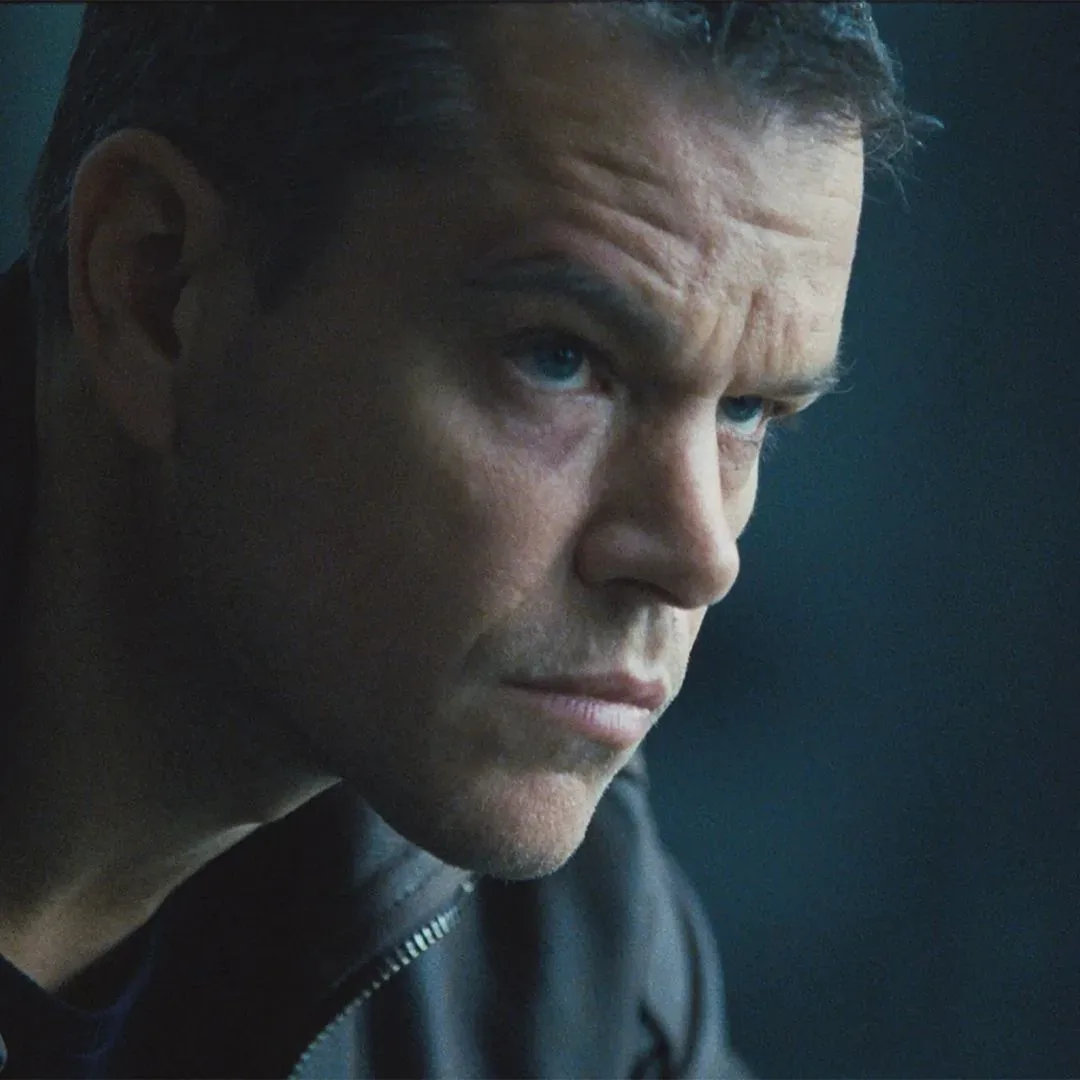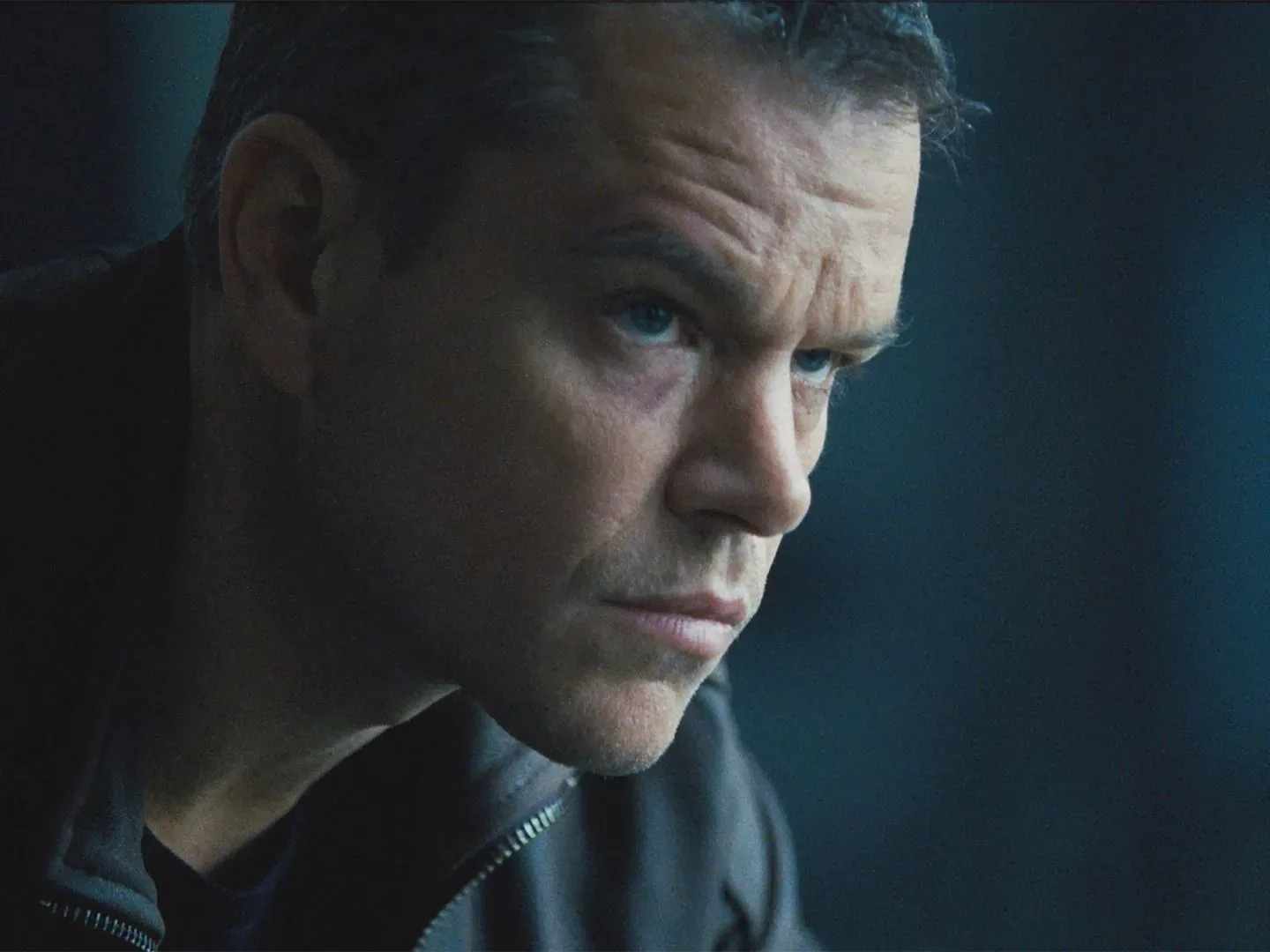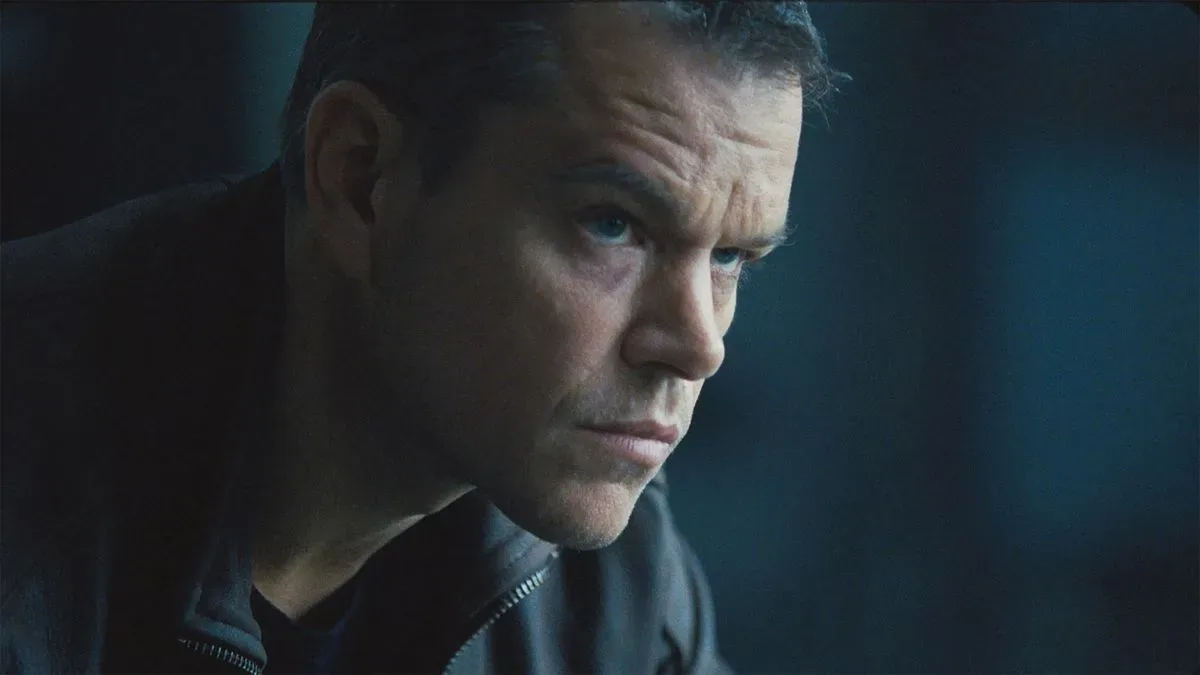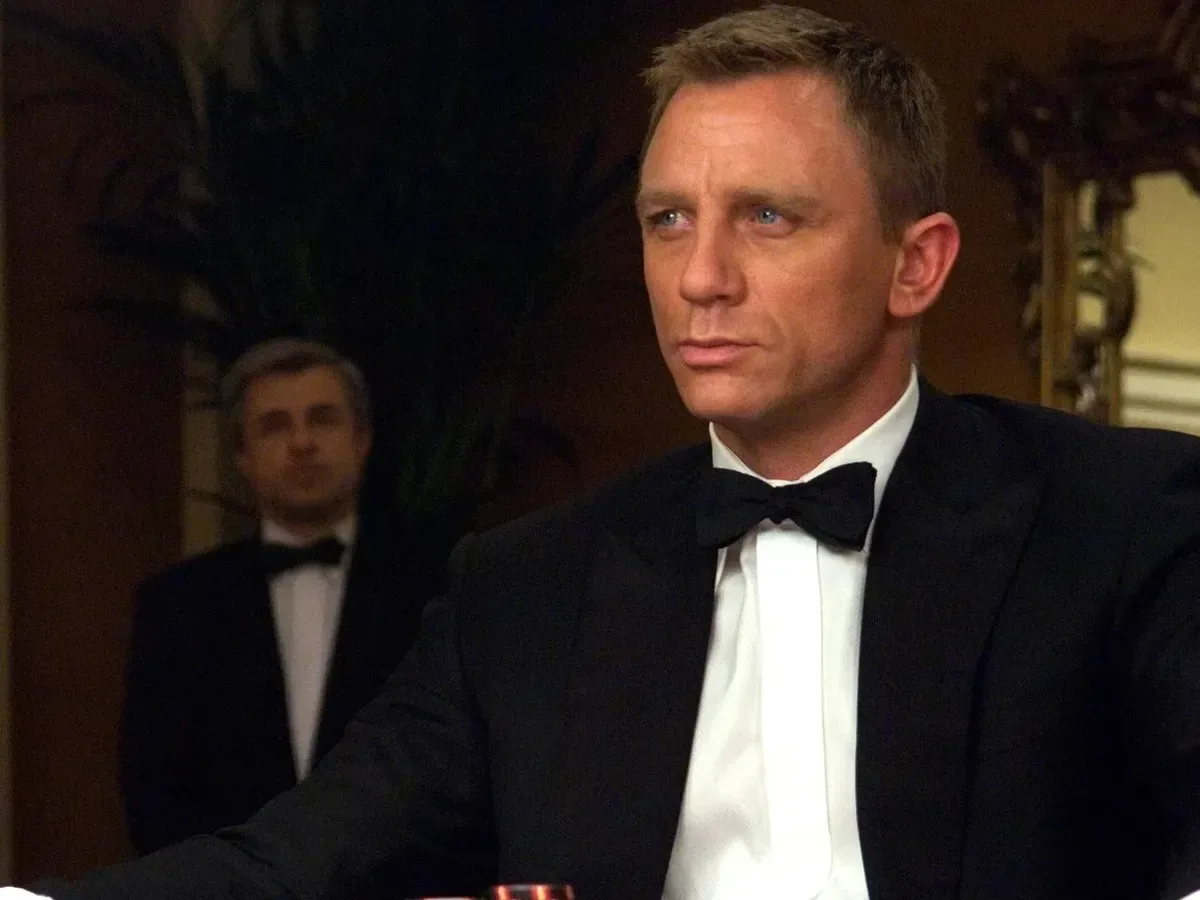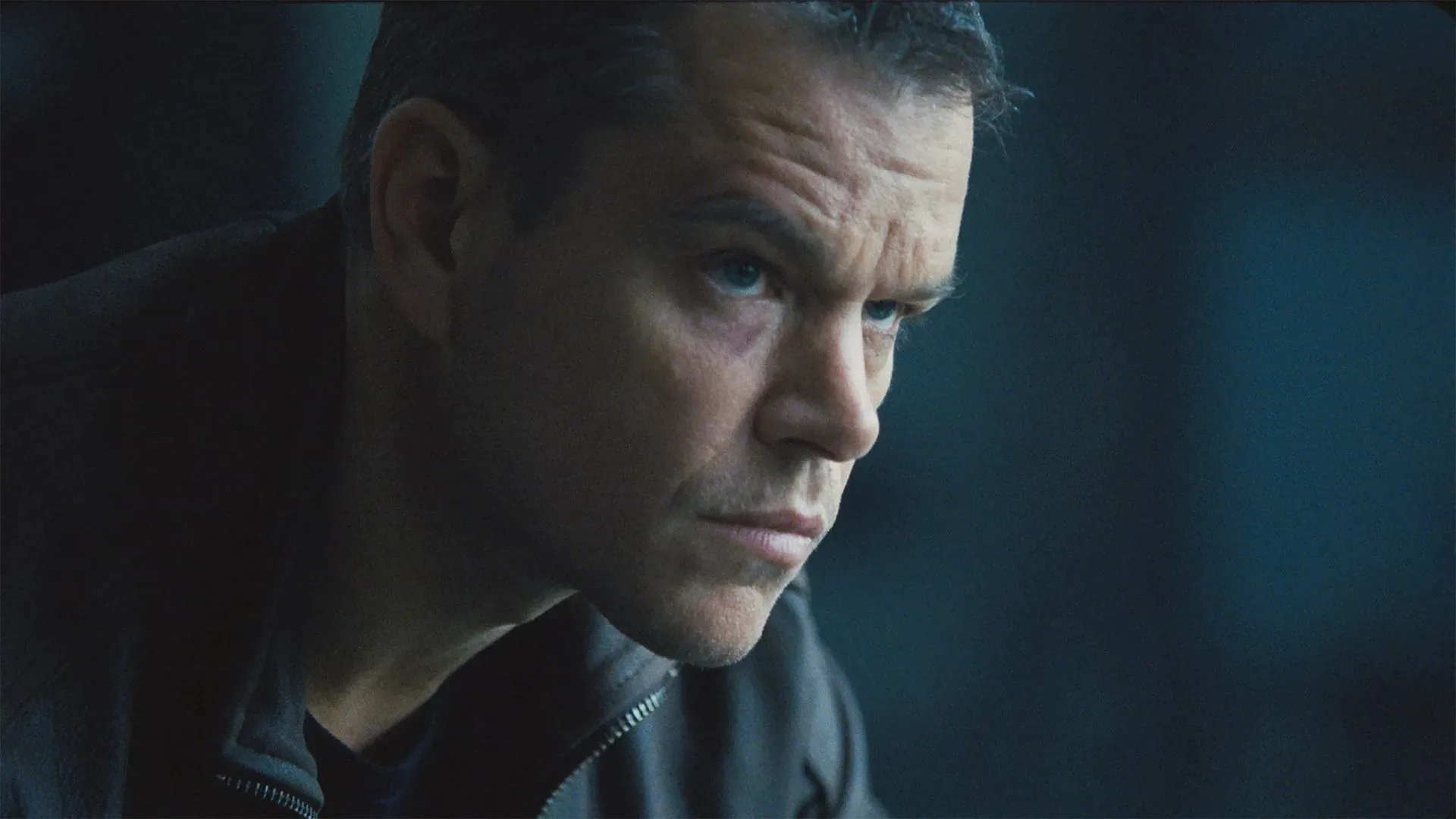
Paul Greengrass says there was once a real possibility that he could have brought his particular brand of urgent, rough-edged spy action to James Bond. Instead, the director chose to remain with Jason Bourne.
Speaking on The Rest Is Classified podcast, Greengrass said he was asked about directing a Bond film after making The Bourne Supremacy. He framed the decision not as a rejection of Bond’s people or its leading man, but as a matter of allegiance to the series he was already helping define.
“They asked me after I did Bourne Supremacy,” Greengrass said. “I have immense admiration and respect for what [producers] Barbara Broccoli and Michael Wilson did with that. And [Daniel Craig] was a fantastic James Bond.”
Greengrass’s central point was simpler still: he felt he could not cross from Bourne to Bond at that moment. He compared the move to a player swapping Manchester United for Manchester City, saying that it would not have felt right because he felt loyal to Bourne.
It is a revealing near-miss from an era in which the two espionage franchises were routinely placed side by side. Both were active through the 2000s and 2010s, both dealt in hard-edged international intrigue, and both became major reference points for what large-scale screen spy stories could look like. Yet they arrived there through distinctly different creative identities.
The Bond job Greengrass may have been offered
The timing suggests Greengrass may have been considered for Casino Royale, though that specific title has not been confirmed in his comments. Casino Royale ultimately went to Martin Campbell, who had previously directed GoldenEye and helped launch Pierce Brosnan’s tenure as 007.
That makes the reported approach particularly interesting in retrospect. Casino Royale was the film that introduced Daniel Craig’s Bond, so its director would have had the task of establishing a fresh on-screen version of the character. Campbell was therefore returning to a familiar kind of assignment: helping lead Bond into a new chapter with a new actor.
Greengrass, meanwhile, had just worked on the Bourne series. His decision meant the two franchises would continue on separate tracks rather than sharing a director at a pivotal point for both. It also means any idea of a Greengrass-directed Craig Bond belongs firmly in the realm of an unrealized possibility, not a lost production with known scenes, plans, or casting details.
Loyalty, not hostility
Greengrass’s explanation matters because it avoids the usual “one franchise versus another” framing. He explicitly praised Broccoli and Wilson, the producers he named, and called Craig a fantastic Bond. The reason he gave was not that Bond lacked appeal. It was that moving to Bond while he identified strongly with Bourne felt like moving to the other side of a sporting rivalry.
That is a useful distinction. In film reporting, an offer that was declined can easily be read as criticism of the job, the script, the studio, or the finished movie. Greengrass did not present it that way. His remarks instead describe a creative and personal choice: he saw Bourne as his team.
His football comparison is deliberately blunt, but it communicates the emotional logic behind a decision that might otherwise appear purely professional. Directors do move between large franchises, but Greengrass’s comments show that a filmmaker can also see a series as something more than another credit. For him, Bourne carried enough ownership and affinity that taking Bond would have felt disloyal.
Why the Bourne-versus-Bond conversation endured
“Spy franchise rivalry” can be an oversimplification, but there was a clear overlap in the period described by Greengrass. Bourne and Bond were both prominent names in cinematic espionage, with each offering a harder, grittier form of spycraft than audiences might associate with earlier entries in the genre.
Spycraft here means the tradecraft and operational side of espionage storytelling: surveillance, covert movement, intelligence work, pursuit, deception, and physical conflict. It is more than a character wearing a tuxedo or carrying a recognizable gadget. The term describes how a film makes spying feel on screen, whether through procedure, action, atmosphere, or all three.
Greengrass’s place in the Bourne story makes his Bond near-miss stand out because viewers could reasonably imagine what he might have brought to another high-profile spy property. But imagining that version of Bond should not be mistaken for evidence that it was ever developed. The supported fact is limited but notable: he says he was asked after The Bourne Supremacy, and he says he declined.
The creative paths that followed are equally important. Campbell directed Casino Royale; Craig became Bond; and Greengrass remained identified with Bourne. In other words, the contrast between the two series was not merely a marketing narrative. At least in this instance, it informed a director’s personal decision about where he belonged.
Where both franchises stand now
Neither property has had a new film entry in recent years. Jason Bourne, released in 2016, remains the latest film in the Bourne series. Craig’s Bond ended with No Time to Die, which killed off his version of the character.
Bond’s next screen chapter is now in development. Denis Villeneuve is attached to direct Bond 26, while the search for the next actor to play 007 continues. Jacob Elordi and Jack Lowden have been reported among the names in the conversation, but those reports are not confirmation of casting.
That uncertainty makes Greengrass’s recollection timely in a broader sense. Whenever Bond changes actors, a director becomes central to the question of what kind of reinvention is coming: a continuation, a reset, or something in between. The appointment of Villeneuve establishes one major part of that creative equation, but the identity of the next Bond remains unresolved.
For a separate look at another evolving movie franchise, see our coverage of the planned character connection in A Quiet Place Part 3.
A fascinating alternate route for 007
Greengrass’s comments do not rewrite what happened to either series. Campbell took the Bond assignment, Craig became 007, and Greengrass remained connected to Bourne. Still, the anecdote adds a sharp new detail to the history of two franchises that were often discussed together.
It also offers a rare, straightforward explanation for a high-profile directorial “what if.” Greengrass says the decision came down to loyalty. He respected Bond, its producers, and Craig, but he felt he was already playing for Bourne.