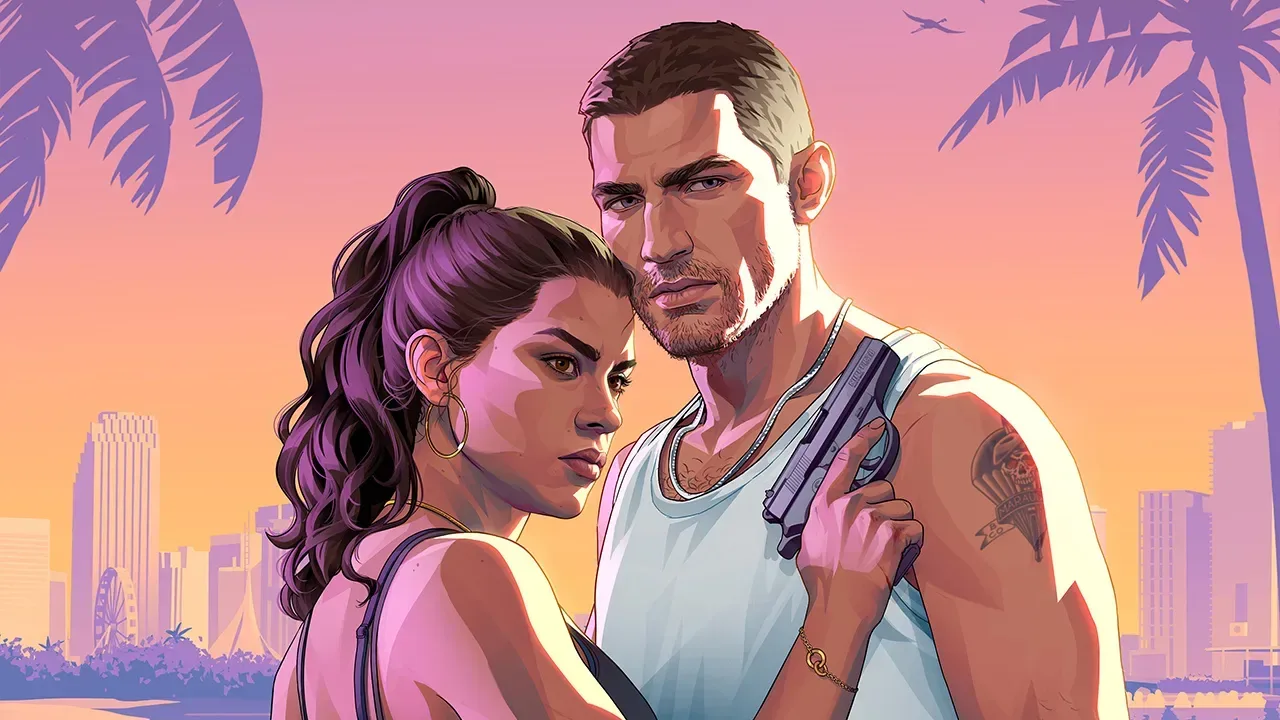
Grand Theft Auto 6 is absorbing an extraordinary amount of attention in the first days after launch. That is hardly surprising for a release characterized as the biggest game launch of the past decade, but the practical effect is clear: readers who want GTA 6 news have plenty to browse, while readers looking for anything else may have to work much harder to find it.
The immediate post-launch period has produced a dense wave of GTA 6 reporting and discussion, including material that players may prefer to avoid until they have begun—or completed—the game for themselves. That creates two different navigation problems at once. Some players want comprehensive coverage, while others want a route around it that does not risk story details, discoveries, or even peripheral discussion they would rather encounter naturally.
A chronological latest-news feed is especially vulnerable to this kind of takeover. These feeds are designed to show what has been published most recently, not to balance subjects evenly. When one launch generates sustained reporting, it can fill much of the available space and push unrelated stories down the page rapidly. The result is not necessarily less gaming news overall; it is less visible gaming news for readers who are not following the dominant release.
A launch cycle can become an attention bottleneck
An attention bottleneck occurs when a single topic consumes a disproportionate share of a news audience’s interest and a publication’s output. GTA 6 is an obvious candidate for that effect. A giant release does not create just one news event. It creates multiple overlapping reasons to cover it: launch-day developments, reviews, player questions, industry reactions, technical discussions, guides, cultural conversation, and ongoing updates.
The important distinction is that this does not mean other companies or games have stopped generating news. It means the normal discovery mechanisms become less efficient. Someone interested in PC games, Nintendo, Xbox, PlayStation, competitive games, preservation, charity events, or streaming may encounter a long run of GTA 6 material before finding the item they were actually seeking.
The non-GTA material published during this opening stretch demonstrates that the rest of the business remains active. The available roundup identifies items connected with Riot Games, Pearl Abyss, Digital Eclipse, Games Done Quick, Blizzard, PolyCube, Nintendo, Nvidia, Microsoft, Ubisoft, Infold Games, Embark Studios, Freshly Baked Games, and Netflix. Those names span publishers, platform holders, technology companies, developers, an events organization, and entertainment businesses. Even without further details on each individual item, that range is a useful reminder that a blockbuster launch has not paused the rest of the medium.
Why spoiler-conscious readers feel the pressure first
For a game as high-profile as GTA 6, “spoiler” can mean more than a plot twist. Readers may want to avoid information about characters, missions, locations, systems, surprises, or the shape of the game’s opening hours. They may also simply want to form their own opinion before seeing the conversation around it.
That preference is increasingly difficult to maintain when a topic dominates headlines and feeds. A headline can be useful without being a spoiler, but frequent exposure can still change what a player expects from a game. The solution is not that GTA 6 should disappear from coverage; launch coverage is legitimate news. The need is for clearer paths toward unrelated reporting, so readers can decide how much of the GTA 6 cycle they want in their day.
For readers, practical habits can help:
- Use category pages rather than relying only on reverse-chronological feeds.
- Search directly for the platform, studio, genre, or game that interests you.
- Save non-GTA stories when you spot them, since they can quickly be displaced by fresh launch coverage.
- Be selective with headlines and social feeds if going in fresh matters to you.
Those steps are not a perfect filter, but they restore some control when one game becomes the center of nearly every conversation.
The overlooked story is still a story
The current moment also matters for the people behind news that lands beside a blockbuster. A story involving a developer, platform, update, event, or smaller game does not become less meaningful because it appeared during GTA 6’s opening days. It simply faces stiffer competition for attention.
That is why curated roundups have value. Rather than asking readers to scroll through a flood of one subject, a roundup establishes a deliberate alternative route: here are the stories that were published while the major launch dominated the page. It acknowledges the reality of the moment without treating every reader as if they share identical interests.
It can also help contextualize the scale of the coverage surge. The identified non-GTA entries amount to a varied set of subjects across the games business. Their presence undercuts the simplistic idea that a huge launch leaves “nothing else happening.” The real issue is distribution of attention, not a lack of activity.
What the range of names tells us
The list of organizations associated with non-GTA coverage is broad enough to sketch several concurrent currents in gaming. Riot Games and Blizzard point toward major live-service and competitive-game ecosystems. Pearl Abyss, Embark Studios, Infold Games, and Freshly Baked Games represent developers whose work may draw very different audiences. Nintendo, Microsoft, and Ubisoft represent the major corporate and platform side of the business, while Nvidia signals the technology layer that supports PC gaming.
Digital Eclipse’s appearance is notable in a different sense: it is a name closely associated with work that brings attention to games and game history outside the constant churn of the newest release. Games Done Quick, meanwhile, reflects the event and community side of gaming culture. Netflix broadens the picture beyond traditional game publishing altogether.
None of those references establishes a specific announcement, product update, or release on its own, and readers should not infer details that are not provided. But collectively they show that the post-launch news cycle contains more than one kind of story. The challenge is discovering those stories before the next GTA 6 headline arrives.
GTA 6’s dominance is newsworthy—but so is the wider calendar
There is a genuine editorial case for intensive attention on a release of this size. Major launches can affect players, developers, publishers, platforms, and the wider entertainment conversation. They also generate fast-moving information that audiences actively seek. Treating GTA 6 as a major story is not the same thing as claiming it is the only story.
The more useful approach is to recognize both truths: GTA 6 is a defining release-cycle story, and the rest of gaming deserves navigable space alongside it. That includes events beyond the immediate launch rush, such as The Horror Game Awards 2026 stream, which is scheduled for November 20 and is set to include 21 categories and more than 20 reveals.
For now, the GTA 6 news wave is likely to remain prominent. Readers who want every detail will have no shortage of material. Readers who do not can take the existence of a non-GTA roundup as a useful signal: other stories are still arriving, from major publishers and hardware companies to studios, events, and entertainment partners. They have not vanished. They are simply competing with one of gaming’s largest launch moments for a place in view.