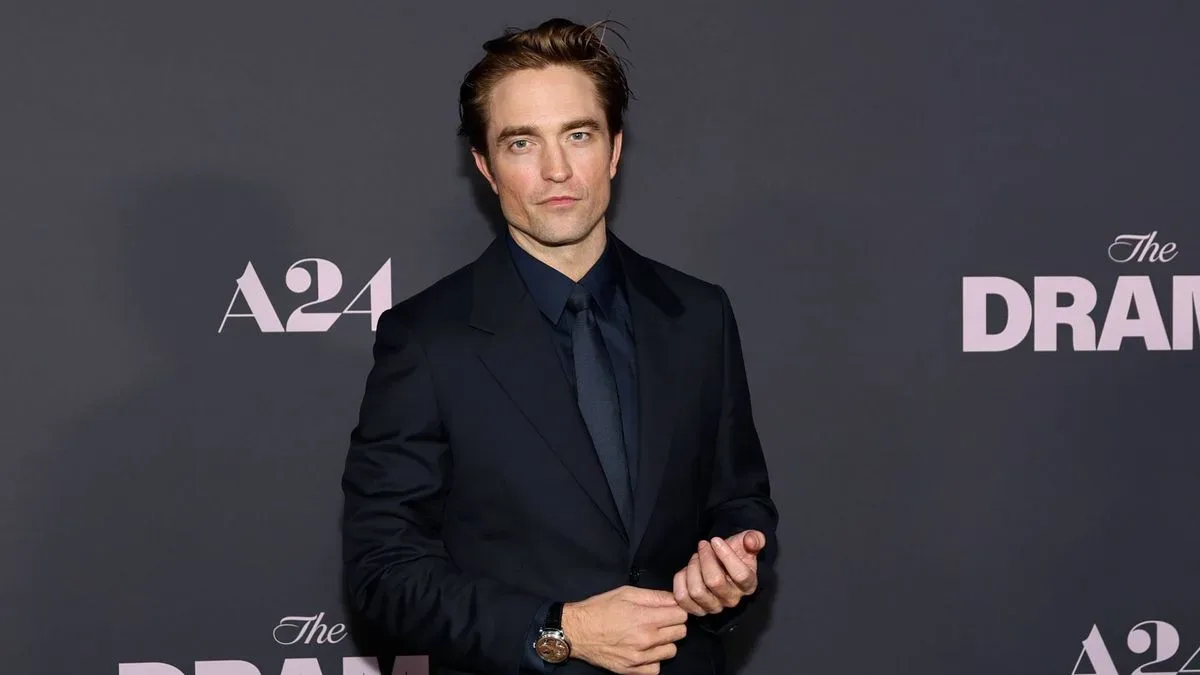
Robert Pattinson is the next James Bond. The actor has been confirmed to play 007 in Bond 26, the next theatrical chapter of the long-running spy series. Denis Villeneuve is attached to direct, while Steven Knight has written the screenplay. It is a substantial foundation for a film that still has many operational details under wraps: there is no announced release date, no publicly confirmed filming start, and no revealed supporting cast.
That balance matters. Bond news has always generated a thick fog of casting wishes, franchise predictions and internet certainty, but the distinction here is clear. Pattinson, Villeneuve and Knight are the firm pieces. A late-2028 or 2029 arrival is an informed projection rather than a studio commitment. Ideas about a villain, M, Q, Moneypenny, Felix Leiter, a plot involving artificial intelligence, or the length of Pattinson’s tenure all remain either unconfirmed or speculative.
Still, the confirmed appointments offer useful clues about the kind of reset Amazon MGM may be preparing. Pattinson is taking over after Daniel Craig’s five-film run, which ended with 2021’s No Time to Die. Villeneuve brings a filmmaker’s eye associated here with the three Dune films, and Knight arrives after creating Peaky Blinders. It is a new combination of actor, director and writer at a moment when Bond is again being rebuilt around a fresh lead.
What is confirmed about Bond 26
- James Bond: Robert Pattinson will play 007.
- Director: Denis Villeneuve is directing.
- Screenwriter: Steven Knight wrote the screenplay.
- Producers: David Heyman and Amy Pascal are serving as franchise stewards.
- Studio: Amazon MGM is behind the film.
- Release date: None has been announced.
- Other cast members: None have been officially confirmed.
Behind that list is a major business change for the franchise. Barbara Broccoli and Michael G. Wilson sold their controlling stake in Bond to Amazon in February 2025. Heyman and Pascal were subsequently brought in to oversee the series. Villeneuve was hired in June 2025, followed by Knight’s screenplay assignment in August 2025.
Those names make the current stage of the production easier to understand. The project has a lead actor, director, writer and producers, but it has not begun filming. That means the public has the outline of the mission, not the complete dossier. Casting the rest of Bond’s world, scheduling production, finalizing the crew and setting a distribution date are consequential pieces still to come.
Pattinson is a reset, not necessarily a rookie Bond
Pattinson was 40 at the time of the report, making a conventional “young Bond” origin story seem less likely. Age alone does not reveal anything definitive about the screenplay, and no plot details have been released. But it does make a version of Bond already capable in the field appear more plausible than a story dedicated to his earliest days as an agent.
That potential direction would distinguish the new interpretation from a simple effort to replay an earlier debut. A reboot does not always mean that a character begins life in the same place. In franchise terms, a reboot is a fresh continuity or a newly defined version of a character; it can retain familiar institutions, roles and iconography without being bound to the previous lead’s storyline. The new film could introduce an experienced Bond while still establishing the rules and emotional stakes of Pattinson’s era from scratch.
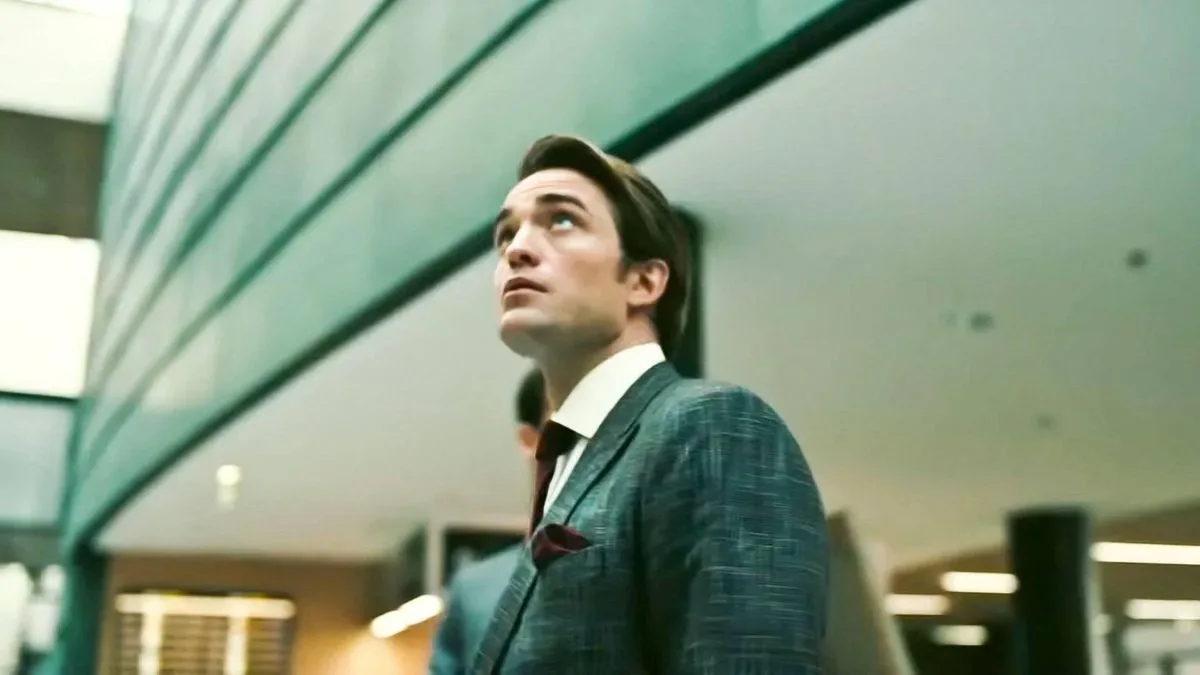
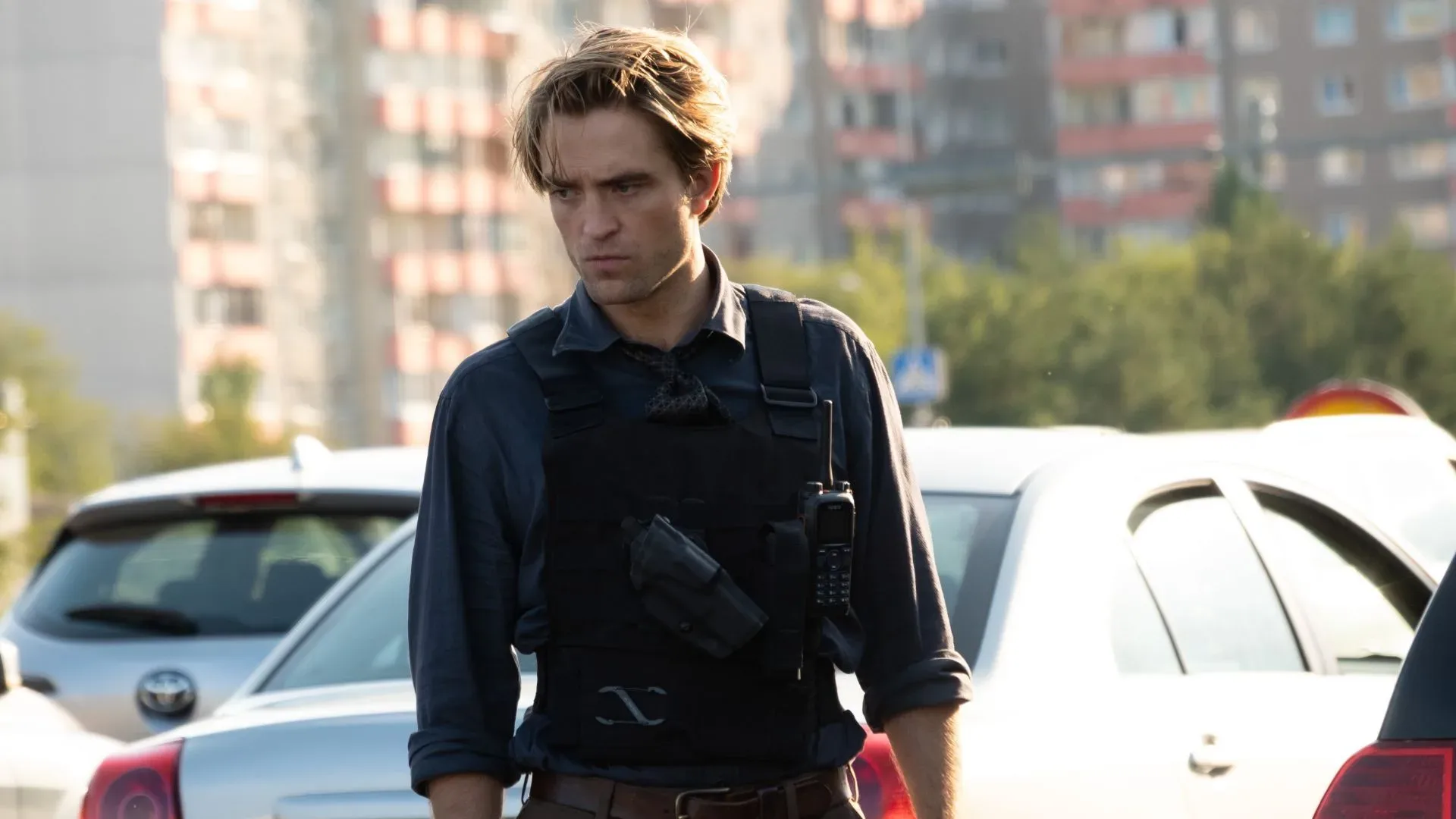
Pattinson’s work in Tenet is one relevant reference point because he played Neil, a poised and elusive operative in a large-scale espionage thriller. Former Bond writers Neal Purvis and Robert Wade said they saw the necessary qualities in that performance, specifically identifying its sly wit and coolness. That is praise for an actor’s screen presence, not confirmation of a screenplay tone, but it helps explain why the casting reads as a move toward a more slippery, watchful kind of spy rather than an entirely brute-force hero.
There is also little reason to assume the next Bond will imitate any one past incarnation. Craig’s era leaned into physical damage, personal history and continuity between films. Earlier eras more often treated individual adventures as self-contained missions. Pattinson’s casting opens the door for another calibration rather than a replica of either model.
Villeneuve and Knight are the key creative equation
The headline casting naturally dominates attention, but the creative pairing behind Pattinson may be just as important. Villeneuve is directing after completing Dune 3, which is scheduled for release on December 18. Once the associated promotional work is done, he is expected to be able to focus more fully on Bond, although no production schedule has been announced.
Knight’s involvement is significant because the script is where a reboot decides what it believes Bond is for now. His screenplay is described as complete. That does not necessarily mean it is frozen forever; scripts can change as casting, scheduling and production planning evolve. It does mean the film has moved beyond the earliest hunt for a writer and has a creative blueprint in place before cameras roll.
Bond has repeatedly been shaped by the anxieties and technologies associated with its moment. The original literary material by Ian Fleming has been extensively adapted over time, sometimes through stories and sometimes primarily through titles, leaving each new team with the task of deciding which contemporary pressures deserve a place in 007’s world. The source material supplies no confirmed premise for Bond 26, so any claims about its central threat should be treated carefully.
One subject likely to remain in the broader conversation is artificial intelligence and digitally driven espionage. That is analysis, not revealed plot information. Contemporary spies do not operate only through paper files, coded radio traffic or face-to-face exchanges; the tension between classic tradecraft and technology is an obvious modern storytelling question. Tradecraft means the techniques used in intelligence work, such as surveillance, recruitment, deception and secure communications. Whether Knight’s script uses AI directly, indirectly or not at all has not been disclosed. The larger cultural debate is moving quickly, including in creative fields, as covered in this look at an awards category for AI creators.
Villeneuve’s prior work is often comparatively serious in mood, which has prompted reasonable discussion of whether the new Bond may avoid the broadest comic register of the franchise. But “serious” need not mean humorless, and it does not by itself settle how action, romance or spectacle will be handled. Until the film’s marketing reveals more, the responsible read is that Villeneuve’s appointment signals intention and ambition, not a completed tonal map.
The supporting cast is still a blank page
Only Pattinson has been confirmed in front of the camera. No actor has been announced as a villain, an ally or a member of MI6. Nor is there confirmation that every familiar supporting figure will appear in the first film of the new era.
That leaves substantial questions around M, Q, Moneypenny and Felix Leiter. These names are part of Bond’s recognizable supporting architecture, but recognizability is not the same as a guarantee. The filmmakers could introduce them immediately, delay some of them, reshape their functions, or take another approach altogether. Similarly, there is no confirmed “Bond girl,” a label historically used around the series but one that says little about how a new film may write its female characters.
For viewers, the practical implication is simple: do not mistake a popular fan-cast for an attachment. Until Amazon MGM publicly identifies an actor and role, the only confirmed cast list is remarkably short.
A teaser image offers atmosphere, not answers
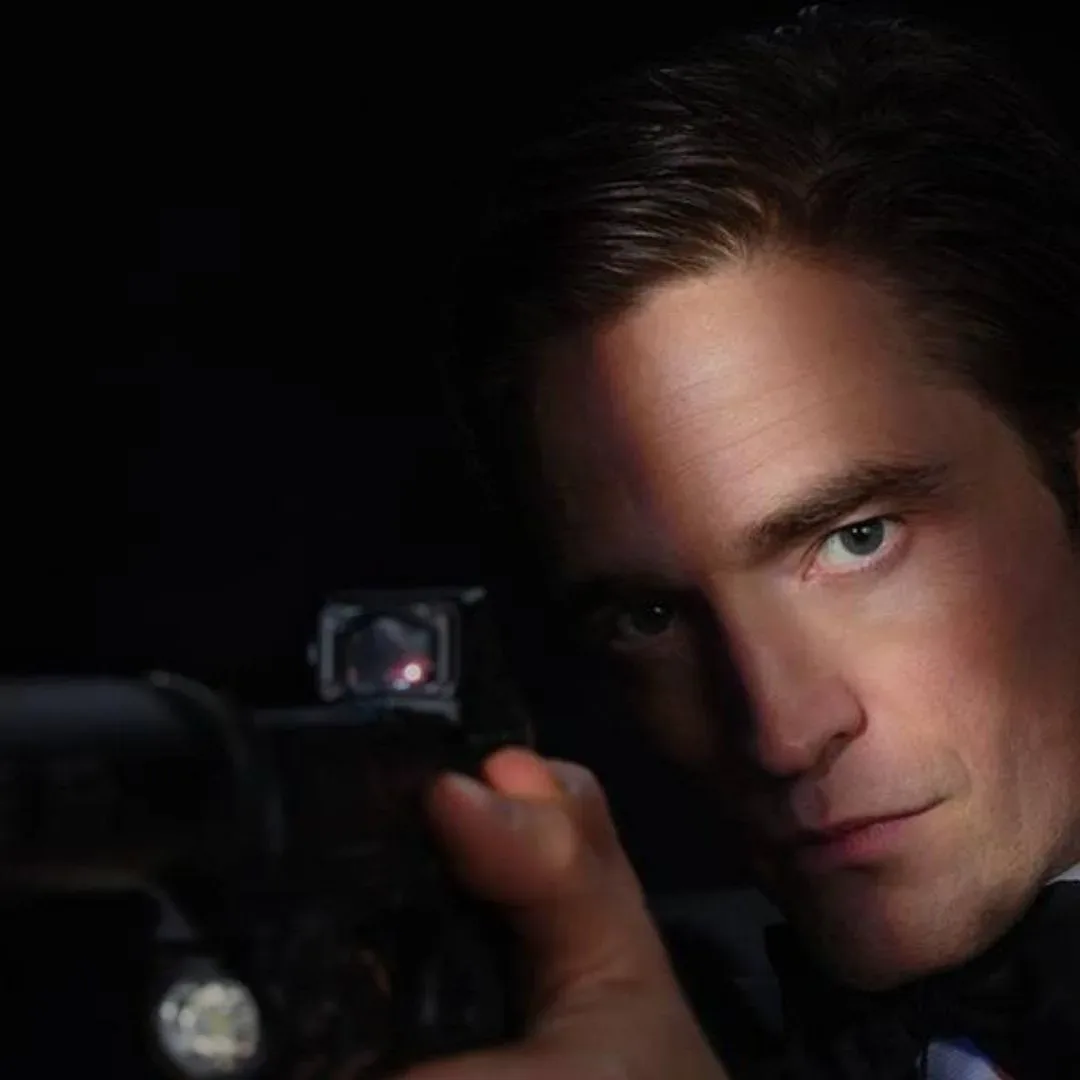
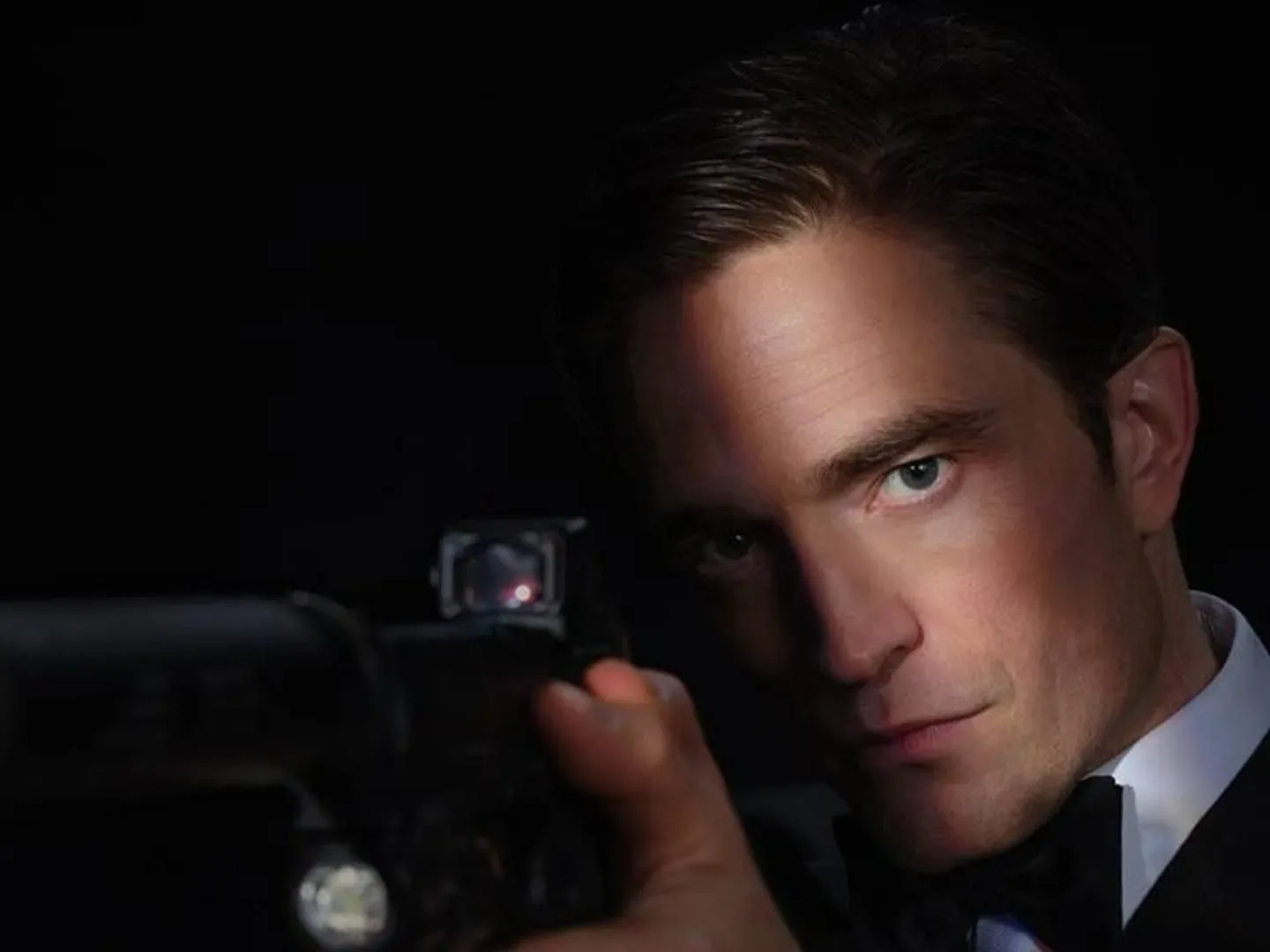
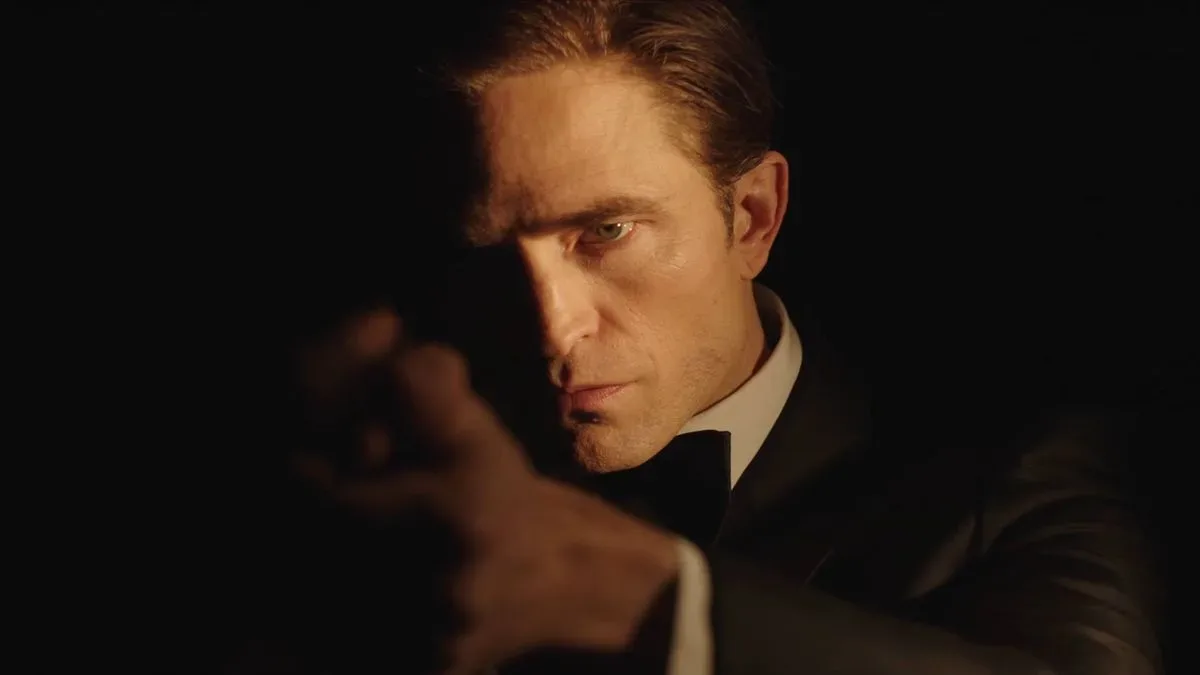
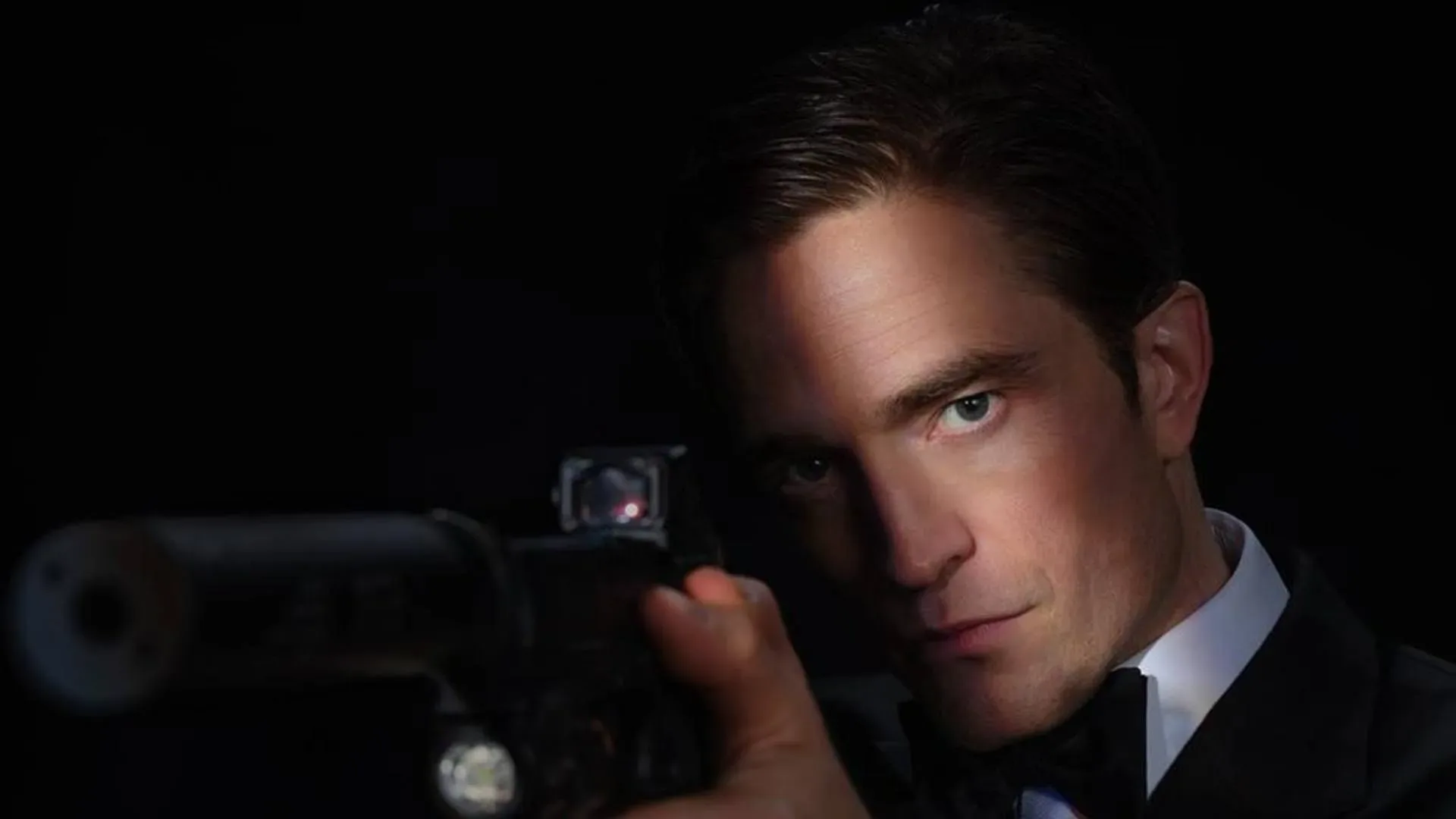
There is no full trailer because filming has not started, but a 26-second casting-announcement video has offered the first glimpse of Pattinson in the role. It shows him stepping out of deep shadow in a traditional tuxedo while holding a pistol with a red-dot sight, a type of optic that uses a projected aiming point.
That small visual detail has already sparked debate among Bond watchers because it is a more overtly modern-looking weapon setup than some expect from the character. It should not be overread. A red-dot sight is a piece of equipment, not a plot summary, and a brief promotional reveal cannot establish the wider approach to gadgets, action staging or MI6 itself.
The initial promotional image was photographed by Jaap Buitendijk, who described its sharply shadowed look as the result of a tightly focused beam from a Fresnel light. A Fresnel is a film and photography light known for producing a controllable, concentrated beam. That detail explains the image’s high-contrast visual effect without proving it represents the final cinematography of the feature.
There has been unconfirmed talk that Greig Fraser, Villeneuve’s cinematographer on Dune and Dune: Part Two, could reunite with the director for Bond 26. Fraser was replaced by Linus Sandgren on Dune 3; Sandgren previously worked as cinematographer on No Time to Die. Neither possibility has been officially announced for the new Bond film, so neither belongs in a confirmed crew list.
When might Bond 26 arrive?
No official date or release window has been given. The available production context points to a longer wait rather than an imminent premiere: Villeneuve still has commitments surrounding Dune 3, and Bond 26 has not started filming. A late-2028 or 2029 theatrical release is therefore a reasonable estimate, contingent on the usual variables that can shift major productions. It is not a promise.
The same caution applies to reports suggesting Pattinson may be committed to three films. Such reporting points to the possibility of a trilogy, but the number of films in his deal has not been officially confirmed. Craig ultimately played Bond in five films over 15 years. There is also no answer yet on whether Villeneuve will direct beyond this first installment, even though he has recently completed a three-film run with Dune.
For now, Bond 26 has something more valuable than a precise calendar slot: a clearly defined lead and a top-level creative team. Pattinson gives the franchise its new face; Villeneuve and Knight give it an authorial center. Everything else—the mission, the allies, the enemy, the release date and the shape of the wider run—remains classified.