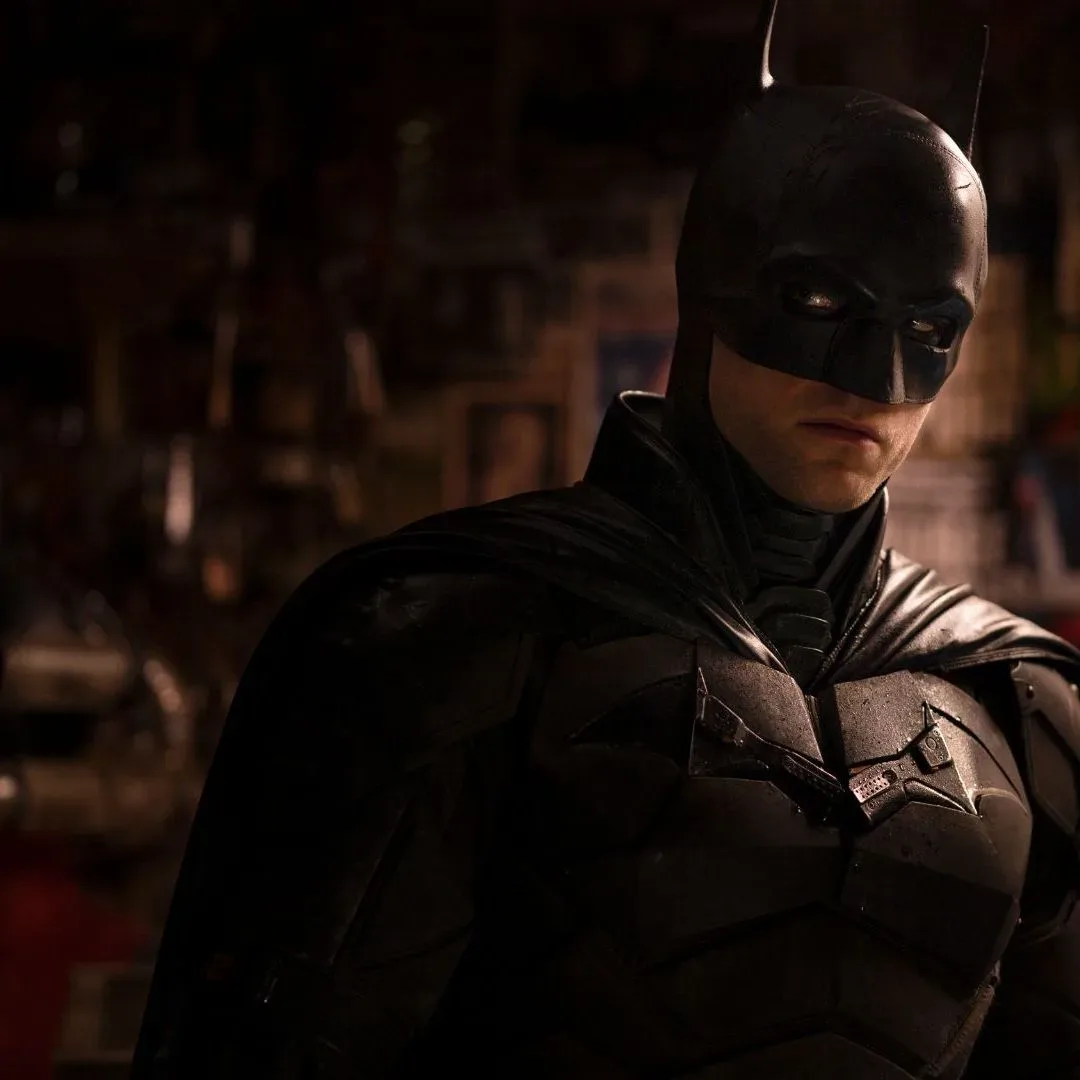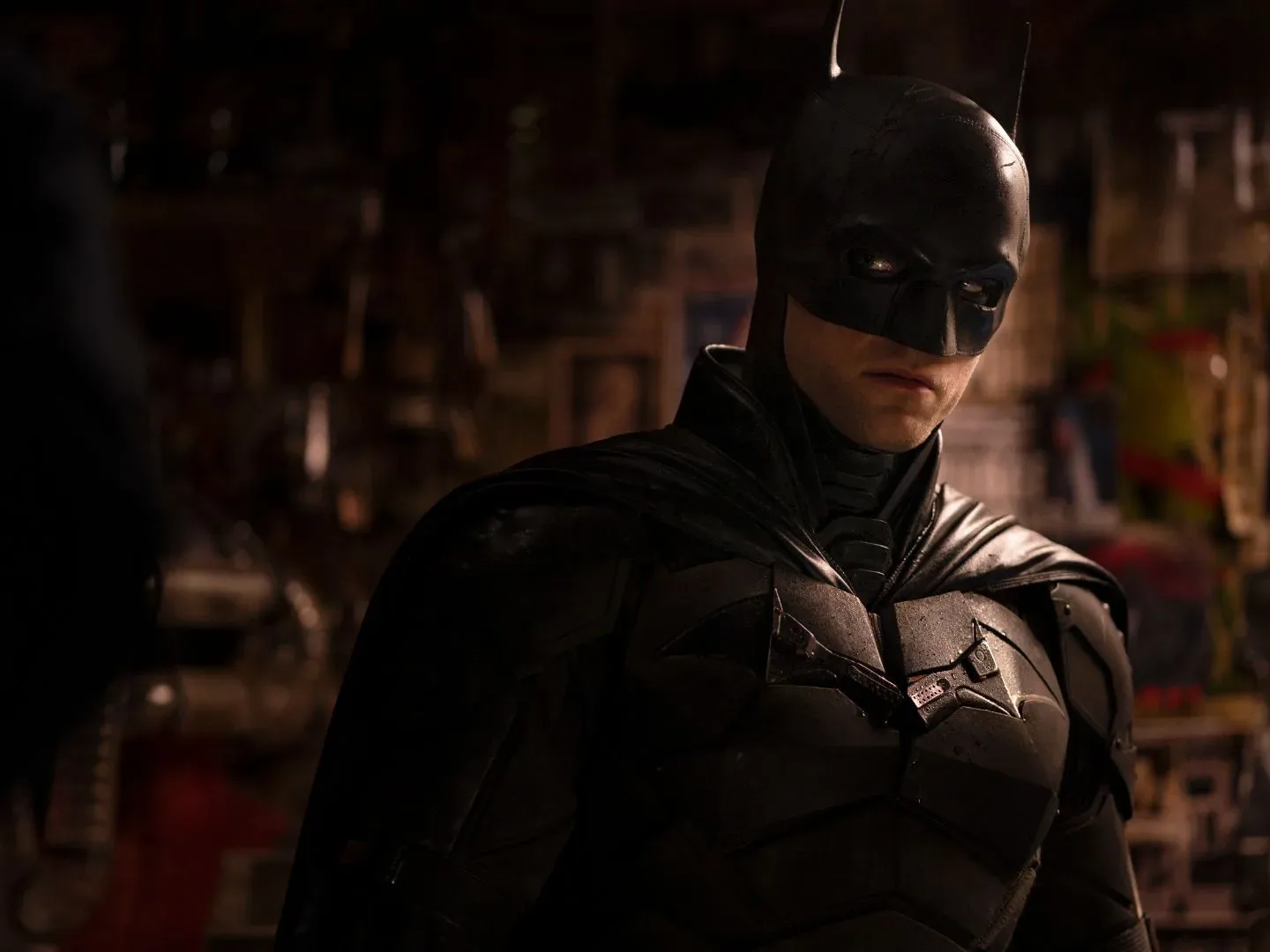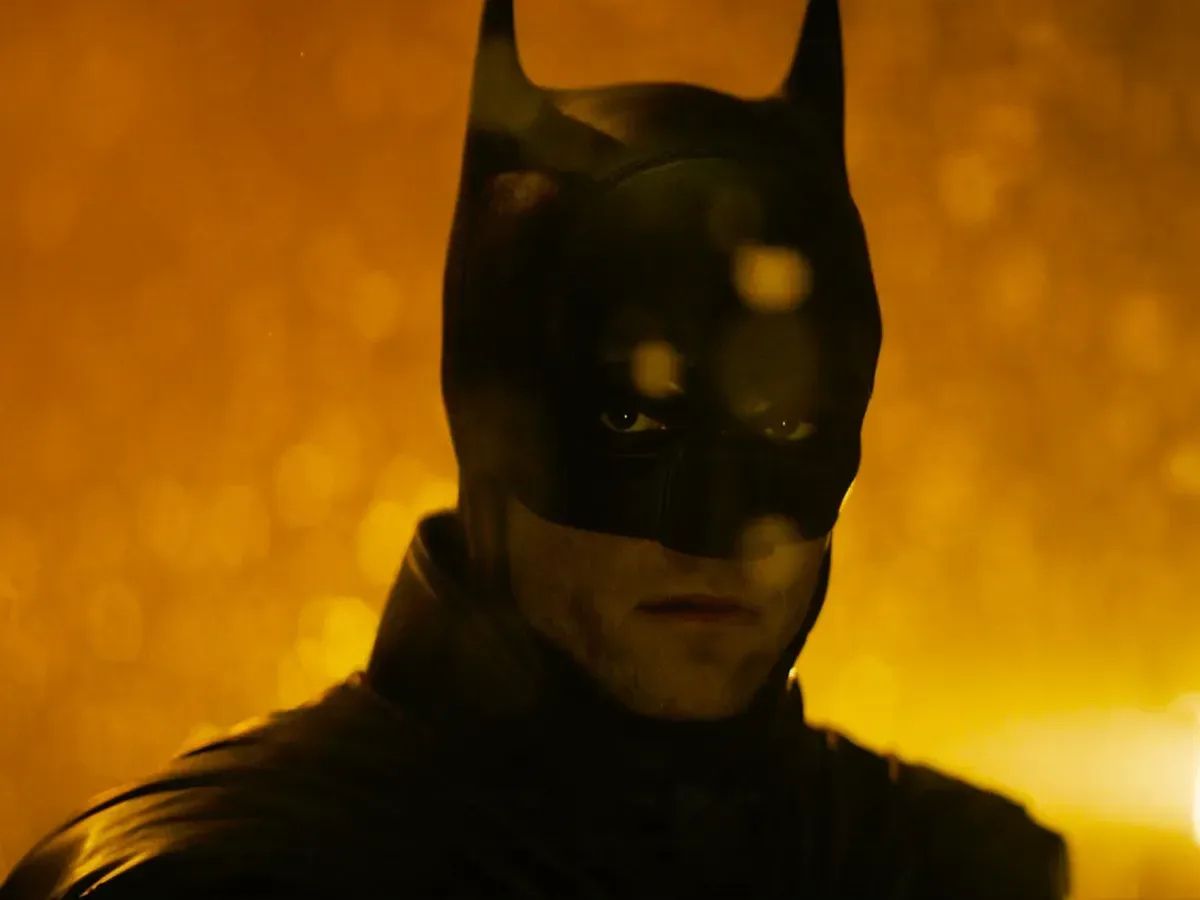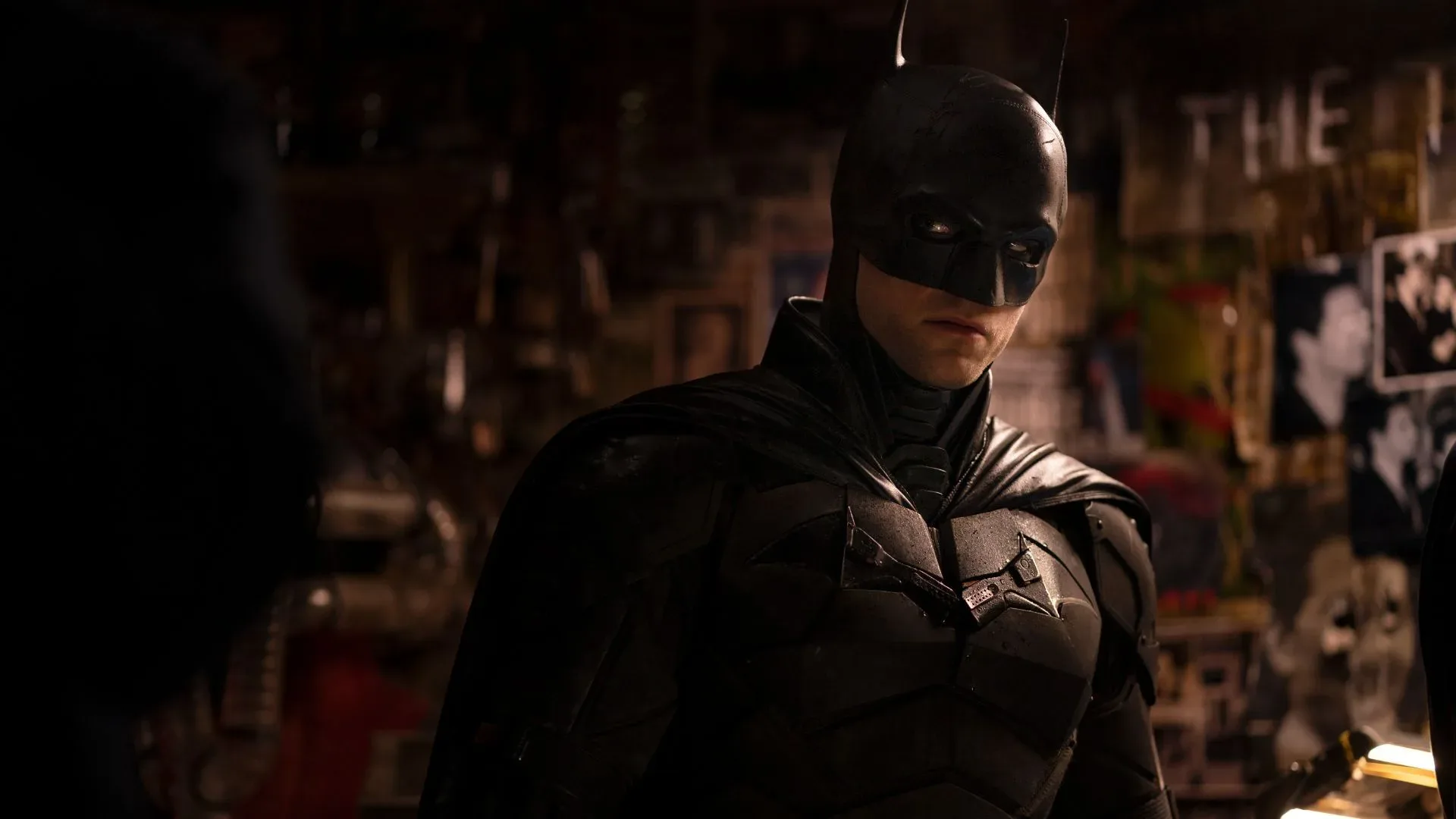
Robert Pattinson does not sound convinced that his Batman should cross from Matt Reeves’ separate Gotham into the main DC Universe continuity. While filming The Batman 2, Pattinson addressed the recurring question of whether his Bruce Wayne could become the DCU’s official Caped Crusader—and explained why he sees that as a difficult fit.
“I think it would be kind of tough to have this version of Bruce outside of [Reeves’] world,” Pattinson said. His reasoning is not simply a question of contracts or franchise labels. He described the character and production as unusually consuming, shaped by a visual and emotional atmosphere that is inseparable from Reeves’ approach.
“It’s one of the only characters I guess because of the length of the shoots but also it’s such a specific kind of [style], the tone of it gets inside you.”
That makes the answer more nuanced than a flat rejection. Pattinson did not say a crossover is impossible, nor did he announce any change to the status of his sequel. He is talking about creative compatibility: the Batman he plays has been built for a particular world, and moving that interpretation into another continuity could mean changing the very qualities that define it.
Why Pattinson sees Reeves’ Batman as its own world
The key phrase is tone. In film and television, tone is the overall emotional and stylistic character of a story: its mood, pacing, visual language, humor level, and the way its characters respond to the world around them. Pattinson’s comments suggest that Reeves’ Gotham is not merely a setting that can be swapped into a larger shared universe without consequence. It is part of the performance’s foundation.
He also described how the production’s darkness affected his own experience after the first film. “You’re just in the dark, the whole time,” he said, referring both to mood and literal lighting. “Both mood-wise and light-wise, I can’t see anything for like months. It does affect you like you feel strange afterwards.”
That description is useful context for fans who view Batman casting only as a matter of whether an actor looks right in the suit. Pattinson is emphasizing the workload and headspace behind the role. A long shoot, a character living in bleak circumstances, and an intentionally shadowy visual environment can create a creative process that feels very different from appearing as one member of a broad ensemble.
None of that makes one model inherently better than the other. A standalone interpretation can concentrate on one filmmaker’s vision, while a shared universe is designed to let stories and characters connect. But the two formats ask for different kinds of consistency. One protects a tightly controlled identity; the other has to leave room for the needs of many projects.
Elseworlds and the DCU are separate lanes
Pattinson’s Batman currently belongs to DC’s Elseworlds line. In this context, Elseworlds refers to stories that stand apart from the central continuity. That distinction allows Reeves’ Batman films to continue as their own continuity rather than being required to follow the plot, casting, or world-building choices of the relaunched DCU.
The DCU, overseen by James Gunn and Peter Safran, does include Batman in its larger plans. However, no actor has officially been cast as the DCU’s live-action Batman. Batman has appeared in animated form in Creature Commandos season 2 and has been referenced in HBO’s Lanterns, but those appearances do not amount to confirmation of a performer for the role.
This is an important distinction because references and animated depictions often fuel casting speculation. They establish that Batman exists in a continuity. They do not automatically establish which actor will play him, when he will first appear in live action, or whether he will be connected to a pre-existing Batman series.
Gunn has previously said that bringing Pattinson into the DCU has been discussed, but he also made clear that it is not the plan at present. “It’s not what’s happening right now,” Gunn said, adding that plans remain in flux.
“In flux” is an industry phrase worth reading carefully. It indicates that creative plans can change during development, not that a specific change has been decided. It should not be treated as evidence that Pattinson is joining the DCU, or as confirmation that he never could. The known position is narrower: Reeves’ Batman remains separate, and the DCU’s live-action Batman has not been cast.
The Brave and the Bold is still the DCU’s Batman project
The DCU film intended to center Batman is The Brave and the Bold. It remains in development. Development is the stage where a project is being shaped before it enters production, which can include work on the story, creative team, casting approach, schedules, and the larger franchise plan. A film being in development is meaningful confirmation that it is part of the slate, but it is not the same thing as a casting announcement or a filming start.
For now, that leaves DC operating in two clear Batman spaces. Pattinson is making The Batman 2 within Reeves’ world. Separately, the DCU is developing The Brave and the Bold and has not attached an actor to its Batman.
The distinction may be less confusing when viewed as a practical way to preserve creative freedom. Reeves can continue pursuing the particular darkness and intensity Pattinson describes without needing to reshape that work around a universe-wide continuity. Meanwhile, the DCU can cast and define a Batman suited to the tone of its own connected stories whenever its development process reaches that point.
What comes next for DC audiences
Before there is likely to be a decisive public update on the DCU’s Batman, several other projects are positioned ahead of it. Lanterns is coming to a close, Clayface is headed to theaters, and Man of Tomorrow arrives next year. Those projects can further establish the DCU’s identity before The Brave and the Bold moves beyond its current development phase.
That broader identity matters. Casting a shared-universe Batman is not only about finding an actor for a single movie; it is about deciding how that character will function alongside the DCU’s other heroes, settings, and ongoing stories. Pattinson’s comments underline why simply importing a successful existing portrayal is not necessarily the easy answer it appears to be.
Fans can reasonably remain interested in the possibility because the idea has been discussed. But the evidence at present points to separation, not an imminent merger. Pattinson’s Bruce Wayne is continuing in Reeves’ Elseworlds continuity, while the DCU’s Batman remains an uncast role tied to The Brave and the Bold.
That leaves room for two interpretations of Gotham rather than forcing one actor and one tone to carry every version of the character. It is also a reminder that superhero continuity conversations often run ahead of official decisions. Until DC names the actor for its main-universe Batman or changes the status of Reeves’ films, the most accurate reading is the simplest one: Pattinson is Batman in his own distinct corner of DC, and the DCU is still building its separate version. For another look at how major superhero projects balance franchise continuity with audience expectations, see this discussion of preserving the past while still surprising fans.