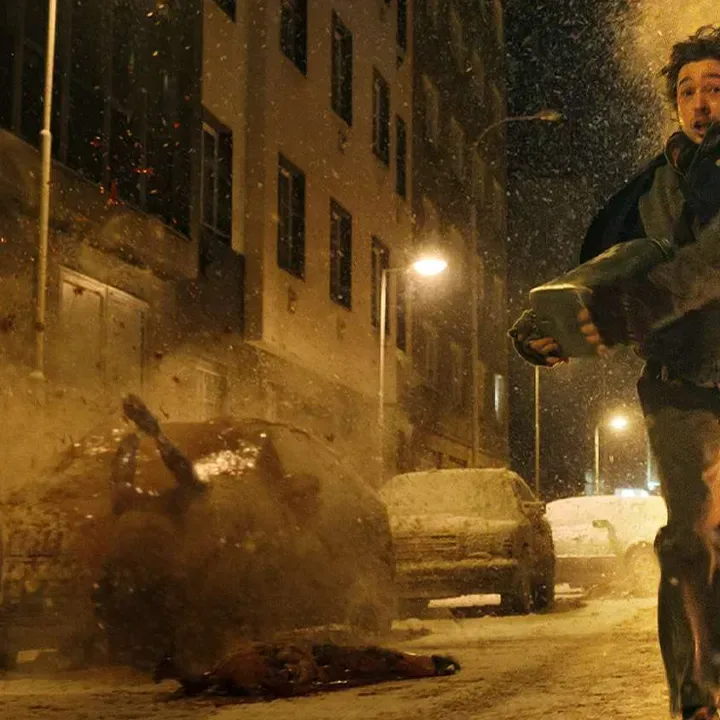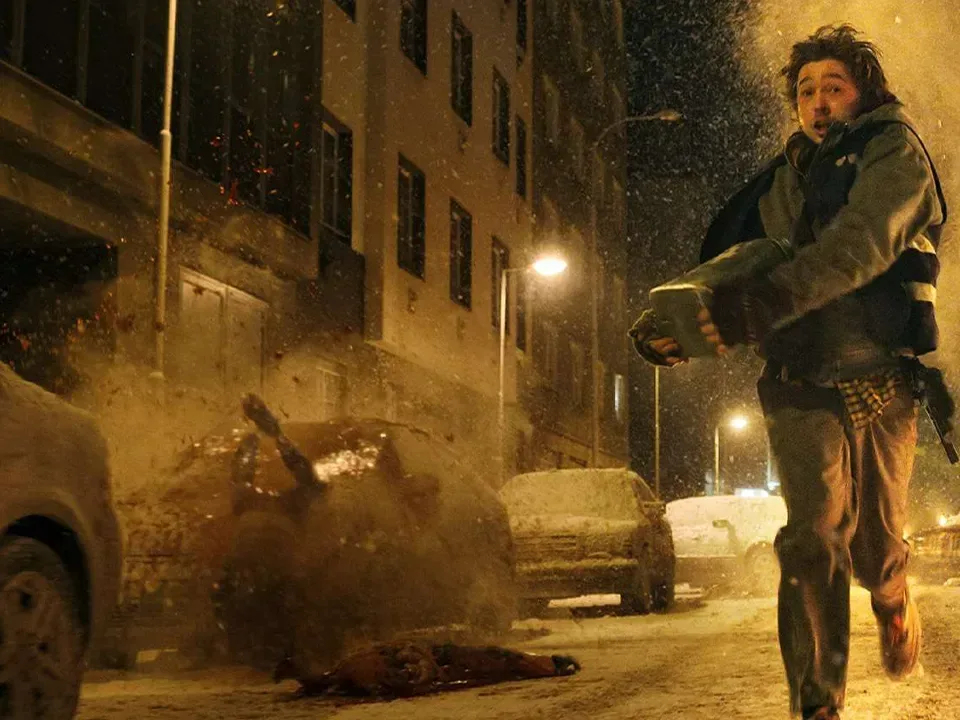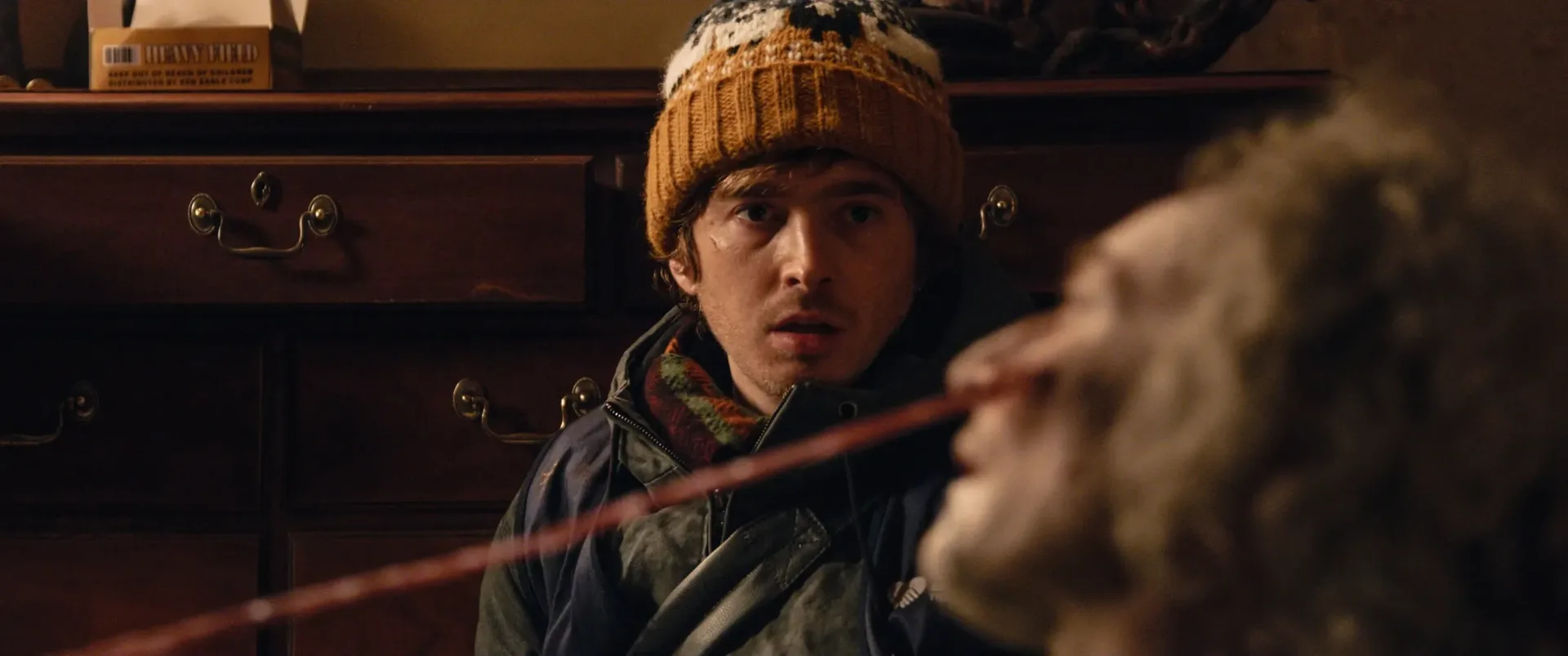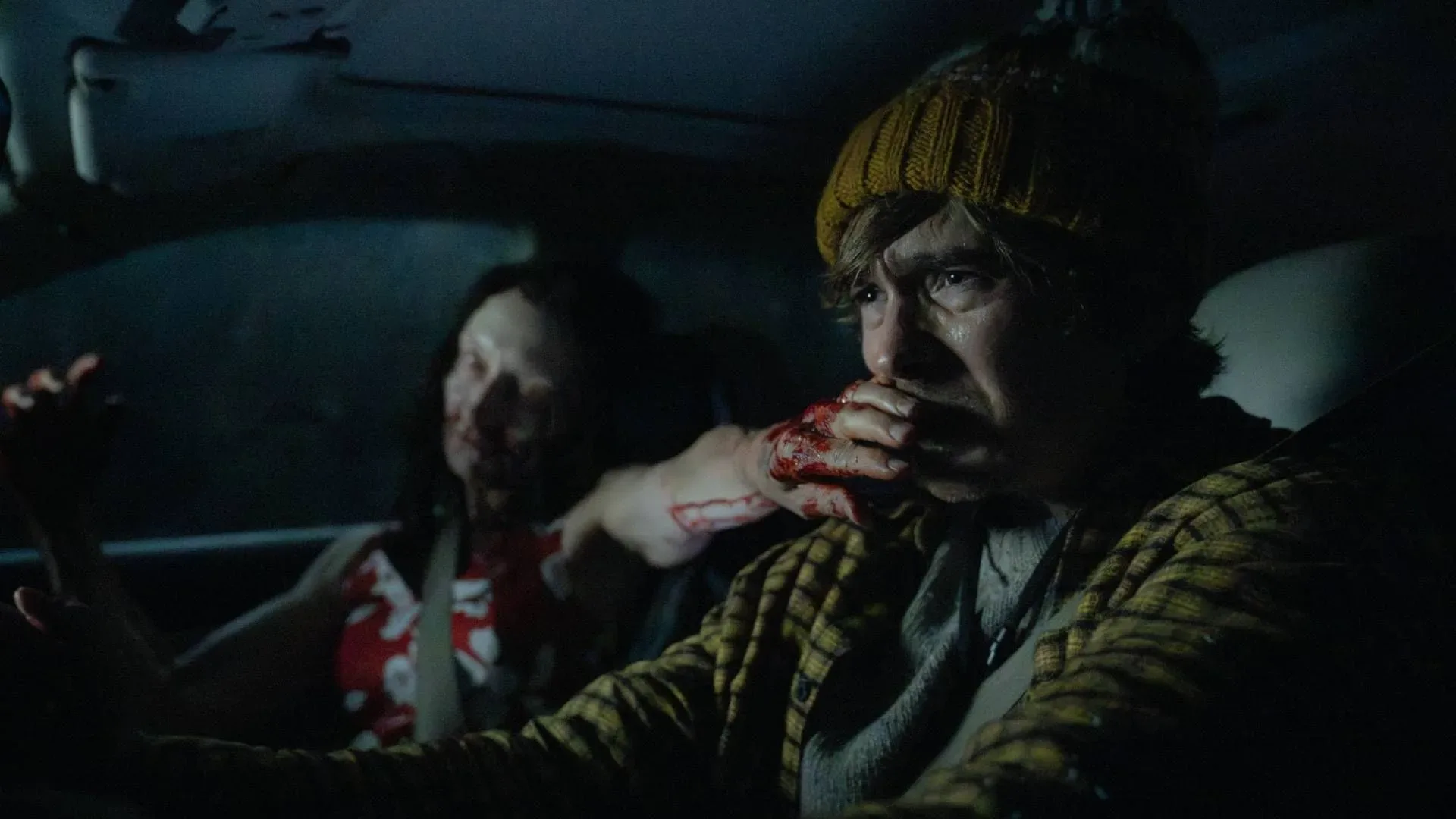
Resident Evil, Zach Cregger’s big-screen take on Capcom’s survival-horror series, has arrived on digital storefronts after a major theatrical run. The movie can be rented or purchased through services including Prime Video, while its listed digital purchase price is $24.99.
The move comes a little over 45 days after the film reached theaters, and follows a global box-office total above $400 million. That result has placed it among the biggest video game movie successes. There is also a notable horror-movie milestone within reach: another $30 million would put the film in contention for a place among the 10 highest-grossing horror movies ever.
Physical media has not been left behind entirely. DVD, Blu-ray and 4K editions are available to preorder, though a DVD release date has not yet been provided. For viewers deciding whether to wait, that distinction matters: a preorder listing confirms a planned physical release, but it is not a confirmed date or guarantee of when discs will reach shelves.
A theatrical hit moves into its next window
A digital release is the next phase of a film’s commercial life after theaters. In practical terms, it gives people who missed the theatrical run an at-home option while also creating a new route for repeat viewing. Rental and purchase are separate options: a rental generally offers temporary access, while a digital purchase is intended to remain in the buyer’s library subject to the platform’s terms. Only the $24.99 purchase price has been specified here, so prospective renters will need to check their preferred service for that option’s cost and terms.
The scale of Resident Evil’s theatrical performance makes the digital launch more than a routine catalog update. The film had a very strong opening and continued accumulating ticket sales past the $400 million mark worldwide. Its release strategy therefore has a wider audience to serve than just longtime franchise followers—particularly viewers whose first encounter with this version of Resident Evil was at the cinema.
That wider reach is important because Cregger’s approach was not framed as a direct recreation of a single game. Instead, he has described his aim as adapting the feeling of playing Resident Evil. It is a meaningful distinction for a series with games, remakes, characters and storylines that inspire very specific expectations.
What “adapting the feeling” means for Resident Evil
In adaptation terms, a direct adaptation would normally mean taking recognizable characters, events, locations or a particular plot from one game and rebuilding them for film. That was a central point of early debate around the movie, including calls from fans for familiar faces such as Leon Kennedy to be adapted directly.
A mood-driven adaptation works differently. It prioritizes the emotional and stylistic ingredients associated with the original material rather than treating a particular entry as a screenplay blueprint. For Resident Evil, that can mean the pressure of a zombie-horror situation, suspense, action, dark humor and the sense of danger that surrounds the games, without making a promise to reproduce a specific character arc or installment beat for beat.
Related coverage includes Resident Evil Reaches Digital Stores After Passing $400 Million Worldwide.
This approach can be especially divisive because it asks audiences to separate two questions that are often tangled together: “Is this the Resident Evil story I wanted?” and “Does this movie work on its own terms?” Cregger has spoken about feeling disappointed that so much of the discussion centered on the film’s relationship to the games before audiences had seen it, describing the response as though he were already defending the project.
The box-office result suggests that the movie reached beyond the most narrowly defined version of that debate. Its reception has emphasized a fast-paced horror experience with room for tension, laughs and a prominent central performance from Austin Abrams. That combination also helps explain why the film can appeal to two audiences at once: players looking for a horror atmosphere connected to Capcom’s series, and moviegoers simply looking for zombie action.
Why the argument is still worth having
Faithfulness is not a single measurable feature. A movie can be faithful to plot details, visual elements, characters, mechanics, tone or audience response—and it may excel at some while moving away from others. In a game series, the question becomes even more complicated because play itself contributes to the experience. Exploration, limited resources, managing danger and deciding when to fight or flee are things a film cannot literally reproduce in the same way.
That does not make a tone-first strategy automatically better than a direct one. It simply defines a different goal. Viewers who want precise continuity may find a mood-centered version less satisfying, while viewers open to a standalone horror film may find it easier to approach without prior knowledge. Resident Evil’s commercial run shows that this distinction has not prevented a substantial audience from showing up.
The movie appears to be feeding interest back into the games
The theatrical release was also followed by a measurable bump for the games. Resident Evil 2 Remake sales on PS5 rose by more than 50% in the week that the movie opened in theaters. That does not establish every reason someone bought the game, but the timing is a useful sign that a successful screen adaptation can renew curiosity around an older release.
For newcomers, Resident Evil 2 Remake is a natural point of interest because it offers a modern route into the franchise’s survival-horror identity. For returning players, the movie can serve as a reminder to revisit a favorite. Either way, a film can function as an on-ramp: it makes a name familiar, prompts a search on a console storefront and turns a casual viewer into someone willing to try the interactive version.
That feedback loop matters in a year already described as particularly successful for Capcom. The company has also released the acclaimed Resident Evil Requiem and, more recently, Onimusha: Way of the Sword. A hit movie does not replace a strong game release schedule, but it can expand the pool of people paying attention to it.
Survival horror itself has always had room for different interpretations, which makes it useful to look beyond one franchise when deciding what kind of game to play next. Players in a retro mood can explore Sega Dreamcast survival-horror games ranked by atmosphere and resource pressure, a reminder that the genre’s appeal is broader than zombies alone.
What the performance could mean for future adaptations
Hollywood’s appetite for video game adaptations is unlikely to cool when a release posts this kind of box-office total. One producer connected to Resident Evil is already looking toward a Silent Hill movie, another name strongly associated with game-based horror. The broader lesson is not that every game adaptation should imitate Resident Evil’s method. Rather, the film illustrates that an adaptation can become commercially significant while taking a selective approach to its source material.
There is also an unresolved question around Resident Evil itself. Cregger initially said his involvement with the franchise would end with this film, but has more recently said he would be willing to have a hand in future sequels. That wording leaves room for involvement without confirming another movie, a production schedule or any returning cast and characters. For now, there is no reason to treat a sequel as announced.
Outside the franchise, Cregger is set to produce an adaptation of Siren Head, an internet-horror figure, following the path of Kane Parsons’ Backrooms adaptation. It is another project rooted in a pre-existing online horror concept, though it is a very different kind of source material from a long-running game series.
How to choose the right Resident Evil release
For people catching up now, the immediate choices are straightforward, but the details are worth checking before clicking buy:
- Digital purchase: The listed price is $24.99. Check which storefront you prefer and review its library-access policies.
- Digital rental: Rental is available through services including Prime Video, but pricing and viewing windows can vary by platform.
- DVD, Blu-ray or 4K: All three physical formats are listed for preorder. A DVD release date has not been announced, so do not assume a listing represents an imminent delivery.
- Franchise expectations: Go in expecting a film that aims to capture the series’ play-feel and horror energy, rather than a declared one-to-one version of a particular game’s plot.
Resident Evil’s digital arrival gives its unusually large theatrical audience a convenient way to revisit the film and gives hesitant fans a lower-barrier chance to judge its adaptation choices for themselves. With more than $400 million already earned globally, the film has undeniably made its mark. Whether it reaches the additional $30 million needed for that potential horror-box-office top-10 threshold remains a question for the remainder of its release cycle.