Ramayana: Part One, Nitesh Tiwari’s live-action adaptation of Valmiki’s epic, is set to receive a pay-per-view release on JioHotstar in India following its theatrical run. Rather than being included as part of the service’s ordinary streaming access, the film will be offered as a separate on-demand purchase.
The arrangement between JioHotstar and Prime Focus Studios is being described by the companies as JioHotstar’s first pay-per-view offering of this kind. It gives the huge mythological production a two-step route to audiences: a worldwide theatrical opening first, then a purchase-based home viewing option in India.
That distinction matters. “Pay-per-view” here means viewers will need to buy access to this specific film separately; it is not simply an indication that the title will appear in a standard subscription library. No price, home-release date, or viewing period was provided. JioHotstar says the stream will be delivered in the best quality supported by each viewer’s device, but the available information does not specify resolution tiers, audio formats, or whether Imax’s expanded presentation will carry over to home devices.
A theatrical-first plan for a premium-format epic
Ramayana: Part One opens worldwide on Nov. 5, timed to the Diwali holiday. The film will be released in Hindi, Tamil, Telugu, Kannada, Malayalam and English. Sony Pictures Entertainment is handling the global release, while Dharma Productions will distribute the film in India.
Imax 3D is among the theatrical formats planned for the release. That is especially notable because the production was designed with Imax and other premium large formats in mind. Namit Malhotra, producer, filmmaker, DNEG founder and the company’s CEO, has said he believes the story is best viewed on the largest available screen in Imax 3D.
The eventual JioHotstar release does not replace that theatrical emphasis. Instead, it addresses the reality that even a broad cinema rollout cannot physically reach every prospective viewer. The stated intent is to bring the film into homes and onto personal devices after the cinema window, widening access without abandoning the large-screen launch as the first viewing option.
For audiences, the practical takeaway is simple: the cinema release is the first opportunity to see the film, particularly in Imax 3D and other premium formats; the JioHotstar option is a later, separately purchased route for India. The companies have not yet detailed the length of the theatrical window, so viewers waiting for the streaming purchase release do not have a confirmed timetable.
Cast and story: the opening movement of a two-part adaptation
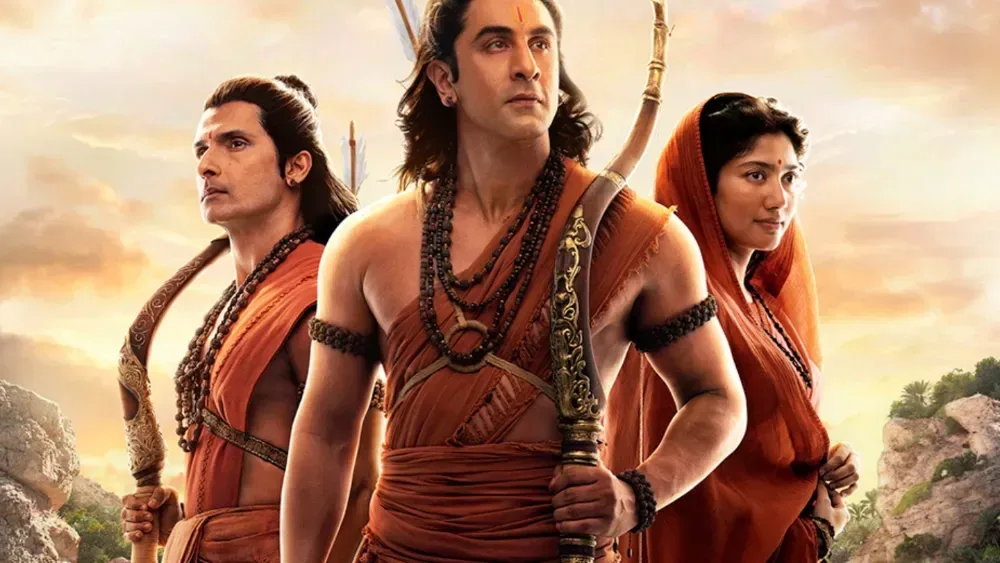
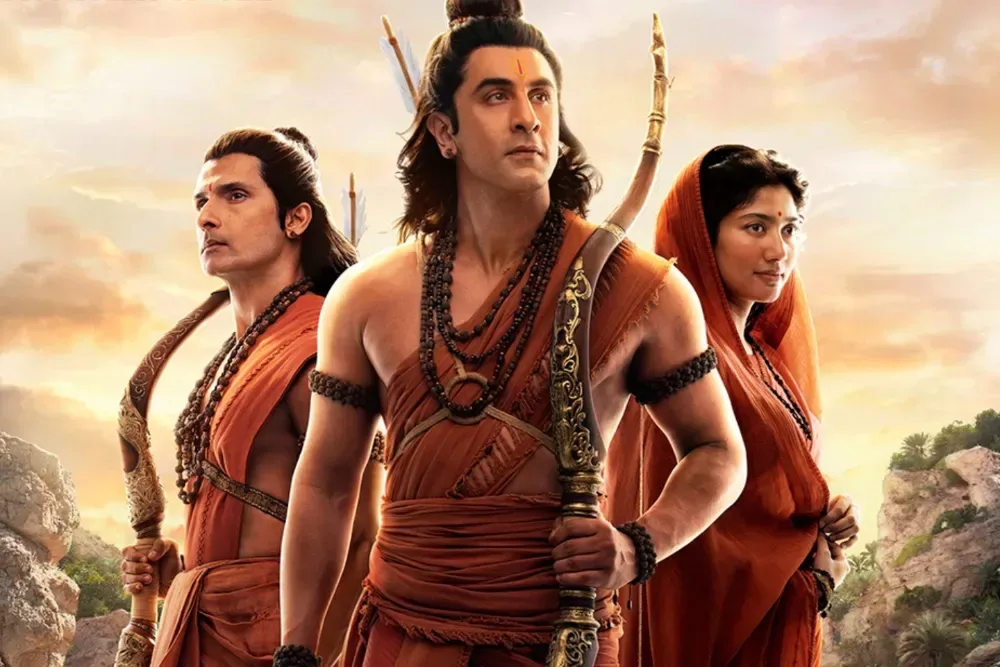
Ranbir Kapoor leads the film as Rama, an exiled prince. Sai Pallavi plays Sita, Rama’s consort, while Yash takes the role of Ravana. The central story follows Rama and Sita through exile before Sita is abducted by Ravana, an event that leads to a vast conflict framed around righteousness and evil.
Sunny Deol plays Hanuman, and Ravie Dubey portrays Lakshman. The wider cast includes Arun Govil, Lara Dutta, Rakul Preet Singh, Vivek Oberoi, Kunal Kapoor and Kajal Aggarwal.
The “Part One” in the title is not just branding for this release. The project is planned as a live-action story told in two parts. Shridhar Raghavan is adapting Valmiki’s epic for the screen. That structure gives the filmmakers room to establish Rama, Sita, Lakshman, Hanuman and Ravana before carrying the larger struggle across the full adaptation, though no story details for the second part were provided.
Adapting a revered epic for a contemporary, effects-heavy theatrical release is an unusually large creative assignment. It involves translating a foundational story to a feature-film structure while serving multiple language audiences and premium-screen expectations. The confirmed premise indicates that the first installment will cover Rama’s exile and the abduction of Sita, with the resulting war positioned as the story’s defining escalation.
What the production team signals about the scale
Prime Focus Studios is producing the film with DNEG and Yash’s Monster Mind Creations. DNEG is a visual-effects and production company with eight Oscar wins. Its involvement is meaningful in a project designed around Imax and premium large-format exhibition: visual effects, production design and action staging will all be central to how this version of the epic is presented.
Hans Zimmer and A.R. Rahman are the film’s composers. Ravi Bansal and Ramsey Avery are credited with production design, while Terry Notary and Guy Norris oversee action. Collectively, the credits point to an Indian and international creative group built around a technically ambitious theatrical experience.
Production design concerns the visual world of the film: the built environments, locations, sets and physical aesthetic that make its settings feel coherent on screen. Action oversight, meanwhile, refers to planning and shaping the physical movement and execution of action sequences. Those disciplines are particularly important for a story whose dramatic scope includes exile, abduction and war.
Music will also carry an outsized storytelling responsibility. Zimmer and Rahman are both described as Oscar winners, and their participation brings two established composers to a film rooted in a story with immense cultural resonance. The available details do not establish how their work will be divided or describe the score’s musical approach, so those specifics remain unknown.
Why the JioHotstar deal is more than a routine streaming listing
The JioHotstar plan is noteworthy because it is described as the platform’s first offering in this particular pay-per-view form. It suggests a release model that treats the post-theatrical digital premiere as a distinct purchase rather than an automatic subscription destination.
In plain terms, the approach separates availability from subscription inclusion. A movie can be available inside an app yet still require a standalone transaction. For people following the release, that means a JioHotstar membership alone should not be assumed to provide access when the film arrives; the supplied information specifically says it will be sold separately.
It also presents a clear difference in viewing circumstances. Imax 3D is a theatrical format designed for specialized cinema screens, whereas the home release will scale to the capabilities of a viewer’s supported device. “Best quality” is therefore a device-dependent promise, not a claim that the home version will replicate the Imax presentation. Families and viewers outside areas served by cinemas may gain a more accessible way to watch, but the large-format theatrical version remains its own experience.
The strategy reflects the project’s dual ambition: a global, multi-language theatrical opening built for premium screens, followed by a more direct digital route to homes across India. JioStar chair Nita M. Ambani characterized the release as an opportunity to make a major cultural story reachable for families and a new generation of viewers. Malhotra similarly emphasized the limits of cinema infrastructure relative to the story’s broad audience.
What remains unconfirmed
There are still several practical details audiences will need before making viewing plans. JioHotstar’s pay-per-view price has not been disclosed. Neither has the date on which the film will appear for purchase after theaters, the duration of access, supported devices, specific home-video sound and picture formats, or whether language options will match every theatrical territory.
There is also no stated digital-release information for audiences outside India. The announced JioHotstar purchase plan is specifically for India, while Sony Pictures Entertainment is responsible for the worldwide theatrical release.
For now, the confirmed release path is straightforward: Ramayana: Part One arrives in cinemas worldwide on Nov. 5 in six languages, including Imax 3D among its formats; after its theatrical run, Indian viewers will be able to buy it on demand through JioHotstar. For a related look at how questions of credited creative work can shape entertainment conversations, see this report on Brandon Sanderson’s concerns over uncredited writing.