Netflix and Bengali streaming service Hoichoi have unveiled a two-year programming partnership designed to give Hoichoi’s scripted series a considerably wider language reach. Every new Hoichoi series launched during that period is set to receive Hindi, Tamil and Telugu-language versions that will stream exclusively on Netflix.
The arrangement is notable not simply because it adds another library deal to Netflix, but because it establishes a coordinated release model. New shows will debut in Bengali on Hoichoi while their Hindi, Tamil and Telugu versions arrive on Netflix at the same time. That means the partnership is not framed as a delayed second-window rollout for completed shows; it is structured around parallel access for distinct language audiences.
The first series is a folklore horror story
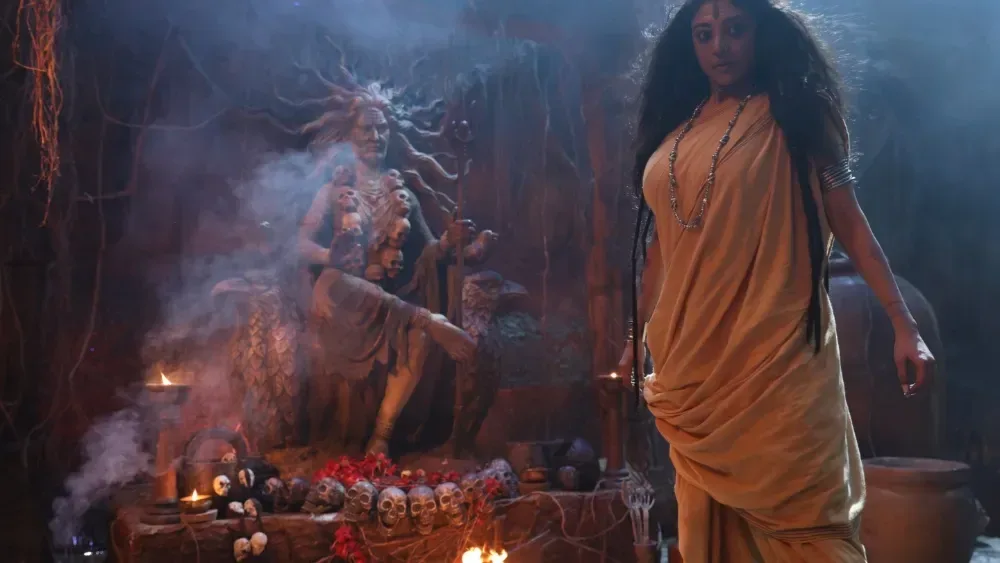
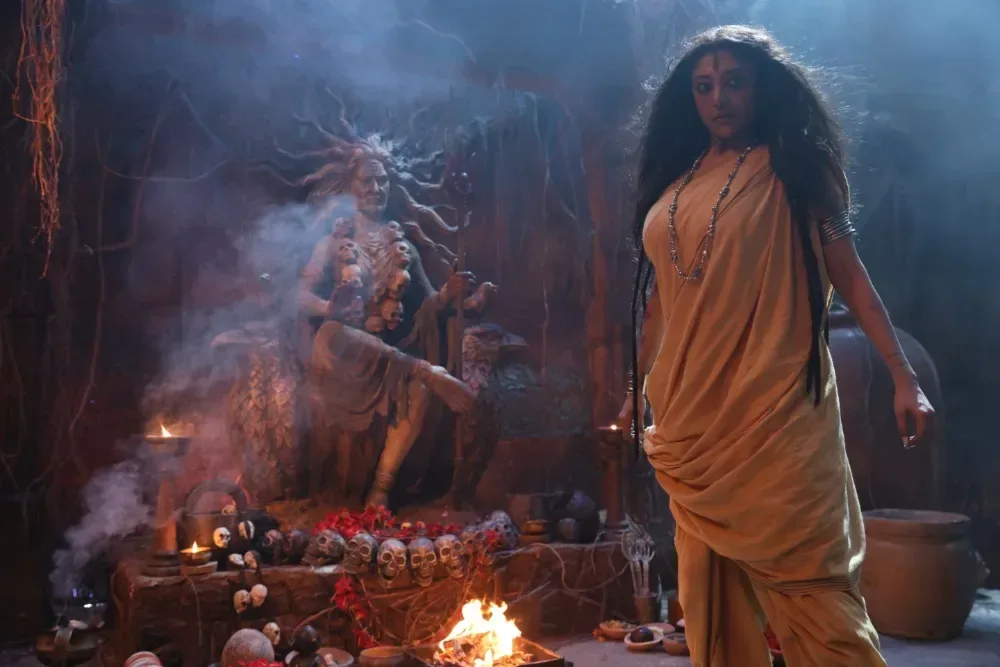
The first title named under the partnership is The Cursed Temple of Kauriburi, a horror series rooted in folklore. It is scheduled to premiere on Nov. 6 and stars Jeetu Kamal, Solanki Roy and Paoli Dam.
Folklore horror generally uses legends, beliefs, places or cultural traditions as a foundation for frightening fiction, rather than relying only on a contemporary supernatural premise. In this case, the supplied details establish the genre and its folklore basis, but do not yet outline the story, episode count, creative team beyond the cast, or the nature of the temple at the center of the title. Those are meaningful gaps for viewers deciding whether it is a ghost story, a mystery, a mythological thriller or something else, so it is best not to infer them.
What is clear is the intended audience pathway: Bengali-language viewers can find the original release on Hoichoi, while Netflix will host versions in three of India’s most widely used languages. The agreement therefore preserves Hoichoi’s Bengali debut while making language-localized editions available on a separate global streamer.
Fourteen existing Hoichoi shows are also headed to Netflix
Alongside future releases, Netflix will carry 14 existing Hoichoi series:
- Madam Inspector
- Sampurna
- Lajja
- Eken Sirji
- Anjaan Saaye
- The Curse of Parnashavari
- Bloodlines
- The Adventures of Daadi & Jagga
- Raat Abhi Baaki Hain
- Achinta: Trial By Law
- Shaadi Ka Siyappa
- Queens
- Parineeta: A Love Story
- Mahanagar
The selection spans crime thrillers, detective mysteries, folklore horror, social drama, courtroom drama and romance. That genre range matters because it makes the partnership more than a narrowly targeted horror launch or a single-franchise experiment. Netflix is gaining a package intended to offer several entry points, from mystery viewers looking for detective fiction to audiences seeking relationship-focused dramas.
For viewers, a licensed catalog like this is different from an original commission. Licensed programming is content made by another producer or platform and made available through an agreed distribution arrangement. Netflix can carry the programs, while their prior identity as Hoichoi titles remains central. The new arrangement also creates a clear split in distribution: Bengali premieres stay on Hoichoi, while Netflix receives exclusive streaming rights to the Hindi, Tamil and Telugu versions of the new series covered by the pact.
A deal built around language access rather than simple catalog expansion
India’s streaming market is shaped by language as well as genre and star power. A Bengali drama does not become a different story merely by reaching viewers through Hindi, Tamil or Telugu, but language versions can make that story more approachable to audiences who would not otherwise seek out Bengali programming. The core practical question will be how the versions are presented and discovered in Netflix’s interface, though details about dubbing casts, subtitles, regional availability and technical options have not been provided.
There is also an important distinction between a show being available in multiple languages and a service broadly opening access to every Hoichoi title. The announced commitment covers all newly launched Hoichoi series for the next two years in the three specified language versions, plus the named group of 14 existing programs. It does not state that Hoichoi’s complete catalog will migrate to Netflix or that Bengali-language versions of every covered new show will also stream there.
That precision is particularly useful for audiences managing subscriptions. A viewer looking for the Bengali original of a new title will need to look to Hoichoi under the announced model. A viewer seeking the Hindi, Tamil or Telugu edition will find it on Netflix, where those versions are described as exclusive.
Original adaptations are planned, but specifics are still to come
The companies also intend to make new series together. Netflix and Hoichoi will develop original shows that rework selected Hoichoi stories, with Hoichoi Studios producing. The partners say the adaptations will introduce new creative voices.
An adaptation in this context means a new version based on an existing story, rather than simply a translation of the same completed series into another language. That can allow for a changed cast, setting, structure or interpretation, but none of those creative specifics has been announced. No titles, release dates, casting decisions or plot information for the planned original adaptations have been confirmed.
Hoichoi Studios is the production arm set up after Hoichoi expanded into theatrical production in 2023. Its role here indicates that the collaboration is intended to extend beyond library licensing, although the current announcement is much more concrete about the language-version distribution plan than the future adaptation slate.
Why the agreement matters for both services
Netflix has described the deal as part of a broader push to complement its original productions with licensed shows from outside producers. That approach can add established programming and regional storytelling without making every title an in-house original. For Hoichoi, the agreement creates a route for Bengali-originated series to reach Netflix viewers through three additional language versions while keeping Hoichoi’s Bengali premiere proposition intact.
Hoichoi launched in 2017 as the first venture from SVF’s new media arm. It is led by co-founder Vishnu Mohta, who is also SVF’s executive director. The service says it has more than 2,000 hours of programming, including more than 100 original series, films, short-form works and docuseries, and that it reaches more than 250 million Bengalis globally.
Netflix has pursued comparable licensing arrangements in other markets, including full access to the programming lineup of French broadcaster TF1 and a recent deal with Brazilian broadcaster Globo. Those examples suggest a wider strategy of adding local and regional programming relationships alongside Netflix’s own commissions. The Hoichoi agreement, however, has a particularly defined language component: its forthcoming series move from a Bengali-first debut into simultaneous Hindi, Tamil and Telugu availability.
For audiences following Indian screen releases across theatrical and streaming windows, distribution plans are becoming increasingly varied. Recent coverage of a planned post-theatrical pay-per-view streaming route for Ramayana: Part One illustrates how release paths can differ substantially from title to title. The Hoichoi-Netflix model is its own arrangement: a Bengali streaming debut paired with simultaneous language-version availability on Netflix.
What has and has not been confirmed
The immediate takeaway is straightforward. Starting with The Cursed Temple of Kauriburi on Nov. 6, Hoichoi’s forthcoming Bengali series are slated to receive Hindi, Tamil and Telugu versions on Netflix for two years. Fourteen existing Hoichoi shows will also join Netflix, covering a broad set of scripted genres.
Just as important are the details that remain unknown. Additional upcoming titles have not been named. The partners have not supplied a complete release calendar, adaptation slate, language-cast information, episode details or fuller story descriptions. More releases are expected in the coming months, but viewers will have to wait for title-by-title information before assessing which dramas, mysteries or horror series are next.