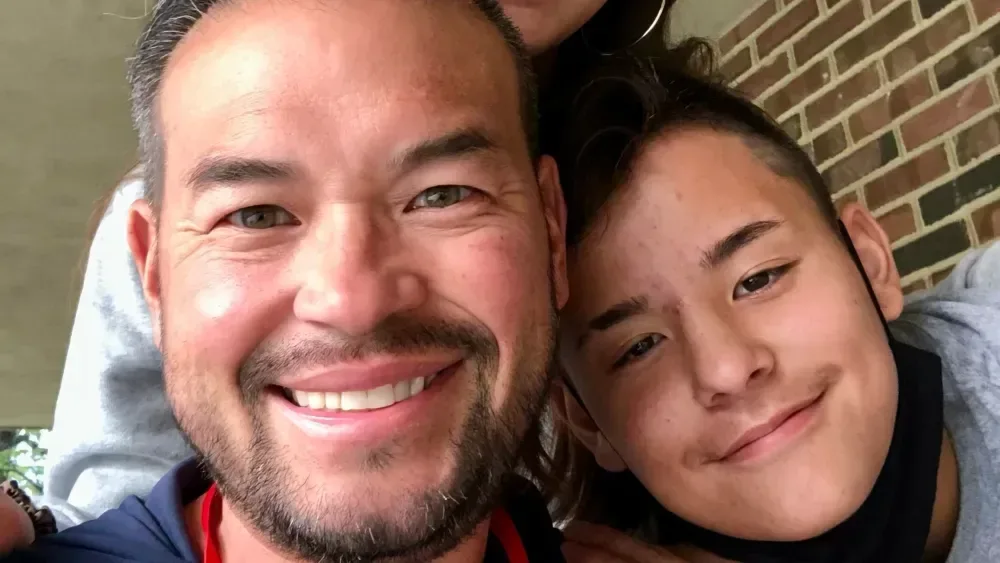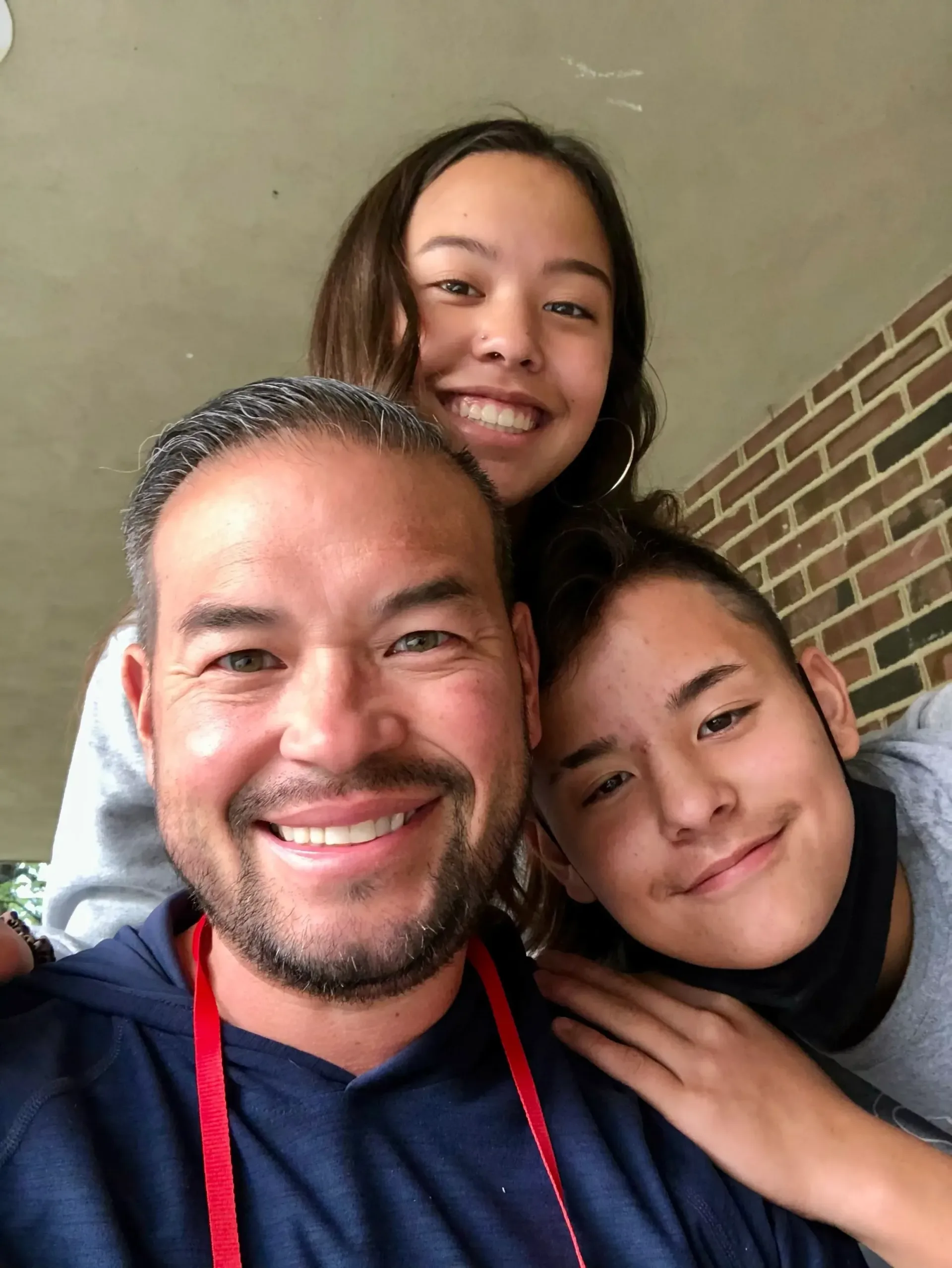
Netflix is developing a documentary centered on Jon & Kate Plus 8, with Jon Gosselin and his children Collin and Hannah Gosselin participating in filming. The project will revisit the family reality series and the far more complicated story that followed its years on television.
The documentary’s stated focus is not simply a retrospective of a popular unscripted series. It is framed around differing recollections within the family: what it meant for children to grow up on camera, what it meant for adults to build a public-facing family brand, and why audiences remained invested in a household whose everyday life was broadcast as entertainment.
A look back at a long-running family reality series
Jon & Kate Plus 8 ran for 11 seasons from 2007 through 2017. It began on Discovery Health before moving to TLC, following Jon and Kate Gosselin as parents of twins and sextuplets. The premise positioned the demands of a large household as the engine of the program: family routines, childcare, travel and domestic pressure became the material of episodic television.
During the series’ run, Jon and Kate separated. The show was subsequently rebranded as Kate Plus 8, marking a major change in the family arrangement at the center of the franchise. The new Netflix project is set to examine that television history from the vantage point of people who were not merely cast members, but children while much of it was being made.
That distinction is central. A reality program can present itself as an observational record, but it is still a constructed screen work shaped by production decisions, the needs of a series format and the limits of what an audience is shown. The documentary’s premise acknowledges that a familiar public narrative can contain sharply different private experiences.
What Netflix says the documentary will explore
The project’s logline describes a family whose “chaos and love” became comfort viewing for many people over nearly a decade. It then shifts attention to the years afterward, when conflicting accounts emerged from within the family.
Netflix says the film will attempt to piece together the story from multiple angles, including the children who appeared on camera, the adults who turned the family into a brand, and the viewers who followed the series. That is an ambitious structure, but it is also a meaningful one for a documentary about reality television. It suggests that the subject is not only what happened in the Gosselin home, but how a televised version of that home became a cultural phenomenon.
“Competing memories” is especially important language here. Memories of childhood, family conflict and public exposure can differ profoundly among people who lived through the same period. The announcement does not establish how the documentary will resolve those differences, or whether every key participant will take part. Rather, its stated approach is to examine the gaps between accounts instead of treating a single version as automatically definitive.
Related coverage includes Jon Gosselin, Collin and Hannah Gosselin Film Netflix Documentary on ‘Jon & Kate Plus 8’.
Why the perspective of former child participants matters
When a family series runs for years, the children in it do not remain the same age, with the same understanding of cameras and public attention. Their later perspectives can change how viewers interpret footage that was originally packaged as light, familiar entertainment. The involvement of Collin and Hannah means the documentary will include testimony from two people who experienced the show as children and can now discuss that period from a different stage of life.
It is also worth separating participation from proof. A documentary featuring members of one family can offer firsthand accounts and important context, but it is still a film with a chosen structure. Viewers should distinguish between documented facts, personal recollections, allegations and editorial interpretation as the project eventually provides more detail.
Collin Gosselin’s memoir is part of the current context
Collin Gosselin recently published a memoir titled In The Shadow of Eight: Surviving the Reality of My Childhood. In it, he alleged that his mother mistreated him during his childhood and while the show was being filmed.
Those are allegations, and the available announcement does not provide findings that verify or adjudicate them. Their relevance to the documentary lies in the fact that they are part of the differing family accounts the new film is expected to confront. Responsible coverage of the project requires preserving that distinction: Collin has made claims about his experience; the announcement describes a documentary intended to look at conflicting memories; neither point alone tells audiences what the finished documentary will establish.
That careful framing matters because television viewers often encounter former reality-show families through short clips, headlines or a remembered version of a program. A documentary has the potential to add chronology and testimony, but it should not be treated as a substitute for precision. The most valuable version of this project would clearly identify whose perspective is being presented, what evidence supports particular claims, and where the record remains contested.
The production team
Mike Gasparro and Julia Willoughby-Nason are producing the documentary for The Cinemart. Their previously listed work includes American Murder: Gabby Petito and Death of the Pastor’s Wife.
The announcement does not specify a release date, episode count or whether the project will be a feature-length documentary or a series. It also does not detail the complete interview lineup, the archive that may be used, or whether Kate Gosselin will participate. Those unanswered questions will shape how comprehensive the final project can be.
What viewers should watch for when more details arrive
The announcement points to several issues that will be worth assessing once Netflix shares a trailer, format information or a premiere date.
- Whose voices are included: Jon, Collin and Hannah are filming, but the documentary’s promise to consider the story from “every angle” will depend on the range of participants and perspectives ultimately presented.
- How it handles the original series: The program ran for 11 seasons across two network homes and a major rebrand. Clear chronology will matter, particularly around the changes in the family and the show itself.
- How allegations are contextualized: Claims involving childhood and family treatment demand clear attribution, appropriate corroboration where available, and careful separation of allegations from established fact.
- How it addresses the audience: The documentary explicitly includes the audience in its scope. That could make room for a useful examination of why intimate family programming can be experienced as harmless comfort viewing while producing much more complicated consequences for its participants.
The timing also places the project within a wider wave of television looking back at how media institutions created and sustained public phenomena. Recent revival news, such as the planned return of Voyage to the Bottom of the Sea, reflects how old screen properties continue to find new life. The Gosselin documentary is a very different kind of revisit, however: it is not a fictional revival, but a reassessment of the real people behind a franchise built from their family life.
For now, the confirmed facts are limited but consequential: Netflix is making the documentary, Jon Gosselin and Collin and Hannah Gosselin are filming for it, and the film intends to examine the gap between the public memory of Jon & Kate Plus 8 and the family members’ differing accounts of living through it. No release timing has been announced.