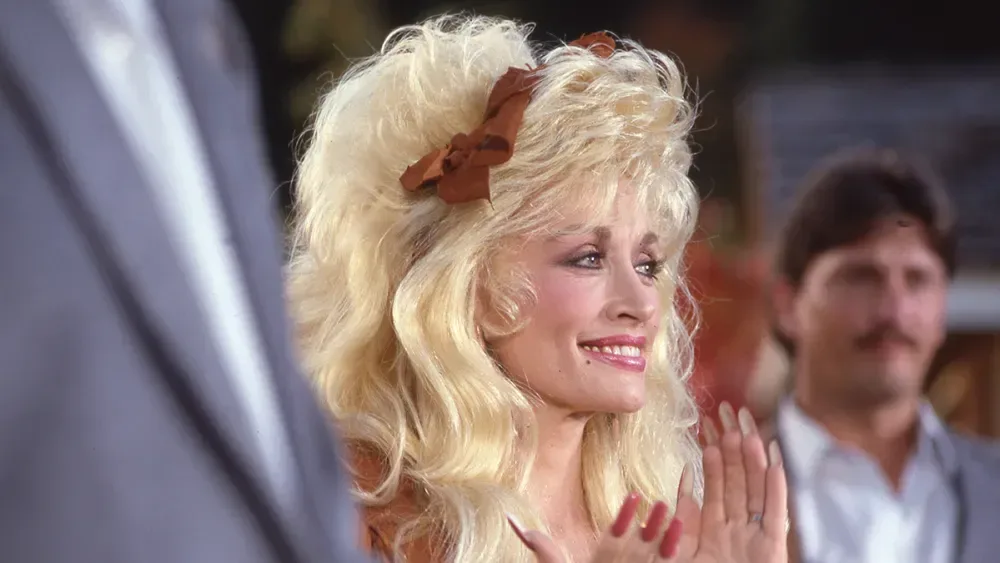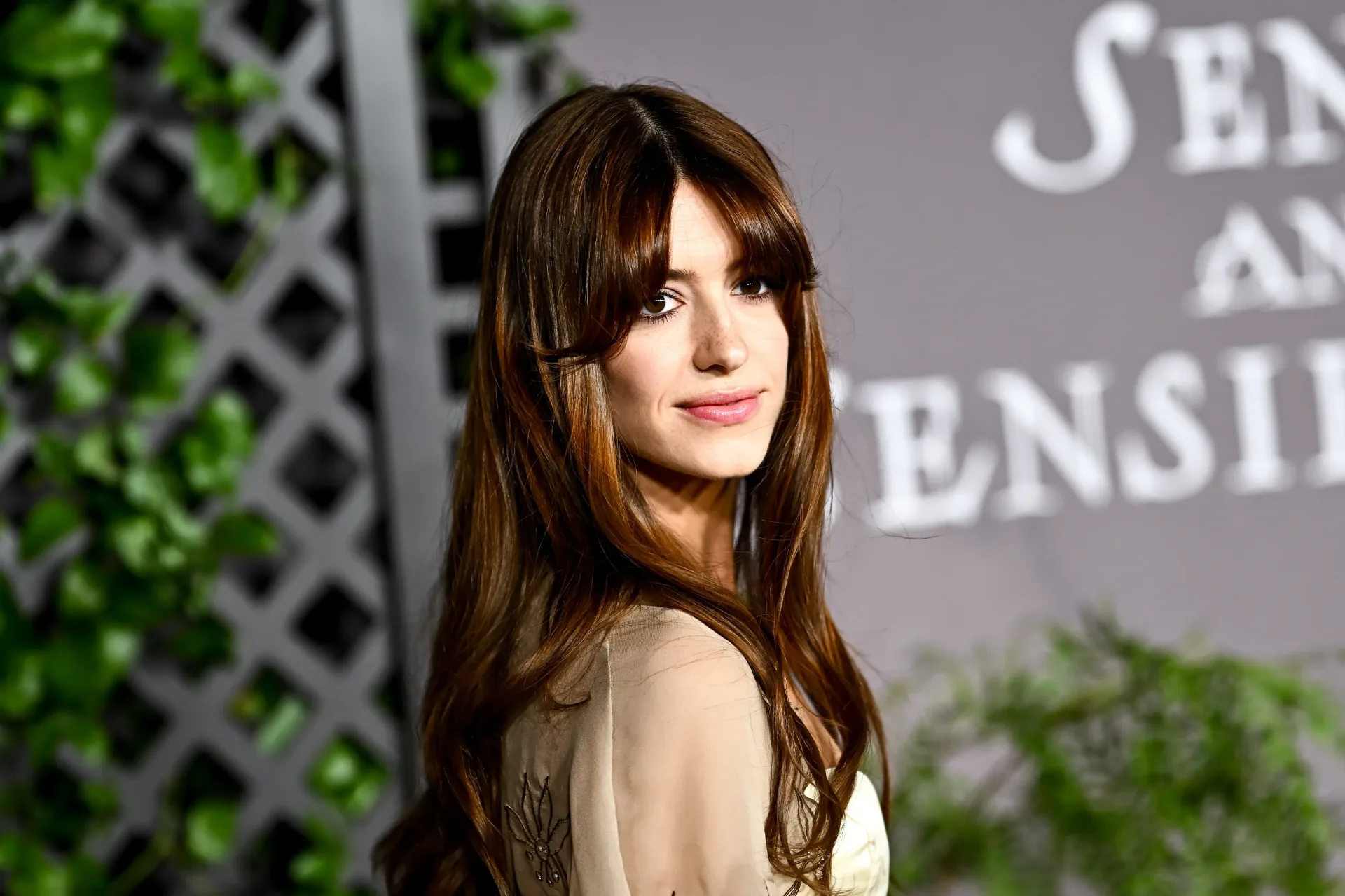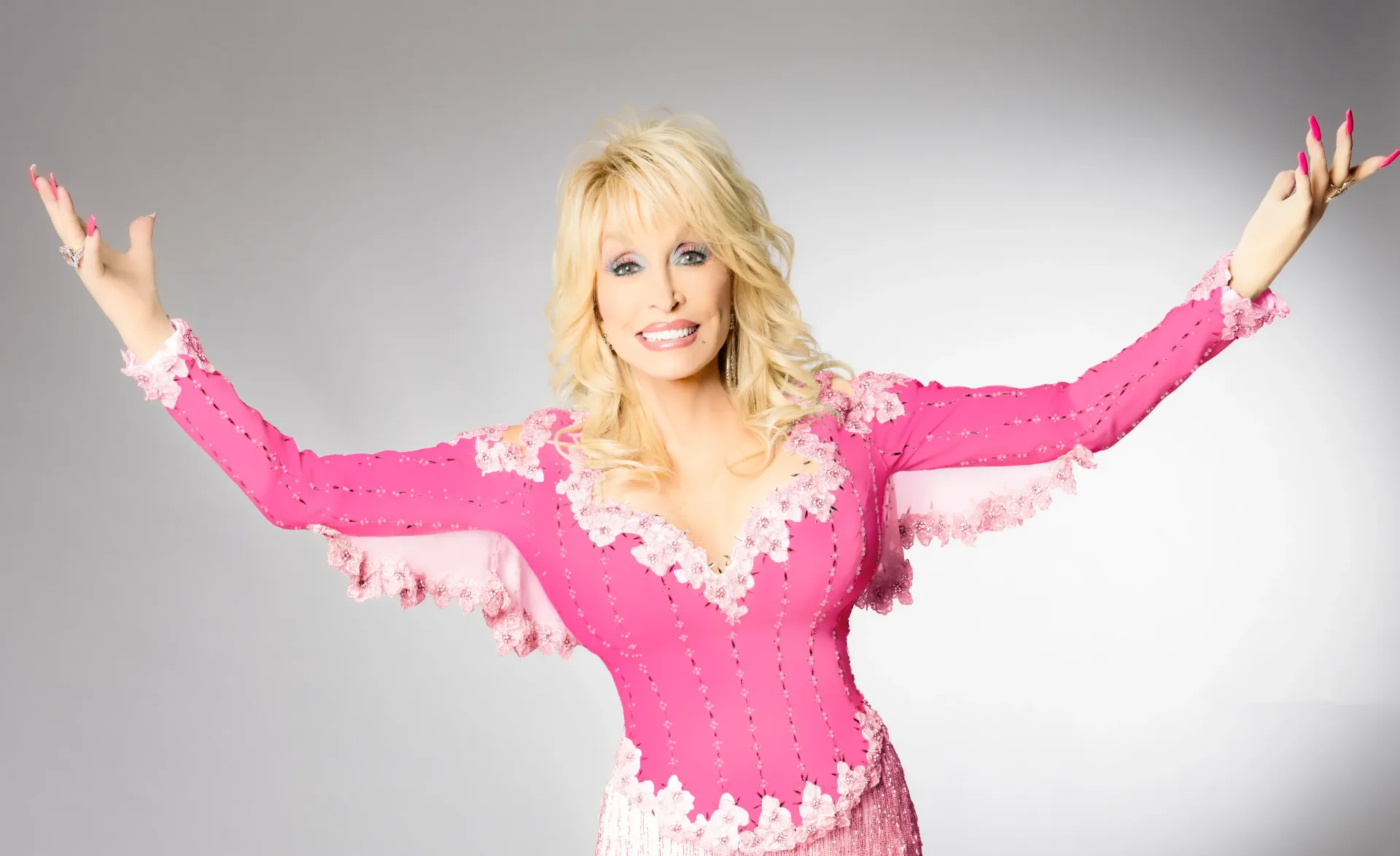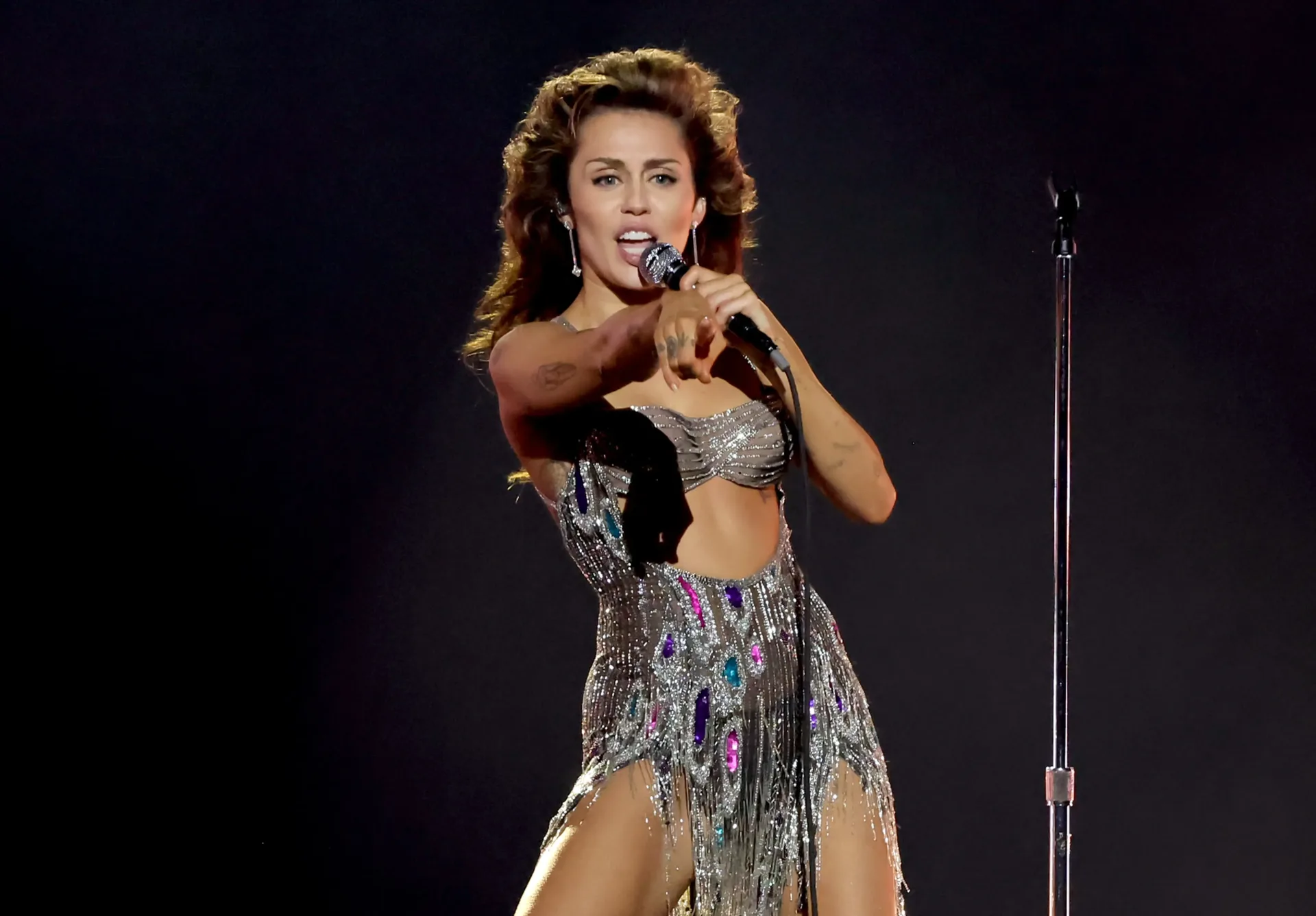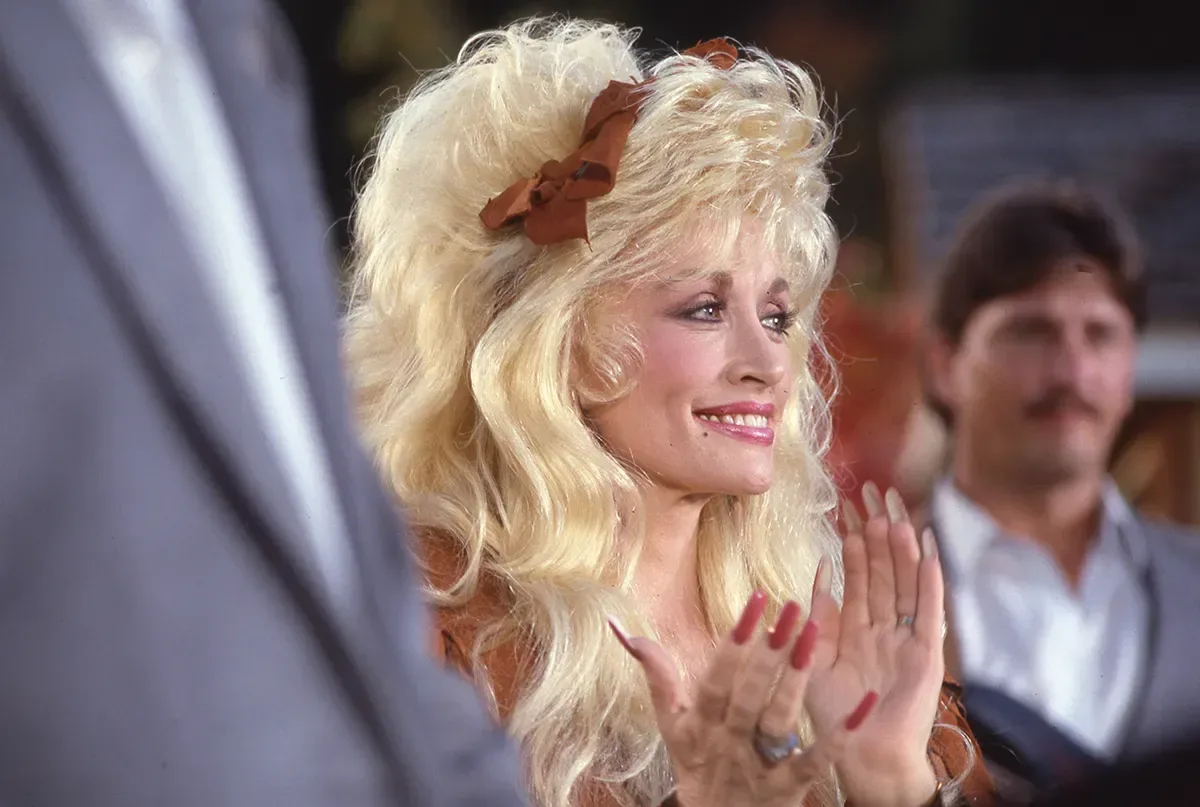
Dolly Parton’s life and influence were celebrated in an emotional CMA television special Wednesday night, bringing together performers, actors and longtime friends to remember an artist whose work moved far beyond country music. The live broadcast, which aired on ABC and Disney+ and is set to reach Hulu the following day, combined performances with archival material and filmed tributes.
Parton died in August at age 80 following what was described as a brief battle with cancer. The event framed its remembrance around the many parts of her public life: singer, songwriter, actor, entertainer, humanitarian and entrepreneur. More importantly, the recollections offered a consistent picture of how people close to her understood her character: funny, direct, generous and unabashedly herself.
More than 20 performers participated across the evening. The lineup included Ella Langley, Lainey Wilson, Reba McEntire, Carrie Underwood, Vince Gill, Molly Tuttle, Carly Pearce, Kelsea Ballerini, Brad Paisley, Zac Brown, Ashley McBryde, Béla Fleck, Lady A, Ricky Skaggs, Sierra Hull, Little Big Town, Lukas Nelson and Darius Rucker. Kristen Bell and Kristin Chenoweth were also among those appearing in the program.
Oprah remembers a fellow Tennessee original
Oprah opened the special in a pre-recorded message that emphasized Parton’s authenticity. Calling attention to their Tennessee roots, Oprah described Parton as someone who embodied being entirely true to the person she envisioned herself becoming.
For more context, explore Sacha Baron Cohen Says Ali G’s “Problematic” Reputation Is Why He Brought the Character Back.
“She represented to me the essence of being 100% who you see yourself to be,” Oprah said, praising Parton’s grace, determination and generosity of heart and spirit.
That idea is central to why a Parton tribute can encompass such a broad collection of people and disciplines. Her public image was never restricted to one mode. Rhinestones, humor and outsized glamour existed alongside songwriting, acting and philanthropy. The special’s participants repeatedly treated those traits not as contradictions, but as parts of a single, unusually coherent identity.
Oprah’s message also focused on endurance: the belief that Parton’s impact will remain present because of the force of the spirit she brought to her work and relationships. It was an appropriate theme for a program designed not simply as a retrospective of hits, but as a record of personal connection.
Julia Roberts looks back on Steel Magnolias
Julia Roberts, who appeared with Parton in 1989’s Steel Magnolias, recalled meeting and working with her when Roberts was in her early 20s. In her recorded tribute, Roberts said it was magical to be around someone so alive and present.
Roberts remembered Parton as an example of retaining a sense of self and of one’s origins while leading with kindness. That observation connects neatly to the special’s stated scope. Rather than isolate Parton’s acting work from her music, the program positioned her as a cultural figure whose appeal came from the way those pursuits reinforced each other.
Steel Magnolias remains a meaningful reference point because it places Parton alongside an ensemble in a story where humor, pain and community are closely intertwined. Roberts’ tribute did not turn that history into a detached career footnote. Instead, it made the shared production the starting point for a personal memory of presence and kindness.
Sabrina Carpenter celebrates Parton’s lightness
Sabrina Carpenter’s tribute had a particularly recent link to Parton’s musical legacy. Before Parton’s death, the pair collaborated on a remix of Carpenter’s “Please Please Please.” Carpenter described what Parton meant to her in a list that moved from personality to presentation: kindness, joy, fast comebacks, rhinestones, big hair, family, radiance and love.
Carpenter said Parton “meant lightness,” a phrase that captures the celebratory rather than purely mournful tone of the special. A memorial broadcast can easily flatten a subject into solemnity. Here, the recurring attention to Parton’s humor, style and sharp wit acknowledged that joy was not an accessory to her legacy; it was part of the substance.
Carpenter also suggested that Parton held a rare degree of universal affection. That is not a measurable claim, but it is useful as an explanation of the special’s wide-ranging cast. Country performers were naturally at the core of the night, yet the tributes also made room for major figures from film, television and pop music. The programming treated Parton as a bridge between audiences rather than as a figure meaningful only within a single genre.
Katy Perry on glamour, wit and generosity
Katy Perry’s onstage remarks addressed the relationship between Parton’s image and her intelligence. Perry said Parton could play with the power of femininity while remaining devastatingly sharp and equally sweet. Her description made a point that can be easy to overlook in discussions of an icon known for a highly recognizable look: Parton’s glamour was inseparable from timing, self-awareness and control of the room.
Perry also connected Parton’s warmth with practical generosity, referencing her commitment to helping children learn to read. In doing so, she placed a concrete expression of service beside the flashier aspects of Parton’s public persona. The contrast is revealing. The tribute did not ask viewers to choose between Parton the show-stopping entertainer and Parton the humanitarian; it presented both as essential.
“Beneath the decades of dazzle was an extraordinary generosity of spirit,” Perry said, describing Parton as someone able to bring together people across different backgrounds, political views and sexual orientations.
Perry called Parton a “blueprint,” underscoring the broader practical implication of the evening’s tributes. For younger artists, Parton’s example appears to be less about imitating a visual style than about building a career without hiding the humor, convictions or generosity that make an artist distinctive.
Carol Burnett’s home-cooked memory
Carol Burnett supplied one of the most intimate stories of the night. She first met Parton while making the 1979 CBS variety special Dolly & Carol in Nashville. Burnett recalled preparing to leave her hotel room for dinner when Parton arrived at the door with a meal she had made herself, so Burnett would not need to go out to a restaurant.
The anecdote is modest in scale, which is precisely why it lands. It does not depend on an award, a famous recording or a spectacular gesture. It is a recollection of someone noticing another person’s immediate need and taking time to meet it personally. Within a production filled with polished performances and archival footage, that story gave the celebration a grounded human detail.
Bono and Goldie Hawn were also among the figures who paid tribute, extending the program’s reach beyond the country world. The format made room for those testimonials while keeping music at its center, reflecting how Parton’s influence traveled through several entertainment spaces at once.
A special built around both performance and memory
The CMA event was described as a joyful and emotional celebration told through performances, archival footage and personal stories. That structure matters. Archival footage preserves the visible history of an entertainer, while songs keep the work active in the present. Personal memories, meanwhile, explain why collaborators and admirers continue to speak about Parton with such affection.
Together, those elements allowed the special to reflect the breadth of her journey from East Tennessee to an audience spanning generations. The show’s choices suggest that her legacy cannot be reduced to a playlist or résumé. Songwriting, performance, business and charitable work all appeared in the same frame because they were all part of the public life being honored.
For viewers looking for another account of the broadcast’s participants and tributes, this coverage of the CMA special offers additional context.
The evening ultimately gave Parton’s friends, collaborators and artistic heirs space to explain her importance in their own terms. Their stories differed in detail, but they converged on the same portrait: a performer of enormous sparkle and command whose care for people was as memorable as the music itself.