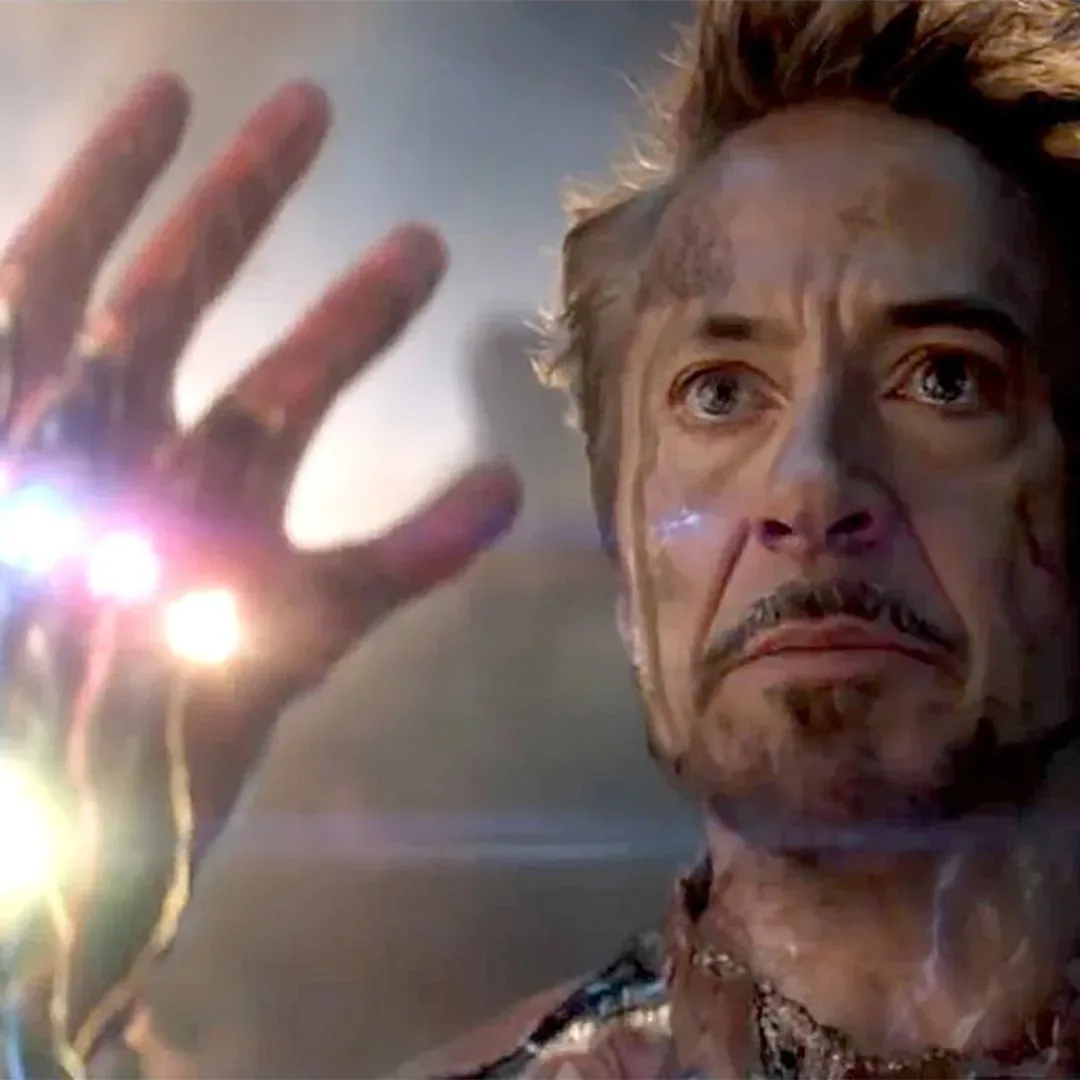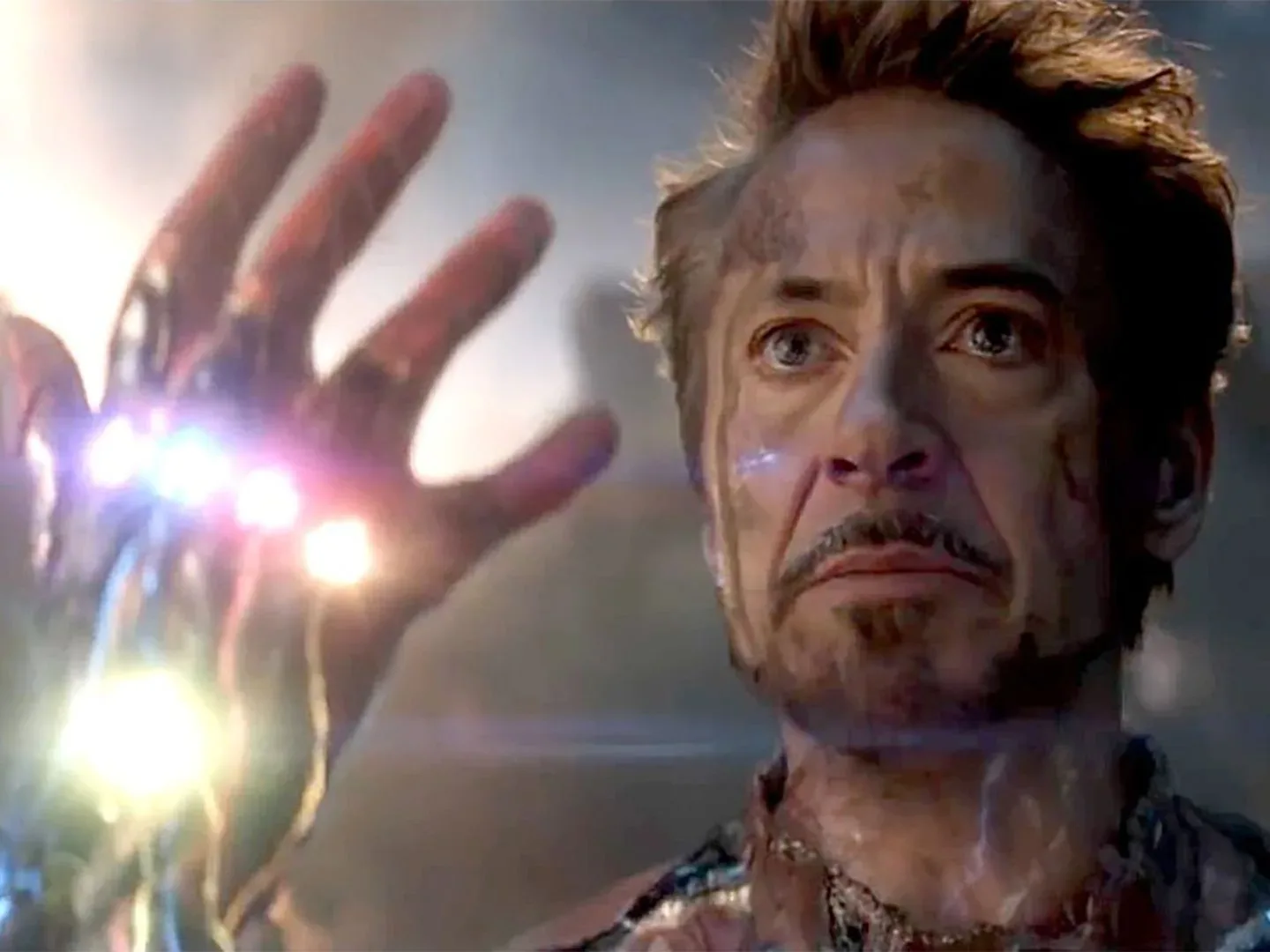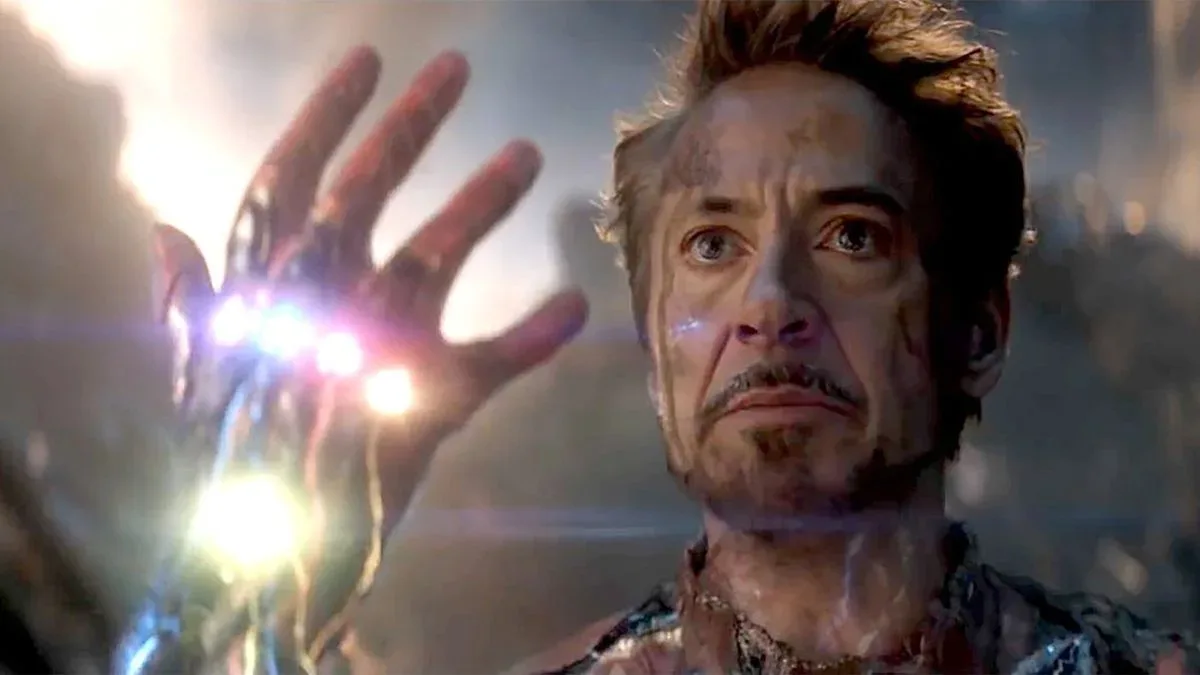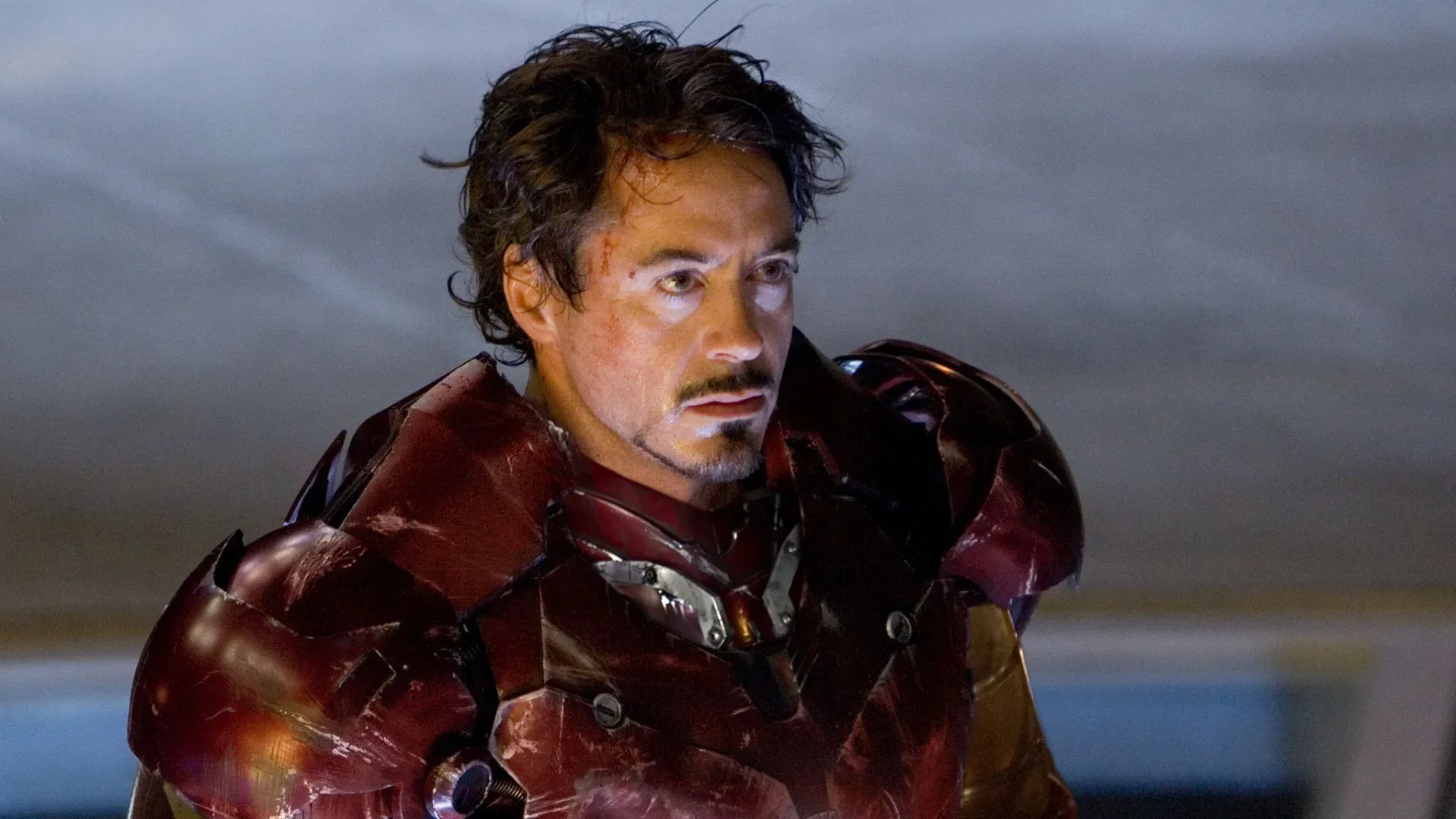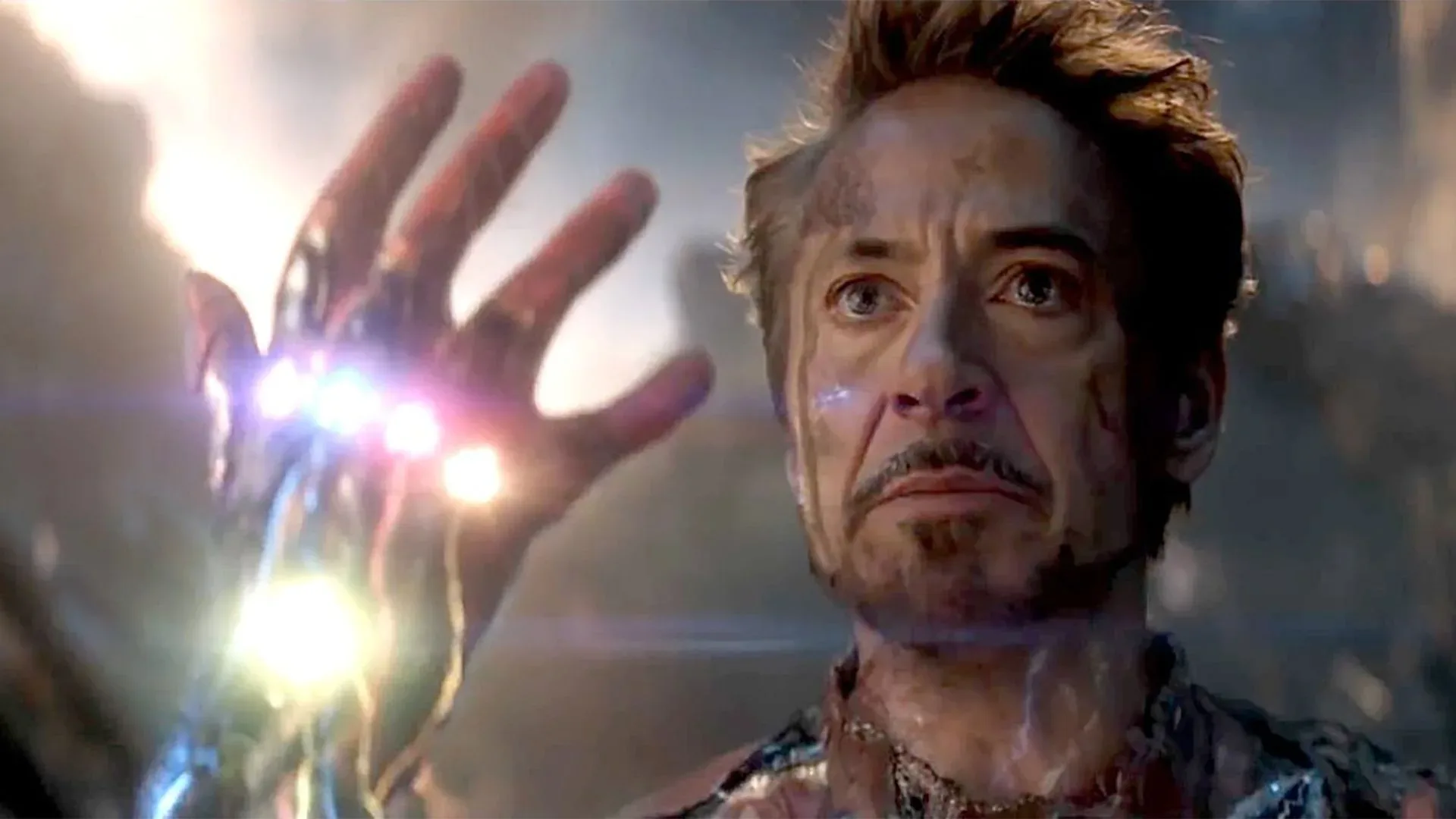
Paul Bettany believes Robert Downey Jr.’s final major performance as Tony Stark in Avengers: Endgame warranted Oscar recognition—and that the genre itself stood in the way.
Discussing his longtime Marvel co-star, Bettany said Downey Jr. “should have won an Oscar for that role,” calling the work extraordinarily difficult and arguing that “snobbery regarding superhero movies” prevented it from being treated as a serious awards contender.
It is a familiar argument for comic-book-film fans, but Bettany’s point is more specific than a blanket claim that every cape-and-cowl blockbuster deserves a trophy. His focus is on the unusual demands of Downey Jr.’s Iron Man performance: sustaining a character over many films, delivering the emotional payoff for a vast shared narrative, and making an outsized fictional premise feel human enough for an audience to invest in its stakes.
Why Bettany sees Iron Man as awards-worthy
Downey Jr.’s Tony Stark is not a conventional one-film awards role. The character’s arc unfolded across multiple productions, with Avengers: Endgame serving as the culmination. That makes judging the work through the Academy’s usual lens complicated: an individual performance is eligible in a particular year, but its cumulative meaning can rely on a viewer’s memory of everything that came before.
Bettany’s argument is that this should not diminish the performance. In fact, it may be part of what makes it difficult. A long-running franchise character cannot simply arrive, undergo a transformation and leave within a two-hour runtime. The actor has to preserve recognizable traits while allowing the role to change over time. For Tony Stark, that meant balancing the swagger and humor associated with Iron Man against the weight of responsibility, loss and finality carried by Endgame.
That balance is easy to underestimate because superhero films are designed to make their heightened worlds feel effortless. Audiences may notice the armor, visual effects, action and scale first. But Bettany’s comments stress the actor’s task underneath those visible components: making dialogue, reactions and relationships believable despite the technical apparatus surrounding them.
In practical filmmaking terms, performances in effects-heavy productions can involve acting amid incomplete environments, responding to marks or reference points rather than finished creatures and locations, and trusting that a scene will be completed later through editing, sound and visual-effects work. Those constraints do not automatically make an acting performance better, but they add another layer to the job. Bettany’s assessment is that Downey Jr. met that challenge brilliantly.
“Anybody who has ever had anything to do with making a movie knows that it looks hard to do, and it was,” Bettany said of the performance.
The superhero-film recognition gap
The Oscars have recognized elements of Marvel Studios productions, but acting attention has been much harder to come by. As things stand, only Black Panther and Black Panther: Wakanda Forever have won Academy Awards among Marvel Studios films. Black Panther also remains the only Marvel Cinematic Universe title to receive a Best Picture nomination.
No performer from an MCU film has received an acting nomination. That fact gives Bettany’s critique a clear factual basis, even if the word “snobbery” describes an interpretation rather than something that can be conclusively measured. Awards voters have many possible reasons for their choices, including competing performances, campaigns, categories and the individual tastes of the voting body. Still, the complete absence of MCU acting nominations is notable for a series built around recurring character performances that have reached an enormous audience.
The pattern also reveals a divide between technical and acting recognition. Genre blockbusters are often discussed in terms of spectacle, production craft and box-office scale. That framing can make it harder for individual performers to become the center of an awards conversation, particularly when their work is embedded in an ensemble, a famous intellectual property and a highly visible commercial machine.
Bettany’s position challenges that hierarchy. A movie’s commercial ambitions and use of comic-book mythology do not erase the acting choices within it. Nor does a digital suit or fantasy setting mean a performance cannot be emotionally precise. The question is not whether a superhero film resembles a prestige drama; it is whether the actor accomplishes what the role asks of them at an exceptional level.
The Joker comparison is revealing, not definitive
Downey Jr. was eligible for acting recognition for Avengers: Endgame in the same awards cycle in which Joaquin Phoenix won Best Actor for Joker. That contrast inevitably sharpens Bettany’s argument.
Joker was connected to superhero mythology but presented as a darker crime-noir character study rather than a traditional DC superhero adventure. Its awards success demonstrated that a comic-book-derived story could be taken seriously by the Academy. At the same time, it also suggested that genre labels and presentation can influence how a performance is perceived. A grim, contained character drama may be easier to place in conventional awards discourse than the emotional climax of a giant ensemble blockbuster.
That does not mean Phoenix’s win invalidates Downey Jr.’s work, or that the two performances need to be ranked against one another as though they pursued the same objective. They did not. Phoenix led a film centered almost entirely on one character’s descent; Downey Jr. was part of a sprawling ensemble, playing a hero whose impact depended on years of accumulated audience connection. Both forms demand craft, but the awards system has historically made more room for one than the other.
The broader implication is that “superhero movie” is often too broad a label to tell audiences much about a film’s dramatic aims. Some are operatic adventures, some are comedies, some are tragedies, and some borrow heavily from crime stories or political thrillers. Treating them as a single category can flatten the distinctions in both the films and the performances inside them.
Downey Jr. has since received Academy recognition
Downey Jr. ultimately did win an acting Oscar, taking Best Supporting Actor for playing Lewis Strauss in Oppenheimer. His win does not resolve Bettany’s complaint about Iron Man, because the claim is not that Downey Jr. lacked awards recognition altogether. It is that a particular performance—one closely tied to a superhero franchise—was not given the same consideration Bettany believes it deserved.
That distinction matters. Awards are not retroactive corrections for earlier omissions. A later win recognizes later work. For fans who view Tony Stark as one of the defining screen performances of the MCU, Downey Jr.’s Oscar may affirm his standing as an actor while leaving the Iron Man debate intact.
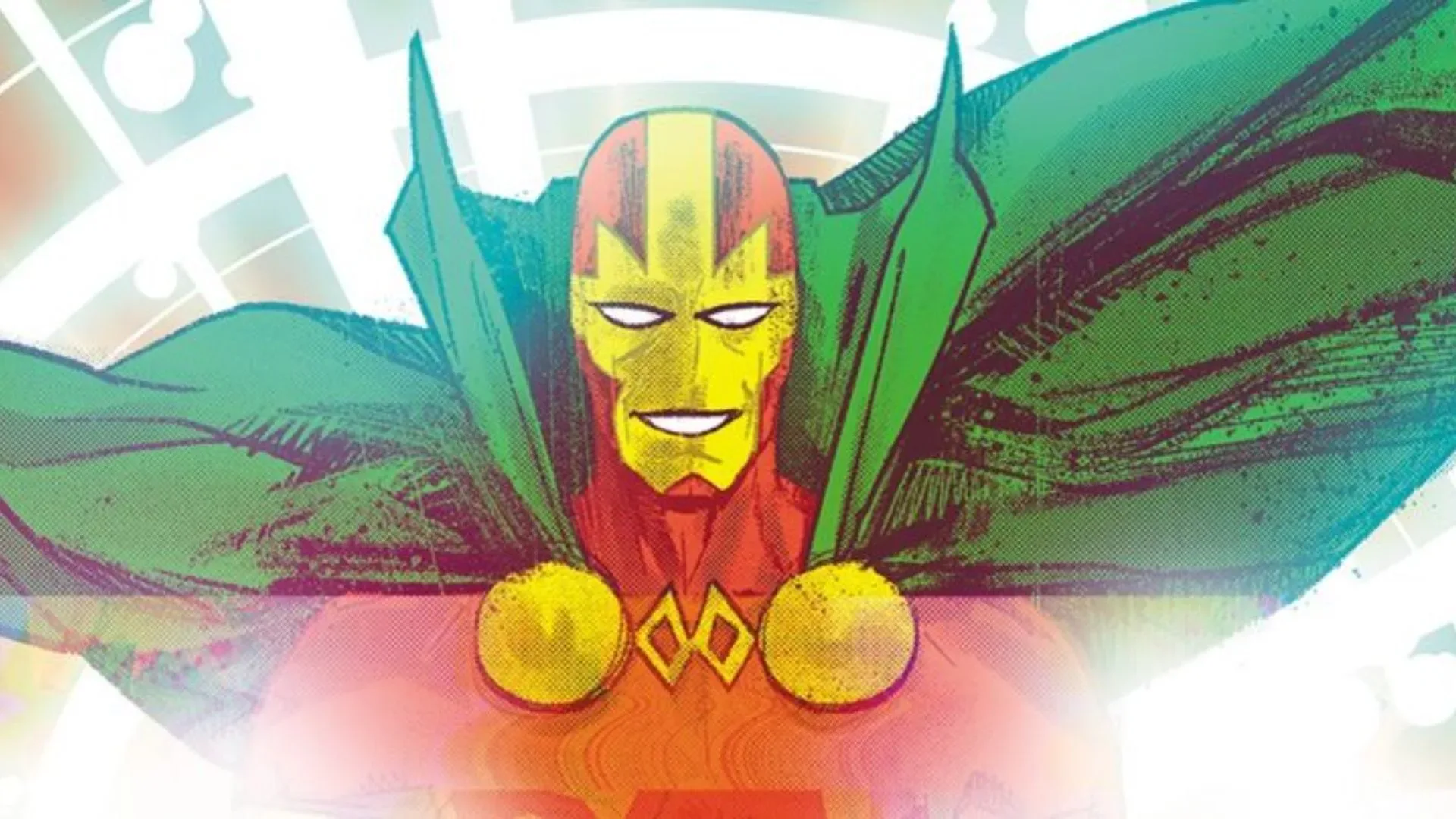
The discussion also arrives as superhero storytelling continues to evolve across film and television. DC’s comic-book characters remain active in new screen projects, including the recently reported animated adaptation of Mister Miracle. The continued expansion of comic-book adaptations means arguments over artistic merit, genre expectations and awards recognition are unlikely to disappear.
Doctor Doom is Downey Jr.’s next Marvel test
Downey Jr. is now returning to Marvel in a very different capacity: Doctor Doom in Avengers: Doomsday. The character is described as tragic, a useful detail given the kind of dramatic territory Downey Jr. appears interested in exploring.
On the Countdown to Avengers: Doomsday Official Podcast, Downey Jr. said his reason for returning was the opportunity to “redefine the genre of superhero movies.” That is an ambitious statement, especially from an actor already inseparable from the modern blockbuster era through Iron Man.
Whether Avengers: Doomsday changes critical or awards perceptions is unknown, and it would be premature to make claims about the film or Downey Jr.’s performance before audiences see it. What can be said is that the casting gives the next Avengers chapter an intriguing tension: the actor most associated with one of the genre’s defining heroes is set to take on one of its best-known villains.
Avengers: Doomsday is scheduled to reach cinemas on December 18. Until then, Bettany’s comments offer a timely reminder that genre labels can shape the way performances are discussed—and sometimes prevent viewers and voters from seeing the work behind the spectacle.