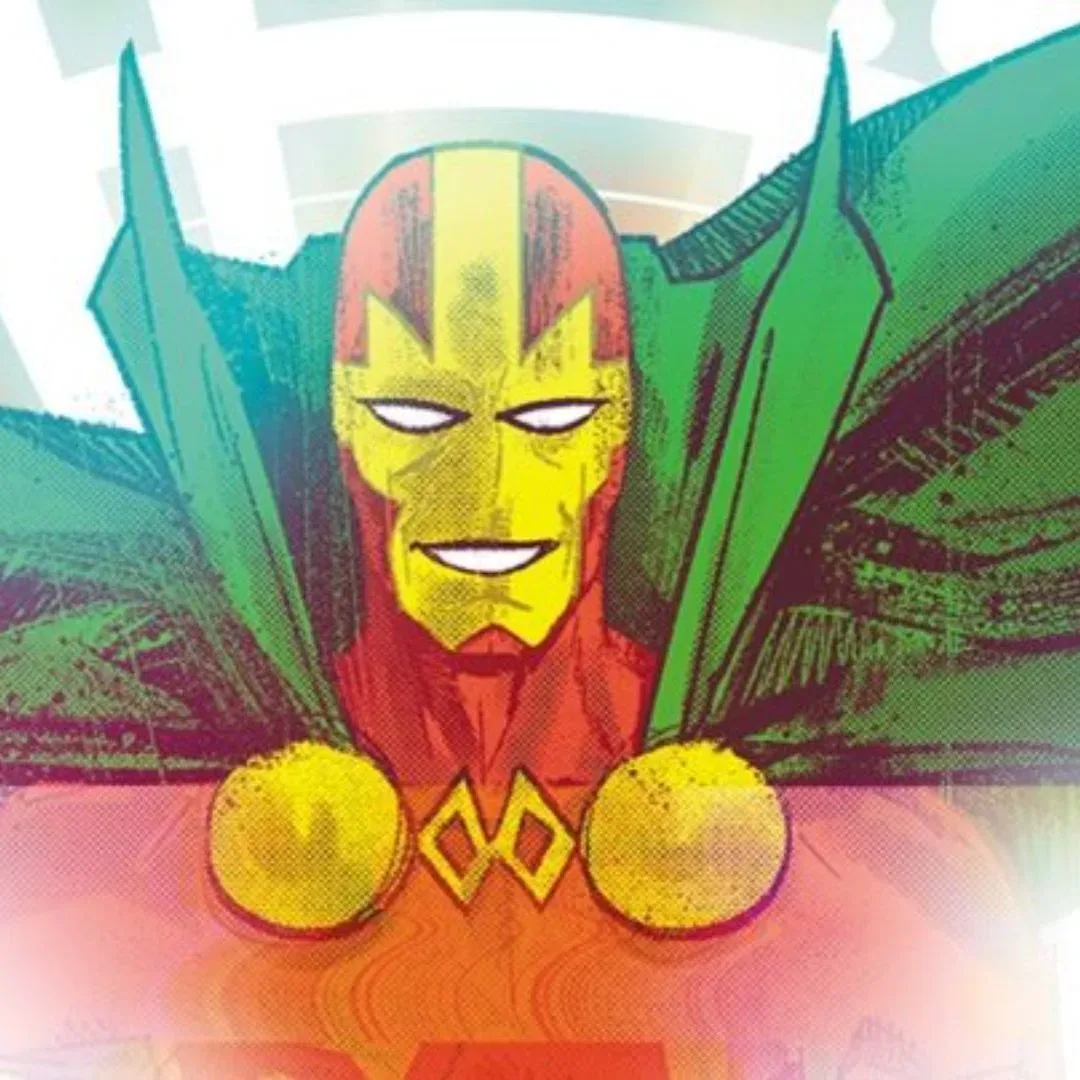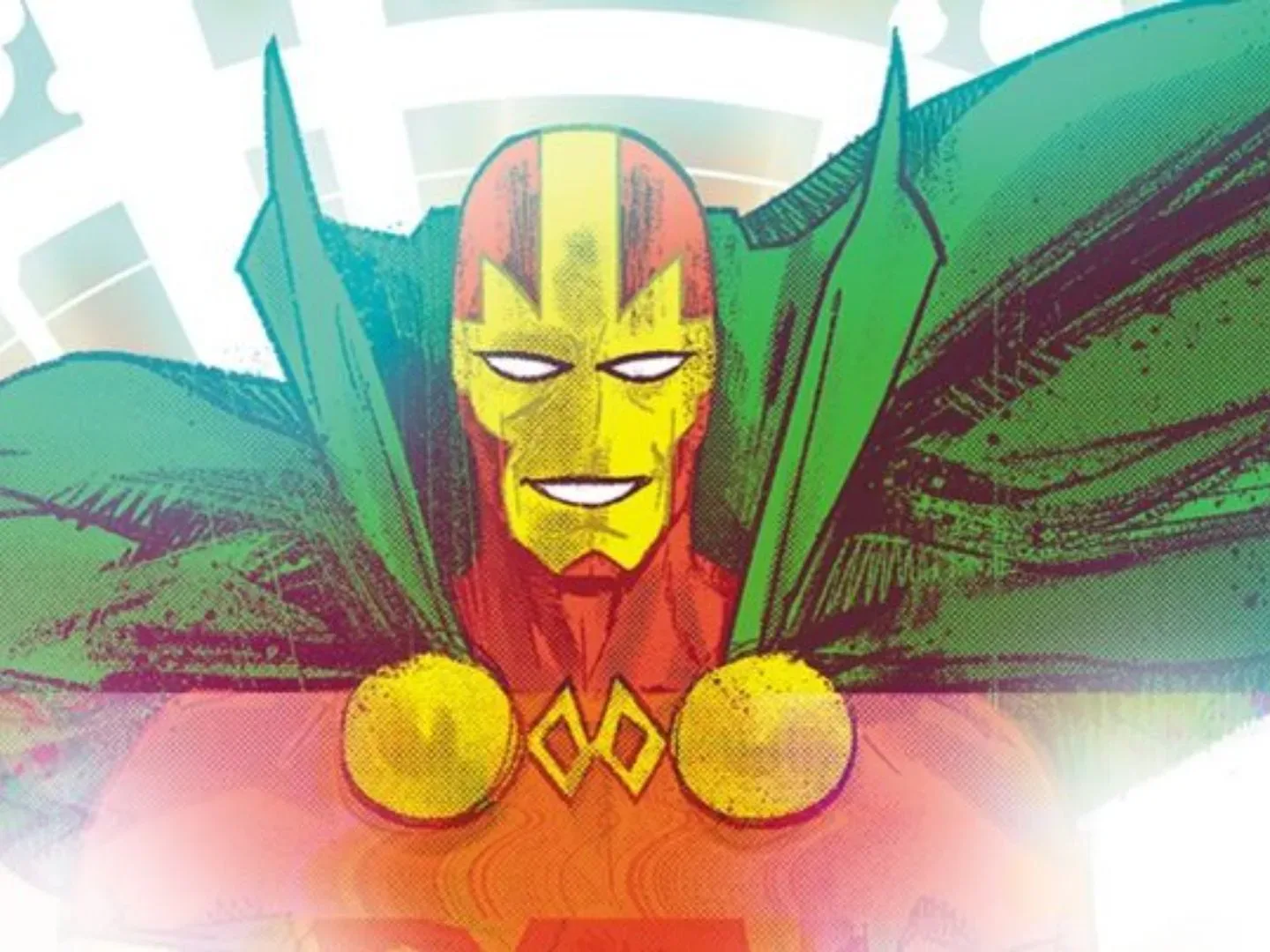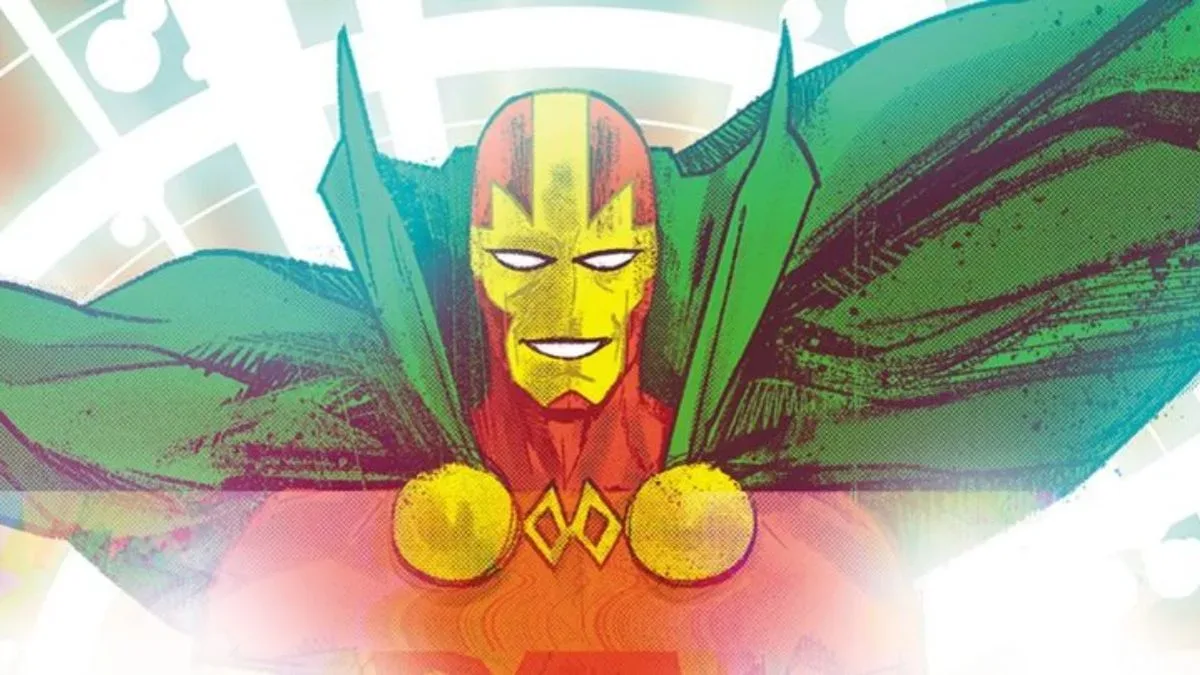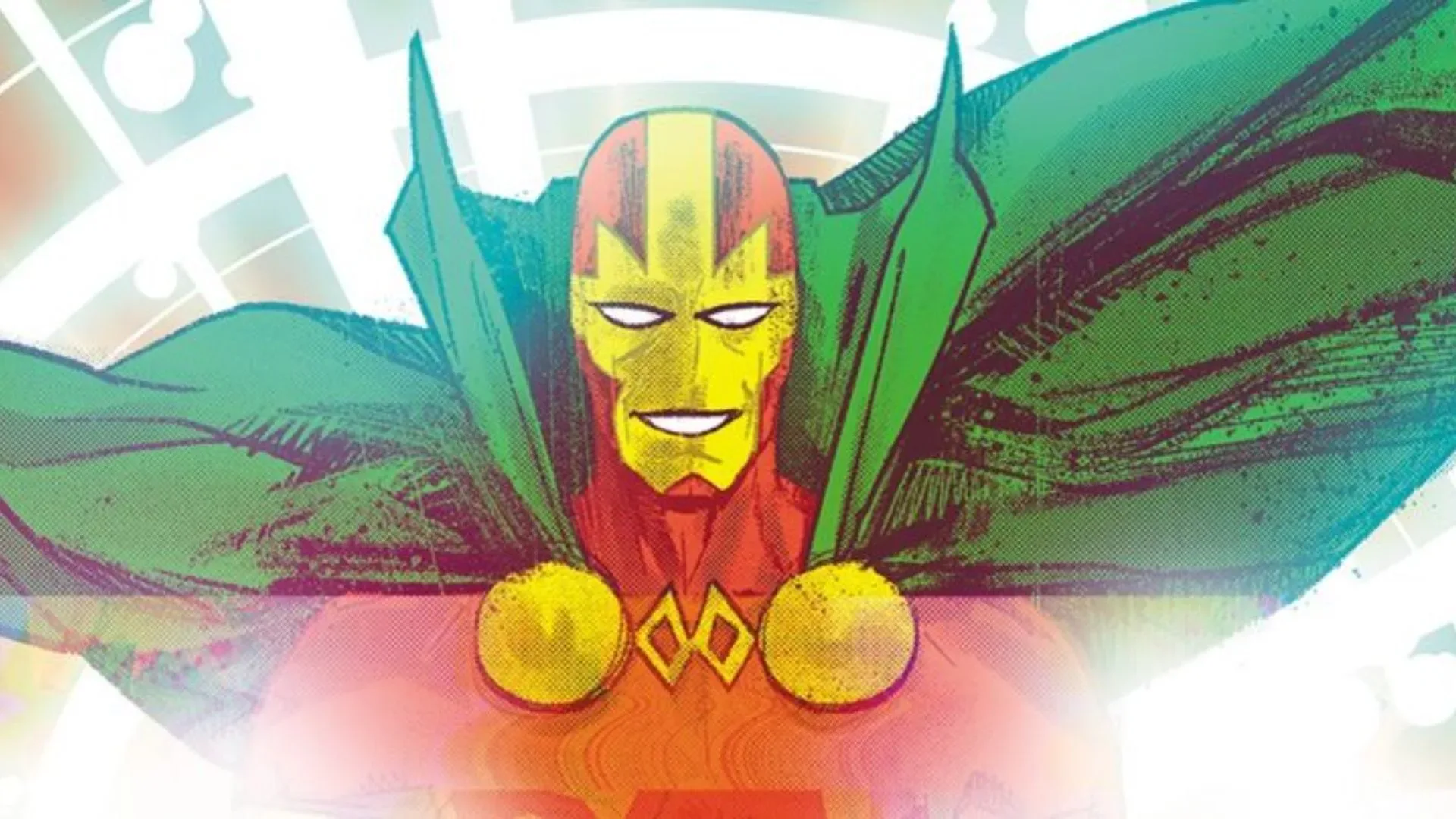
DC’s animated Mister Miracle has its two essential voices: Josh Hutcherson will play Scott Free, better known as Mister Miracle, while Mackenzie Davis will voice Big Barda. The casting gives the planned eight-episode series its emotional center, because this is not simply a story about an escape artist in a superhero setting. It is a story about the life Scott and Barda try to build after escape, and about the mental weight that follows Scott from Apokolips to Earth.
DC Studios co-CEO Peter Safran described the project as still being in its early stages, but offered unusually emphatic praise for the adaptation. Tom King, who wrote the 2017–2019 Mister Miracle comic series, has adapted the work himself and written all eight episodes. Safran called the adaptation “dynamite” and characterized it as a beautiful story about living with the fact that life’s largest questions may never receive clear answers.
Why Scott Free and Big Barda need to work as a pair
Scott Free is the title character, but the announced casting makes clear where the series’ dramatic foundation lies: the relationship between Scott and Barda. In the comic’s basic setup, the pair are living a comparatively regular life on Earth after escaping Apokolips. That ordinary setting sits beside the extraordinary premise of their backgrounds and Scott’s identity as Mister Miracle.
Apokolips is central to the premise because it is where Scott and Barda escaped from. Yet the series is not being framed merely as an account of that escape. Its focus is what comes later: the effort to have a day-to-day existence and a meaningful relationship while Scott deals with PTSD.
PTSD, or post-traumatic stress disorder, is a mental-health condition associated with the effects of traumatic experiences. In the supplied description of Mister Miracle, it is specifically part of Scott’s struggle after leaving Apokolips. That makes the adaptation’s emphasis notably different from a conventional superhero pitch built around a villain, a mission, or an origin story. The central tension appears to be survival in the ongoing sense: how people continue living when trauma and unanswered questions do not neatly disappear.
Safran said King has heard from readers who feel the original book helped save their lives. That response speaks to the personal stakes readers have attached to the story, while also setting a high bar for the adaptation. The animated series has to translate material with a devoted emotional following without reducing it to a generic action narrative.
What the eight-episode structure tells us—and what it does not
There will be eight episodes, all written by King. That is the clearest production detail currently available beyond the lead cast. A single writer adapting his own comic can provide a direct creative line between the original work and the screen version: the person handling the scripts is also the person who created the source material and understands its intended themes.
It does not automatically reveal how closely every plot beat, scene, or visual will match the comics. Adaptation is the process of reshaping a work for another medium, and an animated episodic series has different needs from a comic run. Dialogue, pacing, transitions, performance and episode endings all operate differently when viewers are watching rather than reading. The known facts support an expectation of strong authorial continuity, but they do not establish a scene-by-scene reproduction.
King’s involvement also follows his work co-creating and executive producing a season of Lanterns, experience Safran said helped inform the Mister Miracle adaptation. An executive producer is generally a senior creative and/or production role, though the precise duties can vary from project to project. What is clear here is that King has brought prior television-production experience into writing the complete eight-episode animated run.
The significance of the casting
Voice casting is especially consequential for a story built around two people processing a life together. Animation can depict the huge, fantastic side of DC’s worlds, but the performances have to sell quieter material as well: affection, strain, uncertainty, humor and resilience. Hutcherson and Davis will be responsible for giving Scott and Barda that connection through voice performance.
The announcement identifies Hutcherson specifically as Scott Free and Davis as Big Barda, but no additional cast members, character designs, release window, platform, animation studio or footage have been detailed. Those are important unknowns. It would be premature to infer the show’s visual style, its exact relationship to other DC productions, or the degree to which it will emphasize action versus domestic and psychological drama.
That absence of detail should not be confused with a lack of direction. The project already has a defined source work, a completed eight-episode script assignment, and its two lead actors. More importantly, DC’s stated explanation of the series gives it a thematic identity: it is about surviving contemporary life without complete answers, told through Scott and Barda’s lives after Apokolips.
An adaptation with a distinct emotional brief
Comic-book animation covers an enormous range, from action-led adventure to stories driven more by character interiority. Mister Miracle appears positioned firmly toward the latter, even while its central figures come from a fantastical DC setting. That blend is its potential strength. The premise can hold both the outsized elements implied by Apokolips and the recognizably human strain of trying to carry on after trauma.
Safran’s comments underline that ambition. Rather than stressing a franchise connection or a specific spectacle, he highlighted the story’s concern with uncertainty, emotional survival and a relationship that matters to readers. For viewers, that suggests the key question will not solely be whether Mister Miracle can escape a particular predicament. It will be whether Scott and Barda can find a way to live with the burdens and ambiguities that remain after the escape.
That is also why the choice to retain King as the sole writer for the eight episodes matters. The comic’s creator is shaping the adaptation’s narrative voice from beginning to end, with Hutcherson and Davis now attached to embody its central couple. DC has not yet announced when audiences will be able to see the series, so the next material to watch for will be further casting, production information, a release plan and a first look at how the animated version presents Scott Free and Big Barda.
For a recent example of how animation can take a recognizable genre world into a more character-specific direction, see our look at the creative risk surrounding Cyberpunk: Edgerunners Season 2.