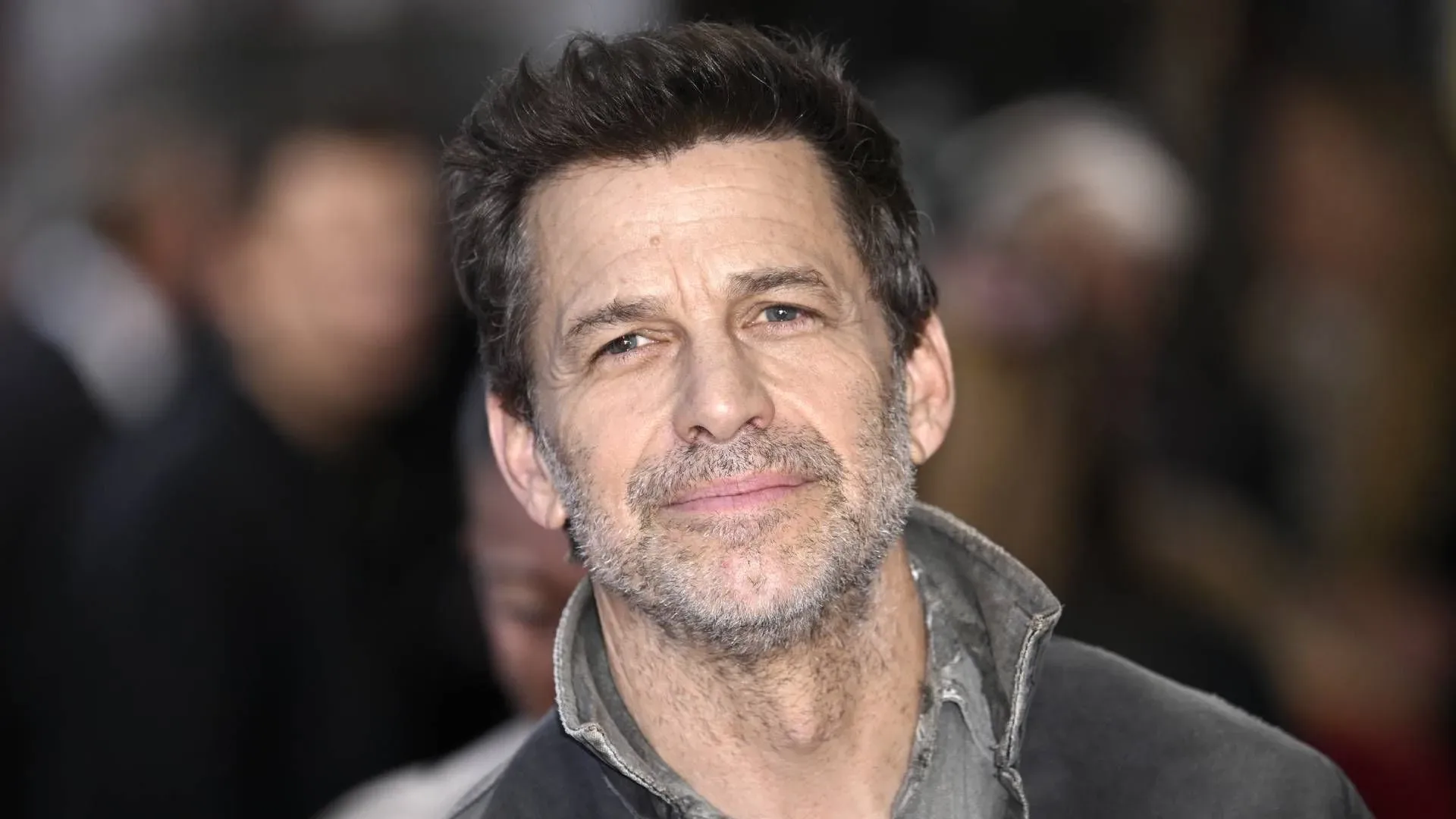
Zack Snyder has offered a compact explanation for one of modern superhero cinema’s longest-running arguments: his DC films were not designed to feel like the bright, momentum-heavy attractions that many audiences associate with the Marvel Cinematic Universe. His interest, he said, was in the mythology behind the characters.
It is a distinction that sounds simple until Batman, Superman, Wonder Woman, and the Justice League enter the conversation. These are heroes built to support radically different readings. They can be funny, colorful, reassuring, mournful, operatic, strange, accessible, intimidating, or all of those things in a single comic-book run. Snyder’s tenure, which began with Man of Steel and culminated in his version of Justice League, embraced a particularly weighty interpretation: gods and icons grappling with consequence, symbolism, death, faith, fear, and public expectation.
Speaking about the contrast, Snyder compared Marvel’s structure to an amusement-park ride, with rises, dips, quieter stretches, and another big drop before the exit. He said that approach was not what he wanted to make, while also allowing that his decision may have been a mistake. Rather than aiming for that kind of rhythmic, crowd-energizing experience, he said he would rather explore the mythic dimension of superheroes—even if it might be less conventionally fun.
That is unusually direct self-assessment from a filmmaker whose DC work has inspired both intense loyalty and equally intense criticism. It also identifies the core issue more clearly than many online arguments ever manage to do. The disagreement was never just about a muted color palette, a long runtime, slow motion, or whether a particular character should crack more jokes. It was about what viewers believe a shared superhero universe should fundamentally deliver.
Two different promises of superhero entertainment
The amusement-park comparison is not necessarily a dismissal. Snyder’s description recognizes why that model works: it creates a dependable feeling of forward motion. A viewer can expect spectacle, reversals, personality-driven banter, danger, release, and the satisfaction of emerging from the experience feeling as though the ride fulfilled its promise. That pacing can accommodate serious moments, but it generally preserves a sense that the audience is being carried along.
Snyder’s stated preference points somewhere else. Mythology asks audiences to pause over the meaning of the hero, not only the next obstacle in front of them. Superman becomes more than a man who rescues people; he becomes a question about hope, power, alienation, and the enormous pressure of being seen as a savior. Batman becomes more than a detective and gadget enthusiast; he can represent human suspicion, grief, fury, and defiance in the face of godlike power.
Neither lens is inherently more legitimate than the other. But they produce very different moods. The amusement-park model prioritizes propulsion and payoff. The mythology-first model can prioritize atmosphere, iconography, dread, and contemplation. One says, “Come with us; there is another turn ahead.” The other says, “Stop and look at what this symbol means.”
That difference explains why Snyder’s DC films could feel so definitive to supporters and so frustrating to detractors. Fans who wanted solemn, larger-than-life interpretations found a filmmaker taking the gods in capes seriously. Viewers seeking buoyancy, clarity, humor, and a more immediately welcoming sense of adventure often encountered a world that felt too severe or too emotionally burdened.
The Snyderverse debate was always a tonal debate
The fan-used term “Snyderverse” has become shorthand for a specific DC screen identity, but it is important not to reduce it to a checklist of visual traits. Its most consequential element was tone. The films leaned dark and intense, with a willingness to place superhero figures in apocalyptic or morally fraught spaces. For some viewers, that gave familiar characters unusual scale. For others, the intensity could make the films feel heavy, even when the heroes themselves were among popular culture’s most flexible and hopeful creations.
Snyder’s new remarks do not erase those criticisms. In fact, his acknowledgment that a more ride-like approach might have worked better suggests he understands the trade-off. The question is not whether audiences failed to understand the intention. The intention appears to have been precisely the point: a superhero story should operate as myth, and myths are not always built for breezy, broadly frictionless entertainment.
There is also something revealing in the admission that he could not think in the other mode. Filmmaking is collaborative, commercial, and shaped by franchises, but a director’s instinct still matters. Asking a filmmaker whose imagination is fixed on mythic weight to build a lighter, faster, more modular spectacle can produce a work that satisfies no one. Snyder’s DC films may have divided audiences, but they did not lack an identifiable point of view.
That does not mean a point of view guarantees universal appeal. Shared universes are especially difficult because they are asked to serve multiple masters: longtime comic readers, casual moviegoers, fans of individual characters, viewers following every installment, and people who simply want a satisfying night at the movies. A grand mythology can delight one group while leaving another waiting for the ride to start.
DC’s newer direction makes the contrast sharper
The tonal conversation continues because DC has moved into a new era under James Gunn’s DCU Chapter One. Projects including Superman and Lanterns signal a shift from the Snyder-era approach, even if DC’s characters remain large enough to contain many styles at once. The newer direction has found an audience, though it has not arrived without difficulties; the response around Supergirl is a reminder that changing tone does not magically eliminate debate.
That is the real lesson of the past several years. There is no single correct temperature for DC. Its library has room for earnestness and absurdity, cosmic awe and street-level menace, bright optimism and gothic dread. The challenge is not picking one emotional register forever. It is establishing what each project is trying to be, then delivering it with enough conviction that the audience understands the invitation.
Snyder’s comments are valuable because they frame his own invitation honestly. He was not trying to construct the same kind of cinematic roller coaster that Marvel had made familiar to mass audiences. He was trying to turn superheroes into modern mythology. Whether an individual viewer considers that thrilling, exhausting, moving, self-serious, or some mixture of all four will remain personal.
Why the mythology approach still matters
Superheroes endure because they are adaptable myths. They are commercial characters, certainly, but they are also symbols that get rewritten for the anxieties and hopes of each generation. A Superman story can be a bright adventure about doing good. It can also be an examination of whether humanity can trust overwhelming power. A Batman story can be a pulpy mystery, a horror tale, a crime saga, or an inward-looking study of trauma. The genre gets smaller, not larger, when every interpretation is required to chase the same emotional rhythm.
In that sense, Snyder’s preferred lane was a defensible one even where it proved divisive. His work insisted that these characters could be monumental and unsettling, that their clashes could be framed as clashes of belief rather than merely plot mechanics. The result was not an amusement-park experience by design. It was an attempt to make superhero stories feel like legends with consequences.
That perspective also helps explain why the argument around his DC films has lasted. People were not merely debating execution; they were debating the purpose of the genre. Should a superhero universe primarily provide swift entertainment and repeatable exhilaration? Should it reach for the grand, symbolic, sometimes uncomfortable territory of myth? The answer can be both, depending on the filmmaker and character. Yet Snyder has made clear which answer guided him.
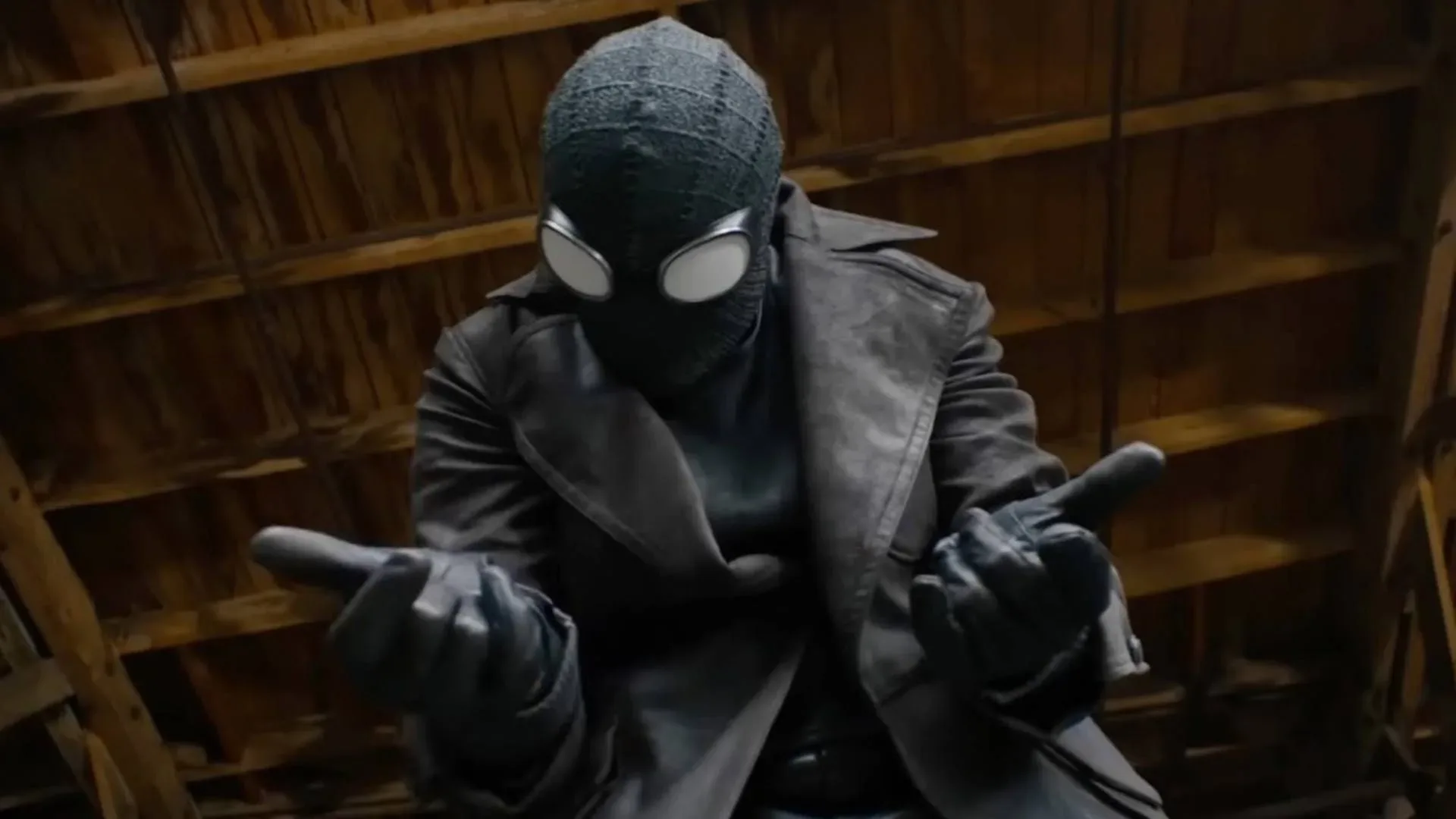
For fans looking across the wider comic-book screen landscape, that debate is still very much alive. It is visible in every argument about sincerity versus irony, darkness versus hope, and standalone authorial vision versus the interconnected machinery of a universe. It is also part of why superhero properties continue to command attention beyond the screen, from comics to collectibles and related media. For another look at how expansive superhero worlds keep branching into television, see the reported new Spider-Man projects in development.
Snyder’s legacy in DC, then, is not dependent on everyone agreeing that his approach was “fun.” His own comments accept that it may not have been. The more enduring point is that he made a clear choice: superheroes, in his view, were worth treating as mythology first and an amusement-park ride second. For admirers, that seriousness is the appeal. For critics, it is the limitation. For the genre, it remains proof that capes can still carry very different kinds of stories.