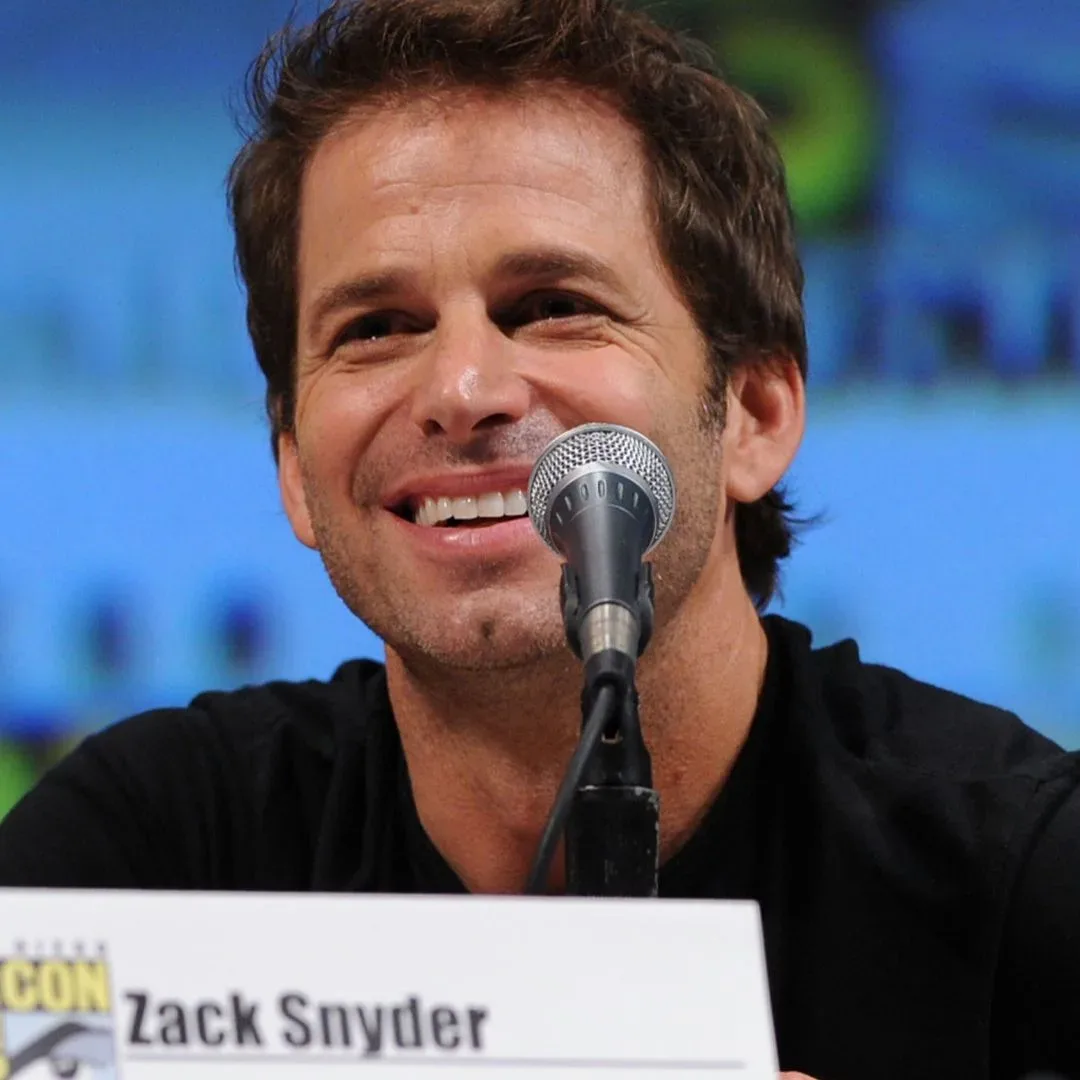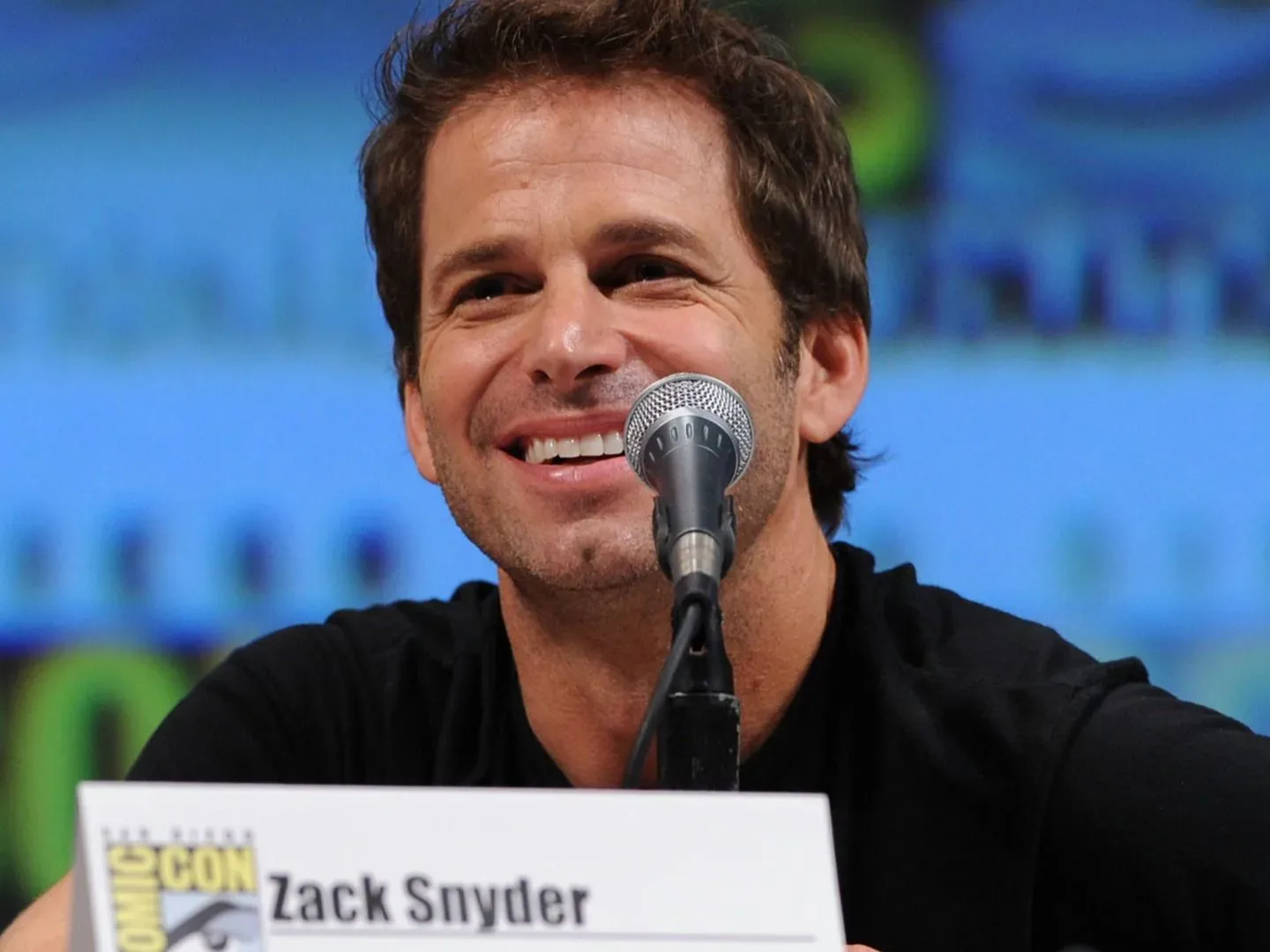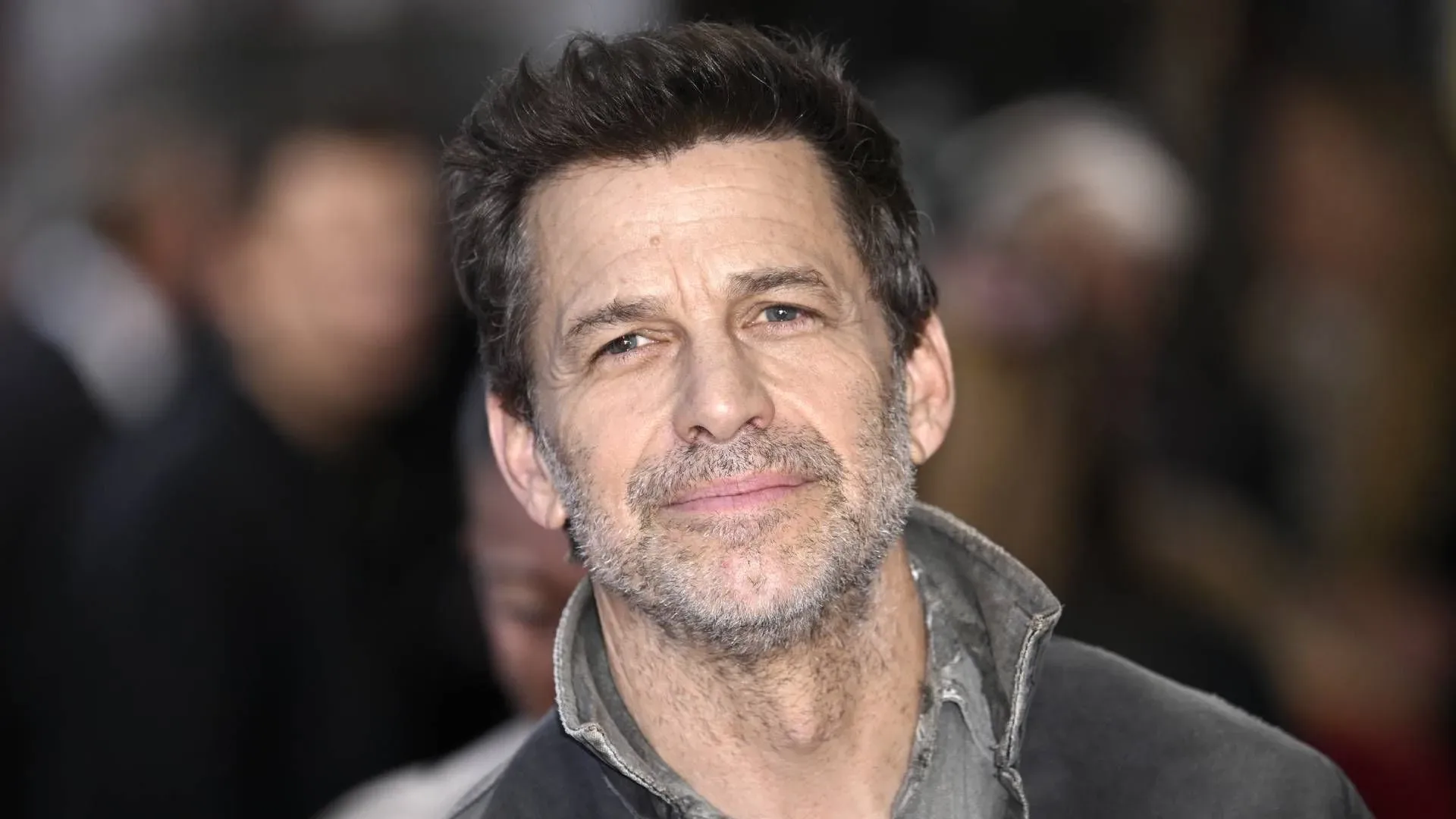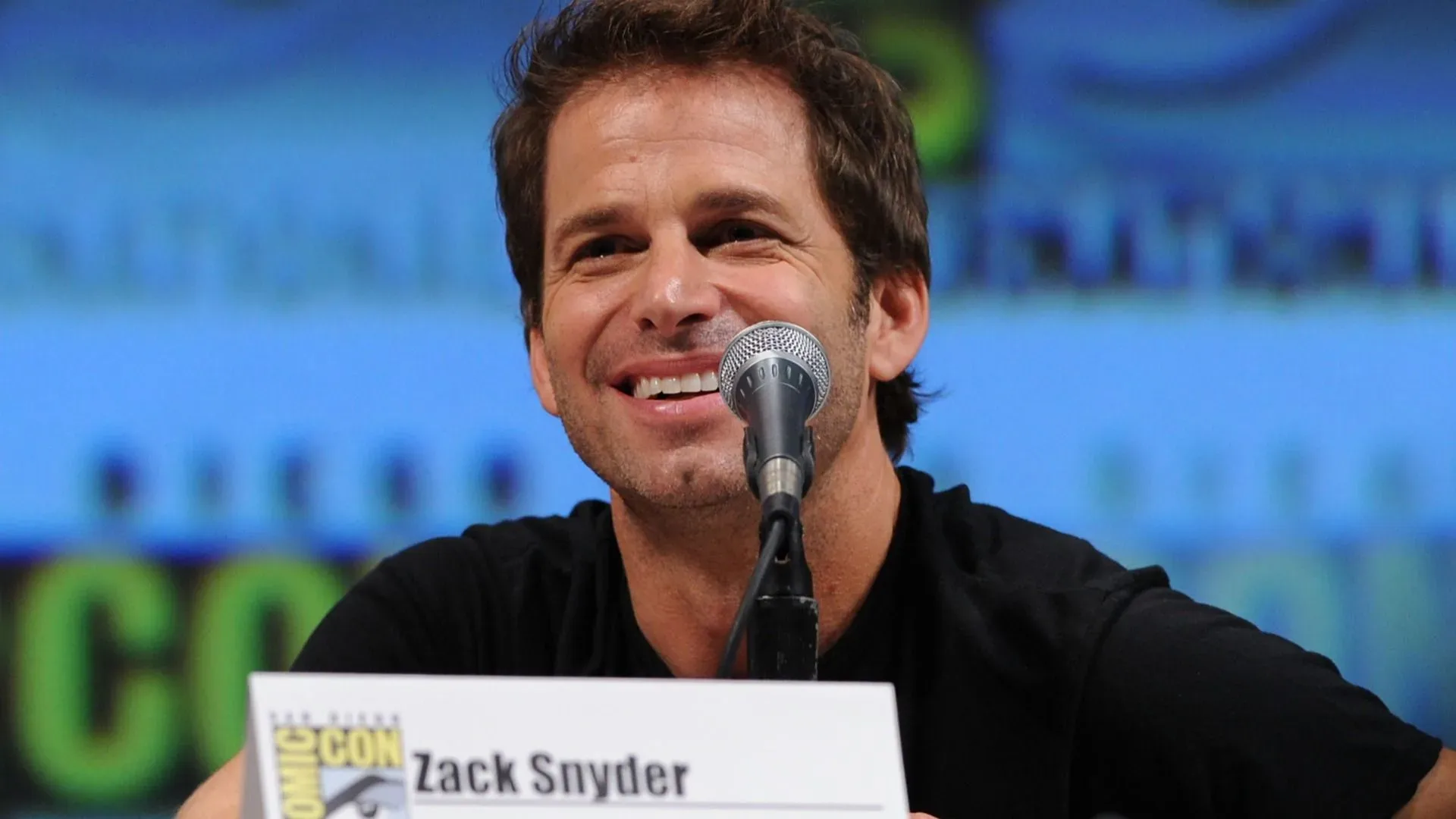
Zack Snyder has identified The Dark Knight Returns as the Batman project he would most want to make if he were to revisit the character. His reasoning is not simply that Frank Miller’s 1986 graphic novel is famous, visually muscular or already influential on his own DC work. Snyder sees the book as a story created for readers who were growing tired of superhero comics—and believes that premise could carry particular weight for film audiences now.
In discussing the possibility, Snyder placed Miller’s Batman story beside Watchmen, another landmark comic-book work he previously brought to the screen. He described the two books as representing a complete cycle for the superhero-comic medium: Watchmen at one end, and The Dark Knight Returns at the other. It is an ambitious framing, but it also helps explain why he is not talking about just any new Batman film. He is talking about an adaptation whose subject is, in part, the cultural fatigue surrounding the genre itself.
“The reason why it’s The Dark Knight Returns, if anyone would ever let me do it outside of the DC Universe since it’s a novel that just happens to have superheroes in it, is if I could do Watchmen and The Dark Knight Returns, those two books next to each other, to me, represent the complete cycle of the superhero comic book medium.”
That wording is important. Snyder’s comments are an expression of interest, not confirmation that an adaptation is being developed, approved or planned. There is no announced Snyder-directed Dark Knight Returns film in the material at hand. The director is describing the project he would pursue if the opportunity existed.
Why this particular Batman story matters to Snyder
The Dark Knight Returns is not a conventional “Batman begins again” tale. Miller’s book imagines an older Bruce Wayne returning to action after retirement, with Gotham and its institutions in a more severe state than the familiar status quo. Its Batman is weathered, forceful and visibly shaped by the passage of time. The story also puts him in conflict with a broader world that is willing to turn superheroes into symbols, threats, tools or relics.
That approach gives the book a different dramatic engine from an origin story or a straightforward battle between a hero and one villain. Batman’s return becomes an argument about whether he still belongs, who gets to decide that, and what a costumed figure means in a society that has changed around him. For a filmmaker interested in mythic images and heightened superhero conflict, it is understandable why the material remains compelling.
Snyder’s earlier Batman film, Batman v Superman, already showed how strongly Miller’s work has informed his view of the character. It incorporated story material associated with the graphic novel and echoed some of its visual compositions. That does not make it an adaptation of The Dark Knight Returns; it does show that Snyder has long treated the book as a defining text for cinematic Batman.
His broader adaptation history reinforces that point. Snyder’s films 300 and Watchmen are especially associated with reproducing recognizable imagery from their comic-book counterparts. In adaptation terms, that tendency is often called panel-to-screen translation: staging, framing, costume silhouettes or iconic moments in ways that deliberately recall drawn pages. It can please readers who value fidelity to a comic’s visual identity, though a film still has to make those images work through performance, pacing, sound and motion rather than static panels.
The fatigue argument, explained
Snyder’s central case is that The Dark Knight Returns was written for an audience exhausted by comic books, much as Watchmen was. He suggests a contemporary movie version could speak to viewers who feel similarly worn down by comic-book films.
“Genre fatigue” is a useful term here, but it should not be confused with a claim that every viewer has stopped watching superhero stories. It describes a potential sense of repetition: audiences may become less interested when they expect familiar character arcs, franchise setup, universe-building or stakes that feel interchangeable from one release to another. A fatigue-aware story tries to turn that expectation into part of the subject. Instead of merely asking viewers to celebrate the return of a hero, it asks what that return means after the idea of heroes has become commonplace, commercialized or contested.
That is the niche Snyder believes Miller’s story could occupy. In his view, the book’s self-awareness is not an obstacle to an adaptation; it is the reason to make one at this point in the genre’s history. He stopped short of declaring superhero cinema finished, saying it may be further along its path rather than definitively at its twilight.
There is a meaningful distinction between a genre having many releases and a genre being artistically or commercially exhausted. The former can be plainly counted; the latter is an interpretation. The supplied information itself presents a counterpoint: Spider-Man: Brand New Day is described as the year’s biggest film, while Avengers: Doomsday is set to arrive on December 18. Those examples do not settle every question about audience appetite, but they make a blanket verdict difficult. Large audience interest in particular characters or events can coexist with viewers becoming choosier about which superhero films feel essential.
A Batman film about Batman’s relevance
Adapted literally or loosely, The Dark Knight Returns would come with a built-in challenge. Its appeal is bound to its perspective: this is a Batman story that interrogates the superhero story. That is different from simply making the tone darker, making Batman older, or adding references to a celebrated comic.
A successful modern interpretation would need to preserve the question at the book’s core: why does this version of Batman return now? In Snyder’s comments, the answer is connected to a film landscape where the very presence of superheroes has become familiar. The character would not only be fighting crime or rivals; he would be entering a conversation already crowded with heroic images and franchise expectations.
That could make the project an unusually high-stakes adaptation. The graphic novel carries a fiercely recognizable identity, and Snyder’s DC work has already been debated intensely by fans. A prospective film would therefore face two sets of expectations at once: readers judging how it engages with Miller’s material, and audiences assessing whether it offers a purposeful alternative to other comic-book releases rather than another entry in the same cycle.
It would also be wrong to assume that a story written in 1986 can simply be transported intact without thought. A direct adaptation and a contemporary reworking are different propositions. A direct adaptation prioritizes preserving plot and structure; a reworking takes the central ideas and applies them to a changed cultural moment. Snyder has not laid out which approach he would take, so any details beyond his stated desire remain speculative.
What is actually scheduled for Batman
For now, the next Batman film specifically identified is The Batman 2, with Robert Pattinson returning and a theatrical release date of February 18, 2028. That establishes the immediate on-screen Batman project referenced here, but it does not provide evidence of a connection to Snyder’s proposed Dark Knight Returns idea.
Batman’s capacity to support sharply different interpretations is one reason a hypothetical Miller adaptation remains easy to imagine even without an announcement. The character can be approached as a detective, an urban vigilante, a larger-than-life comic-book icon or, in the case of The Dark Knight Returns, an aging figure whose comeback is inherently political and cultural. Snyder is clearly drawn to the latter version.
The director’s argument also arrives amid continuing discussion of what superhero movies ought to be after years of tightly connected franchises and familiar crossover logic. The Dark Knight Returns could be presented as a stand-alone graphic-novel adaptation, an approach Snyder alluded to when describing it as a novel that happens to include superheroes. That phrasing emphasizes the work’s themes and dramatic stature rather than treating it chiefly as another piece of shared-universe machinery.
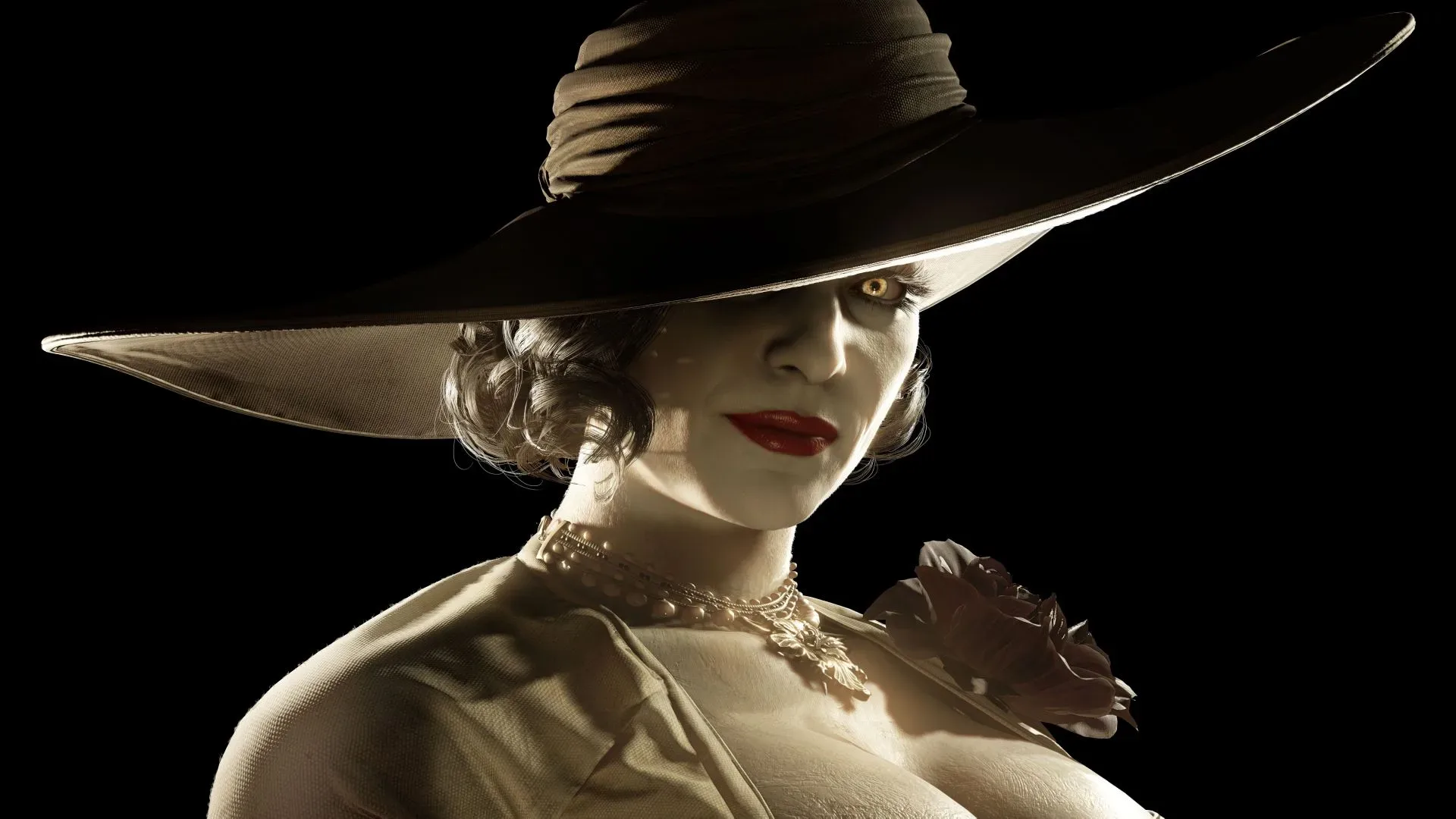
Superhero films are not the only screen adaptations being discussed through the lens of tone and character fit. Elsewhere, questions around horror, casting and game adaptations continue to shape pop-culture conversation, including the debate over who might suit Resident Evil’s Lady Dimitrescu. Snyder’s comments belong to a related but distinct question: not simply who should make a comic adaptation, but what kind of adaptation can justify itself when audiences have already seen so many heroes on screen.
What to take from Snyder’s comments
- This is not a film announcement. Snyder has named the project he would want to make, but no production, cast, release date or studio plan has been established in the information provided.
- His interest is rooted in the comic’s purpose. He sees The Dark Knight Returns as a response to superhero fatigue, rather than just a source for familiar Batman imagery.
- The idea is connected to his past work. Batman v Superman drew from Miller’s comic, while Snyder’s adaptations of 300 and Watchmen demonstrate his interest in bringing comics’ signature visuals to film.
- The audience question remains open. Snyder’s view that viewers are exhausted by comic-book movies is debatable, particularly alongside the cited success of Spider-Man: Brand New Day and the upcoming arrival of Avengers: Doomsday.
Ultimately, Snyder is making a creative argument rather than predicting an inevitable next step for Batman. He believes the genre’s age and abundance are precisely what could make The Dark Knight Returns timely. Whether that argument ever turns into a film is unknown. What is clear is that he does not view Miller’s graphic novel as merely another Batman property: he views it as the capstone to a conversation about superheroes that his own career has repeatedly engaged.