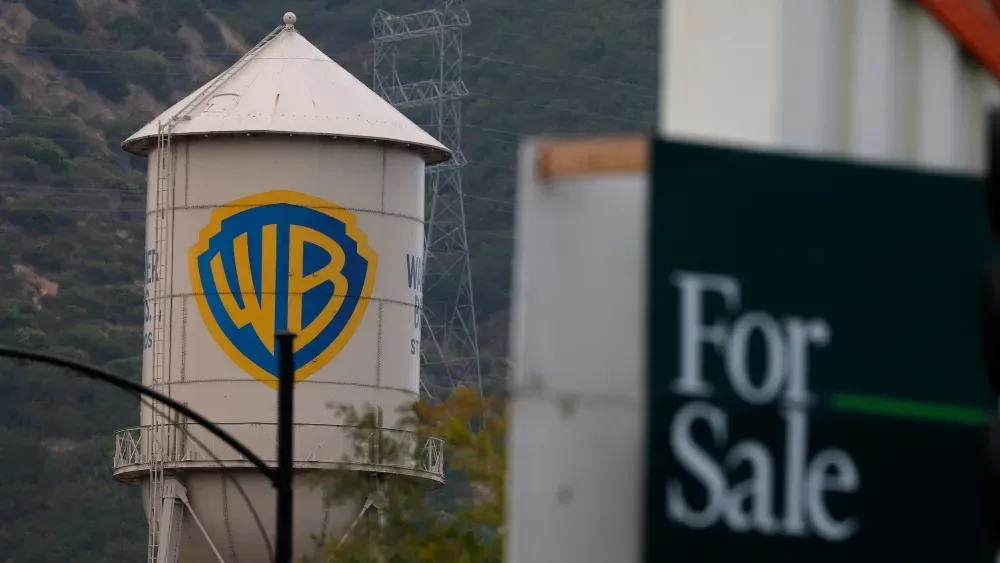
Settlement discussions between Paramount and the coalition of 12 state attorneys general challenging its planned acquisition of Warner Bros. Discovery have ended the latest round without a resolution. The parties were expected to pause negotiations for Yom Kippur, but the more meaningful takeaway is that agreement on conditions for the deal remains unfinished.
The proposed transaction is not a routine entertainment-business merger. It would combine major film and television operations with the CNN and CBS News brands, and it has drawn objections involving competition, employment, theatrical distribution, California production, and editorial independence. The shape of any settlement matters because it could determine not merely whether the $110 billion transaction proceeds, but what binding obligations Paramount must accept if it does.
What is being negotiated?
The states’ lawsuit seeks to stop the Paramount-Warner Bros. Discovery combination on antitrust grounds. Antitrust is the area of law concerned with preserving competition and limiting harmful concentrations of market power. In this case, the states contend that bringing two long-standing entertainment competitors together could reduce choice, harm workers and businesses, and raise costs for consumers.
A settlement would be an alternative to seeing the case through to a final court ruling. Rather than abandoning the acquisition or obtaining an unrestricted clearance, Paramount could agree to enforceable remedies: conditions designed to address specific concerns raised by regulators and plaintiffs. The discussions described so far include several remedies with direct implications for moviegoers, studio employees, California-based production workers, and audiences of cable and broadcast news.
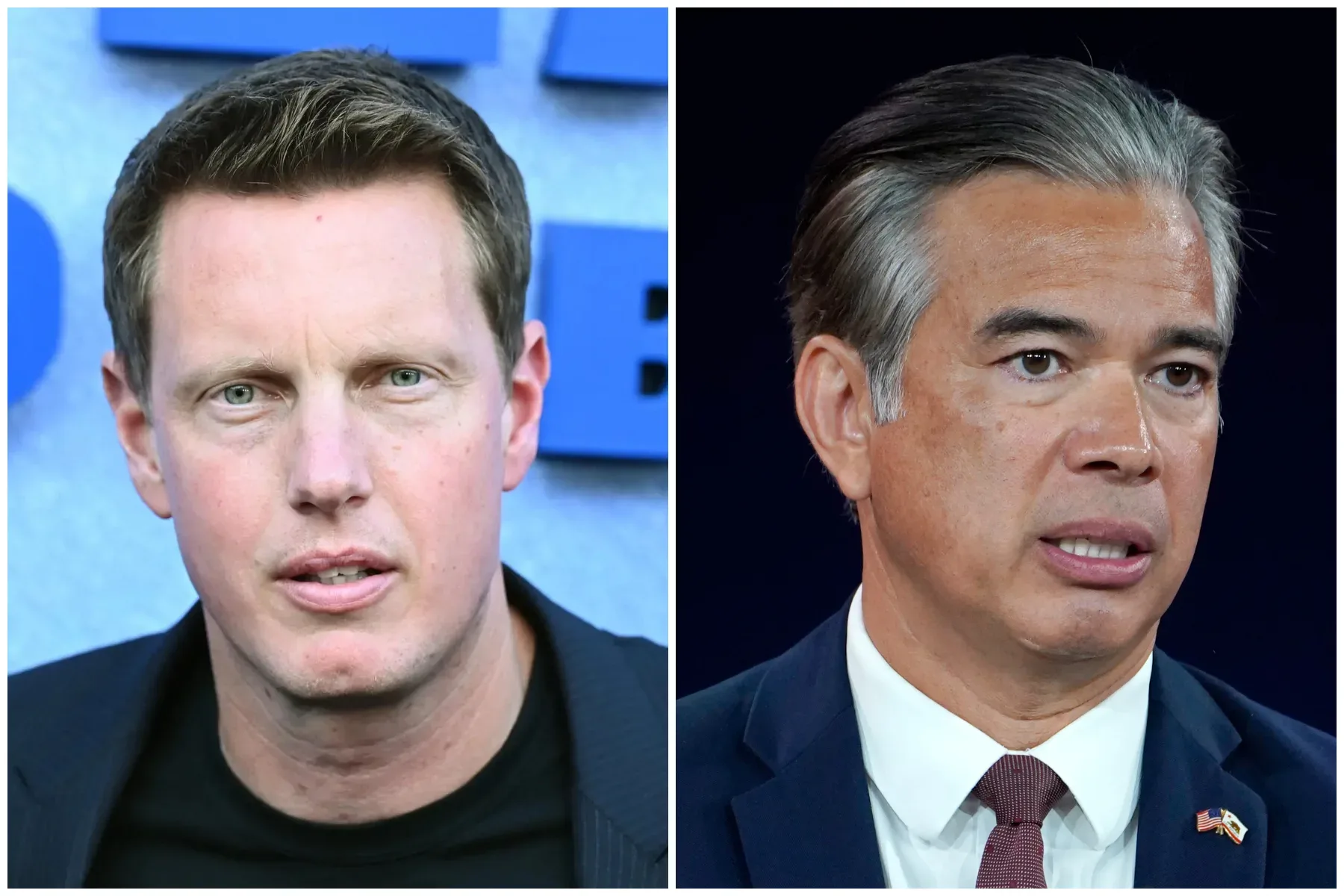
California Attorney General Rob Bonta is leading the 12-state coalition and is reportedly willing to consider conditions on the takeover. However, that does not mean all participating states are prepared to accept the same package. New York Attorney General Letitia James and Connecticut Attorney General William Tong are pushing for more substantial commitments.
The proposed terms: films, studios, California and news
One reported proposal would have Paramount keep Warner Bros.’ studio operations separate for a period after the deal. David Ellison, Paramount Skydance’s chief executive, has already indicated a willingness to do that. A temporary separation could slow the immediate blending of operations, though its practical meaning would depend heavily on the exact length of the requirement and which decisions must remain distinct.
Another term under discussion would require the combined company to release at least 30 films theatrically each year, backed by financial penalties if it misses that benchmark. Ellison has repeatedly committed to that theatrical-release figure. The significance of writing it into a settlement is that a public promise and a legally binding obligation are different things: penalties create a consequence for noncompliance.
That condition speaks to a central industry fear surrounding consolidation: that savings targets can translate into fewer films, fewer release slots, or fewer projects given a wide cinema rollout. It does not establish what kinds of movies would count toward the total or what their scale would be, and no such details have been specified. But an annual floor would at least create a measurable obligation around theatrical distribution.
The negotiations have also reportedly considered a commitment that Paramount would not move its existing California operations. Ellison had previously threatened to relocate them. Linked to remaining in the state would be a requirement to invest $1.5 billion in California-based productions.
That proposed investment is distinct from a job guarantee. Production spending can support local activity, but it does not by itself promise that particular staff members will keep their positions or that the merged company will avoid layoffs. This distinction is at the core of New York’s concerns.
Why New York wants job protections
James is seeking specific guarantees protecting jobs, including jobs at Warner Bros. Paramount has said the merger could generate $6 billion in cost savings. Large projected savings do not automatically dictate a precise number of layoffs, but they understandably raise concern that thousands of positions may be eliminated as the two companies remove overlapping costs.
A merger remedy focused on jobs would need to state exactly who is covered, the duration of protection, and what exceptions are allowed. None of those mechanics have been disclosed. Still, the reported demand makes clear that New York is not treating California production investment as a substitute for direct employee protection.
For workers, artists, and businesses tied to the film and television ecosystem, that difference is consequential. The proposed theatrical-release minimum is aimed at output; California investment would focus on a geographic production commitment; and job protections would address continued employment. They may overlap in effect, but they are not interchangeable safeguards.
Connecticut’s concern: an adviser may not be enough
News independence is another unresolved point. One potential settlement provision would create a third-party editorial adviser to oversee CNN and CBS News. Connecticut’s Tong reportedly believes that arrangement needs considerably more force, seeking stronger measures to ensure that the newsrooms stay free from interference by Paramount’s owners.
An editorial adviser, as described in the negotiations, would be an outside figure involved in oversight. But an adviser’s power is defined by the agreement behind the title. An adviser who can make recommendations is different from an independent mechanism with clear authority, enforcement tools, and protections against owner influence. The specific powers contemplated for the proposed adviser have not been made public.
That lack of detail is why the disagreement cannot be reduced to a dispute over wording. The fundamental question is whether the eventual terms merely acknowledge editorial independence as a principle or create a structure that can enforce it when conflicts arise.
Ellison has argued that the dispute is focused less on market share than on concerns about his prospective stewardship of CNN. He has pledged that journalists at CNN and CBS News will serve facts and the public rather than a political party or cause. Tong, meanwhile, has emphasized independent journalism, competition, and the interests of workers, artists, consumers, and fans in opposing the merger under the current circumstances.
States are the key remaining regulatory obstacle
The Department of Justice and the Federal Communications Commission have approved the transaction without seeking concessions or remedies. That has left the state coalition in an unusually important position. The 12 states involved are Arizona, California, Colorado, Connecticut, Massachusetts, Minnesota, Nevada, New Jersey, New Mexico, New York, Oregon, and Washington.
The coalition already won a temporary restraining order in July from the U.S. District Court for the Northern District of California, halting the merger. A temporary restraining order is an interim court measure: it preserves the situation while the legal challenge is addressed, rather than delivering the final answer on the merits of the case.
The states’ case is not the only remaining impediment. The Writers Guild of America West has filed a similar antitrust challenge. Therefore, even a signed agreement with the attorneys general would not necessarily clear every legal hurdle in isolation.
A settlement would not mean an immediate close
Even if Paramount and the states reach an agreement, the acquisition would not close the same day. The deal’s financing is complex, including roughly $24 billion from Middle Eastern government funds, and the companies would need at least a week or so after an agreement with the states before closing could occur.
The path to this point has already been lengthy. Paramount had to outbid Netflix, which had reached an agreement to acquire Warner Bros. and HBO in early December before it was no longer in contention by late February. The latest negotiation pause shows that getting past rival bidders and federal approvals has not ended the uncertainty around the deal.
For audiences, the immediate practical effect is simple: no announced settlement means no confirmed merger conditions. The reported package offers hints of what a resolution might cover—separate studio operations for a time, a 30-film theatrical target, California production spending, and a news oversight structure—but each item remains subject to negotiation. The demands from New York and Connecticut show that the hardest issues are not yet settled.
The entertainment stakes are broad, extending from the number of movies reaching theaters to who makes decisions inside two nationally significant news organizations. For more on a related viewing question outside the merger debate, see this guide to watching free movies and live TV on a smart TV.