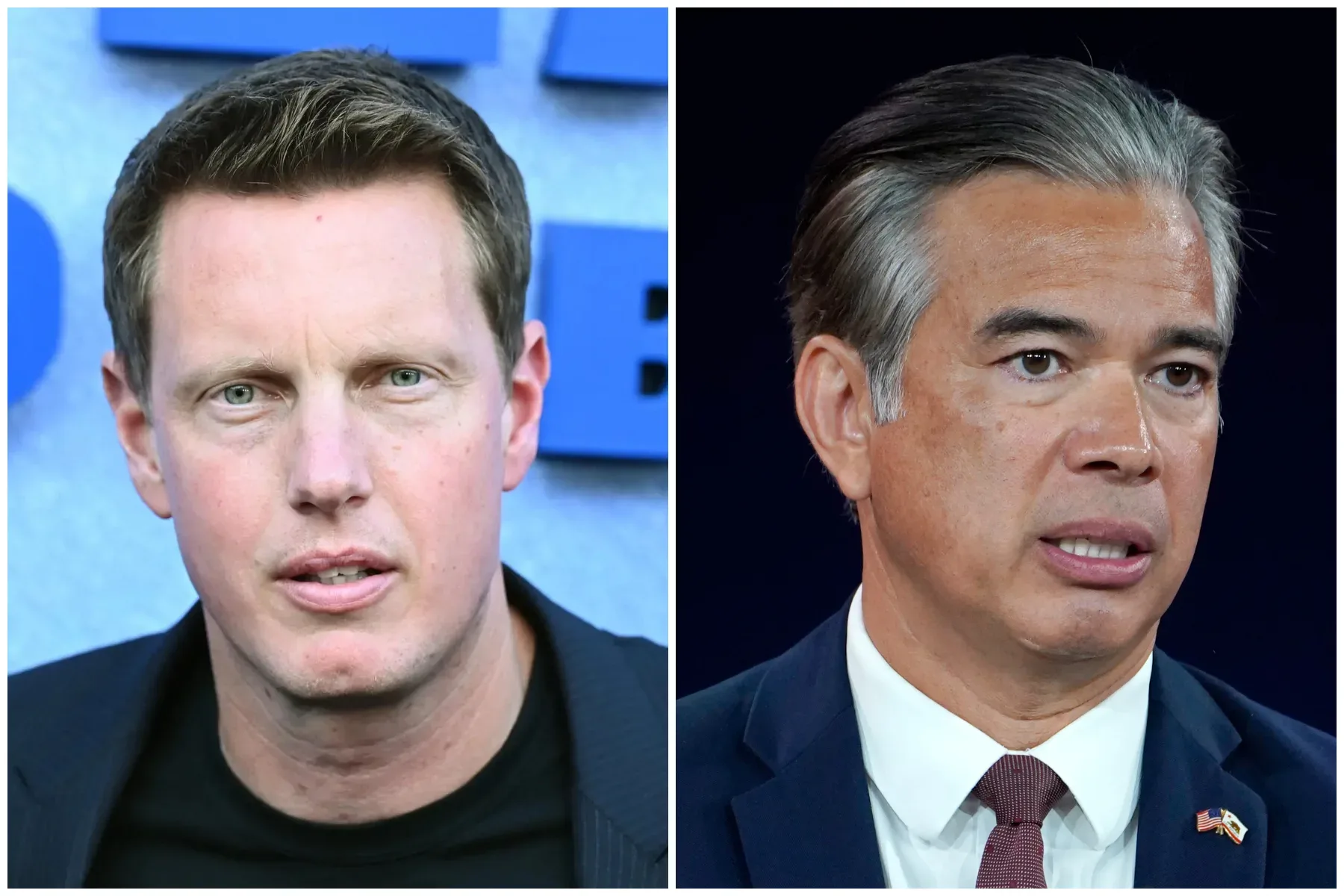
Mark Ruffalo has publicly urged California Attorney General Rob Bonta not to settle the antitrust challenge that has paused Paramount Skydance’s proposed acquisition of Warner Bros. Discovery. His message, posted on X, asks Bonta and the coalition of 11 other state attorneys general to keep fighting rather than resolve the case through a negotiated agreement.
The immediate backdrop is a report that the companies and Bonta are in advanced settlement discussions. That reporting relies on anonymous sources, so the status and terms of any potential agreement remain uncertain. There is no settlement announced in the material available here, and a report of talks does not establish that the lawsuit will be dropped or that a deal is imminent.
Ruffalo’s public appeal centers on the merger’s critics
Ruffalo framed his appeal as a demand for public officials to prioritize the people he believes would be affected by the transaction. He said 5,670 filmmakers had put their names behind opposition to the merger, while a separate petition had passed 75,000 signatures in three weeks.
“Don’t you dare,” Ruffalo wrote to Bonta, urging the attorney general not to cave or concede.
Those figures describe organizing by opponents, not a legal finding about the merger. Still, Ruffalo’s intervention shows how the case has moved beyond a technical competition dispute into a visible fight over who will control major entertainment and news assets—and what consolidation could mean for the creative workers and audiences connected to them.
The actor has been among Hollywood’s more vocal critics of the proposed arrangement. His stance has also generated a dispute with Paramount: a studio representative called Ruffalo antisemitic after he criticized the Ellisons’ connection with Israel. That exchange is separate from the antitrust litigation, but it illustrates how arguments around the transaction have expanded into broader political and cultural disputes.
What is known about the legal situation
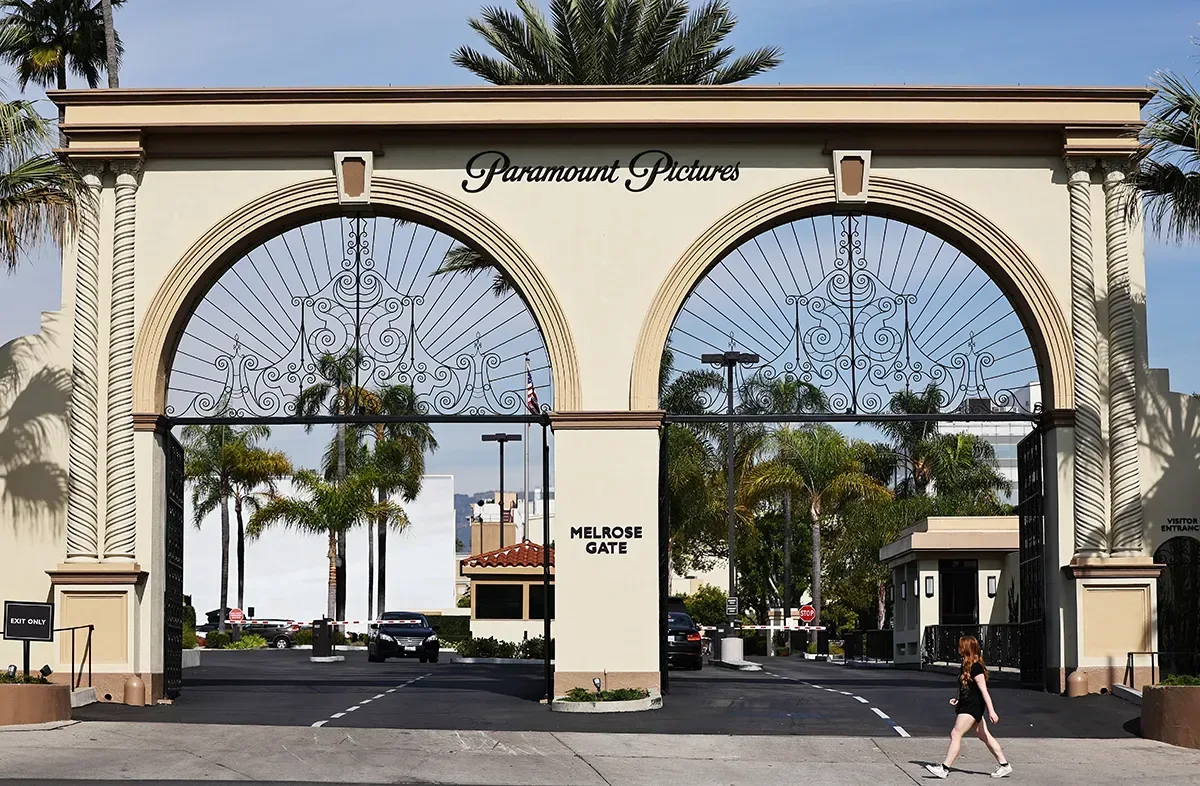
Paramount Skydance’s deal for Warner Bros. is valued at $111 billion. The Department of Justice approved it in June, but that did not end scrutiny of the proposed acquisition. Bonta and a group of 11 other state attorneys general brought an antitrust lawsuit that put the transaction on hold.
Antitrust refers to laws designed to preserve competition and prevent conduct or combinations that unlawfully harm competitive markets. In the context of a major corporate acquisition, the practical question is whether joining two companies could reduce meaningful competition, concentrate too much power, or otherwise create harms that legal authorities believe should be stopped or addressed.
A Department of Justice approval and a state-led lawsuit can coexist. Different government authorities can assess a proposed deal, and state attorneys general can pursue their own enforcement action. The supplied information establishes that federal approval occurred and that the state lawsuit subsequently halted the transaction; it does not provide the specific legal claims, court filings, or the precise conditions under which the hold could be lifted.
That distinction matters because public discussion often turns a merger review into a simple up-or-down political verdict. The legal process is more specific. A challenge may focus on alleged competitive effects, and an eventual settlement—if one is reached—could potentially involve commitments or other terms. No such terms have been disclosed here, so claims that the companies have offered sufficient protections, or that state officials have accepted them, would be premature.
Why a settlement is the flashpoint
A settlement would not necessarily mean that regulators have ignored a case. It can be a way to resolve litigation without carrying it through every stage of court proceedings. But for Ruffalo and other opponents, the concern is precisely whether any promised remedy would be substantial enough to offset the consequences they fear from the combined company.
Ruffalo characterized the deal as one with empty promises and urged supporters to continue signing a petition opposing it. His argument is not presented as a description of a released settlement document; it is an expression of distrust in the prospect of settling at all. That is an important boundary. The available information contains his criticism, reported talks, and the fact that the lawsuit has delayed the deal—not a public agreement to evaluate.
For creative communities, consolidation debates can carry obvious practical stakes even when the immediate litigation language is technical. A smaller number of corporate decision-makers can affect the landscape in which filmmakers, performers, production workers, and distributors operate. The supplied reporting does not quantify potential job cuts, programming changes, or business outcomes, so none of those effects should be treated as established results of this particular deal. The current dispute is instead about the perceived risk of allowing the acquisition to proceed.
It also arrives during a period of unusually close attention to the ownership and operation of media companies. Audiences may recognize Warner Bros. Discovery through film, television, and news brands, which makes the prospect of a transaction on this scale culturally resonant even for people who never read an antitrust complaint. Entertainment-industry consolidation is not only a boardroom story when it may influence the institutions that finance, distribute, or report on culture.
Elizabeth Warren ties the fight to media independence
Sen. Elizabeth Warren, a Democrat from Massachusetts, also called on Bonta not to settle. In a Facebook post, Warren argued that the White House banning CNN was a warning of what could follow if Paramount Skydance acquires Warner Bros. She also said the White House had banned MSNOW and Politico.
“The last thing we need is another Trump-controlled media conglomerate abusing its power to stomp out competition,” Warren wrote, calling the merger dangerous.
Warren’s comments are a political argument about potential media power and presidential influence, rather than a stated ruling in the state case. Her language should therefore be understood as her assessment of the stakes, not as a proven description of how a combined company would operate.
Her intervention does, however, identify a second layer of concern raised by merger opponents: competition is not solely about consumer choice in an abstract market. Critics are also focused on the independence of news organizations and the possibility that concentrated ownership could make powerful media institutions more vulnerable to political pressure. Whether that concern meets the legal standard required in court is a matter for the litigation and any negotiations; the available material does not state how Bonta’s complaint defines the alleged harm.
The debate has particular relevance as viewers track major media brands alongside the streaming, movie, and television businesses that surround them. The fate of a corporate deal can affect the larger ecosystem that determines which companies compete for attention, talent, advertising, distribution, and rights. For a separate snapshot of how quickly programming decisions can alter that ecosystem, see the cancellation of ‘Ride or Die’ after one season.
What happens next remains unresolved
The clearest near-term development to watch is whether the reported talks lead to a formal settlement. Until then, the key confirmed facts are limited: the Justice Department approved the $111 billion transaction in June; the coalition of state attorneys general filed an antitrust lawsuit that stopped it from moving forward; and Ruffalo and Warren are among the prominent figures urging Bonta to continue the challenge.
Ruffalo’s post is not a legal brief, nor does it reveal negotiations behind closed doors. Its importance is political and cultural. He is using a high-profile platform to argue that the state coalition should not trade its challenge for assurances he considers inadequate. In doing so, he has helped turn a reported settlement discussion into a fresh public test of whether opposition from filmmakers, petition signers, and elected officials will influence the merger’s path.
For now, the proposed acquisition remains defined by competing pressures: federal approval on one side, a state antitrust challenge on the other, and increasingly outspoken critics who want the case pursued to its conclusion. Any claim that the merger is assured, blocked permanently, or already settled goes beyond the information currently available.