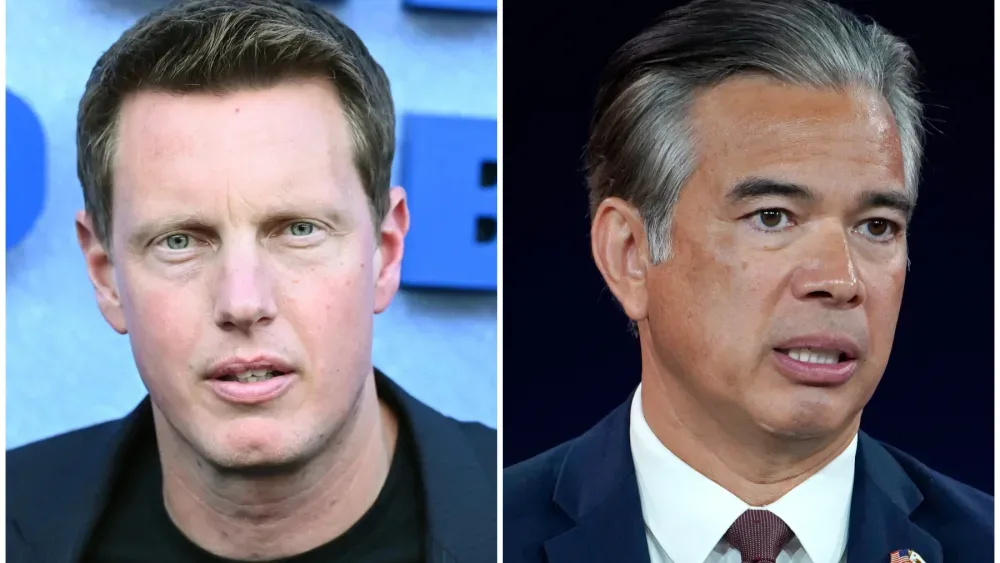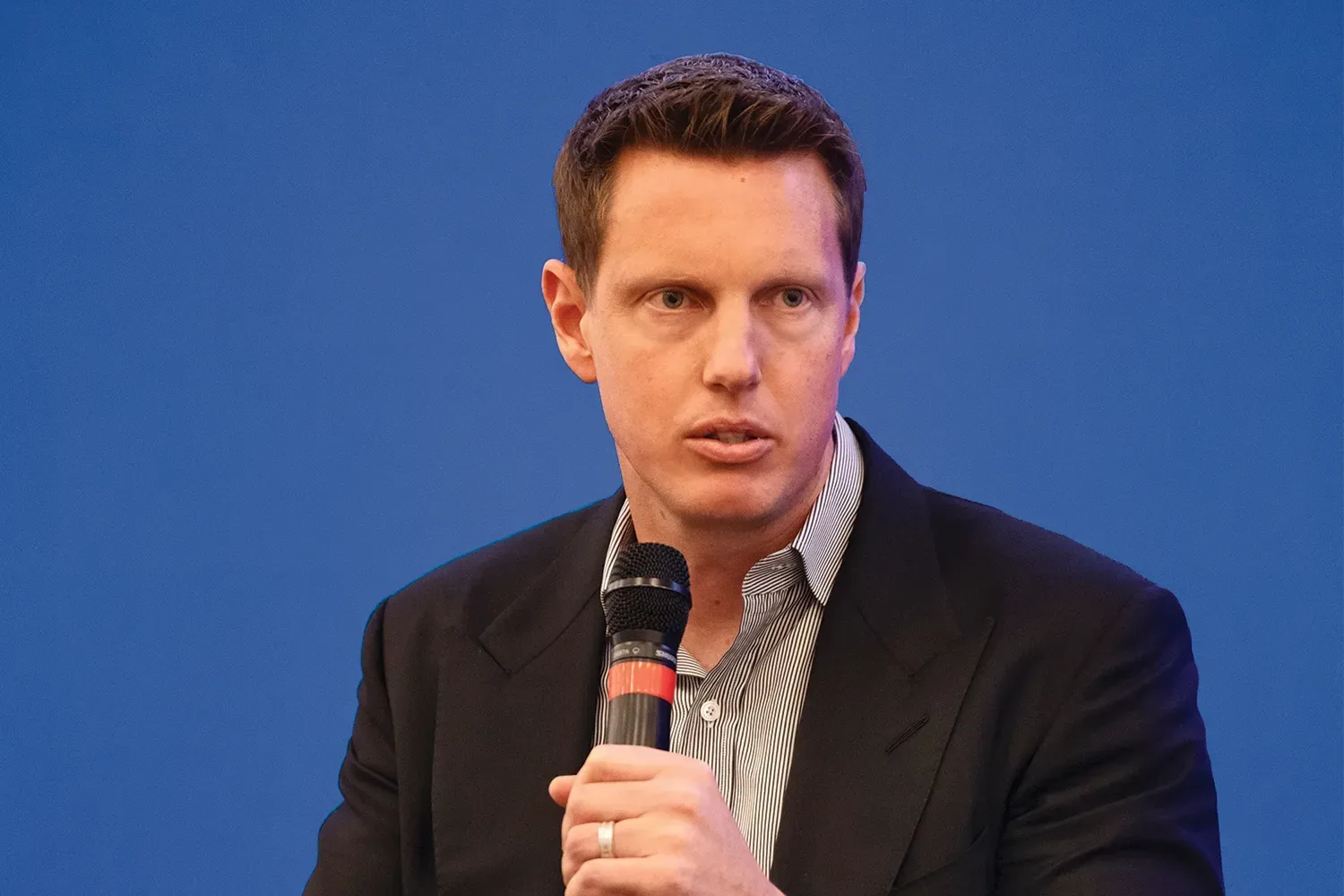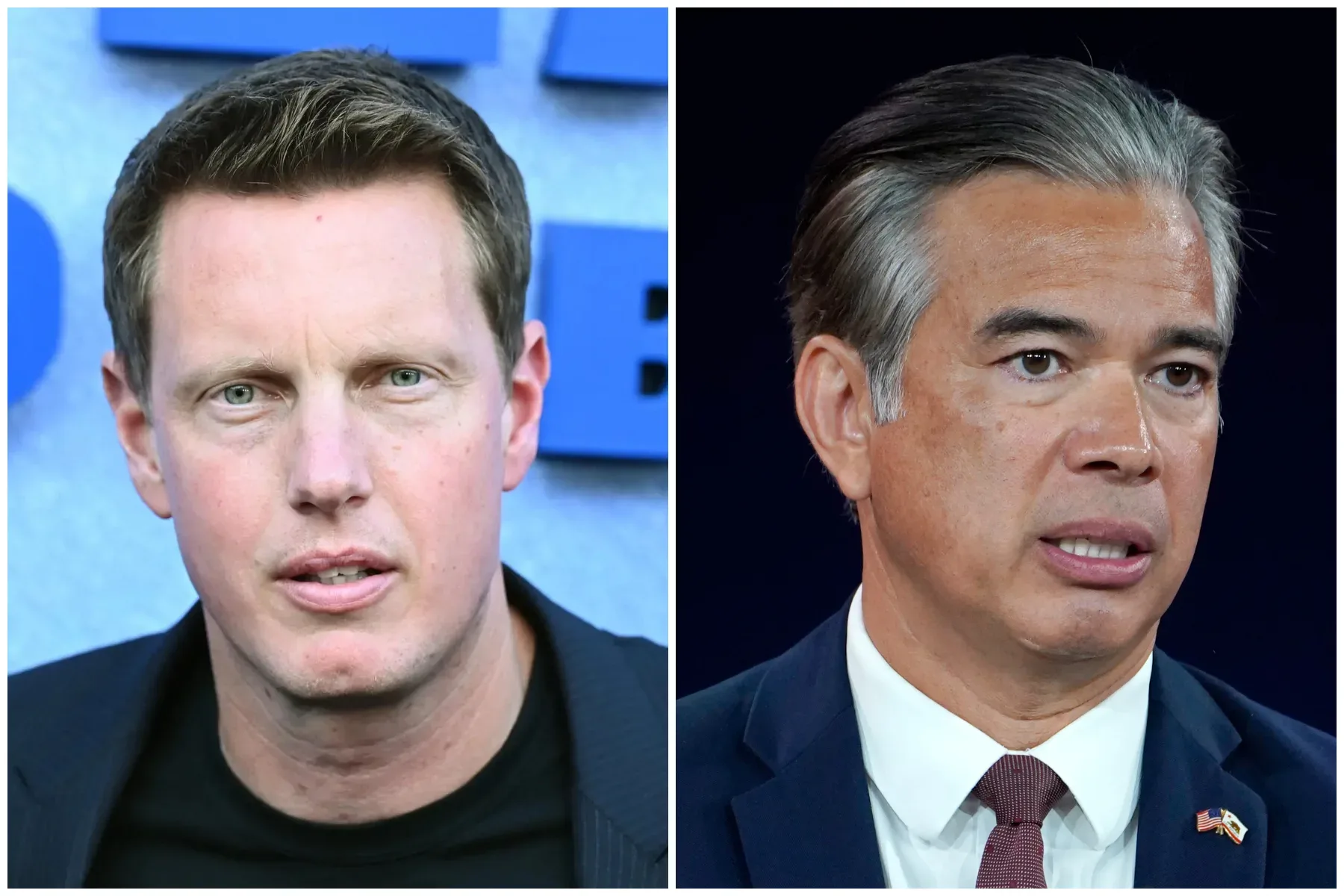
Paramount Skydance is reportedly in advanced discussions with California Attorney General Rob Bonta over a possible settlement of the antitrust lawsuit challenging its planned acquisition of Warner Bros. Discovery. The negotiations, if they result in an agreement, could remove a major obstacle facing David Ellison’s proposed $111 billion transaction. But the key qualifier is substantial: the talks are reportedly ongoing, no deal has been guaranteed, and neither side has confirmed their substance.
That uncertainty matters because the lawsuit is not simply an administrative speed bump. It is a multistate antitrust challenge involving 12 states, and a trial is currently scheduled for March 2027. The Writers Guild of America has also filed its own antitrust case seeking to stop the deal. With a financial deadline approaching, the parties are confronting a high-stakes choice between negotiated concessions and extended litigation.
What is reportedly being discussed
One reported idea is for Paramount to keep the two companies’ movie studios operationally separate for a period after the transaction closes rather than combining them immediately. On its face, that would preserve two distinct studio operations during an initial transition. Yet the proposal highlights the core disagreement at the center of the case: whether temporary limits on conduct are enough when the buyer would still own both businesses.
Bonta has previously distinguished between a behavioral remedy and a structural remedy. Those terms are central to understanding why an apparently straightforward promise to run studios separately may not resolve the dispute.
- A behavioral remedy requires a merged company to behave in a certain way. In this case, operating the studios separately for a specified period would be a conduct-based commitment. Common ownership would remain in place.
- A structural remedy changes the ownership or organizational structure of the relevant assets. Bonta has indicated that he is seeking an outcome involving separate ownership, rather than an arrangement in which both businesses are held by the same parent company but run with temporary internal separation.
This distinction is not merely semantic. A commitment to preserve separate operations can be time-limited and requires monitoring. Separate ownership, by contrast, is designed to keep control itself divided. Whether Paramount can offer a compromise that satisfies California’s concerns without fundamentally remaking the transaction is therefore likely to determine whether settlement conversations can reach the finish line.
Why the calendar is increasing the pressure
Paramount has asked the states and the Writers Guild of America to post a $1.88 billion bond. The company’s request is tied to a so-called ticking fee that would be payable to Warner Bros. Discovery shareholders if Paramount ultimately prevails but the litigation has delayed or blocked the transaction. The fee is set to begin on October 1 at $7 million per day. A hearing on the bond request is scheduled for September 24.
A ticking fee is essentially a contractual cost that grows as time passes under stated conditions. Here, the claimed exposure gives Paramount a concrete reason to seek a faster resolution. The company’s bond request appears aimed at shifting some risk of a prolonged court fight to the challengers, should Paramount eventually win. The states and the Writers Guild’s position on that request is not provided, so it would be premature to assume the court will require any bond or that the requested amount will be granted.
The March 2027 trial date also underlines why settlement is being discussed now. A scheduled trial is not an outcome, and it does not rule out a deal. But it establishes that, absent a resolution or a successful earlier legal maneuver, the dispute could remain active far beyond the immediate closing timeline Paramount is trying to protect.
Procedural fights over timing, financial exposure and pretrial safeguards can meaningfully reshape the leverage around a dispute even before a court decides its central claims. That broader dynamic is also visible in this separate report on a settlement-related court dispute, although it concerns different parties and legal issues.
Neither side is confirming the negotiation details
Publicly, both sides have been restrained. A Paramount spokesperson declined to comment. A representative for Bonta’s office said that potential settlement discussions are confidential and could not confirm or deny that talks were taking place or describe any alleged terms.
That response is important context, not a technicality. Reported settlement talks can signal that parties see value in negotiation, but they do not establish that an agreement has been accepted, drafted or approved. In a matter involving multiple states, a major media acquisition and a separate lawsuit from the Writers Guild of America, an agreement with one participant would not automatically answer every remaining legal question unless its terms and participating parties did so.
For now, the reported studio-separation concept should be viewed as a possible avenue under discussion rather than a finalized remedy. The available information does not specify a duration, oversight mechanism, enforcement terms, whether any other assets would be covered, or whether a proposal would satisfy the other states and the Writers Guild.
The deal’s financing and foreign-ownership clearance
Ellison’s pending deal for Warner Bros. Discovery is valued at $111 billion. Its financing includes support from his father, Larry Ellison, as well as the sovereign wealth funds of Saudi Arabia, Qatar and Abu Dhabi.
Separately, the Federal Communications Commission has approved Paramount’s request to permit foreign entities to hold 49.5% of its equity if the Warner Bros. Discovery transaction is completed. That approval resolves one identified regulatory issue related to the contemplated ownership structure, but it does not resolve the antitrust case. The FCC action and the state-led competition challenge address different questions: foreign equity ownership on one hand, and the competitive consequences of the proposed acquisition on the other.
The difference is worth keeping clear as the story develops. Regulatory approval in one lane does not mean that all regulators, courts or plaintiffs have endorsed a transaction. Conversely, the existence of a lawsuit does not itself establish that a merger is unlawful. The current situation is a mixture of progress on one approval path, unresolved litigation on another and reported private negotiations that could change the timetable if they produce a mutually acceptable remedy.
California operations have become part of the pressure campaign
David Ellison has reportedly told Paramount executives that he is seriously considering moving company operations out of California if the Warner Bros. Discovery deal cannot close by the end of September. Over a longer time horizon, that consideration could include the studio. Tennessee, Texas and Georgia have reportedly been raised as possible destinations.
Those discussions add a business and political dimension to the legal fight, but they should not be mistaken for a confirmed relocation plan. The information describes an internal possibility being considered, not an announced move, a completed site selection or a schedule for transferring employees and production activity. It also ties the consideration to a specific condition: failure to close the Warner Bros. Discovery deal by the end of September.
For the entertainment business, the practical significance of the reported position is that a merger challenge can have consequences beyond the transaction documents themselves. Corporate location, studio infrastructure and long-term operations may enter executive planning when a deal’s timing becomes uncertain. Yet there is no supplied detail on which operations might move, how many jobs could be involved, what incentives may be under consideration or whether any of the cited states have been formally approached.
What to watch next
The next near-term event is the September 24 hearing on Paramount’s $1.88 billion bond motion. After that, October 1 is pivotal because it is the stated start date for the $7 million-per-day ticking fee. Those dates create a more immediate clock than the March 2027 trial schedule.
The larger question is whether a settlement can bridge the gap between temporary separate operations and the structural separation sought by California’s attorney general. If no compromise emerges, the companies, states and Writers Guild will continue on a litigation path whose eventual result remains unknown. If a compromise does emerge, its real importance will lie in the details: which entities are covered, whether ownership changes, how long any separation lasts, who enforces it and whether it resolves the challenges that remain.
Until those details are confirmed, the most accurate reading is a cautious one. Paramount has cleared a foreign-equity hurdle and is reportedly trying to negotiate a route around a major antitrust obstacle, but the Warner Bros. Discovery acquisition is not yet free of the legal and timing risks standing in its way.