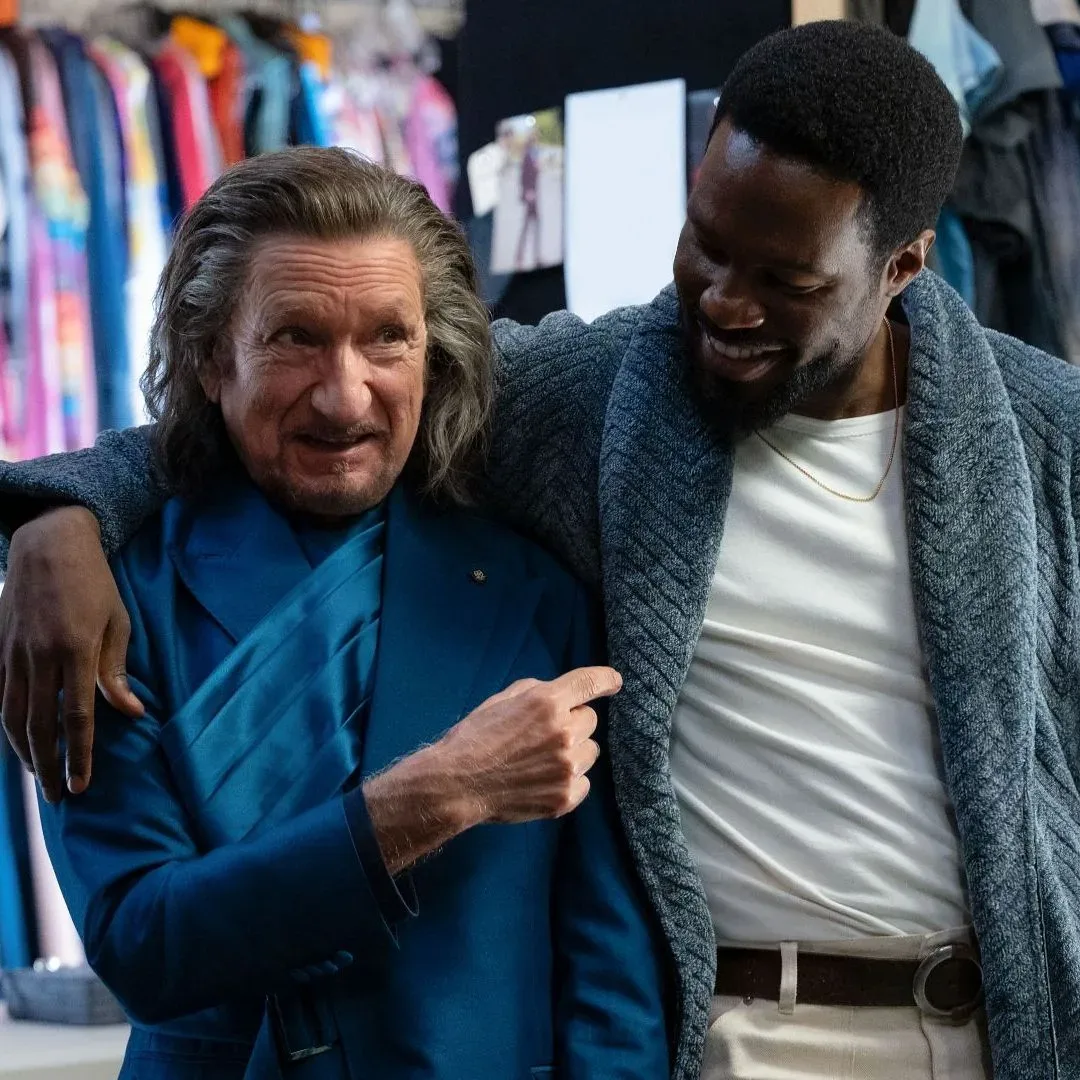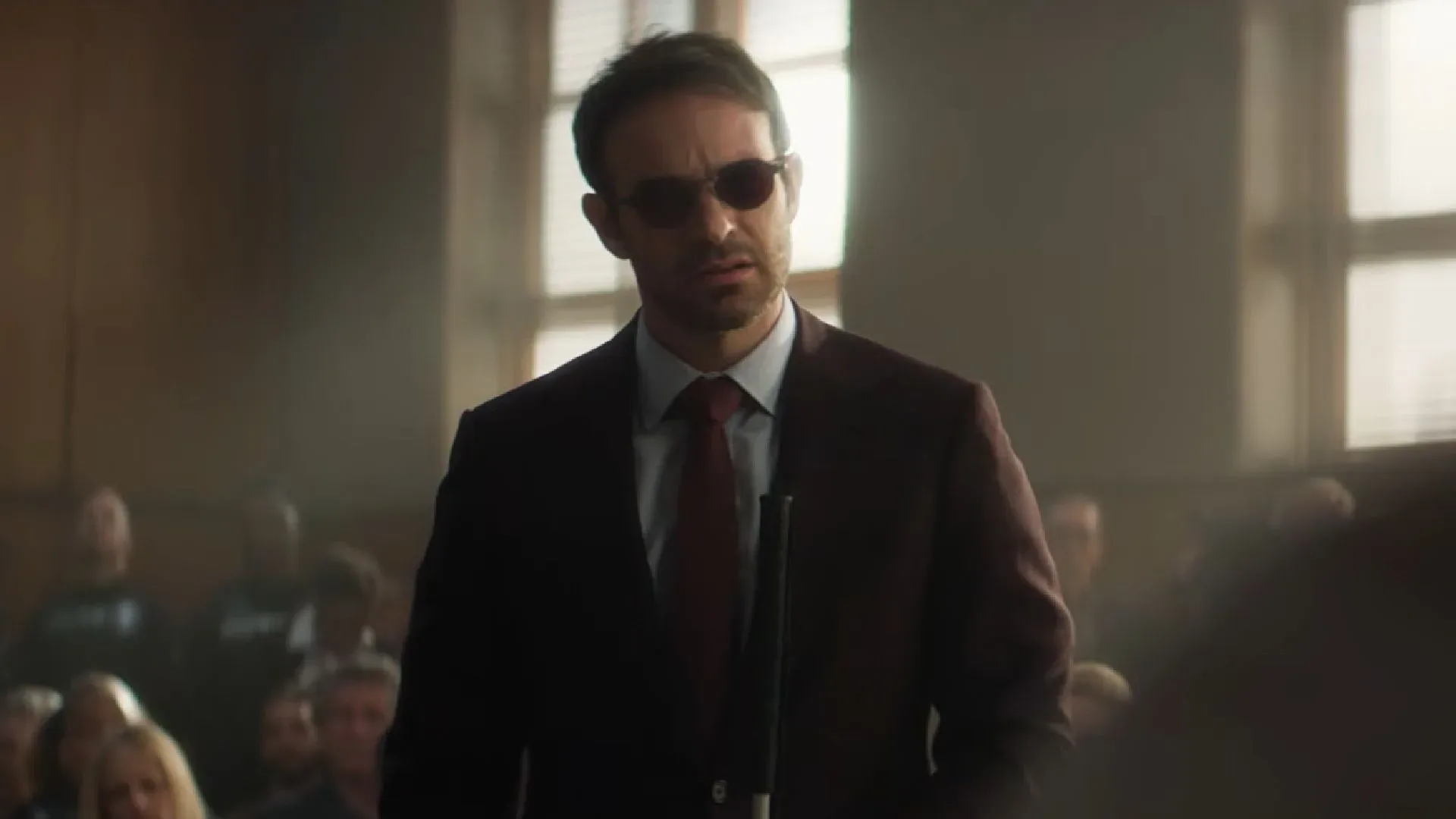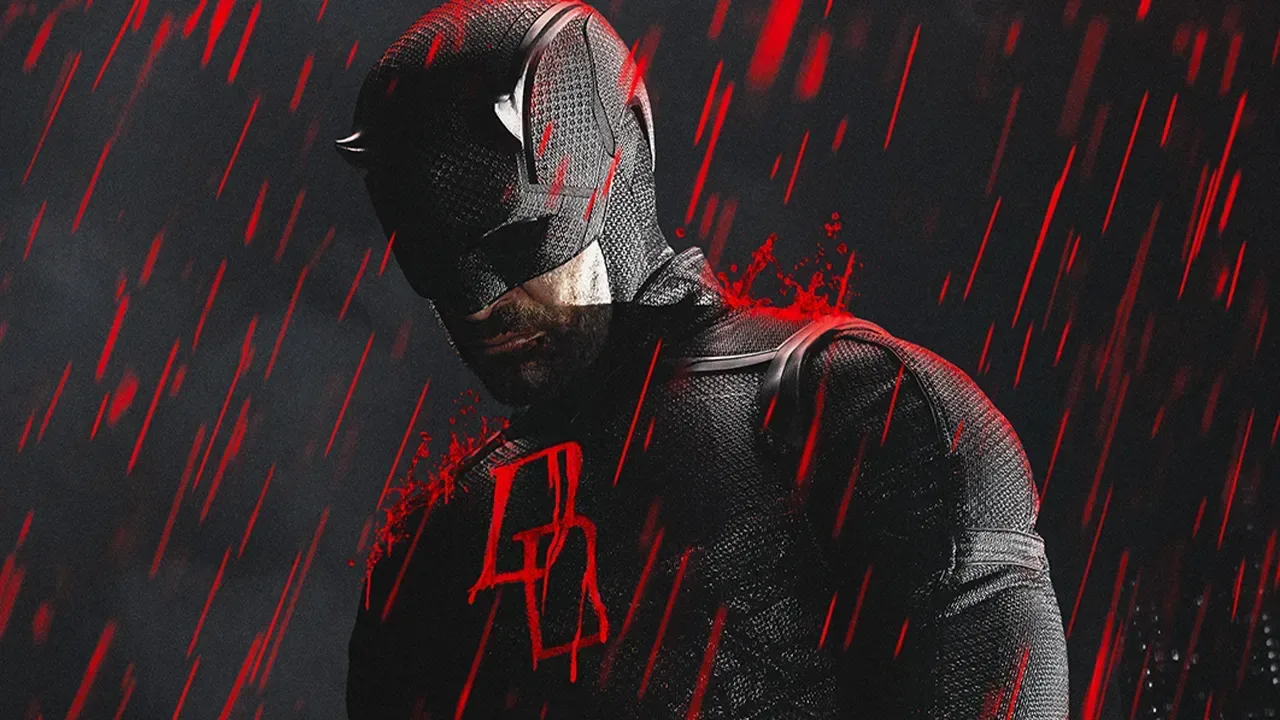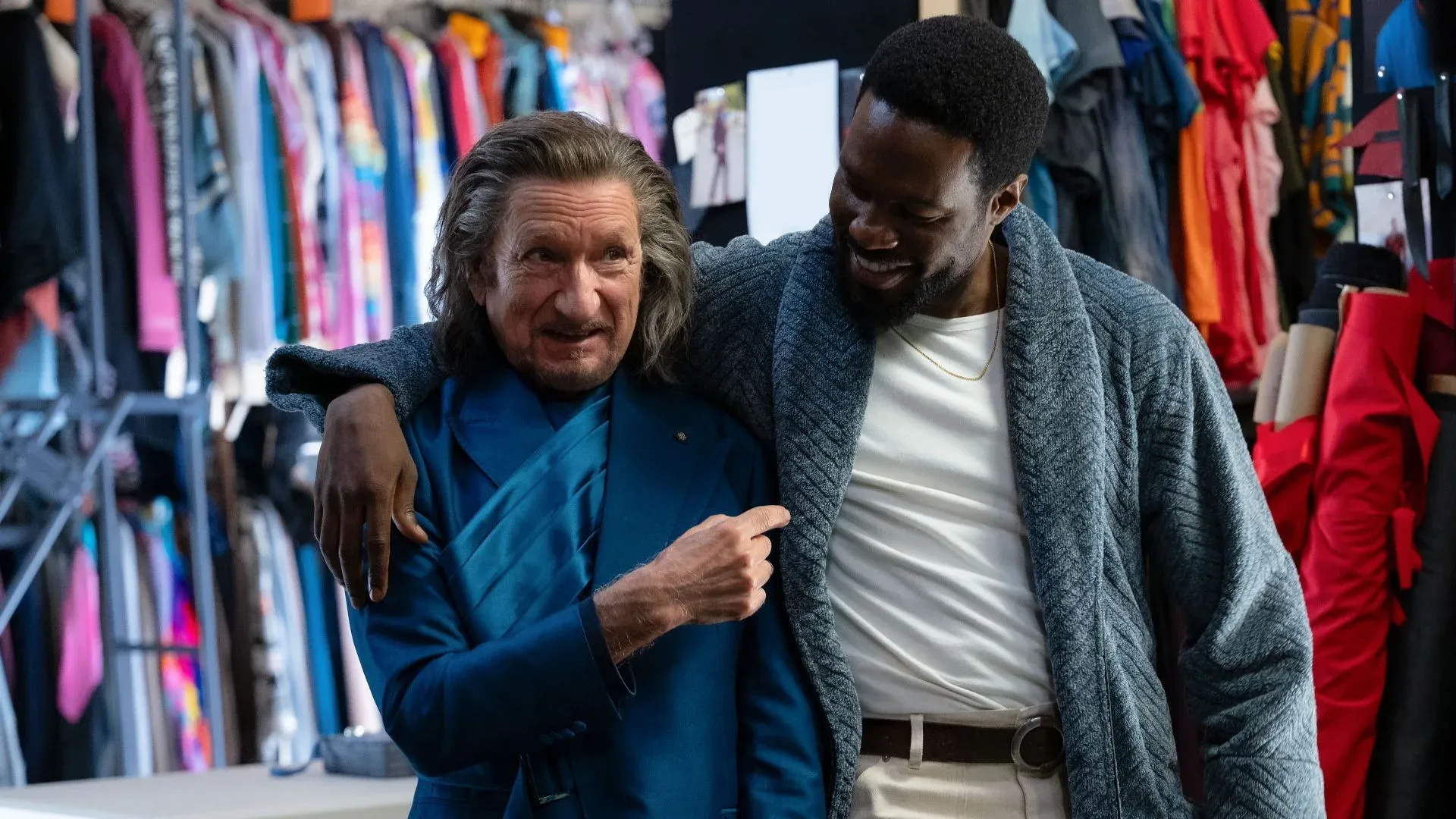
Wonder Man may be cancelled for now, but Marvel television chief Brad Winderbaum is not prepared to call the curtain drop permanent. Discussing the series’ fate, Winderbaum described the situation as complicated and said he still holds out hope that some route might emerge for the show to continue in the future.
It is not a confirmation of a revival, a new season, a special, or any other project. In fact, Winderbaum was careful not to present an actual plan. But his comments make clear that the creative enthusiasm for Wonder Man remains strong internally, even after the show was renewed for a second season in March and then cancelled in July.
“Complicated” is the operative word
Winderbaum said he fought for the show, but acknowledged that his ability to determine what gets made has limits. He framed those limits in terms of leverage and wider market forces, saying that there are moments when a creative executive can feel capable of making anything happen, and others when decisions are subject to business factors that are difficult even for him to fully grasp.
That distinction matters. A television cancellation is not necessarily a judgment that a series lacked talented people, worthwhile ideas, or an audience. It can instead reflect a decision made at the intersection of budgets, release strategy, priorities, business conditions, and the uncertain calculations behind large-scale streaming and franchise programming. None of those specifics were detailed here, so it would be a mistake to treat the comments as an explanation of exactly why Wonder Man was cancelled.
What Winderbaum did state plainly is that the show had meaningful backing on its creative side. He called its team one of the best he has worked with, praised the cast, director Destin Daniel Cretton, and Andrew Guest, and said that people at Marvel wanted to see the series move forward.
“Maybe I’m an idiot, but I still have hope that by some miracle, there’s a way to do something down the road.”
For fans, that is encouragement rather than a timetable. The word “miracle” is doing important work: it signals optimism, not an imminent production order. Still, the fact that the show’s creative champions are speaking this warmly about it means Wonder Man has not been treated as an embarrassing filing-cabinet casualty that everyone is desperate to stop mentioning.
What Wonder Man brought to Marvel television
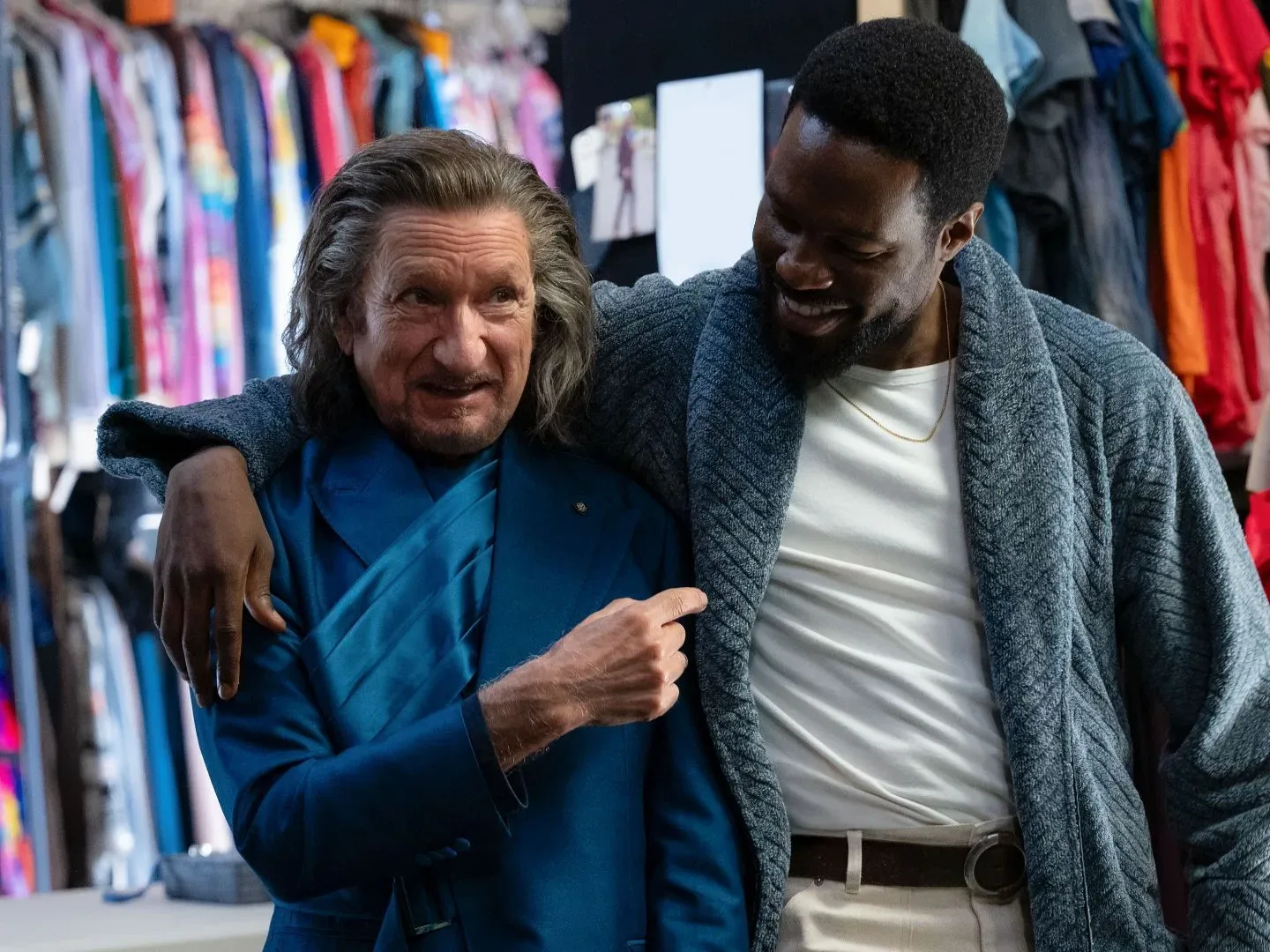
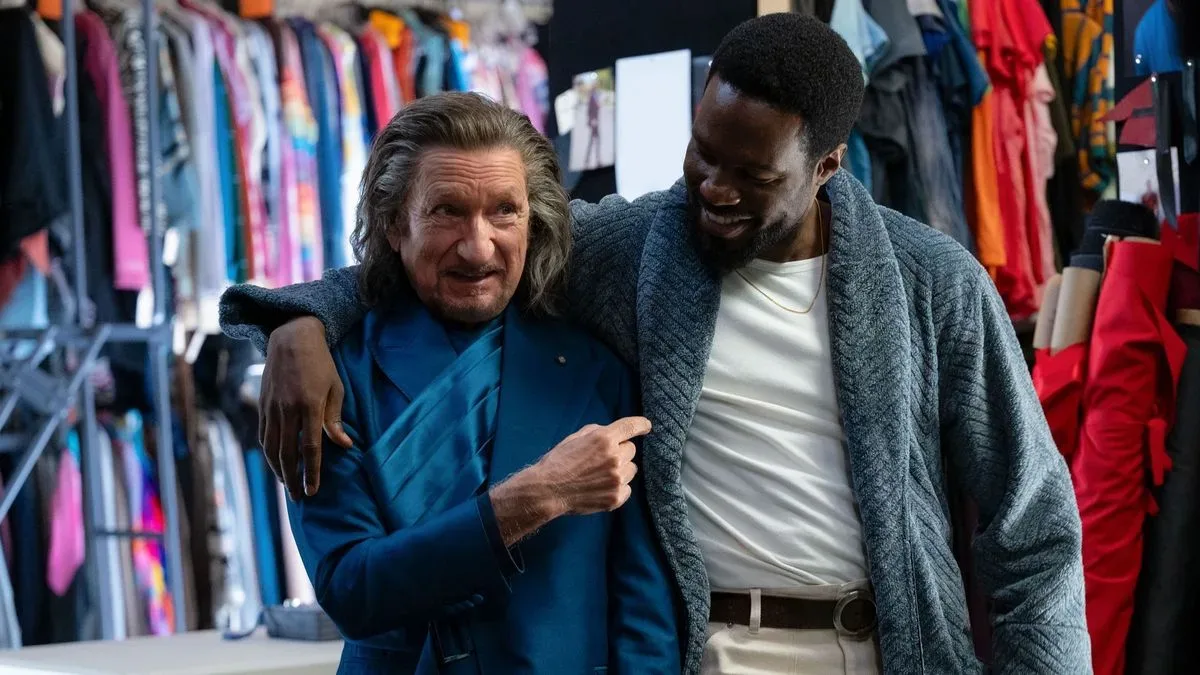
The series stars Yahya Abdul-Mateen II as Simon Williams, a struggling actor who secretly has superhuman powers. That premise places the character’s professional ambition alongside a concealed extraordinary identity: the kind of double life that naturally creates pressure, especially when the character is trying to succeed in an industry built on visibility.
Ben Kingsley also returned as Trevor Slattery. Kingsley’s return is one of the show’s most direct links to the wider Marvel screen universe, while Simon Williams gives the series a central protagonist whose personal circumstances are rooted in acting and career uncertainty as well as superhuman stakes.
It is a setup with a slightly cheeky built-in irony. A television series about an actor trying to make it while hiding powers is now itself looking for a second chance in an entertainment business where even a renewal is not always a force field against cancellation.
The available information describes Wonder Man as a major success with both viewers and critics. That reception makes the reversal from renewal to cancellation particularly notable. Positive response alone, as this situation illustrates, does not settle a programme’s future. Audience and critical approval can be central to a show’s reputation and longevity, but neither guarantees that a follow-up will be produced.
Renewed, then cancelled: why the wording matters
The show’s timeline is unusually straightforward on paper: season two was renewed in March, then cancelled in July. Yet the two events together underline how provisional television development can be.
A renewal means a series has been approved to continue for another season. A cancellation means that planned continuation is no longer proceeding. In this case, the July decision supersedes the March renewal. The earlier renewal remains relevant because it indicates the project had previously cleared an important internal hurdle, but it should not be mistaken for an active commitment now.
Similarly, Winderbaum’s hope for something “down the road” should be read for what it is: a desire that another opportunity could appear. It does not establish that season two is back in development, that contracts are in place, or that filming is planned. When fans are parsing every syllable for hidden portal coordinates, keeping those distinctions intact is more useful than pretending a hopeful sentiment is a production schedule.
Could fan support change anything?
The possibility of a campaign to bring back the show came up during the discussion, with Daredevil raised as an example of a character whose screen future continued after an earlier series ended. Winderbaum said he was unsure whether fan campaigns can still be as effective now, but added that he wants as many people as possible to watch Wonder Man.
That is a notably measured answer. It does not dismiss fans or their enthusiasm, and it does not promise that hashtags, petitions, or online pushes can unlock a return. Instead, it points toward the clearest practical action available to anyone who enjoys the series: watch it and discuss it in good faith.
Fan advocacy is most useful when it communicates sustained interest without turning into pressure on individual cast and crew members. Sharing what works about the show, recommending it to viewers likely to enjoy it, and keeping conversation focused on the work itself are all more constructive than treating a possible revival as something audiences are owed. Winderbaum’s remarks do not offer a formula, but they do make one thing obvious: the people who fought for the programme would like it to find more viewers.
Why a future appearance is still only a possibility
Marvel stories can continue through many formats and projects, but no specific future role for Simon Williams, Trevor Slattery, Abdul-Mateen II, Kingsley, Cretton, or Guest was identified. That absence is important. There is a large gap between an executive hoping to revisit a show’s world and a confirmed return involving the same cast, storyline, format, or episode count.
For now, the most accurate status is simple: Wonder Man was renewed for season two, then cancelled; its television chief says he fought for it and would welcome some future way to do more; there is no announced continuation. It is a frustratingly incomplete answer, admittedly, but it is still more candid than pretending the story has a neat superhero-sized bow tied around it.
The show’s fans have at least been given a valuable indication of how its creators and advocates feel about the work. Winderbaum’s praise for the team and his insistence that Marvel wanted to see it happen do not change the cancellation, but they do reject the easy assumption that a cancelled series was creatively unsupported.
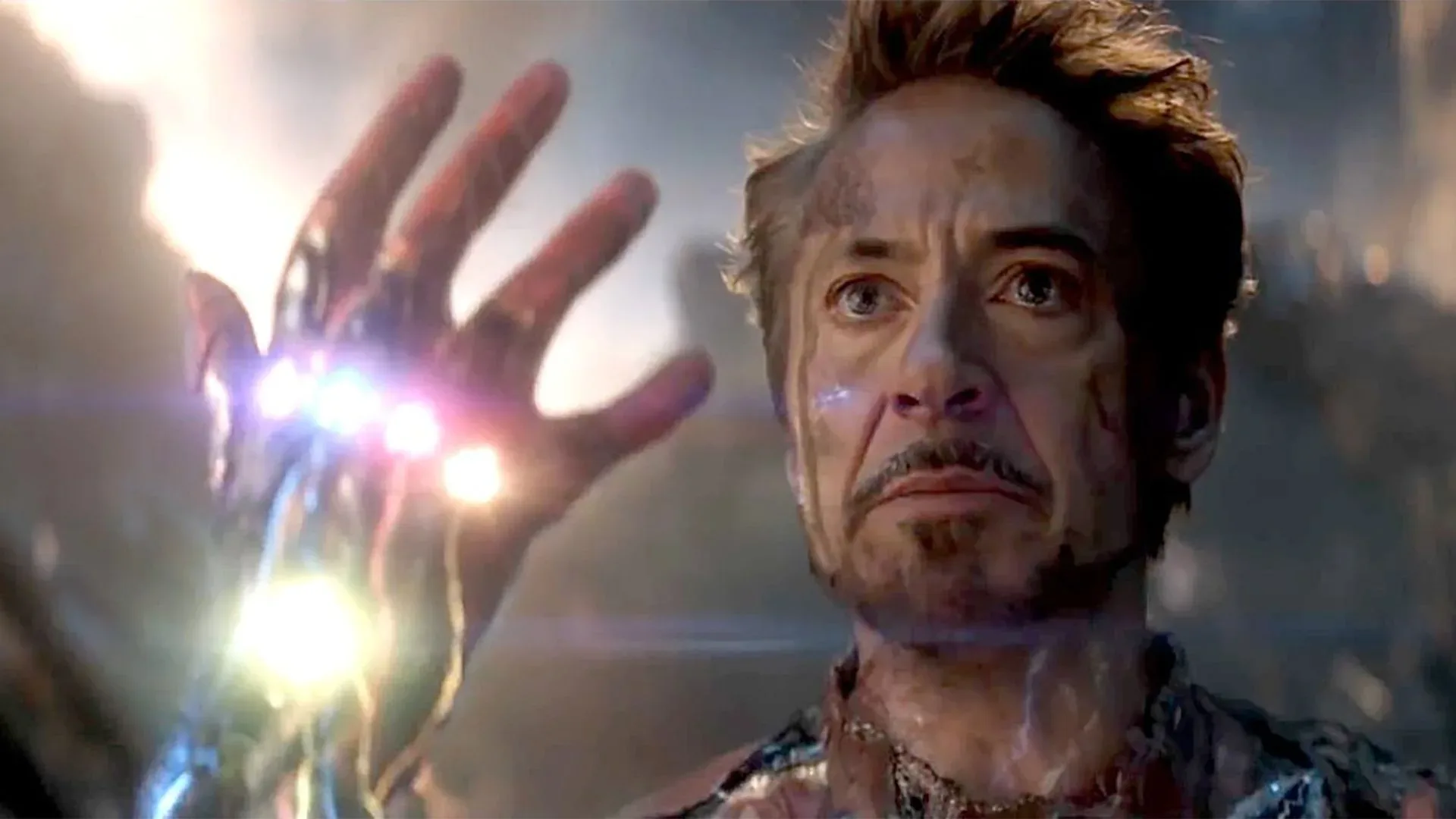
And in a franchise landscape where every costume has a backup costume and every final door has a suspiciously loud knock behind it, “not now” can be a more meaningful phrase than it first appears. It just is not, yet, the same thing as “next season.” For another Marvel-related discussion around the people and performances that shape these screen stories, read Paul Bettany’s comments on Robert Downey Jr.’s Iron Man performance.