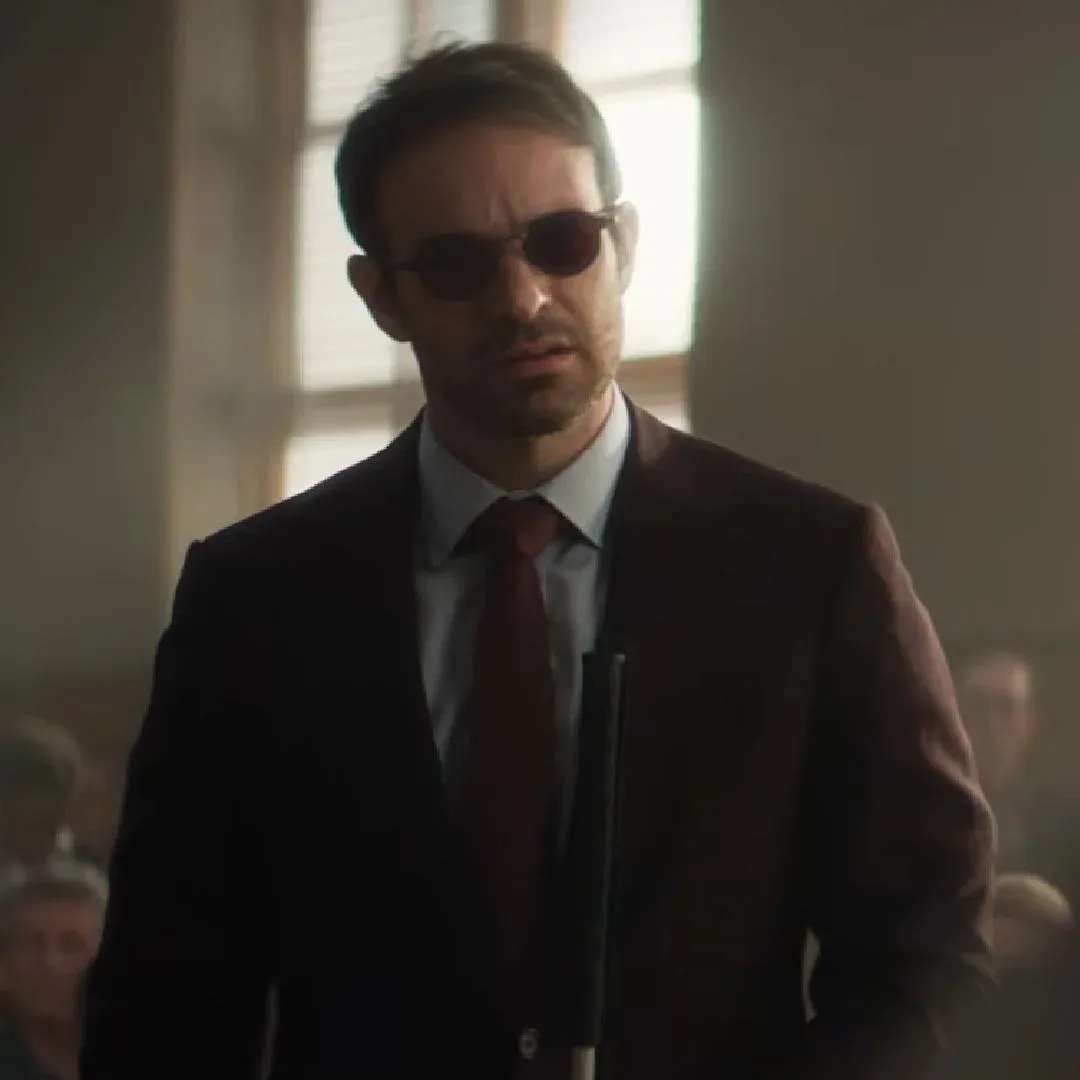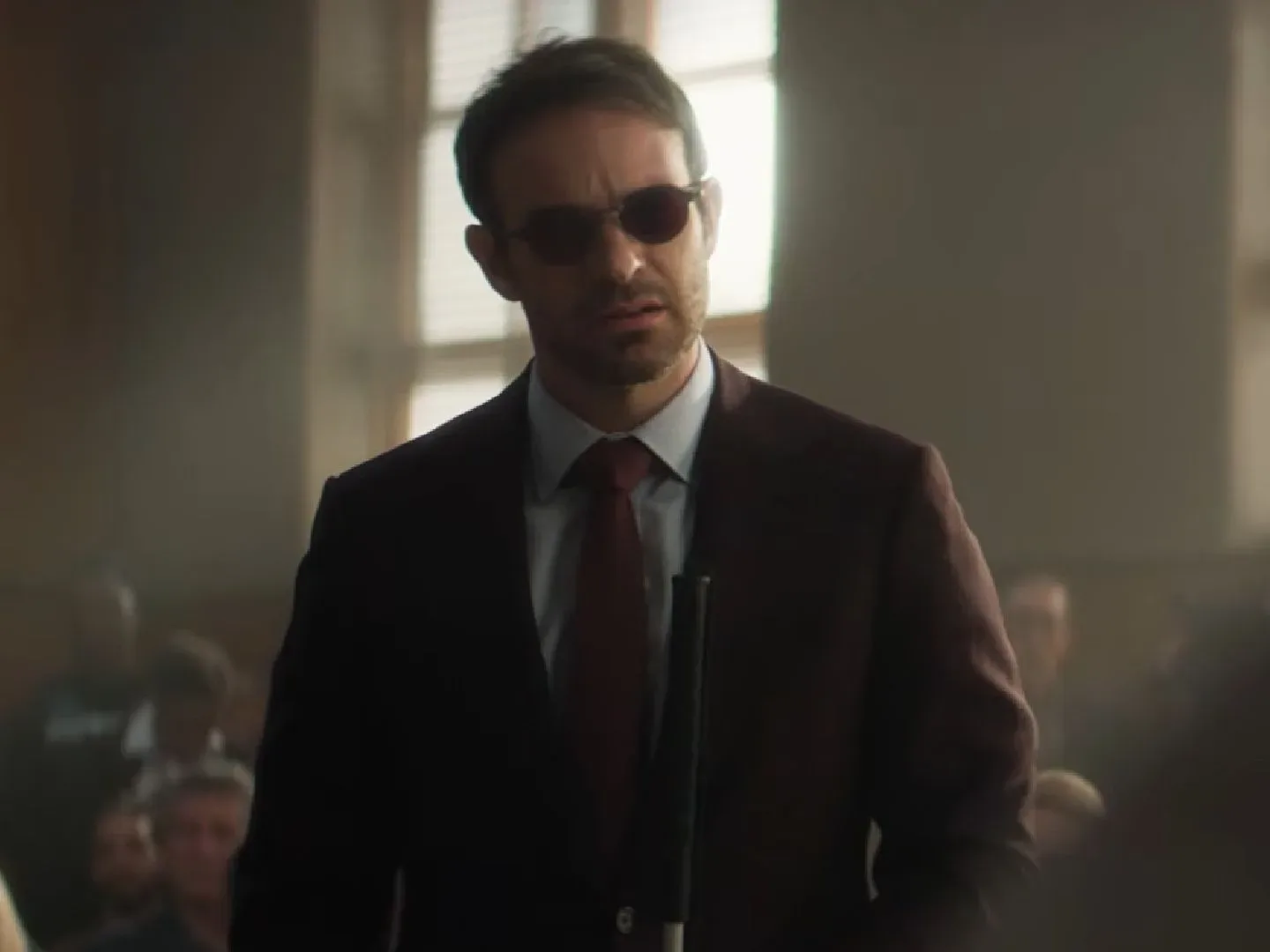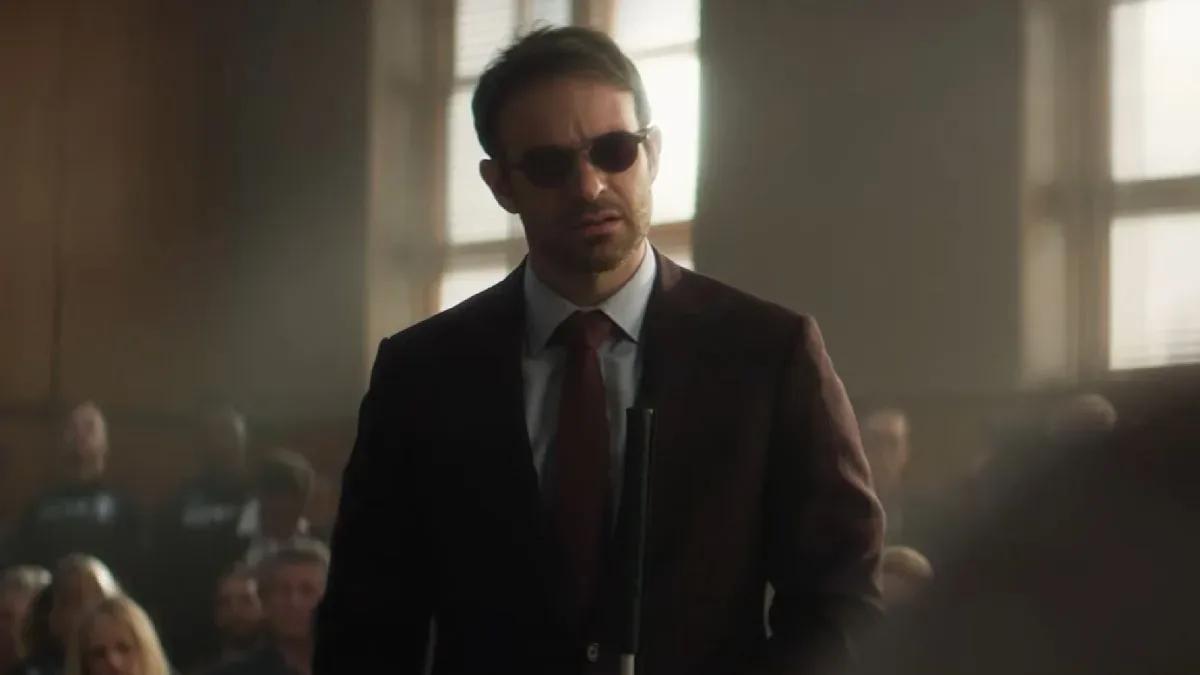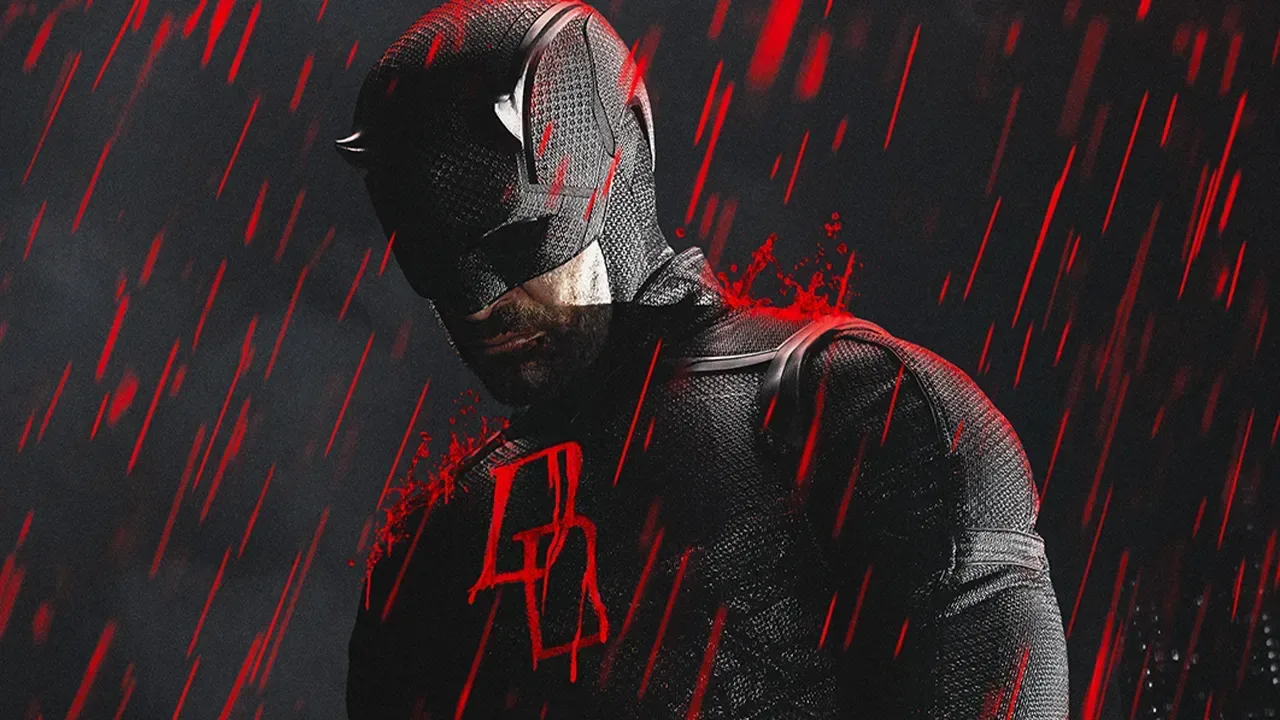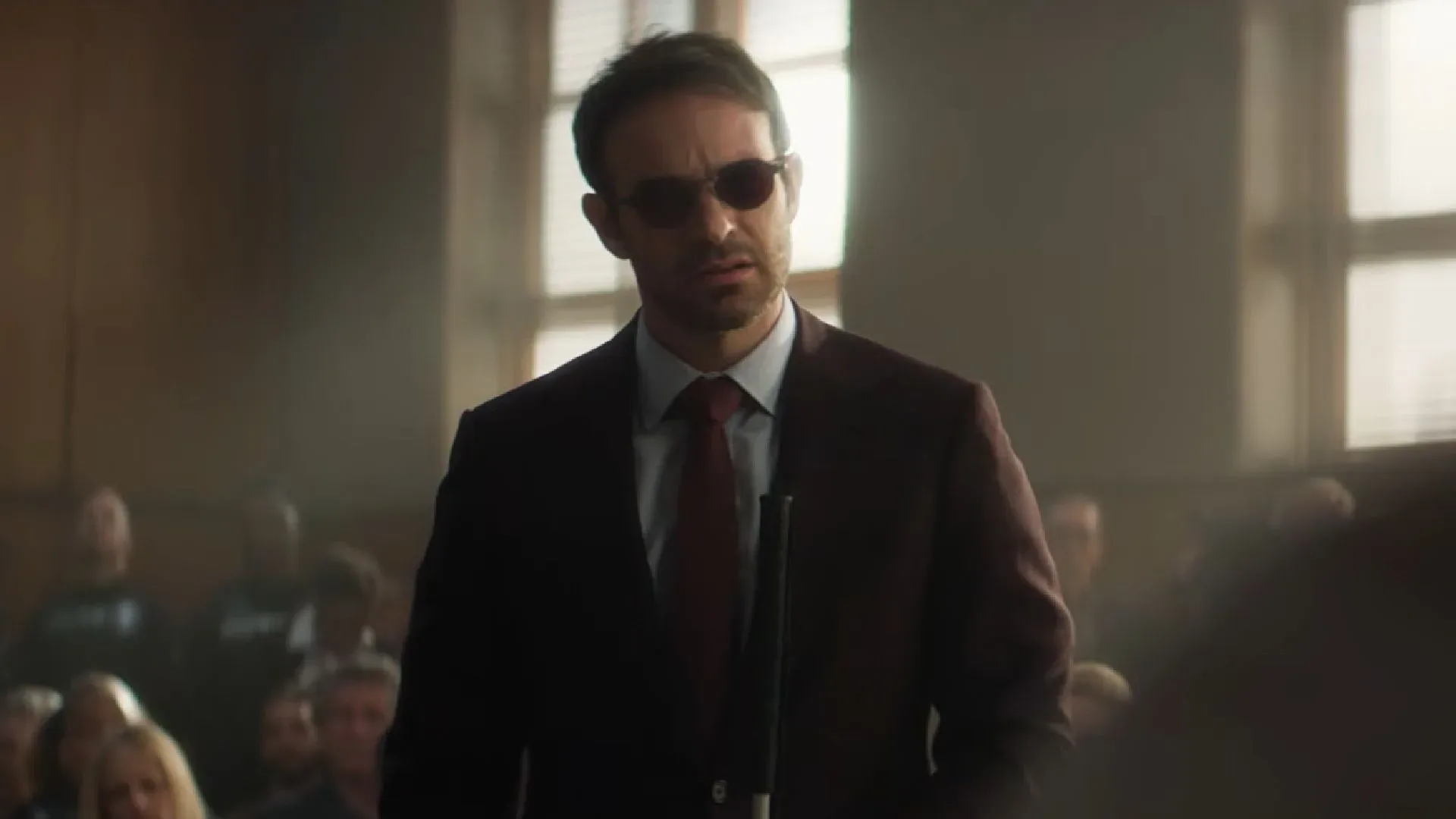
Online campaigns can make plenty of noise, but Marvel Television chief Brad Winderbaum has drawn a blunt distinction between enthusiasm and the metric that shapes programming decisions: viewership. Discussing the planned conclusion of Daredevil: Born Again with season 3, Winderbaum said the old rallying cry of “Save Daredevil” needs a companion message: actually watch Daredevil.
It is a practical point, delivered in the context of a fan community that has already watched the character return once. Winderbaum said he felt he had been part of the earlier #SaveDaredevil effort, but argued that the internet’s ability to turn a coordinated campaign into a new season is not what it was only a few years ago. The leverage available to him, he said, is the show’s actual audience data.
That does not mean a hashtag is meaningless. A campaign can demonstrate that an audience exists, organize discussion, and keep a character visible. But Winderbaum’s comments frame it as supplementary evidence rather than the central business case. A studio deciding whether to continue, revive, or reposition a property needs evidence that people are turning up for the work itself.
Season 3 is described as the planned endpoint
There is an important caveat to the “watch it to save it” reading. Winderbaum has also said that a third season was always the plan for Daredevil: Born Again, and that it would bring this particular show to a close. He described the structure in terms of two three-season blocks: the original Daredevil series and then Born Again.
His comparison was to trade paperbacks—collected comic-book editions that can sit as distinct volumes on a shelf. The analogy suggests a deliberate six-season shape for the broader Daredevil television run, rather than a series suddenly cut off before its intended ending. In that sense, season 3 being the final season is not necessarily equivalent to a cancellation driven by weak performance.
Still, an endpoint for one series is not automatically an endpoint for a character. Winderbaum indicated that the team would pause and consider what could come next for Daredevil. That phrasing is not a confirmation of another series, a film appearance, or any particular project. It does, however, leave the door open for the character to continue in a different form after Born Again concludes.
What “viewership numbers” means in this context
Winderbaum did not provide specific audience figures or outline a precise internal threshold for renewal. “Viewership numbers” should therefore be understood as a broad description of performance data, not as a publicly disclosed scorecard fans can track week by week.
In practical terms, his remarks underline a basic difference between visible online response and measured viewing. Social posts, trending topics, fan art, petitions, and calls to revive a show are public signals of interest. Viewership is the evidence that the program is being watched. Winderbaum’s argument is that the latter gives executives a stronger basis to pursue more episodes or other projects featuring a character.
That distinction is especially relevant to streaming-era fandom, where passionate communities can be highly active online even when the size and consistency of the watching audience are difficult to judge from public conversation alone. A campaign may make a show feel ubiquitous within a fan’s feed. That does not establish how broadly it is being watched. Conversely, a program can have substantial viewing without producing the same volume of social-media activity.
For Daredevil fans, the useful takeaway is less glamorous than a coordinated hashtag: watching the series is the action Winderbaum identifies as meaningful. If the goal is to show durable interest in the character after the planned end of Born Again, the audience itself is the signal he says carries weight.
The Wonder Man comparison has limits
Winderbaum’s comments arose while discussing Wonder Man, which was canceled earlier in the year. The conversation raised the possibility that it might someday return, much as Daredevil did. Winderbaum’s response focused on the changing value of online campaigns and the importance of viewership rather than promising that either show would be revived.
That matters because Daredevil and Wonder Man are not presented here as identical cases. Daredevil: Born Again has a stated three-season plan and a possible future for its title character beyond that series. Wonder Man, meanwhile, is discussed in the specific context of a cancellation. The shared thread is simply that a fan movement alone is not portrayed as the decisive factor in a return.
For more on that separate situation, read Marvel TV chief Brad Winderbaum’s comments on the possibility of a future Wonder Man return.
Why the wording can sound contradictory
At first glance, saying “watch Daredevil” is the best leverage while also saying season 3 was always the conclusion can sound inconsistent. It is more accurately read as two different questions.
- Will Daredevil: Born Again go beyond season 3? Winderbaum says season 3 was planned as the culmination of this show.
- Can watching affect the larger future of Daredevil or other Marvel television projects? Winderbaum says viewership is the most persuasive form of support when decisions are being made.
The first is about the predetermined shape of one production. The second is about the continuing value of a character and the evidence executives use when they decide what to make. A completed story can still strengthen the case for a later continuation, a new creative format, or another appearance; it just does not guarantee any of those outcomes.
Charlie Cox had anticipated another ending
The discussion also follows comments from Charlie Cox, who said he had a “good sense” that the show was going to be canceled again. That statement adds some understandable tension for viewers familiar with Daredevil’s history. Yet Winderbaum’s explanation puts a different emphasis on the present situation: the planned finish at three seasons, followed by time to determine what is next for the character.
Neither comment supplies a confirmed post-season-3 destination for Daredevil. The character’s next step remains undecided in the information available. Fans should be careful not to turn Winderbaum’s openness to considering the future into an announcement, or Cox’s concern into proof that no future plans are possible.
What fans can reasonably take from this
Daredevil: Born Again is set to end with season 3 as part of the plan described by Marvel Television’s chief. That is the clearest immediate status update. Beyond it, Winderbaum’s message is that appreciation becomes most actionable when it registers in viewing data.
It is not a call for fans to abandon discussion, advocacy, or celebration. It is a reminder that those activities work best alongside the simplest form of support: showing up for the series. If Marvel weighs more Daredevil in the future, Winderbaum has made clear which signal he believes carries the most influence.