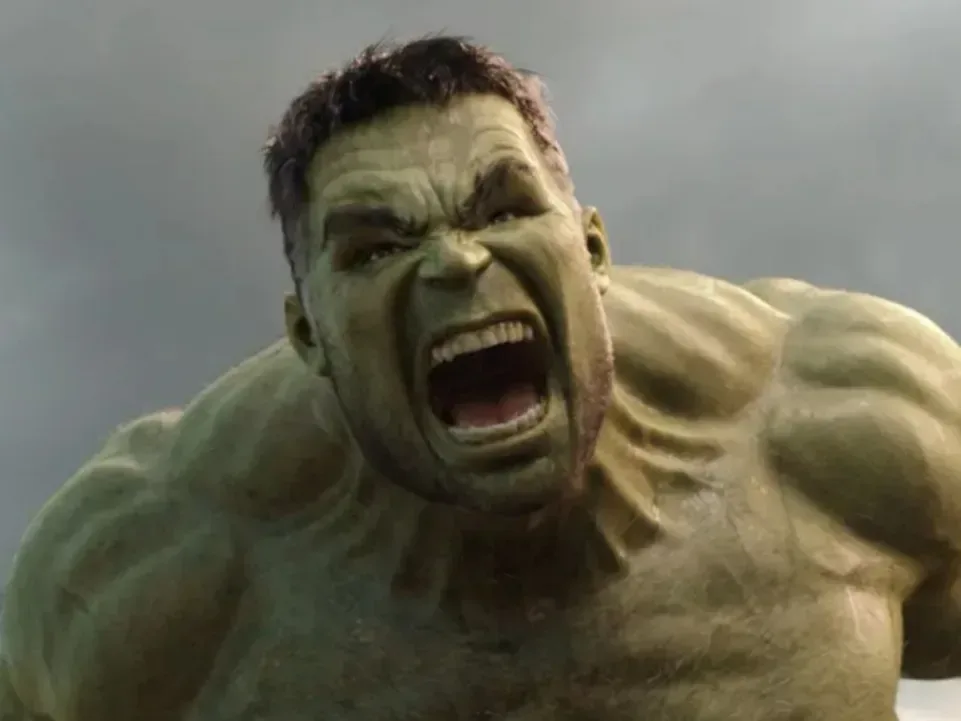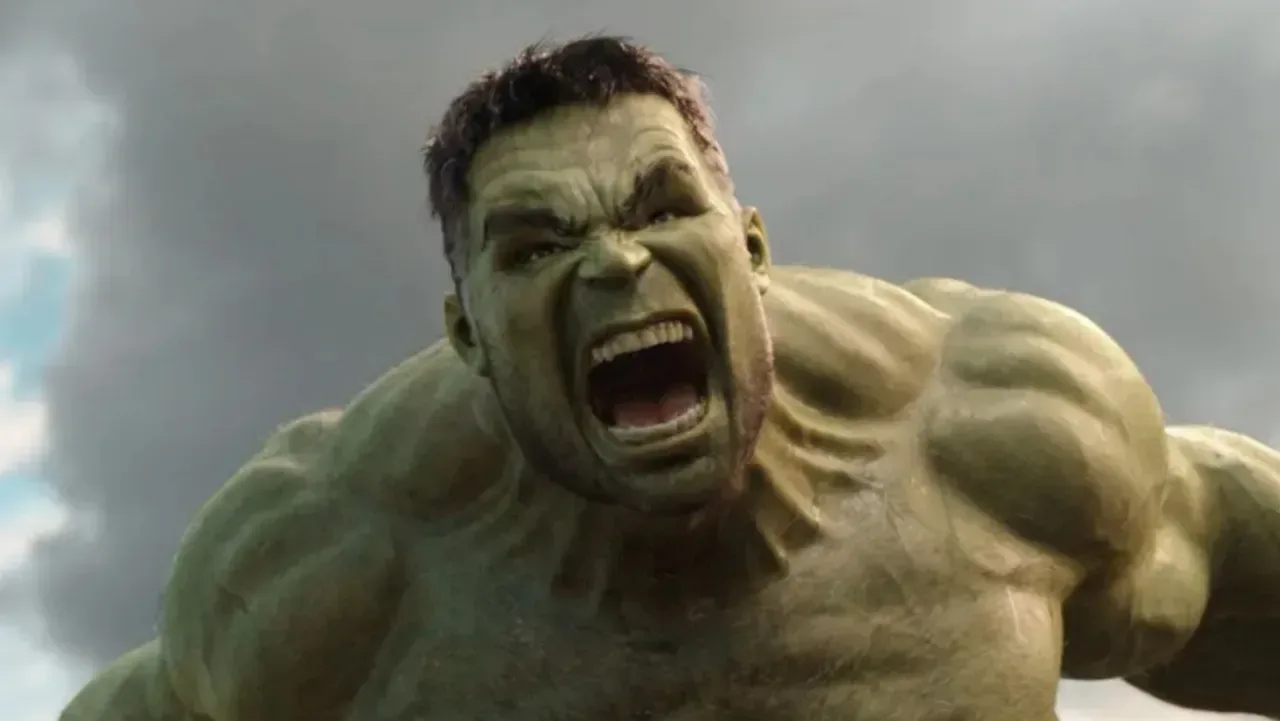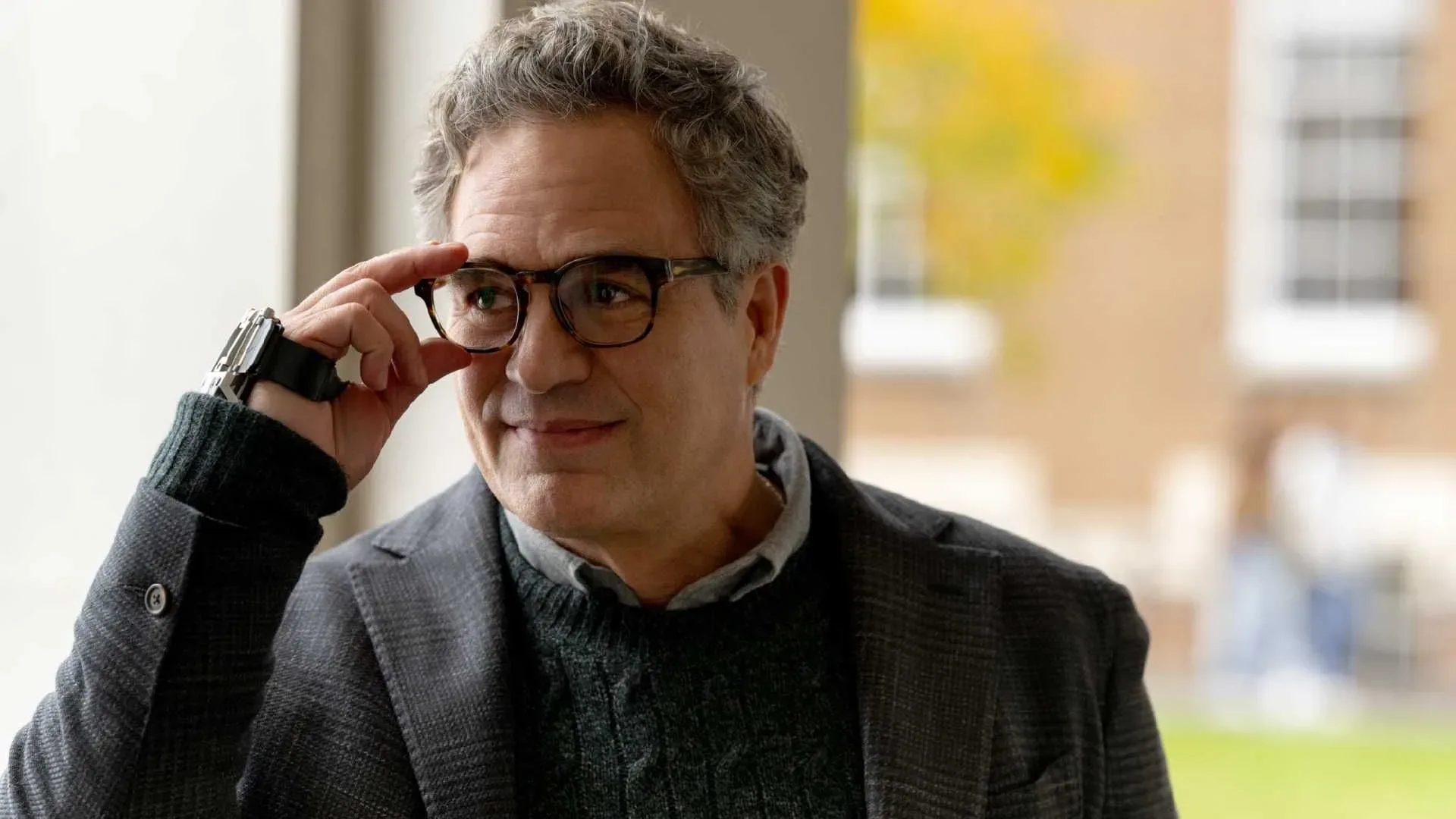
Mark Ruffalo used one of Marvel’s most recognizable lines to make a political point at the “Hands Off Our Vote” event in New York City on October 4. The actor, who plays Bruce Banner and the Hulk in the Marvel Cinematic Universe, urged attendees not to be discouraged by what he characterized as efforts to disrupt voting in the coming U.S. midterm elections.
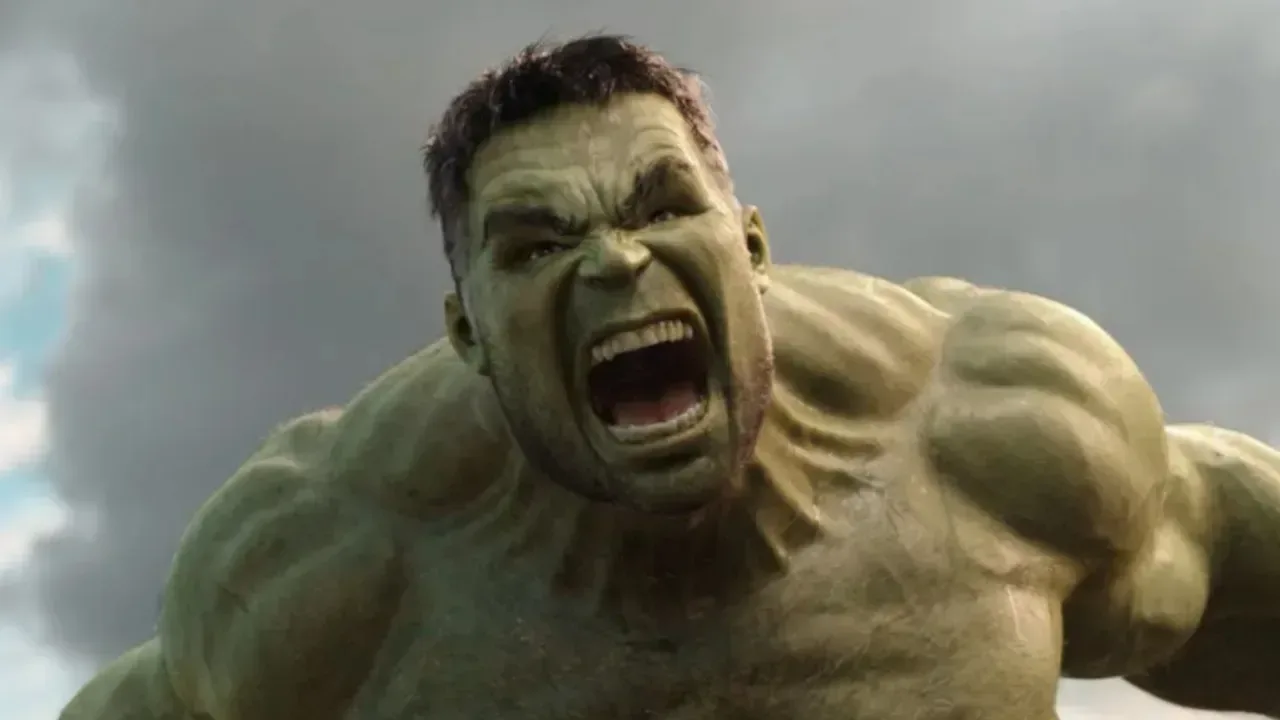
“I’m gonna Hulk out. You won’t like me when I’m angry,” Ruffalo said, turning the character’s familiar anger-and-transformation idea into a call for political participation. He also led a “hands off our vote” chant and directly addressed Donald Trump during his remarks.
Ruffalo’s central message was that fear should not keep people from voting or speaking in defense of constitutional voting rights. He said opponents would try to make people stay home, feel isolated or regard an outcome as predetermined, then argued that such an outcome was not inevitable.
Ruffalo links advocacy to his continuing Marvel role
The most pointed part of Ruffalo’s appearance was not only the Hulk reference. It was his assertion that his political activism has not removed him from the MCU. “I’m still here,” he said. “I’m still playing the Hulk.”
That distinction matters because Ruffalo framed public speech as something that can feel professionally risky, especially for people whose work depends on major entertainment companies and broadly popular franchises. He told the crowd not to be scared, saying that seeing other people step forward can help create courage.
There is an important limit to the claim: there has been no public indication in the supplied information that Ruffalo’s Marvel role was ever formally in jeopardy. Rather than presenting an announced dispute with Marvel or Disney, his remarks positioned his continued casting as personal evidence that an entertainer can remain outspoken and still have a place in a giant commercial property.
That is a different proposition from saying there are never consequences for public advocacy. Ruffalo’s point was motivational: he argued that fear itself can become an effective deterrent before any concrete professional consequence occurs. Whether listeners share his politics or not, the rhetoric is designed to challenge the assumption that visibility automatically means silence.
Why the Hulk line lands beyond a joke
“You won’t like me when I’m angry” is shorthand for the Hulk’s long-running premise: Bruce Banner’s anger unleashes a force that is difficult to contain. Ruffalo repurposed it at the rally as a compact pop-culture metaphor. In this context, “Hulk out” did not describe a literal threat or a Marvel plot beat; it meant meeting perceived political pressure with heightened resolve.
The phrase also works because the Hulk is both an individual character and an enduring piece of shared franchise language. A political speech can be abstract; a reference to a character known for rage, transformation and strength gives an audience an immediate emotional image. Ruffalo then tied that image to a less theatrical instruction: do not withdraw from civic participation because disruption or intimidation seems possible.
That is the practical core of the speech. The actor’s remarks did not outline a voting procedure, identify particular election rules or offer legal guidance. They were an appeal to persistence: remain engaged, defend voting rights and resist the feeling that action is futile.
A familiar stance from an actor with a major franchise platform
Ruffalo has been publicly vocal for years on political and environmental matters. His recent criticism has included objections to Paramount’s merger with Warner Bros. The supplied record also notes his criticism of George W. Bush’s actions during the Iraq War and of actions by the Israeli army against Palestine since 2014.
His October 4 speech therefore fits an established pattern rather than marking a sudden turn into political advocacy. What makes this moment notable is the way he explicitly placed that activism next to his continued role as the Hulk. He did not separate the actor from the superhero brand; he used the superhero brand’s best-known language to reinforce his argument.
That intersection is increasingly central to the public life of blockbuster entertainment. Franchise performers have enormous reach because characters and films travel far beyond a single interview, premiere or social-media post. At the same time, that reach brings scrutiny from audiences who may have sharply different expectations about whether stars should discuss politics in public.
Ruffalo’s remarks amount to a clear answer to that tension. He is not presenting silence as the price of a long-running role. Instead, he is arguing that the visibility attached to such a role can be used to encourage participation.
What this does—and does not—say about Marvel plans
For Marvel viewers, the immediate takeaway is narrow: Ruffalo says he is still playing the Hulk. His speech was not a release announcement, a casting bulletin or confirmation of a specific forthcoming project. Fans should not read it as a substitute for official details about where Banner appears next, how large a part he has, or what story direction Marvel might choose.
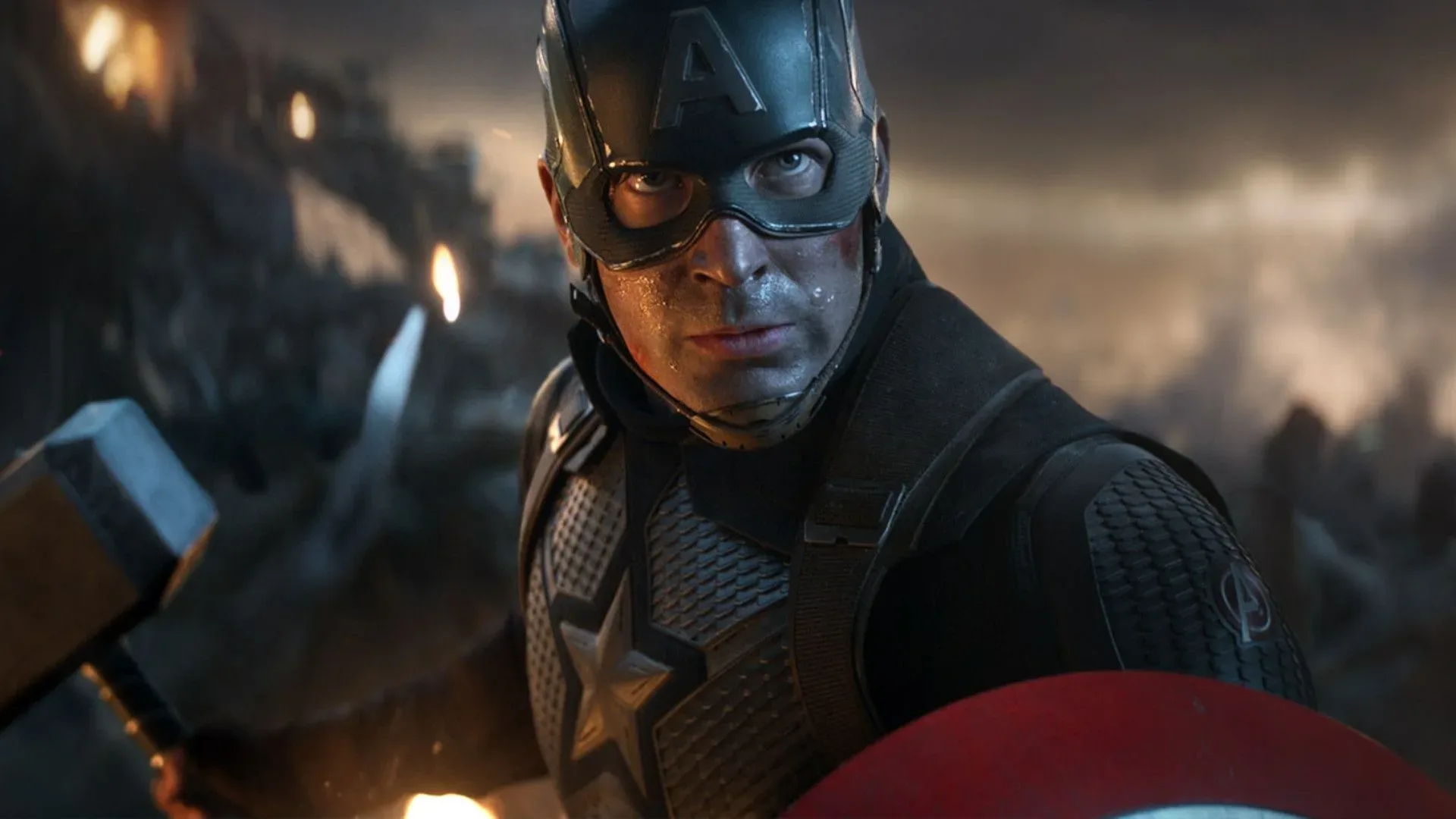
The supplied information does place Ruffalo in two major Marvel films: Spider-Man: Brand New Day, described as having grossed $2.5 billion, and Avengers: Endgame, described as having grossed $2.9 billion and as containing a new Hulk post-credits scene. Those titles underscore the scale of the franchise context around his comments, but the rally itself was focused on voting and political fear, not a movie campaign.
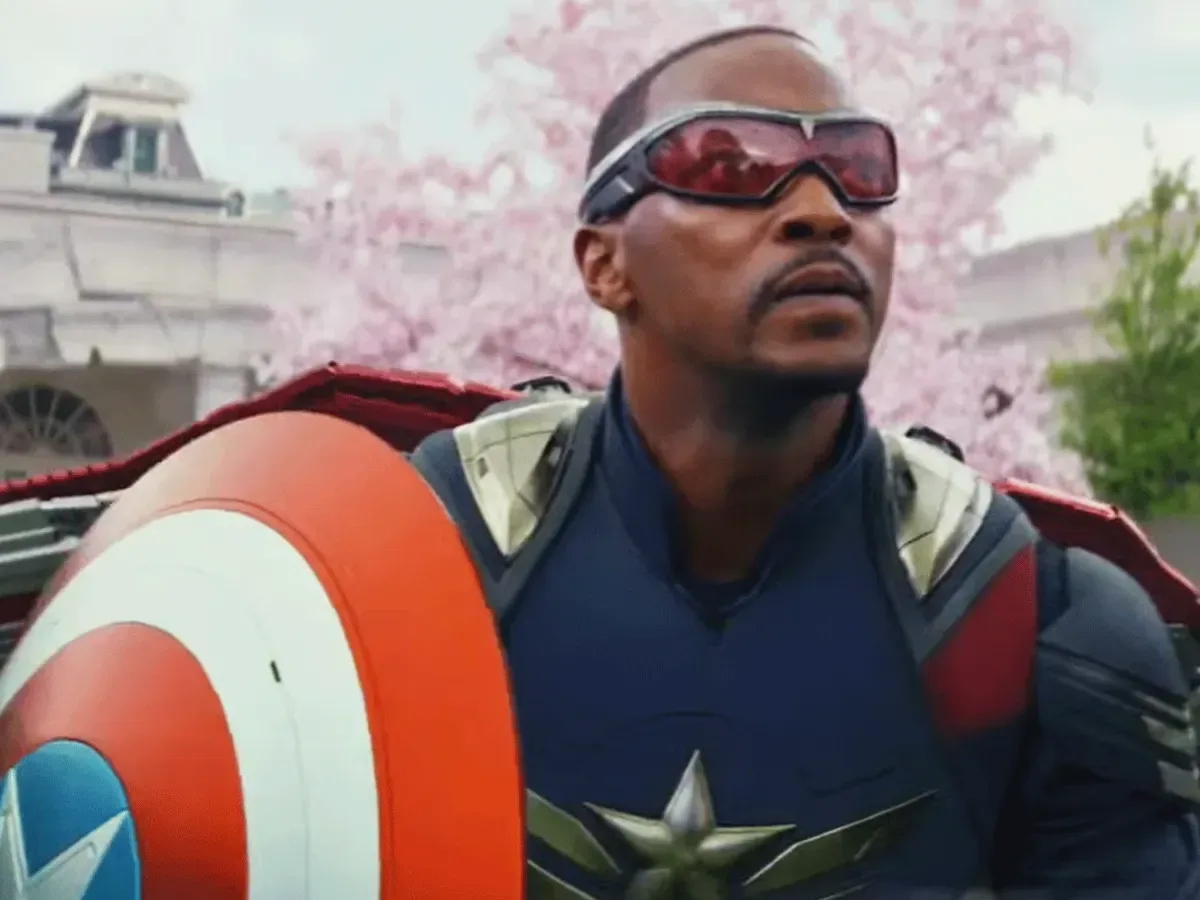
There is also a broader Marvel calendar worth keeping separate from Ruffalo’s own statement. Reports surrounding the franchise can involve production timing, casting conversations and future crossover plans, but none of that should be inferred from an actor’s rally speech. For another example of how carefully fans need to separate discussion from confirmation, see the current discussion around Anthony Mackie and Avengers: Secret Wars timing.
The speech’s central argument: participation over resignation
Ruffalo repeatedly returned to the idea that discouragement is politically useful to those who want fewer people engaged. He described efforts to make people feel small, lost or convinced that events are unavoidable. His response was collective rather than individual: people gain confidence when they see others act.
“They want to keep us afraid, their only weapon is our fear. But when we see people step out, we can get courage.”
That framing explains why the Hulk reference was more than a crowd-pleasing line. Ruffalo made the character a symbol of refusing passivity. His message was not that anger alone solves political problems; it was that fear should not dictate whether people exercise their rights or publicly support those rights.
He closed by rejecting the notion that the future was already settled. “It’s not inevitable,” he said. “We’re inevitable. The truth is inevitable.” The language is emphatic and partisan, but its intended action is straightforward: do not let anticipated disruption, pressure or pessimism become a reason to opt out.
For now, the clearest entertainment news within the appearance is Ruffalo’s own concise assurance that he remains Hulk. The wider significance is how directly he connected that continuing franchise identity to an argument for public engagement—using a Marvel catchphrase to say that staying visible, speaking out and voting need not be treated as mutually exclusive.