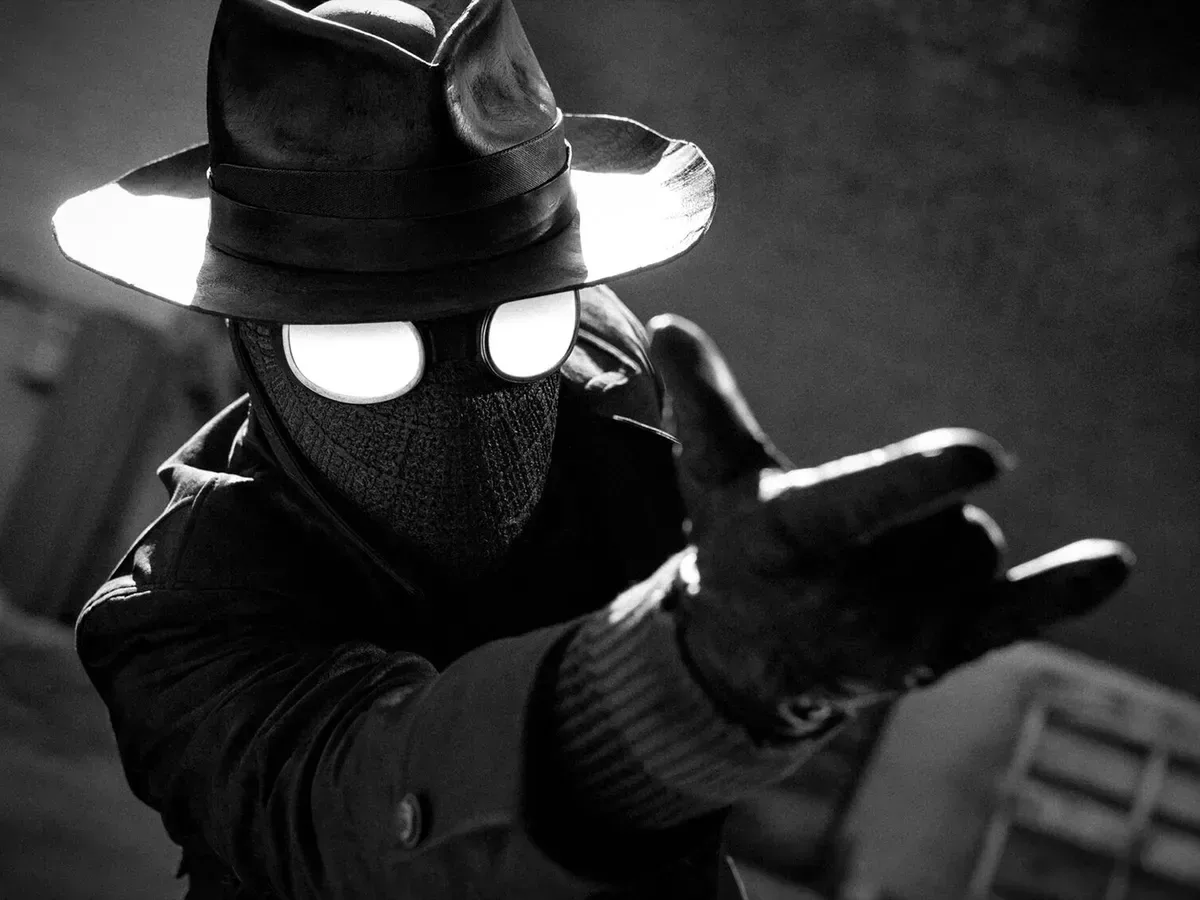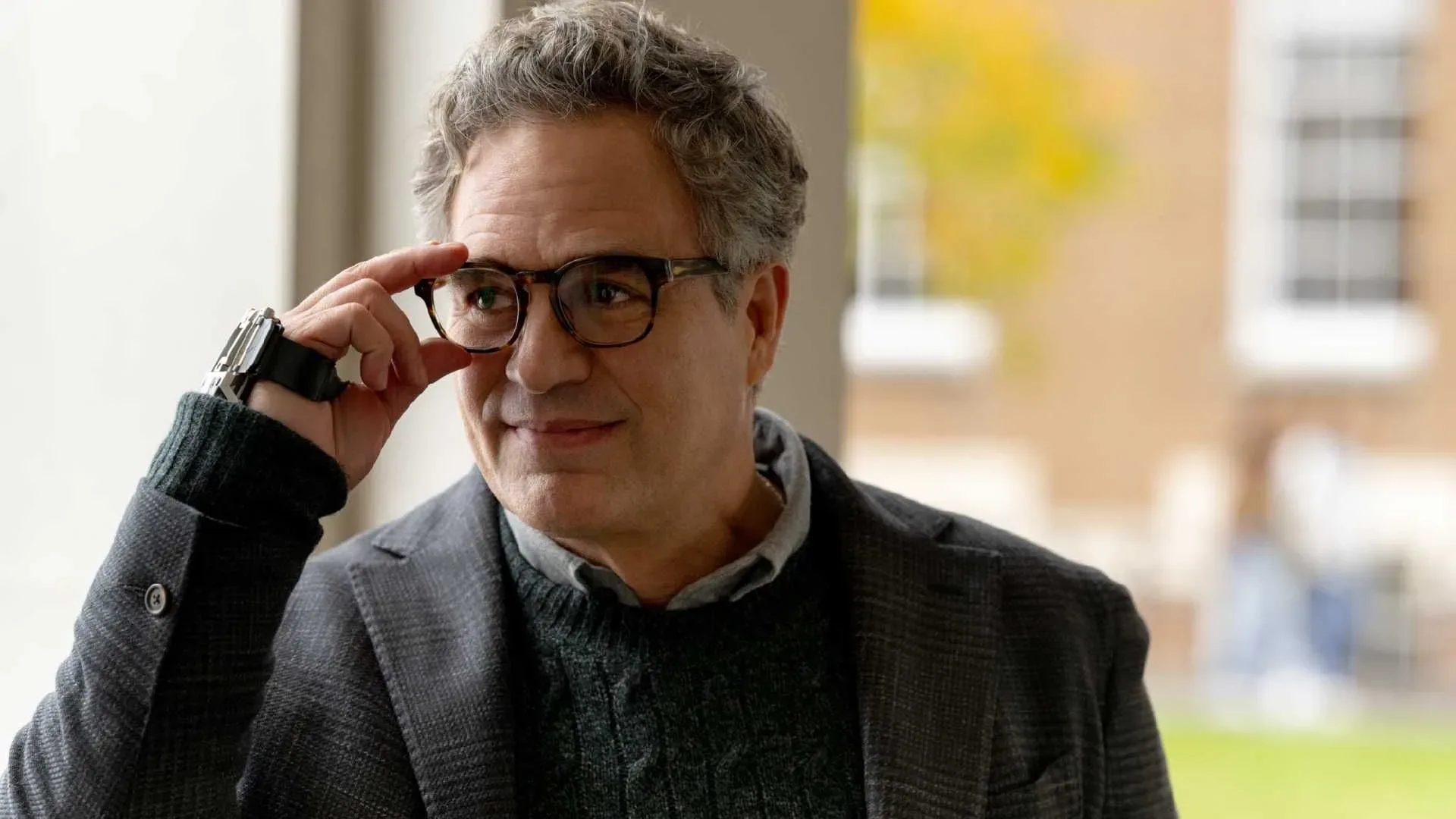
Spider-Man: Brand New Day may include one of Marvel’s biggest possible supporting players, but director Destin Daniel Cretton says Bruce Banner’s involvement was not imposed from above. The filmmaker explained that Hulk had to be requested through Marvel Studios president Kevin Feige because Cretton and the creative team believed the character served the particular story they wanted to tell.
That distinction matters for a film positioned as an emotionally closer-scale follow-up to Spider-Man: No Way Home. Peter Parker is beginning Brand New Day after the devastating resolution of the previous movie, in which everyone he knew lost their memories of him. The premise places loneliness, disconnection and Peter’s next steps at the center of the new chapter. In that context, adding Hulk was apparently not a matter of checking off a familiar MCU crossover box; it was a decision the team believed had a purpose within Peter’s situation.
Hulk had to fit the movie before he could enter it
Speaking on Fresh Air while discussing the arrival of Jean Grey, Cretton described a process in which filmmakers establish what their story needs and then seek approval to use certain Marvel characters. He said Feige is not simply forcing additions into the film. Instead, once the team identifies a desired element, it asks whether that character can work within the larger picture and whether Marvel will permit the appearance.
Hulk followed that same route. Cretton said the character made sense for Brand New Day, but emphasized that his inclusion was not mandatory. The production requested Hulk, and Feige gave the go-ahead.
It is a useful bit of clarity amid the usual assumptions surrounding a shared-universe movie. When a recognizable hero arrives in another character’s story, audiences can understandably wonder whether that moment originated from the director and writers, a broader franchise plan, or a mix of both. Cretton’s description suggests that, at least in this instance, Hulk began as a story-driven proposal that still needed to pass the practical and creative checks involved in connecting a sprawling set of characters.
The language is also telling: requesting a character is different from simply deciding to use one. Even when a figure is available within the same cinematic universe, there are continuity questions, future plans and character-specific considerations to weigh. Cretton did not lay out the complete approval process, but his account frames Feige as the person who determines whether those moving parts align.
Bruce Banner’s brief role has a sharp turn
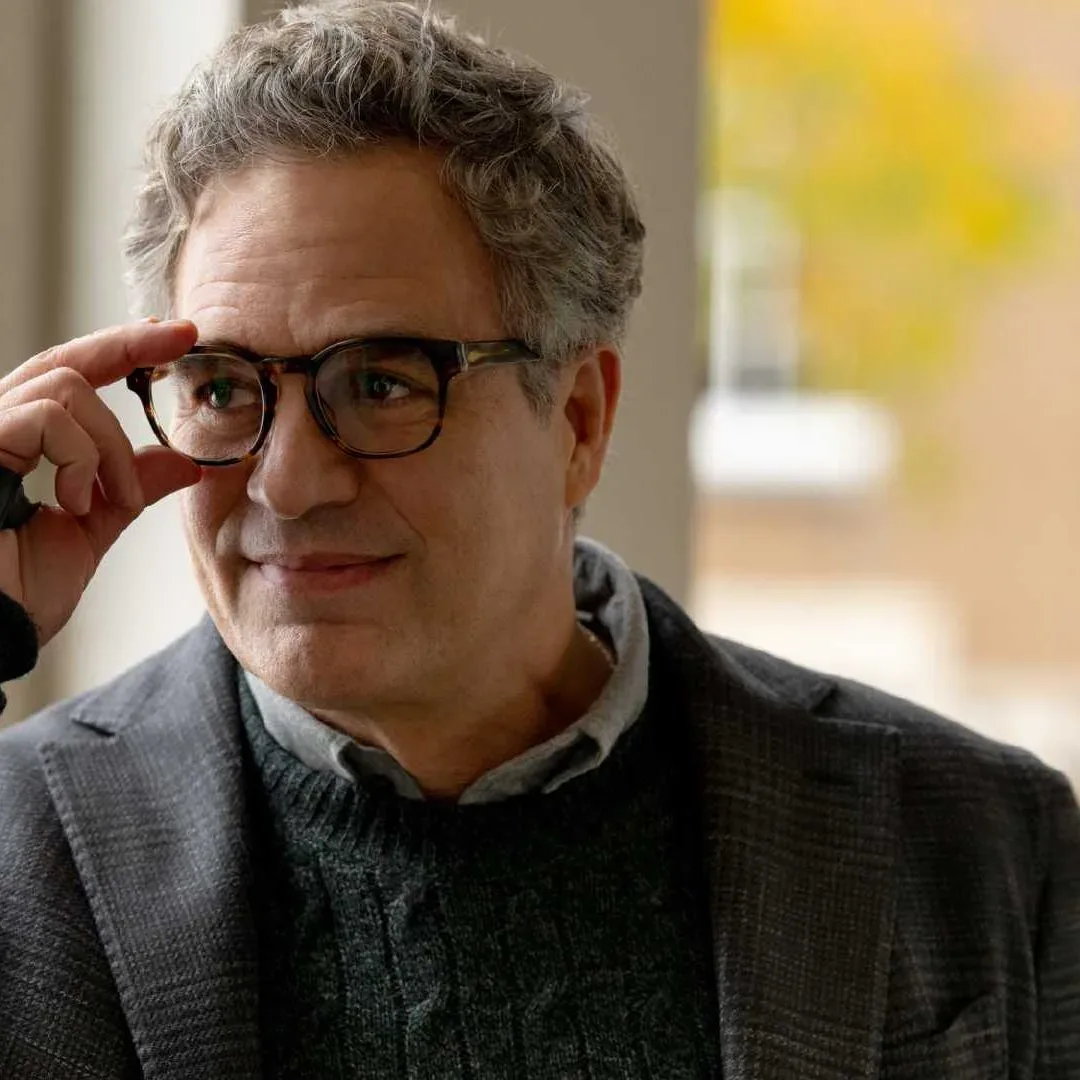
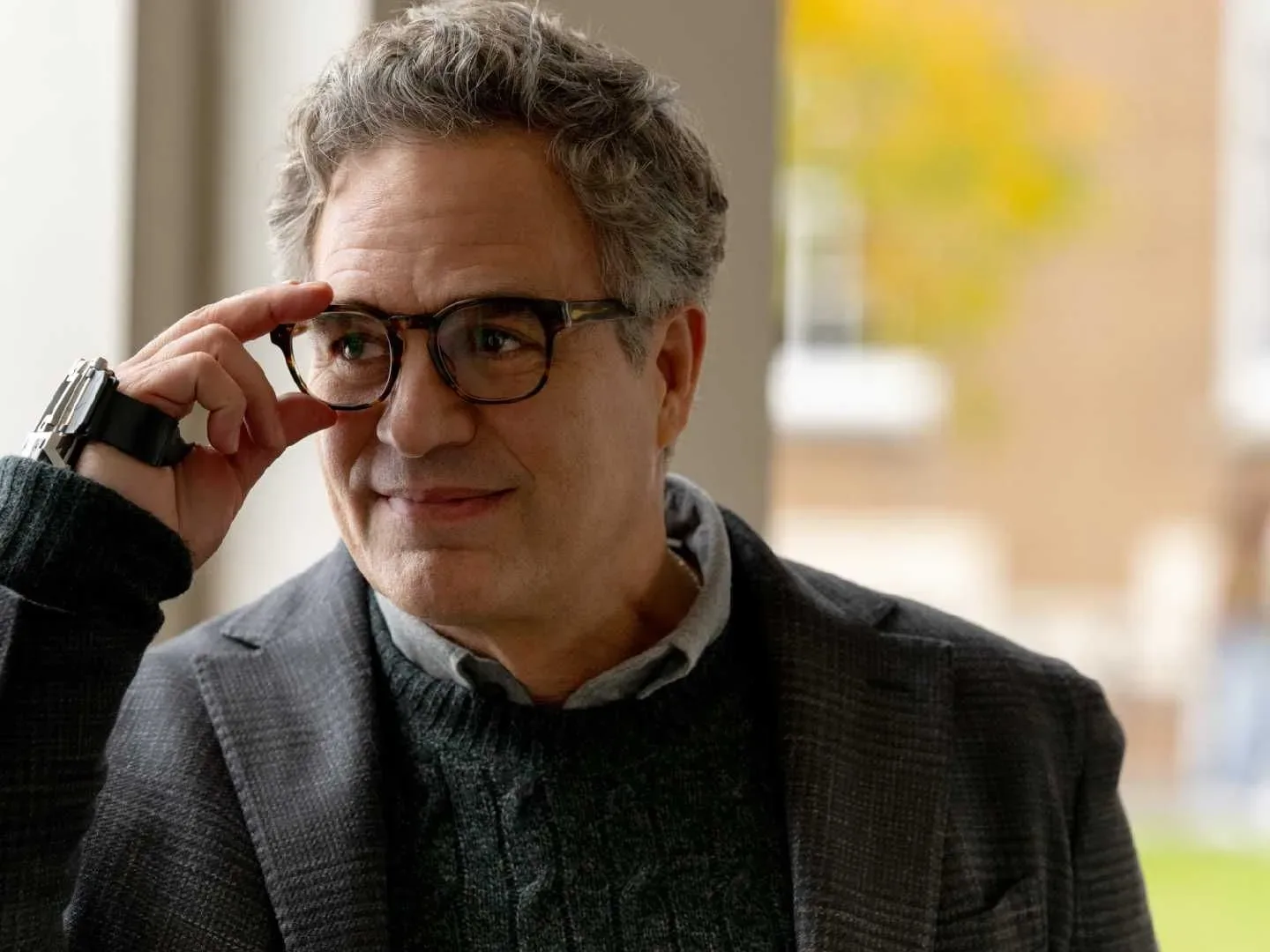
Mark Ruffalo’s Bruce Banner has a limited but consequential role in the movie. Banner offers Peter advice, providing the young hero with a connection to someone who understands the burdens that come with extraordinary abilities and public-scale danger. That setup then shifts dramatically when Jean Grey, played by Sadie Sink, uses mind-control powers that lead Banner to transform into Hulk.
For a film reportedly focused on Peter’s isolation, a short encounter can still carry weight. Banner is not presented as a replacement for the people Peter lost at the end of No Way Home. Rather, his place in the narrative appears designed to create a meaningful exchange for Peter before the situation becomes much more volatile. The Hulk transformation gives the sequence an unmistakable Marvel-sized escalation without changing the fact that Peter remains the central character.
Jean Grey’s role is especially important to the turn. Her mind-control powers are directly tied to Banner Hulking out, making her more than a peripheral addition to the conflict. Cretton’s comments about asking to use both Jean and Hulk underline that their presence is tied to the movie’s construction, not merely to a collection of disconnected cameos.
That does not mean the movie abandons spectacle. Hulk is Hulk, after all, and a transformation prompted by mind control is hardly a quiet conversation in a coffee shop. But the reported intent behind Brand New Day is to use its major Marvel ingredients in support of a more personal Peter Parker story rather than to attempt a larger repeat of the prior film’s crossover event.
Going deeper instead of trying to go bigger
Feige had already articulated that broader creative aim during a D23 panel marking 65 years of Spider-Man. He said the team began Brand New Day with the understanding that it should not try to outdo No Way Home purely through scale. The goal, as he described it, was to dig further into the characters and make the result distinctive in a different way.
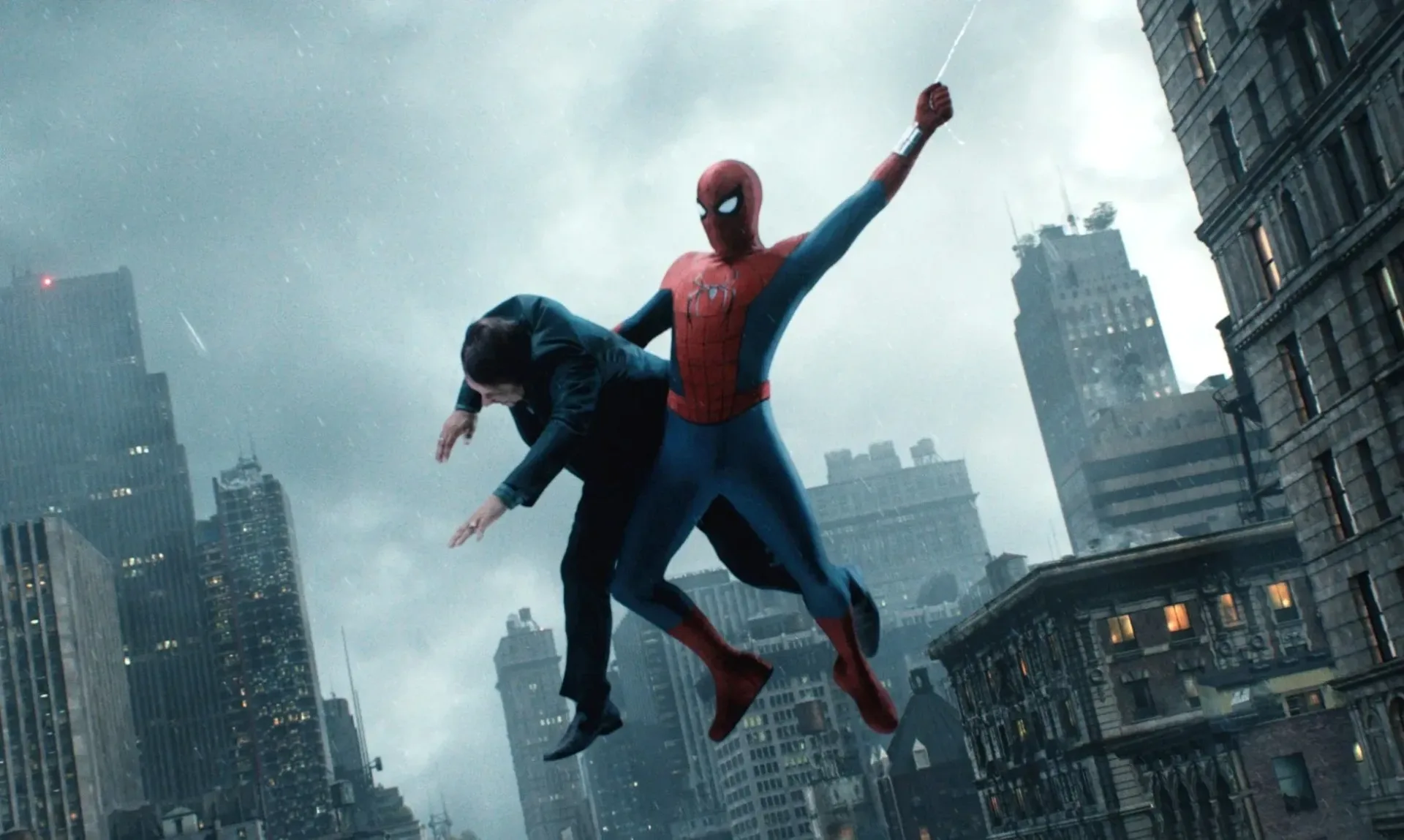
That is a sensible challenge given what No Way Home represented: Tobey Maguire, Andrew Garfield and Tom Holland appearing together as three versions of Spider-Man. Beating the novelty and magnitude of that premise is not an easy task, nor does it necessarily offer the most rewarding direction for the character. Brand New Day instead picks up after the emotional price Peter paid to protect others, when he has effectively been erased from the lives of the people closest to him.
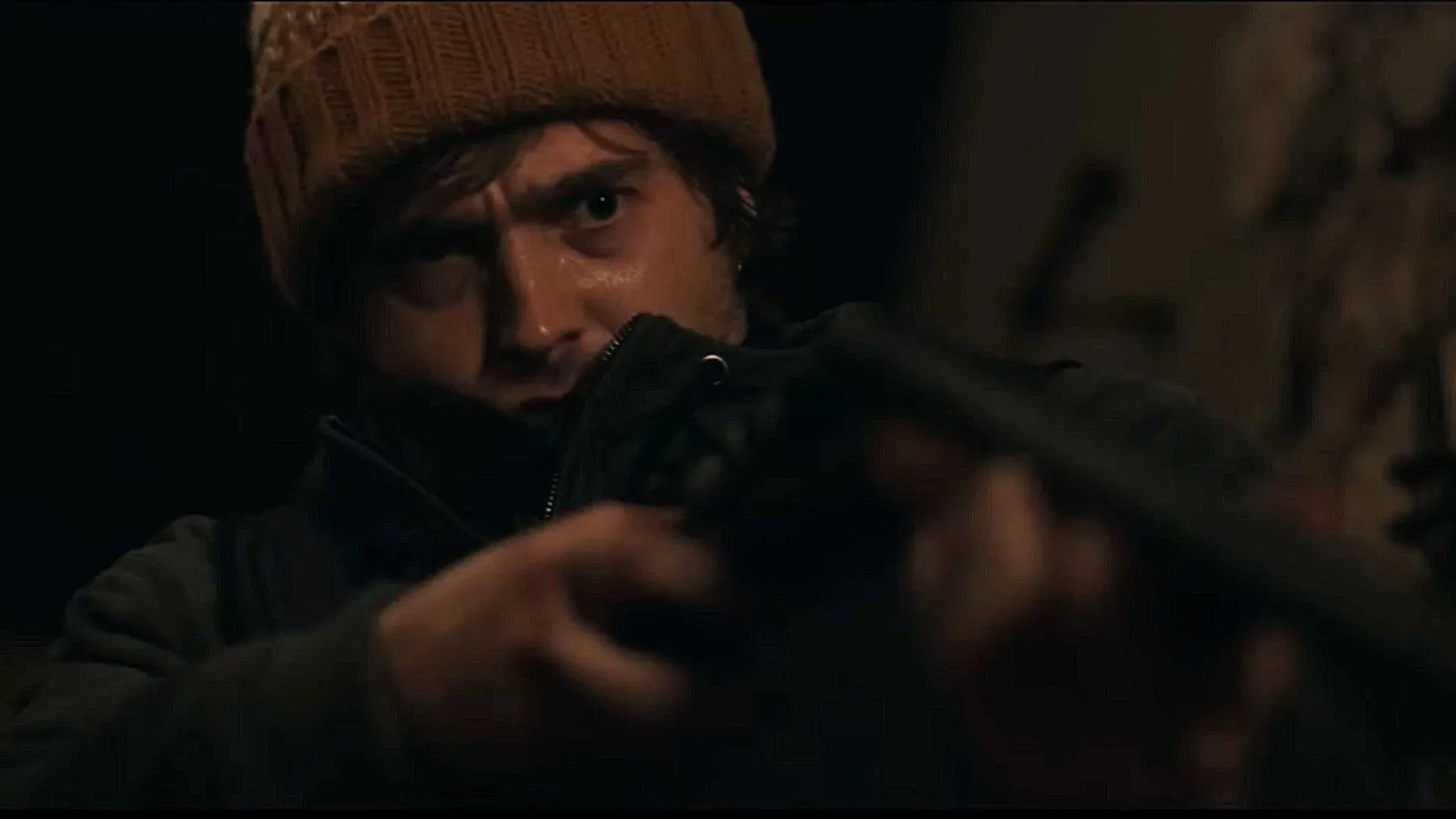
Feige also pointed to another trio when explaining why the new movie can stand on its own. During the making of No Way Home, he recalled seeing Holland alongside Zendaya and Jacob Batalon outside the set and recognizing the significance of their on-screen dynamic. In Feige’s view, that group has its own iconic quality, one comparable in importance to the movie’s three-Spider-Man hook. He said Brand New Day has borne out that belief.
The observation helps define what “deeper” means here. The potential power of the film is not only in who can swing, smash or manipulate minds. It is also in the relationships that make Peter Parker’s losses meaningful. A story about being forgotten necessarily asks what remains of a person’s life when the familiar bonds around them are suddenly absent. It gives a superhero sequel a more intimate dramatic engine, even if the wider Marvel world still enters the frame.
A crossover element with a defined job
Cretton’s comments do not reveal every reason Hulk was the right choice for Brand New Day, and they should not be read as a complete map of Marvel Studios’ internal planning. What they do establish is narrower and more interesting: the film’s team had a reason to want Banner and Hulk, took that request to Feige, and received approval.
That context makes Hulk’s “brief but impactful” appearance easier to view as a deliberate narrative tool. Banner can offer counsel to Peter; Jean Grey can disrupt the encounter through her powers; Hulk can raise the threat level instantly. Each component has an identifiable dramatic function within the information available, rather than existing only to advertise the size of the connected universe.
It also reinforces the balancing act behind Brand New Day. The movie follows one of Spider-Man’s largest cinematic gatherings with a premise rooted in absence and solitude, while still making room for Bruce Banner, Hulk and Jean Grey. The trick is not avoiding big characters altogether. It is giving them a reason to be there without letting them take the story away from Peter.
For readers following other genre-film discussions about tension and character pressure, Joking Joystick recently covered how the Resident Evil movie is aiming to make every missed bullet matter. The projects are very different, but both conversations point to a familiar filmmaking concern: scale only lands when the audience understands what is at stake for the person caught in it.
Spider-Man: Brand New Day is in theaters now. Cretton’s account of the Hulk decision offers a behind-the-scenes detail that fits the film’s stated identity: it is a Spider-Man story built after a massive event, looking for emotional specificity while carefully choosing where its biggest Marvel pieces belong.