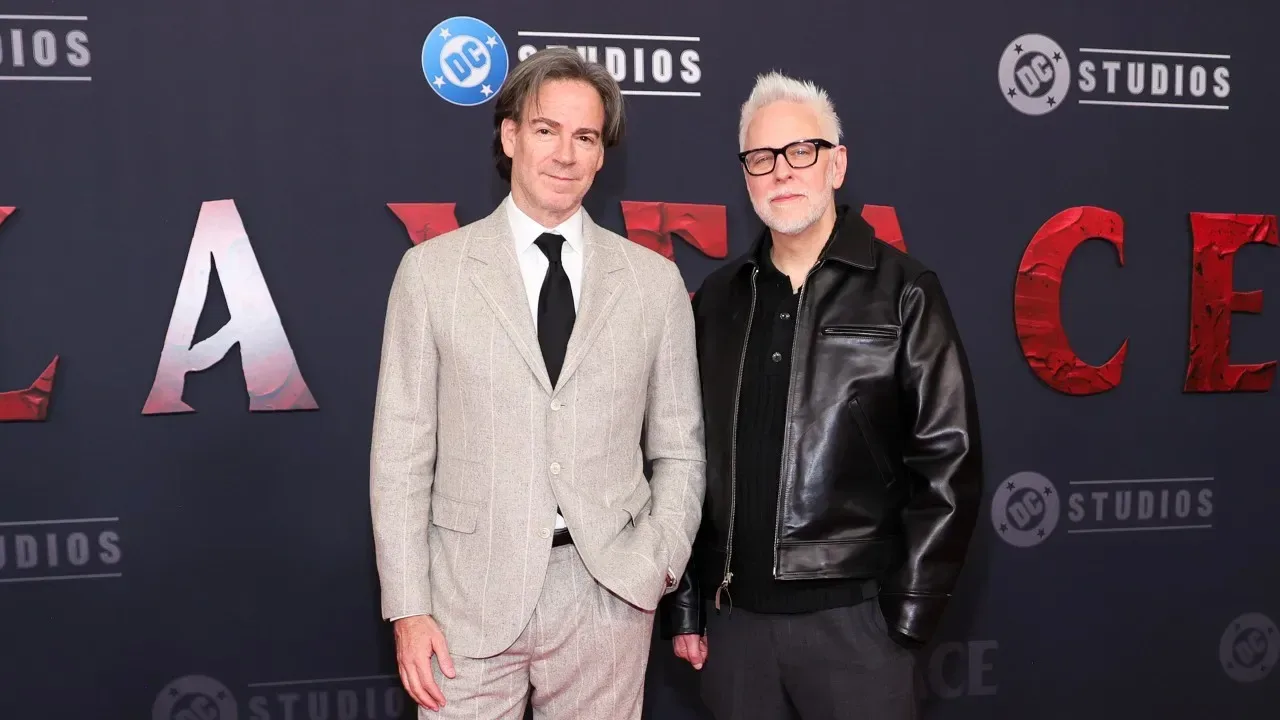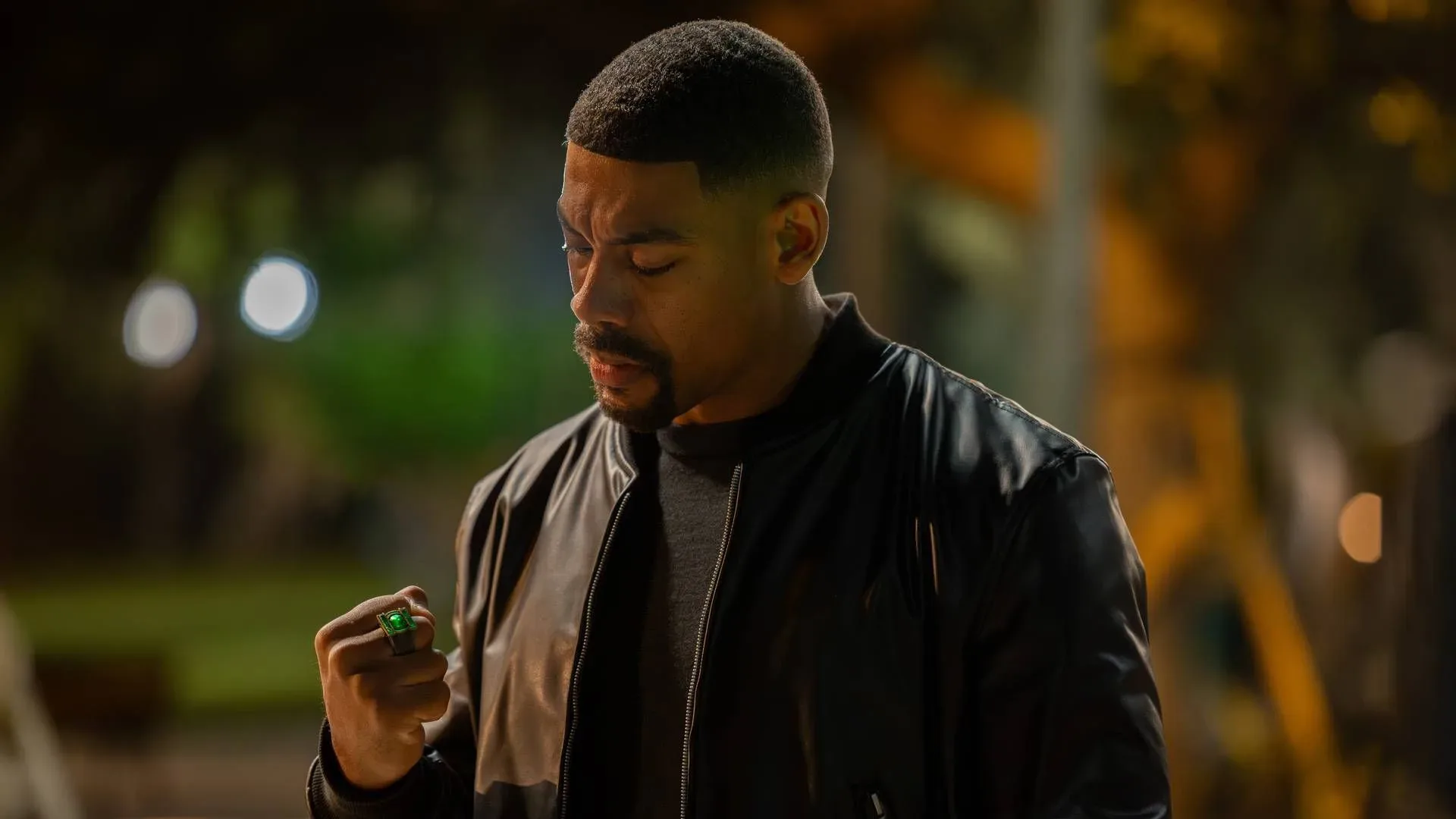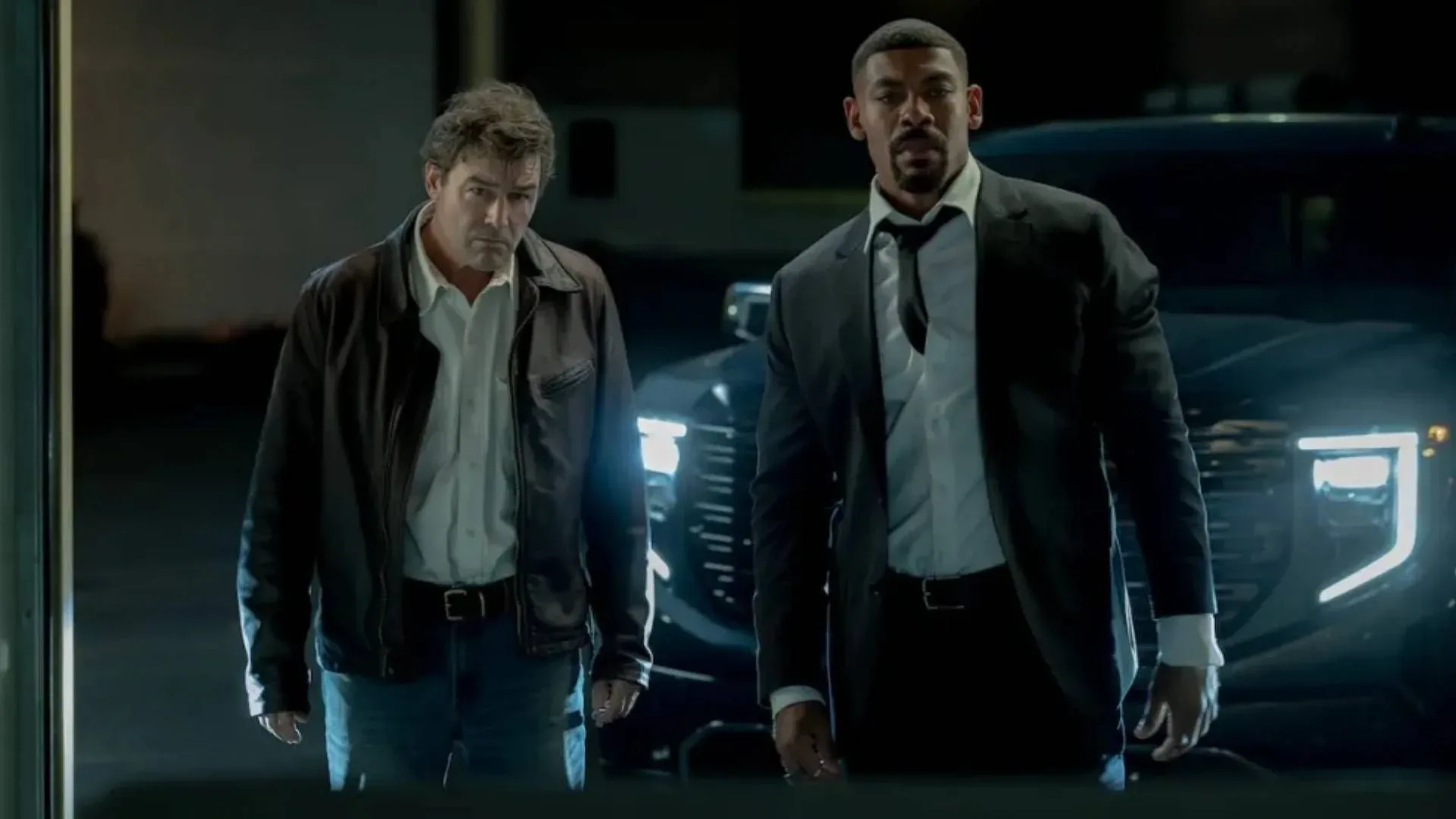
Lanterns may yet return for a second season, but DC is not treating that outcome as automatic. Peter Safran has said a writers’ room is currently developing possibilities for the show’s future, while stressing that the project needs a compelling reason to continue before it receives a formal green light. The stated target is to make a decision on Season 2 before the end of 2026.
That distinction matters. A writers’ room being active means creative work is underway: writers are exploring premises, character directions and the shape a potential next installment could take. It is not the same as a renewal, production order or confirmation that cameras will roll. In this case, Safran’s position is plainly story-first: the relevant partners need to believe they have a worthy continuation of a first season that has been warmly received.
A development process, not a Season 2 order
The central update is encouraging for viewers who want more of the series, but it remains conditional. The creative team, including Chris Mundy, is working through ideas. Whether those ideas become a season depends on the collective judgment of HBO, DC and the people making the show.
That is a healthier framing than treating a successful first season as an obligation to produce more episodes. Television frequently leaves narrative doors open; that alone does not mean every opening demands an immediate return. Safran’s comments suggest DC wants a follow-up with its own purpose rather than one built solely because the property has momentum.
For audiences, the practical takeaway is simple:
- Season 2 has not been confirmed.
- New ideas are actively being developed.
- A decision is expected by the end of 2026.
- The deciding factor is whether the proposed story meets the team’s standard for a successor.
There is no announced production timetable, premiere window or story outline in this update. The uncertainty is real, even if the existence of a writers’ room gives fans something more substantive than silence.
Why Lanterns still matters to the larger DCU
Safran has emphasized that episodic storytelling remains an important part of DC’s overall screen plans. The basic advantage of television is room. A series can sustain mysteries, give relationships time to change and dedicate attention to corners of a fictional world that may not fit inside a feature-length story.
That role is particularly relevant to Lanterns, which introduced Aaron Pierre’s John Stewart. Stewart is already set to appear next summer in Man of Tomorrow, the follow-up to James Gunn’s Superman. The character’s move from television to film is the clearest evidence that the show’s importance does not begin and end with a renewal decision.
In other words, the future of John Stewart and the Lantern Corps is not wholly tied to another season. If Season 2 does not happen, the DCU still has a route for Stewart’s story to continue on the feature side. That gives DC some flexibility: a television follow-up can be pursued because it has the right story, not because it is the only way to keep a major character present in the shared universe.
For broader context on how DC’s upcoming projects are being positioned alongside one another, see DC’s developing slate, including Man of Tomorrow and other planned films.
What a “worthy successor” likely means
Safran did not reveal the specific pitches on the table, so there is no confirmed plot to dissect. Still, his emphasis on a “worthy successor” establishes a useful threshold. The question is not merely whether there are more stories that could be told with John Stewart, Hal Jordan or the Corps. It is whether there is a story strong enough to justify an entire additional season.
The first season has been characterized as a more mature, mystery-driven entry in the comic-book space, with an approach that drew comparisons to the atmosphere and investigative construction of True Detective. That comparison is about style and structure rather than a promise that future episodes would repeat any particular formula. It does, however, clarify why a simple escalation in scale may not be enough. If the series earned attention through its leads, its tone and a compelling central mystery, a second season would need to preserve a similarly distinct identity.
Analysis: the most significant creative challenge is likely differentiation. Comic-book adaptations can easily default to the expectation that every new chapter must become bigger, louder or more crowded. Lanterns appears to have made its case by carving out a specific tonal lane. A continuation that merely adds activity without retaining that dramatic focus could dilute what made the initial run stand out.
That does not mean Season 2 would need to repeat Season 1’s exact structure. A successor can shift locations, conflicts and character pressures while keeping the qualities audiences responded to: the chemistry between its leads, a mature presentation and an investigation with genuine pull. The writers’ room’s job is to find that balance before DC commits further.
John Stewart is the firmest piece of the immediate future
Of all the show’s forward-looking threads, John Stewart’s next appearance is the clearest. Pierre’s version of the character is confirmed for Man of Tomorrow, meaning viewers will see the Lantern within the larger film continuity regardless of the eventual Season 2 call.
This is also a useful illustration of how a shared universe can operate across formats. A television series can introduce and develop a character in the additional “real estate” that Safran describes, while a feature can bring that character into a different scale of story. The connection does not require every television plot to become a movie plot. Rather, the formats can cover different aspects of an ongoing world.
There is less certainty around Hal Jordan. Fans may hope for his return, and the first season has left room for additional stories involving both Stewart and potentially Jordan, but no future appearance for him has been confirmed here. It is worth separating that audience interest from actual news: John Stewart’s film involvement is established; Hal Jordan’s next step is not.
Success creates interest, not an automatic renewal
Lanterns has been described as one of HBO’s most successful shows of the year, and the first season’s reception is clearly part of why more stories are being explored. That performance gives the project a strong argument for continuing. It does not erase the need for a creative case.
This approach also pushes back against a familiar shared-universe anxiety: that the health of an entire franchise rises or falls with one project. The series’ success has been read as a positive sign for DC after Supergirl performed poorly at the box office shortly before Lanterns premiered. But the two outcomes also point to the value of having multiple formats and approaches. A television mystery led by Lantern characters and a theatrical comic-book film are not identical propositions, even when they sit under the same DCU umbrella.
The more immediate implication is that DC appears to view television as more than promotional support for movies. Safran’s comments frame it as a venue for stories that need a longer form and as a place to introduce characters who can later enter films. That does not guarantee every series continuation. It does indicate that a show’s potential value can extend beyond one season and one platform.
What fans should watch for next
The next meaningful milestone is the promised end-of-2026 decision. Until then, discussion of prospective villains, plots, episode counts or release dates is speculation rather than confirmed information.
A formal decision could take either direction. A renewal would indicate that the writers’ room and DC’s partners found a concept they believe can build on the first season. If it does not move forward, that would not remove John Stewart or the Lantern Corps from the DCU, given Stewart’s confirmed role in Man of Tomorrow. It would instead mean the television branch has not found the appropriate next chapter at this time.
For now, Lanterns occupies an intriguing middle ground: successful enough to have its future actively considered, connected enough to the larger DCU that its characters can continue elsewhere, and unfinished enough that the most important answer remains ahead. The writers’ room has work to do; DC has set a decision window; and viewers have a clear reason to keep an eye on both the show and John Stewart’s next appearance on the big screen.