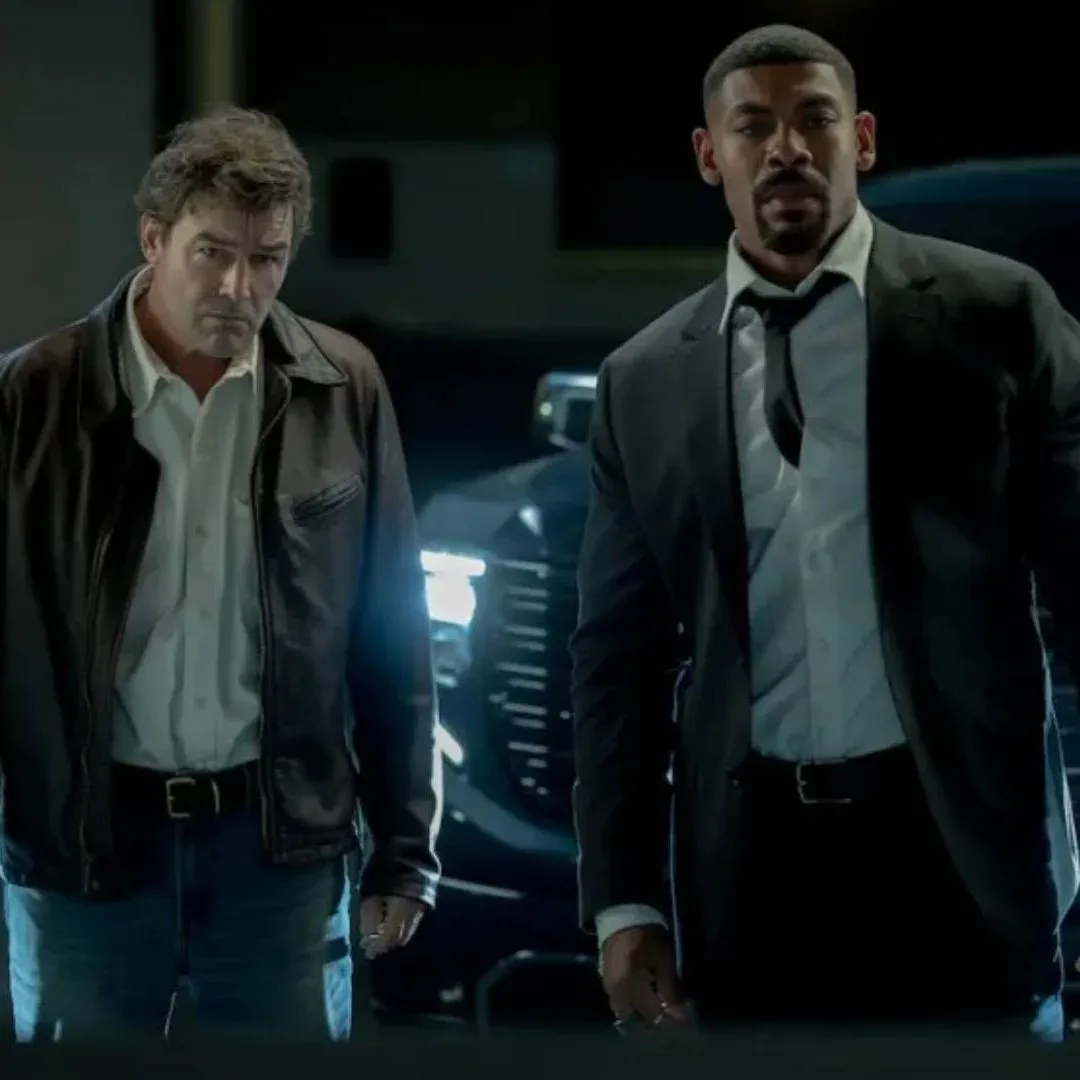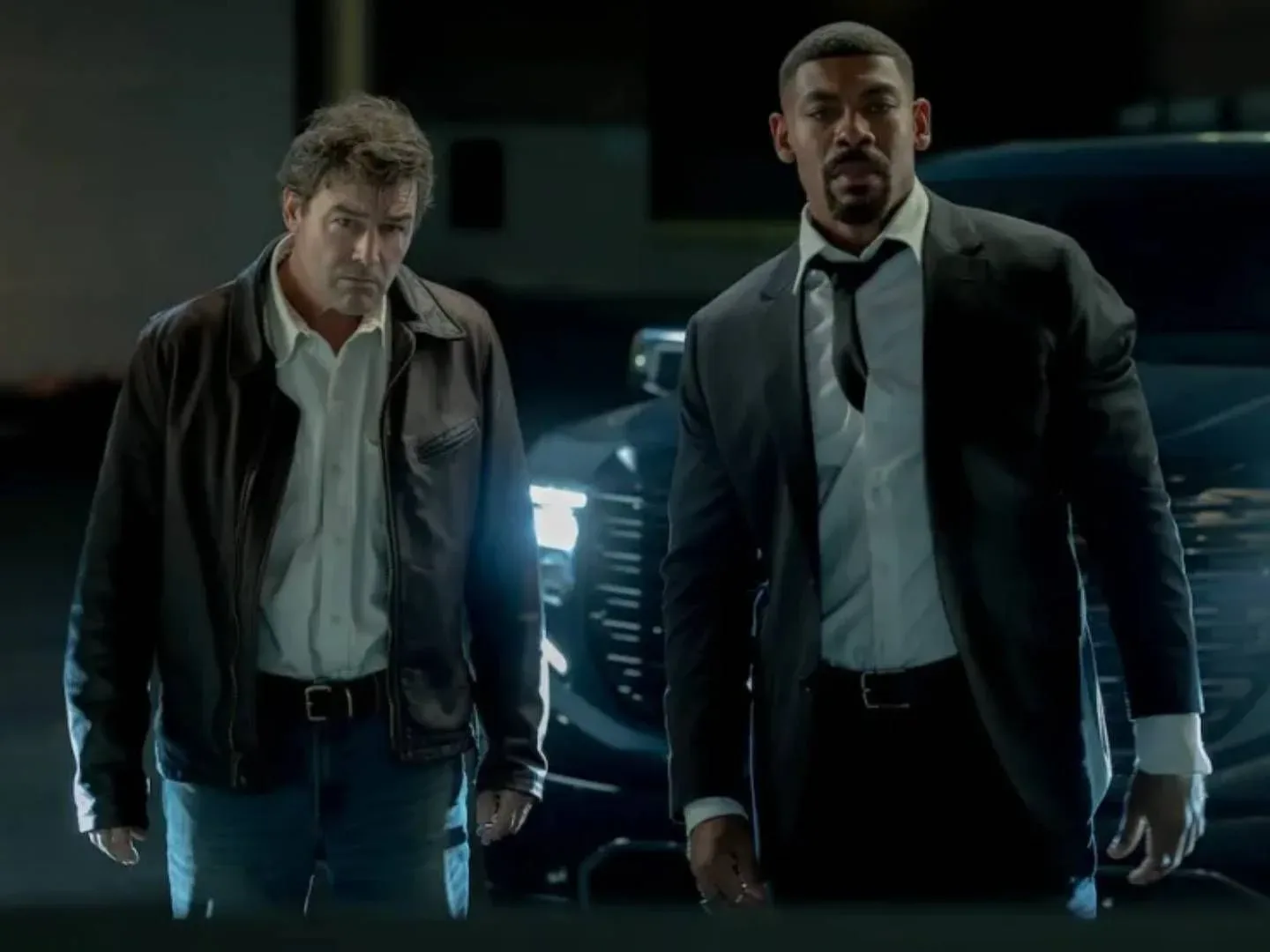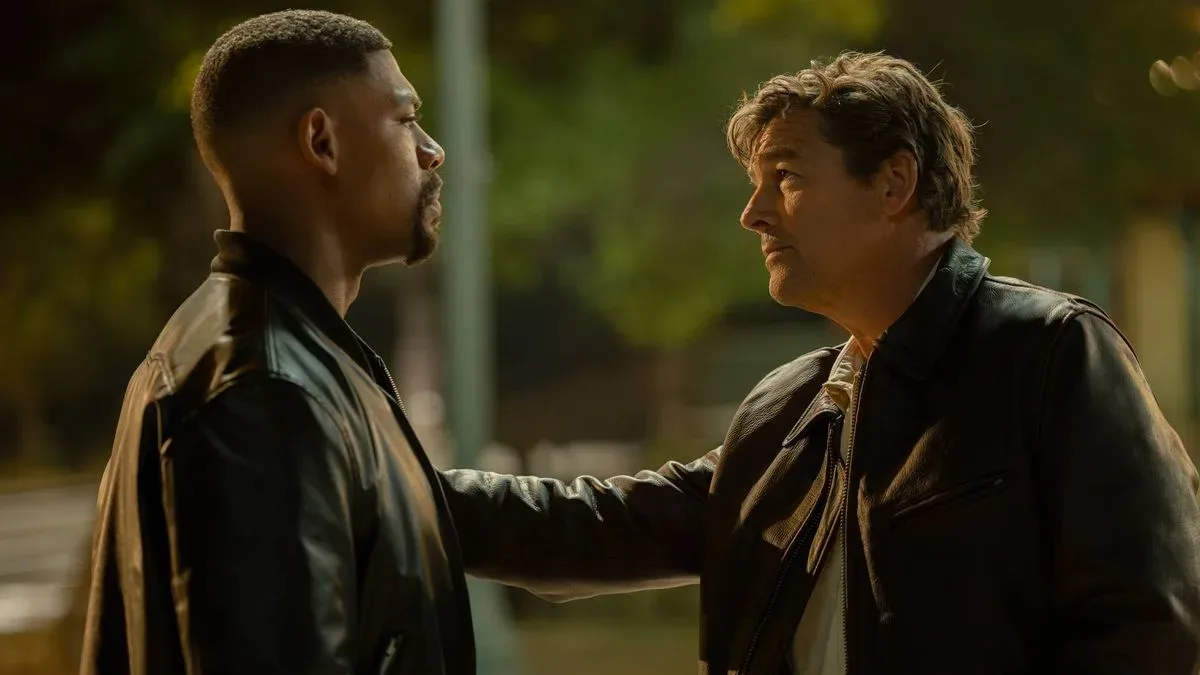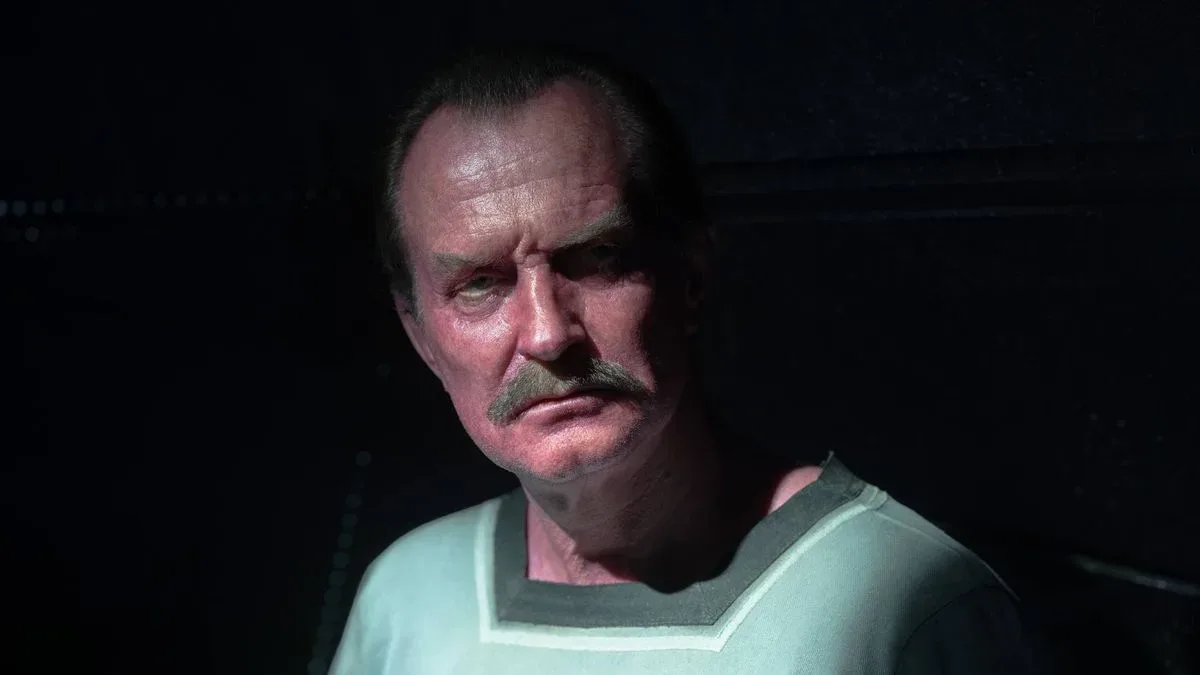
Major spoilers for the Lanterns season 1 finale follow.
Lanterns has ended its first season on HBO Max with a genuine resolution to its central mystery: the circumstances behind Hal Jordan’s death and the events in Rushville have been addressed. That closure matters, because it means a possible second season would not simply be eight more episodes of the same case. It would need a new dramatic engine, a changed central relationship, or perhaps an entirely different structure.
For now, the important distinction is simple: Lanterns season 2 has not been officially announced. There is no confirmed renewal, production schedule or release window. Still, several public signals make it reasonable to view the show as potentially continuing rather than definitively finished.
The clearest one is the language used around episode 8. James Gunn referred to it as a season finale, rather than a series finale, in a Threads response. Those two descriptions are not interchangeable. A season finale closes one chapter while allowing for another; a series finale conventionally signals the end of a show’s planned run. The wording is not a renewal announcement, and it should not be treated as one, but it is a meaningful indication that the door has not been shut.
For a full refresher on the finale’s major developments before diving into what may follow, see our breakdown of Lanterns season 1’s ending.
What is actually known about a second season?
Chris Mundy, a co-showrunner on Lanterns, has said the creative team had ideas beyond the first season. In comments made near the start of the series’ release, Mundy described a possible follow-up as something that would need to feel fresh while retaining characters viewers care about. He also said the team had begun laying out a season and would discuss its plans with decision-makers soon afterward.
That is encouraging development language, but it is not confirmation. Television development can mean several things: writers may outline a direction, prepare a pitch, establish potential character arcs, or identify how a later season could connect with a wider franchise. None of those steps guarantees that a platform has ordered more episodes. A greenlight is the formal decision to move ahead with production; no such decision has been publicly confirmed here.
There is also a practical reason to separate the show’s popularity from its future status. Lanterns reportedly averaged around 19 million viewers per episode and has been characterized as one of HBO’s most successful shows. Strong viewership and critical attention clearly make a continuation easier to imagine. But success alone does not dictate a second season, especially for a story built to resolve a defined mystery and fit into a larger DCU plan.
The DC television landscape provides a useful caution against declaring a renewal before one exists. Another successful DC series, The Penguin, generated early expectations of a second season, yet a continuation no longer appears to be the immediate direction. A hit can remain a one-season story if its creators and the larger franchise determine that a different route makes more sense.
John Stewart is the firmest piece of the future
Although another season of Lanterns remains unconfirmed, John Stewart’s next step is not quite as uncertain: he is set to return in Man of Tomorrow. That makes the film the next confirmed place to look for consequences from the finale.
This distinction matters for fans trying to map the DCU. A character’s return elsewhere is not the same thing as an order for the character’s original show. However, it does mean the series is not functioning as an isolated dead end. John’s story is moving into another project, and whatever happens there could shape whether a prospective Lanterns season 2 returns to him, sends him in a new direction, or shifts the spotlight toward other Lanterns.
It also explains why an immediate plot forecast is unusually difficult. The finale has left John with a new ring and unresolved concerns, but Man of Tomorrow sits between season 1 and any hypothetical television continuation. A second season’s premise could depend heavily on the events of that film. Until those events are known, claims about John’s status, objectives or supporting cast would be speculation rather than established information.
Why season 2 would have to be structurally different
Season 1’s main question was fundamentally investigative: what happened to Hal Jordan, and what was really going on in Rushville? By resolving both the murder mystery and the immediate Rushville storyline, the finale gave the season an endpoint rather than merely pausing at the midpoint of a case.
It also changed the show’s emotional setup. John powers up Hal’s old ring using his unsanctioned lantern, an act that overwrites the Halogram. The Halogram was the surviving manifestation of Hal in the story; overwriting it removes that last remnant. So even if the show returns, it would likely be without one of its two central presences in the same form.
That does not make a second season impossible. It defines the challenge. The creative team would have to find a reason for Lanterns to continue that is more than reopening a case the show has already solved. In other words, renewal would need a premise, not just an appetite for more episodes.
Option one: build the show around John Stewart
The most direct route would be a more John-focused season. Season 1 has already positioned him as a major figure in the wider DCU through his upcoming appearance in Man of Tomorrow. A continuation could explore the repercussions of his choices, his relationship to the Lantern legacy, and the threats that remain after Rushville.
This path would preserve continuity for viewers who connected with the first season’s character work. It would also let the show evolve instead of pretending that the Hal-and-John dynamic is unchanged after the finale. The unknown is whether the movie will take John far enough in a new direction that a television return needs to be redesigned around it.
Option two: use an anthology-like approach
A second possibility is a looser, anthology-style model. An anthology is a series format in which each season can center on a different setting, conflict or group of protagonists. The supplied evidence does not establish that Lanterns will become an anthology, but the broader Green Lantern roster offers an obvious conceptual path for it.
That format would allow the series to retain its Lantern identity while telling a fresh story with new principal characters. It would also fit Mundy’s suggestion that another season should be presented differently enough to feel new. The trade-off is that the show would need to give audiences a reason to invest in a changed cast or premise after a season anchored so closely to Hal and John.
Option three: revisit the Hal question through Sinestro and Parallax
The finale leaves open the prospect of Sinestro restoring Hal in some fashion, potentially as Parallax. This remains a possibility, not a confirmed plan. It is significant because it offers a means of revisiting Hal without undoing the emotional finality of the Halogram’s destruction in a simple way.
Parallax, in this context, is the possible identity or state connected to Hal’s return, rather than evidence that such a return has been ordered or filmed. The crucial point is uncertainty: the story leaves space for this development, but it has not promised it. Any future use of the idea would need to reckon with the finality already attached to Hal’s death and to the loss of the Halogram.
Noah and the Manhunter warning remain unresolved
Hal’s death mystery may be settled, but the finale deliberately leaves larger political and existential stakes in play. Noah’s future is unresolved, and Hal’s warning raises the possibility that a Manhunter could one day be in the White House unless John intervenes.
This is arguably the strongest reason a continuation remains narratively plausible. It is not just a dangling personal detail; it points to a threat that could extend beyond Rushville and beyond the original investigation. Whether it is addressed in a second season of Lanterns or another DCU project is unknown, but the unresolved setup gives the franchise material to pursue.
It is worth being precise about what a loose thread means. A loose thread is not a contract with the audience that another season must happen. Stories within shared universes can be continued in films, other shows, or not at all. In this case, John’s confirmed move to Man of Tomorrow makes the cross-project possibility particularly relevant.
When could Lanterns season 2 arrive?
There is no responsible release-date prediction at this stage because there is no confirmed second season. The first season’s timeline supplies only a broad sense of how much work this kind of production requires: work began in early 2024, filming followed in early 2025, and the show arrived in August 2026.
That sequence underscores why fans should be skeptical of near-term date claims. Before filming, a prospective season would need to be ordered and developed; its relationship with Man of Tomorrow may also need to be settled. Any future reporting on an official renewal, a writers’ room, casting, or production would provide a better basis for discussing timing.
Until then, the most accurate status is both hopeful and restrained: Lanterns has ended season 1, not been formally declared over as a series, and has identifiable story routes for a return. But its second season remains a possibility—not a scheduled DCU event.