Warning: This article discusses the ending of Lanterns season 1.
Some lines in superhero fiction are more than dialogue. They are ritual, shorthand and an immediate signal of a character’s values. The Green Lantern oath occupies that rare space in DC mythology, which is why Lanterns treated John Stewart changing it as an especially consequential choice rather than a casual update.
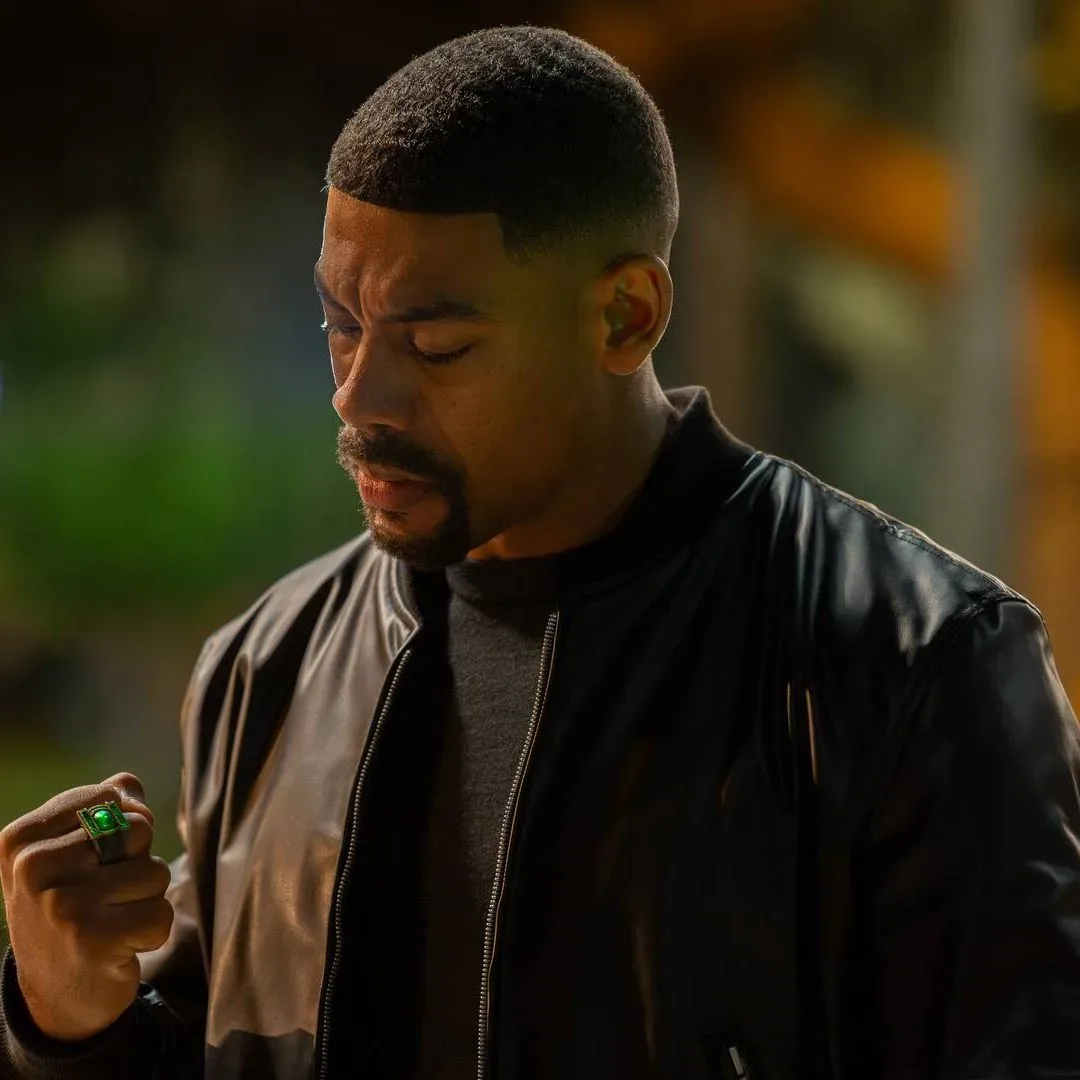
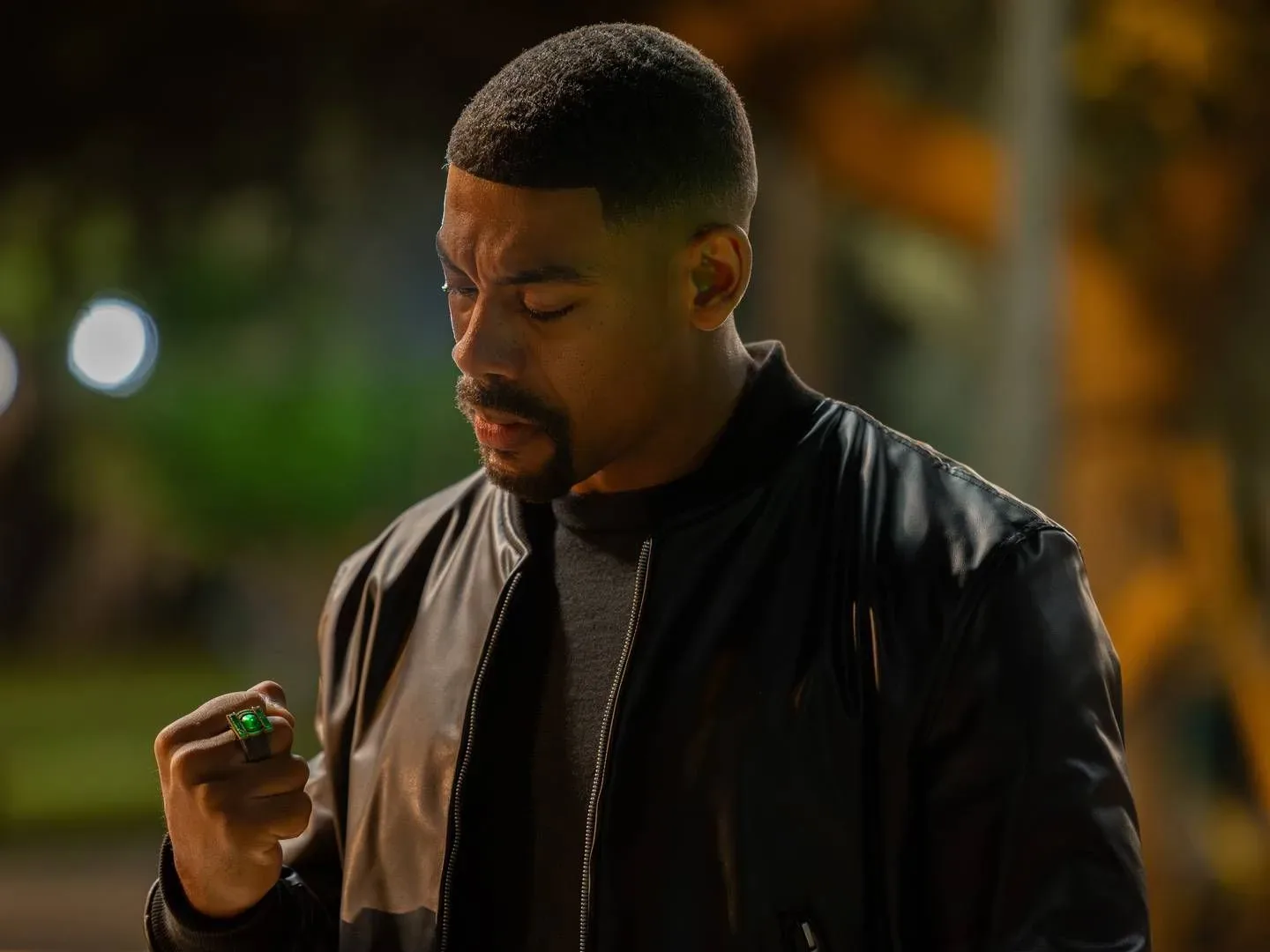
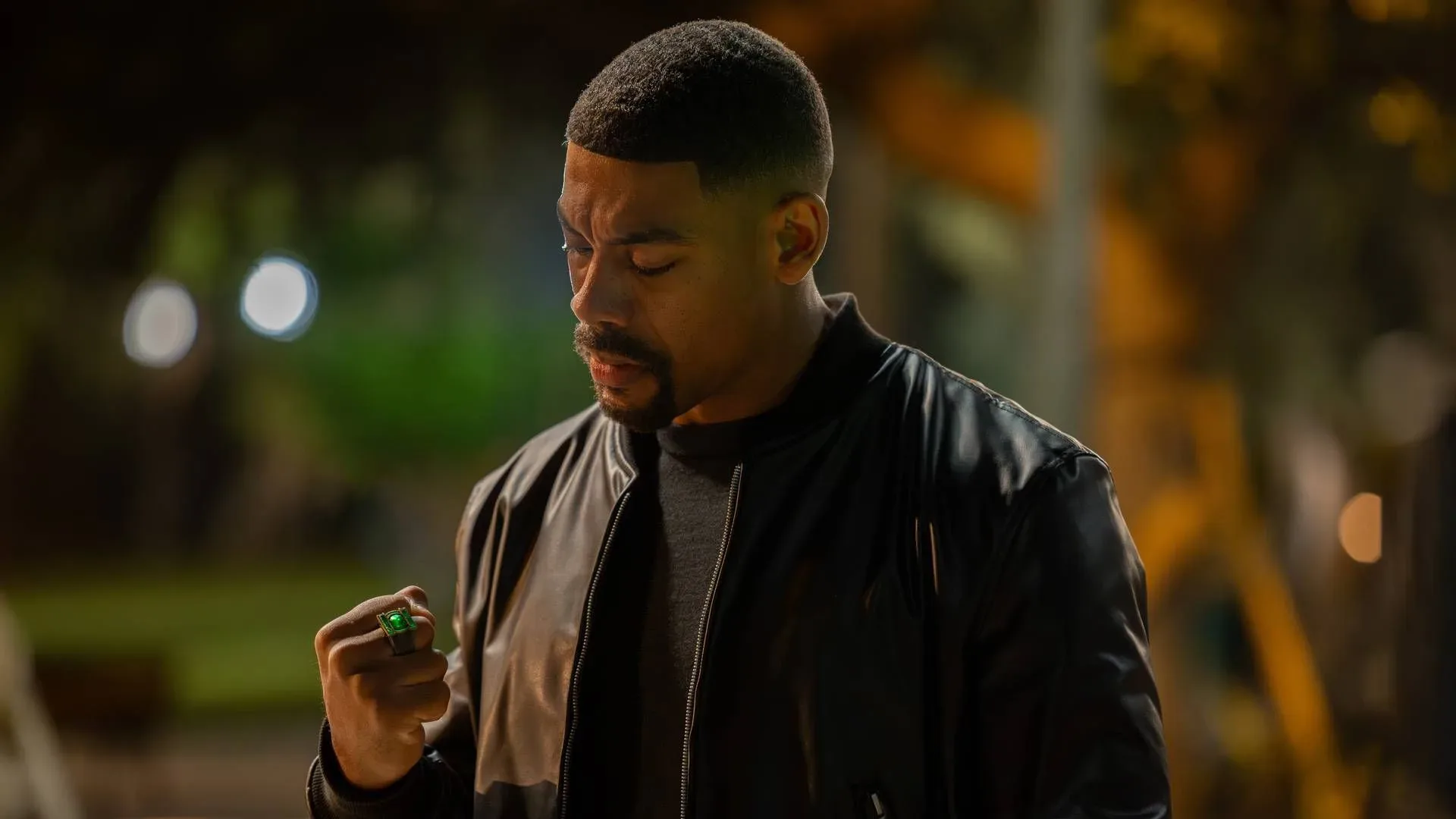
At the end of the first season, John is no longer operating as a member of the Lantern Corps. He is described as an “independent contractor,” and his relationship with the ring is consequently recast as something personal rather than institutional. When he takes up the ring on those terms, he speaks a version of the oath shaped around the journey the series has given him:
“In brightest day, in darkest night, I embrace my fear, I’ll do what’s right. I choose this ring, I choose this fight – in service to this lantern’s light.”
For more context, explore Anime Zero Codes: October 2026 Rewards, Level Requirements and How to Redeem Them.
The wording retains the cadence and several recognizable ideas of the familiar Green Lantern pledge, but pivots its emphasis toward agency. “I embrace my fear” and “I choose” place John’s individual decision-making at the center. That distinction matters because the season’s endpoint does not present him simply as another recruit accepting a predefined role in the Corps.
A deliberate risk around established lore
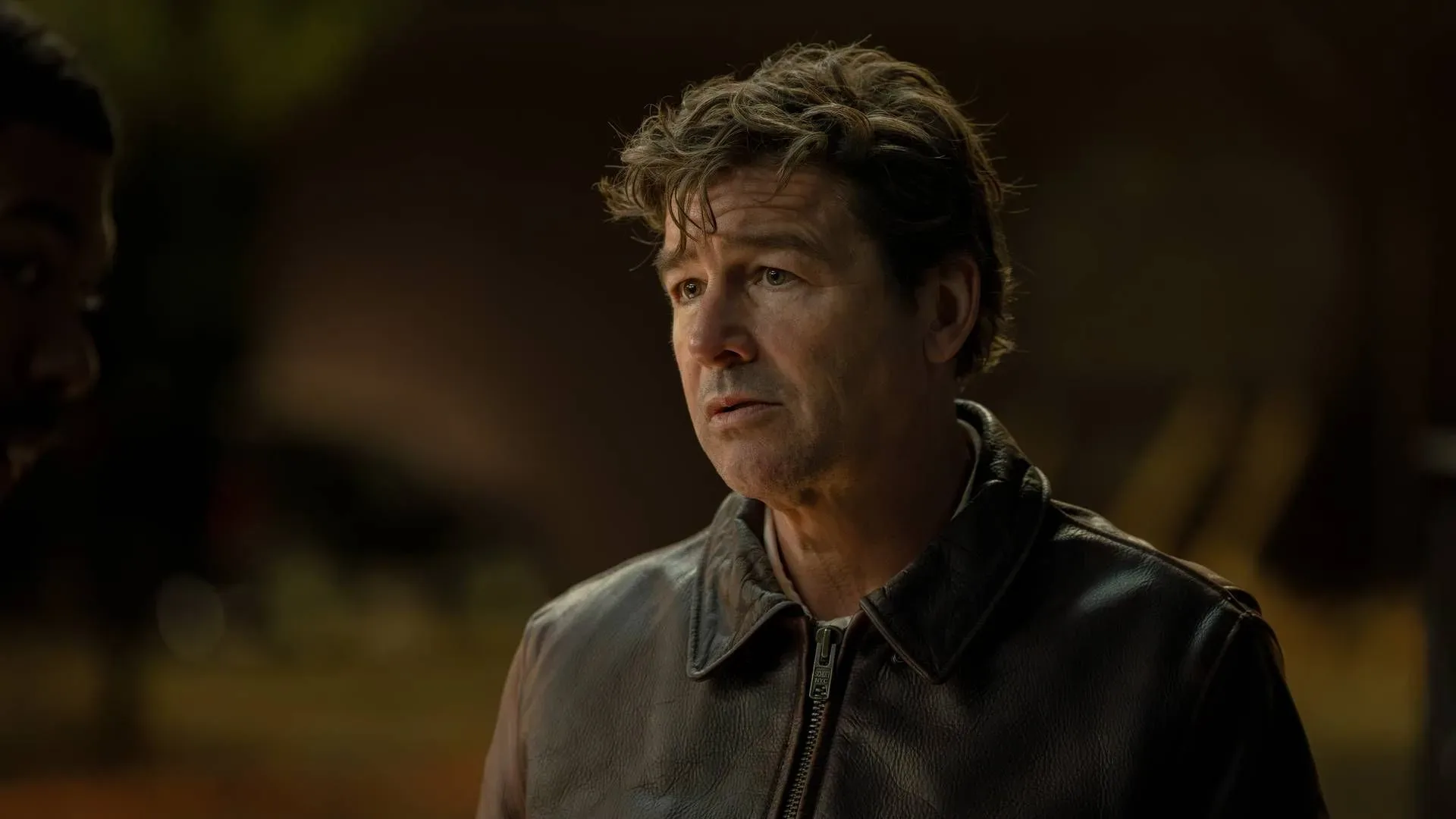
Co-creator Damon Lindelof described changing the oath as getting very close to “the flame of canon,” while acknowledging that altering it could be viewed as heresy. In franchise storytelling, canon means the established body of official story and character material that audiences recognize as the continuity’s foundation. An oath is a particularly sensitive piece of canon because it is repeated, easily remembered and closely attached to the Green Lantern identity.
The creative team’s stated goal was not to discard that foundation. Lindelof explained that John’s story made it necessary for him to take the ring on his own terms. The original oath still contains elements that resonate with the character, but the revised version lets him claim the parts he needs for himself.
That is an important framing. A wholesale replacement would suggest the old oath no longer applies. John’s version instead works as a response to it: recognizable enough to carry its history, but altered enough to reflect the fact that this John is not joining the Corps in the expected way. The choice turns a lore landmark into a dramatic expression of where he stands at the end of season 1.
Showrunner Chris Mundy used the term “remix” to describe the process. The comparison is useful because a remix keeps identifiable components of an earlier work while rearranging emphasis, structure or tone. Here, the familiar opening contrast of bright day and dark night remains, as does the commitment to doing what is right. But the added language about fear, choice and serving the specific lantern shifts the statement from a universal organizational pledge to John’s own declaration.
Why the new words matter for John Stewart
The phrase “I embrace my fear” is arguably the most revealing alteration in the entire passage. Fear is not treated as something absent or defeated before John can act. Instead, it is acknowledged and accepted. That makes the oath less about presenting an untroubled ideal and more about deciding to proceed despite an emotional burden.
“I choose this ring” and “I choose this fight” build on that same principle. The repetition is not merely rhythmic. It makes choice explicit twice, connecting the power John wields with the responsibility he accepts. For a character positioned outside the Lantern Corps, that language separates an individual commitment from obedience to an institution.
The final line, “in service to this lantern’s light,” also narrows the focus. Rather than defining service through membership in a larger body, it roots John’s mission in the light of the lantern he has personally chosen to carry. The change does not erase the broader mythology surrounding Green Lanterns, but it establishes a different lens through which this character enters it.
That makes the moment more than an Easter egg for viewers who know the traditional words. It supplies a compact summary of John’s season-long position: he is connected to the legacy, yet he has not accepted it unchanged. His oath is both familiar and newly claimed.
The writers’ room treated the wording as a shared decision
The revision was not presented as a spontaneous flourish. The writers’ room collectively contributed to the tweaks, reflecting an awareness that the oath carries unusual weight. That collaborative approach makes sense for a line that has to satisfy two demands simultaneously: it must function inside one character’s story, and it must withstand scrutiny from viewers for whom the older version is inseparable from Green Lantern.
There is no indication that the team considers the established oath disposable. Quite the opposite: the concern surrounding the change is evidence of its importance. Mundy’s insistence that the series is remixing rather than changing the original speaks to a balancing act common to long-running comic-book worlds. Creators need enough flexibility to give a particular adaptation its own emotional logic, while also preserving the features that make the property identifiable.
In this case, the compromise is audible. The language keeps a ceremonial quality, starts with the familiar day-and-night structure, and ends in service to light. Yet its most pointed phrases are about John’s fear and his decisions. The old framework remains present; the character’s experience supplies the new center.
From eight hours of television to the DCU film world
John’s revised oath will not remain confined to the television series. The next time audiences are expected to hear him recite it is in Man of Tomorrow, the Superman sequel scheduled for next July as part of DCU Chapter One.
That planned appearance gives the ending of Lanterns an additional function. It is not only a season finale beat; it establishes the version of John Stewart who will continue into a larger cinematic setting. The oath is therefore a piece of character continuity as well as a defining scene. Anyone meeting John in the next film may encounter a Green Lantern whose central self-definition has already been established across television.
Aaron Pierre has emphasized the value of that extended preparation. He described having eight hours of HBO television in which to live with John before moving into Man of Tomorrow as an enormous gift. He also said that Chris Mundy told him he filmed for 106 of the production’s 112 days, an amount of time Pierre characterized as unusually valuable for developing a character before entering the broader DC cinematic universe.
That production experience does not reveal plot details from the Superman sequel, but it does clarify why the transition may carry more internal continuity than a brief introductory appearance could. Pierre said the work gave him a deep understanding of “who my man John is” when he arrived on the Man of Tomorrow set.
For viewers, the practical implication is straightforward: the television series is positioned as meaningful character groundwork rather than an isolated detour. John’s status as an independent contractor, his decision to claim the ring in his own way, and the personalized oath all form part of the version of him headed toward the film.
A small textual change with a large symbolic role
Comic-book adaptations often make their biggest changes through costumes, casting, powers or plot. Sometimes the sharper change is only a few words long. The revised oath works because it uses a well-known ritual to communicate a new relationship to power, fear and duty without losing the recognizable sound of Green Lantern.
Whether audiences prefer the classic wording or John Stewart’s version, the creative reasoning is clear: the series sees the altered oath as something earned by the character’s path, not as a replacement meant to invalidate an icon. Calling it a remix is not just a defense of changing established lore. It is the central idea behind the moment itself—John Stewart steps into a famous legacy, but he does so in his own voice.