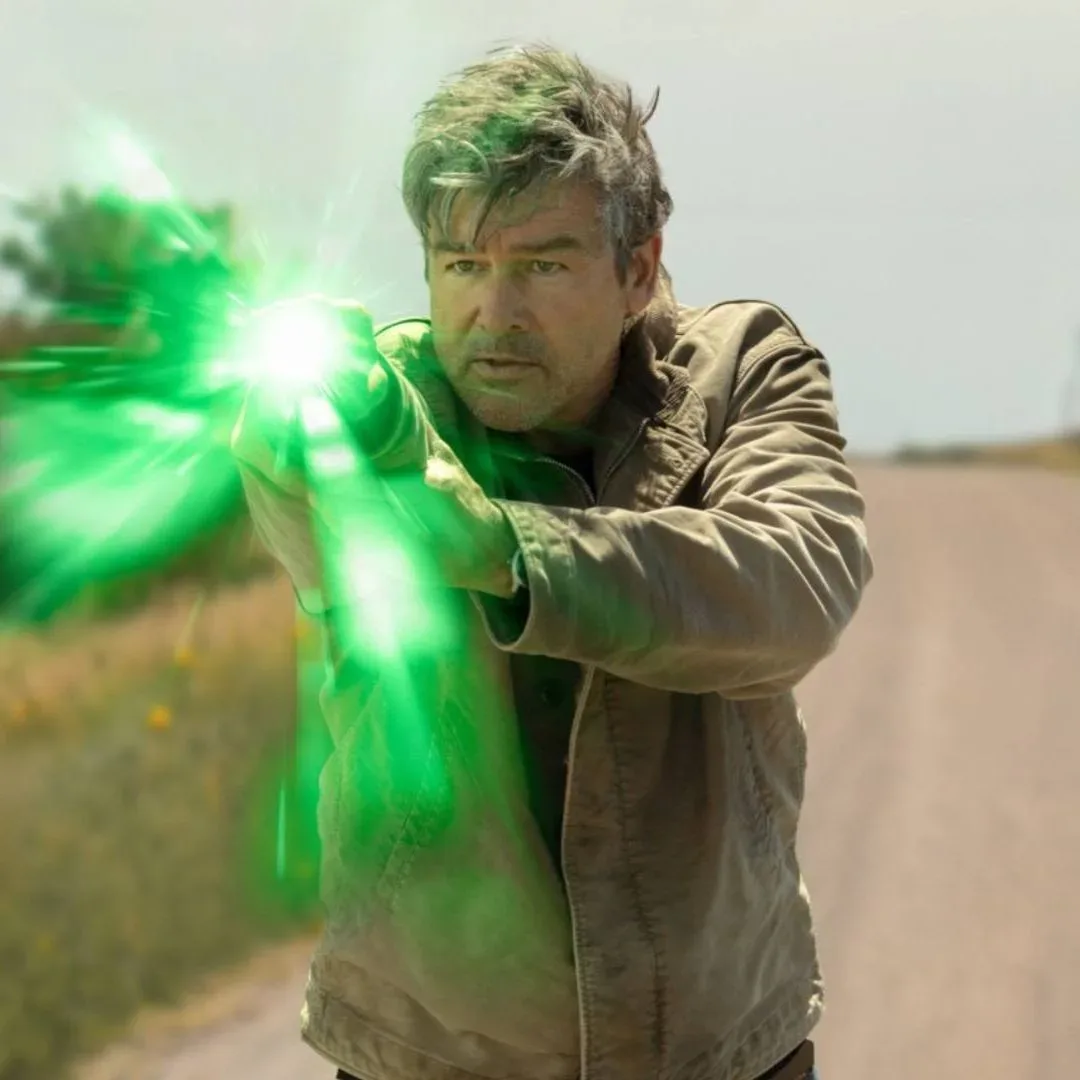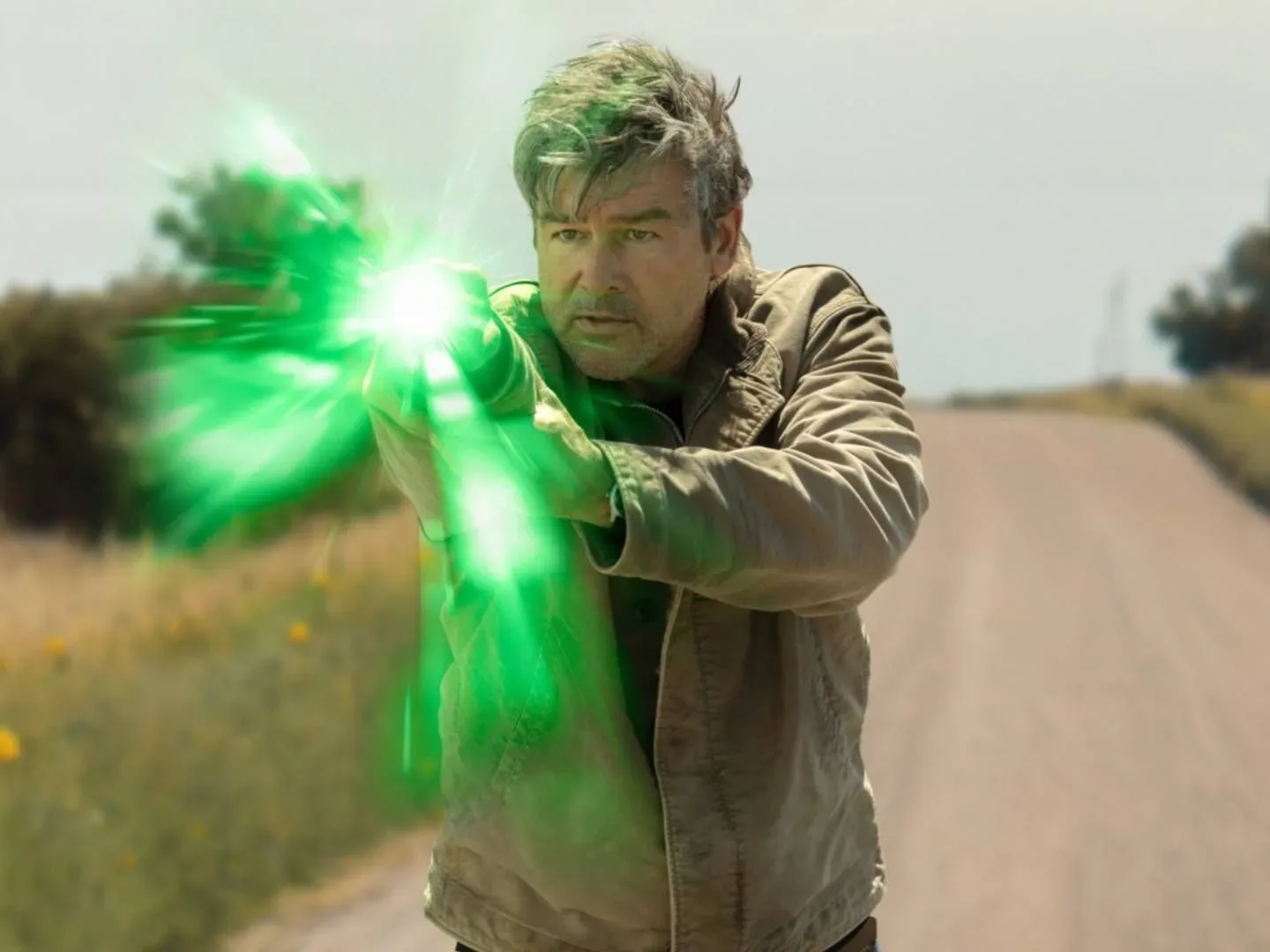
Lanterns has not been officially renewed for season 2. That remains the central fact beneath the growing discussion about where the DCU series could go next. Still, showrunner and writer Chris Mundy has offered a few meaningful indicators: the creative team has begun developing further stories, an eventual continuation would most likely remain Earth-based, and comic-book mainstay Kilowog has been among the Green Lantern characters discussed by the team.
Those points are intriguing, but they are not an announcement, a production confirmation, or proof that any particular character will appear. For viewers coming off the season 1 finale, the most useful way to read the comments is as an outline of creative interest rather than a locked plan. The next season has not been ordered publicly, its setting has not been formally revealed, and Kilowog has not been confirmed for the screen.
What is actually known about Lanterns season 2
Mundy said that the writers have started working on new stories despite the absence of an official season 2 announcement. He also suggested that a continuation would likely be an Earth-based story. That wording matters: “most likely” leaves room for development to change, while an Earth setting does not mean the show would abandon the larger cosmic side of Green Lantern mythology.
In fact, the series has already established that it can move beyond the planet, and it has introduced Sinestro. Mundy’s explanation suggests that the intended balance is to make the people and conflicts on Earth feel tangible first, then build outward with increasingly expansive DCU ideas. In practical storytelling terms, that approach could allow the show to retain a grounded investigative or character-driven center even when its mythology involves alien Lanterns, interstellar sectors, and powers that extend far beyond Earth.
The broad creative direction, as described by Mundy, is to establish a grounded foundation and then add the more fantastical layers gradually.
That should not be mistaken for a promise that every future episode would stay on Earth, nor does it identify a new location or villain. It does, however, make a return to the season 1 setting of Rushville sound unlikely. Mundy said the show would not head back there unless something extraordinary happened in the town on a roughly decade-long basis. The remark reads less like a hard rule than a sign that the series does not want to treat one location as its permanent headquarters.
Kilowog has been discussed, not confirmed
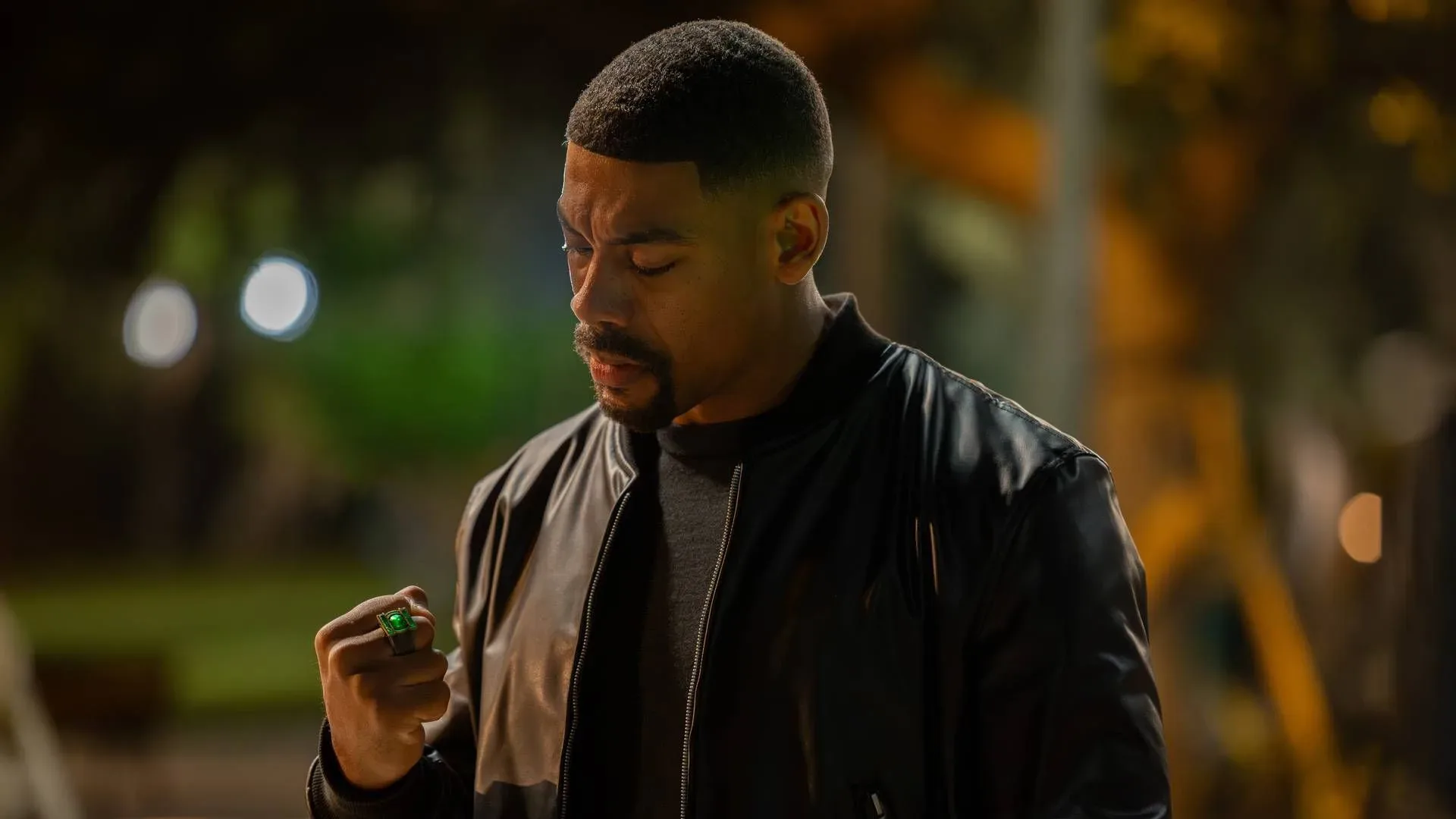
The most attention-grabbing tease concerns Kilowog. When asked which other Green Lanterns might join Aaron Pierre’s John Stewart, Mundy said producer and writer Vanessa Baden Kelly had been strongly advocating for Kilowog and that the team had considered many possibilities.
That is enough to establish Kilowog as a character being talked about creatively. It is not enough to say he is in season 2, that an actor has been cast, or that a script has assigned him a role. The distinction is worth keeping clear because conversations in a writers’ room can range from early wish lists to ideas that never reach production. A character can be appealing on paper without becoming part of a final season order—especially when that season has not yet been formally confirmed.
Baden Kelly’s involvement gives the tease a useful bit of context. She is a producer and writer on Lanterns, and wrote the third episode, “Outkast,” which has been a particular favorite among viewers. Her interest does not make Kilowog inevitable, but it does mean the idea comes from within the series’ creative team rather than being merely an outside fan request.
Why Kilowog would be a natural fit for John Stewart
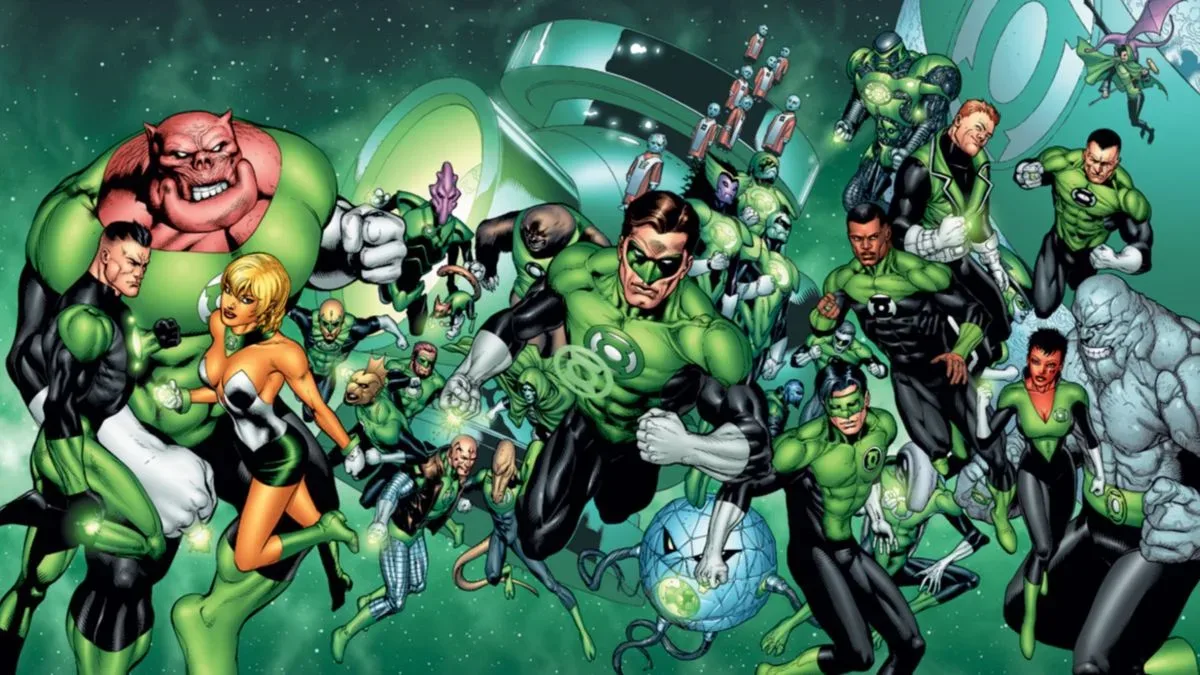
Kilowog debuted in DC Comics in 1986. He is a bulky, pink-skinned alien from Bolovax Vik who serves as the Green Lantern responsible for Sector 674. Within the Corps, he is closely associated with recruiting and training new Lanterns. He is also a friend of John Stewart in the comics.
Those details make him an especially understandable name to raise when a show is centered on Stewart. A mentor or trainer figure can efficiently explain the rules, expectations, and culture of a large organization without turning an episode into a wall of exposition. Exposition is storytelling information supplied to help an audience understand the setting, history, or stakes. Used well, a character such as Kilowog could communicate Corps values through dialogue and conflict rather than through detached explanation.
There is also a character reason beyond logistics. A veteran trainer could challenge Stewart’s judgment, expectations, or place within the Corps. That is analysis based on Kilowog’s comic role, not a claim about a future plot. No specific relationship, mission, conflict, or story beat involving Kilowog has been revealed for the television series.
For a show aiming to keep its human side grounded while broadening its cosmic vocabulary, Kilowog could theoretically bridge the two. He is unmistakably alien and deeply tied to the wider Lantern Corps, but his training function is personal and direct. Whether the series chooses him, another Lantern, or none at all remains unknown.
Hal Jordan’s apparent departure creates space, but not answers
Questions about potential new Lanterns have intensified because Hal Jordan now appears to be gone for good following the season finale. That apparent exit naturally changes the shape of speculation around John Stewart’s next partner, opponent, mentor, or fellow Corps member.
Yet “seemingly gone” is deliberately less certain than a formal confirmation of a permanent departure. The available comments do not clarify whether the character’s status will be revisited, nor do they identify a replacement. It is reasonable for audiences to wonder who could stand alongside Stewart if the story continues, but it is too early to turn that question into a cast list.
The existing inclusion of Sinestro demonstrates that Lanterns is willing to introduce characters from beyond Earth. But one established off-world character does not guarantee that Kilowog or any other Lantern will be next. It only supports the narrower conclusion that the series’ Earth-first approach is compatible with elements of the larger DC universe.
Earth-based does not mean small-scale
“Earth-based” can be easy to misread as a limitation. In this case, Mundy’s comments point more toward a storytelling priority than a strict boundary. The show has already shown it can leave Earth. The stated goal is to ensure that the characters who are present feel grounded and real before adding more layers of mythology.
That approach can be especially useful for Green Lantern material, where the premise contains a lot of technical and conceptual language. The Lantern Corps is the interstellar organization to which Green Lanterns belong; a sector is the region of space assigned to a Lantern’s protection. Kilowog’s Sector 674 responsibility is one example of that larger structure. Those ideas can be exciting, but a series does not have to explain all of them at once to make them meaningful.
By prioritizing an Earth setting, a possible second season could put emotional consequences and recognizable environments at the center while treating extraterrestrial characters and mythology as pressure applied to that world. Again, that is an interpretation of the creative direction, not a synopsis. No season 2 premise, antagonist, episode count, release timetable, or production start has been announced.
How Lanterns fits into the wider DCU schedule
The broader DCU continues moving forward. The next projects identified for DCU Chapter One are Clayface, described as the DCU’s first horror film, followed by Man of Tomorrow. The latter will bring John Stewart together with Superman and other characters.
That confirms Stewart’s importance beyond the immediate series, but it does not settle Lanterns season 2. Shared-universe appearances can expand a character’s profile while a separate series waits for a renewal decision. Likewise, the fact that writers are developing stories is encouraging for viewers, but development is not the same as a commissioned season.
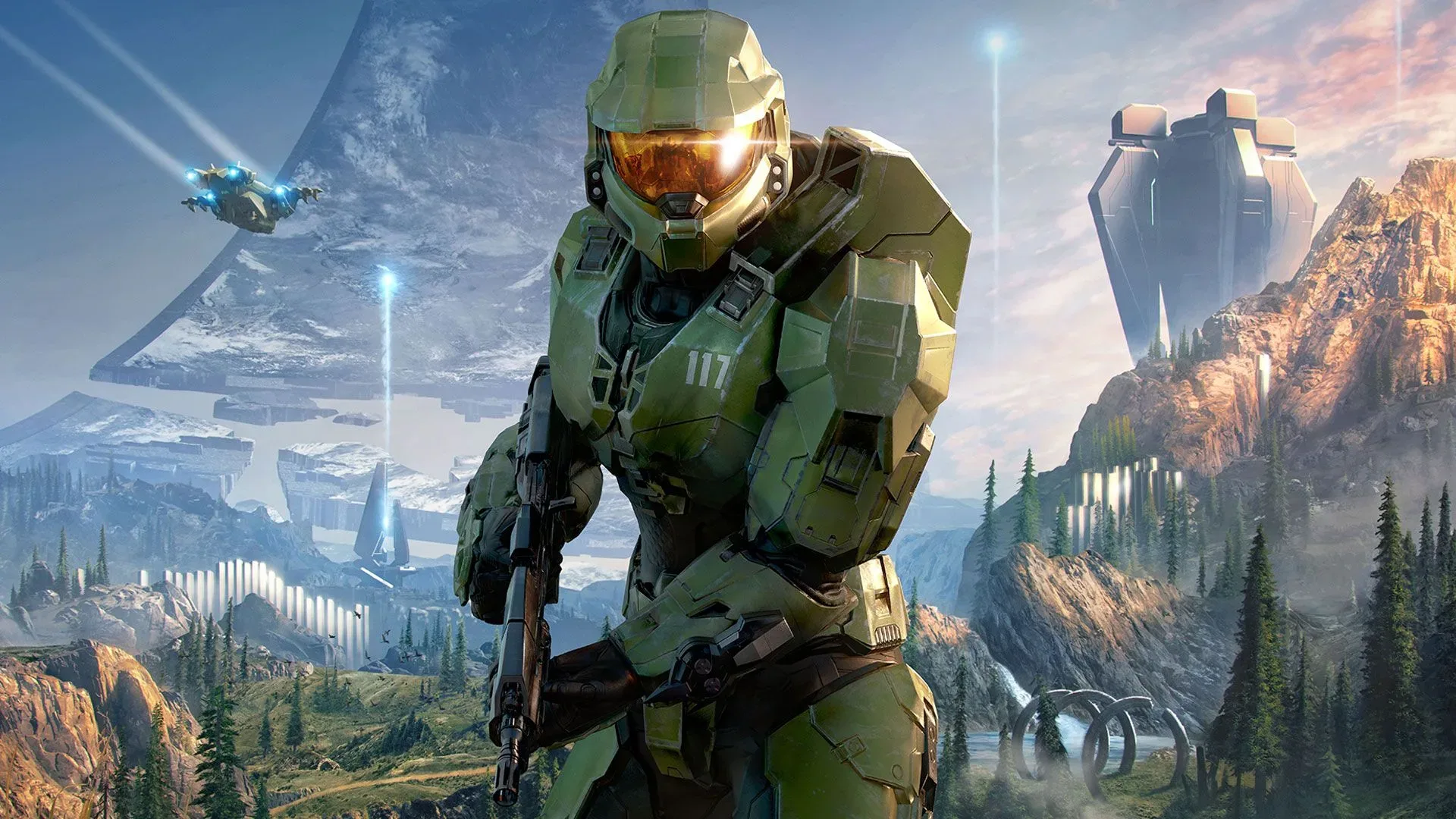
For a useful reminder of why that wording matters, entertainment coverage often has to separate intriguing creative material from an official green light, much as readers should distinguish suggestive details from confirmation in reports such as this look at Halo 7 concept art and what it can—and cannot—establish.
What viewers should watch for next
Until HBO makes a formal decision, the dependable status is straightforward: season 1 is streaming in full on HBO Max; a second season has not been officially announced; and the people making the show are considering further stories. Kilowog is a notable possibility because he has been raised by name, but there is no confirmed appearance to report.
For now, the clearest creative signal is tone and structure rather than plot. If Lanterns returns, Mundy’s comments suggest an Earth-rooted continuation that remains willing to incorporate the Corps’ off-world mythology in measured layers. That leaves room for John Stewart, Sinestro, and perhaps Kilowog to coexist without treating a cosmic setting as a substitute for character stakes.