Lanterns has not been renewed for a second season. That remains the essential detail despite the show’s strong first run and an ending designed to matter beyond its own eight episodes. DC Studios co-chief Peter Safran has indicated that an answer on Season 2 should arrive before the end of the year, but he has attached a major creative condition: the team must first find a story it considers a worthy follow-up to Season 1.
That distinction matters. This is not a straightforward case of a popular series automatically receiving another batch of episodes. The public position is that the writers’ room has to produce a continuation that meets the standard established by the debut. In other words, the decision is being framed around whether there is a compelling next chapter, not simply whether there is room on a release calendar.
What has been said about a possible second season
Safran did not give a precise date for the decision, nor did he confirm that a renewal is imminent. He did, however, set a broad expectation that news should come before the year is over.
“If we’re able to come up with what we believe to be a worthy successor to a beloved and great first season, that’s what’s going to dictate whether there’s a second season,” Safran said.
The wording leaves two outcomes genuinely open. A second season could be approved if the creative team lands on the right premise and execution. Alternatively, the show could remain a one-season story if that threshold is not met. Fans should therefore treat the year-end window as an expected update, not as a promised renewal date.
“Worthy successor” is also more specific than the usual broad praise that follows a successful season. It suggests the decision-makers are assessing the material as a continuation with its own reason to exist. For a serialized show, that means the next season would need more than recognizable characters, unresolved mythology, or audience demand. It would need a story capable of standing beside the first season rather than simply extending it.
Why the creative question is especially important after the finale
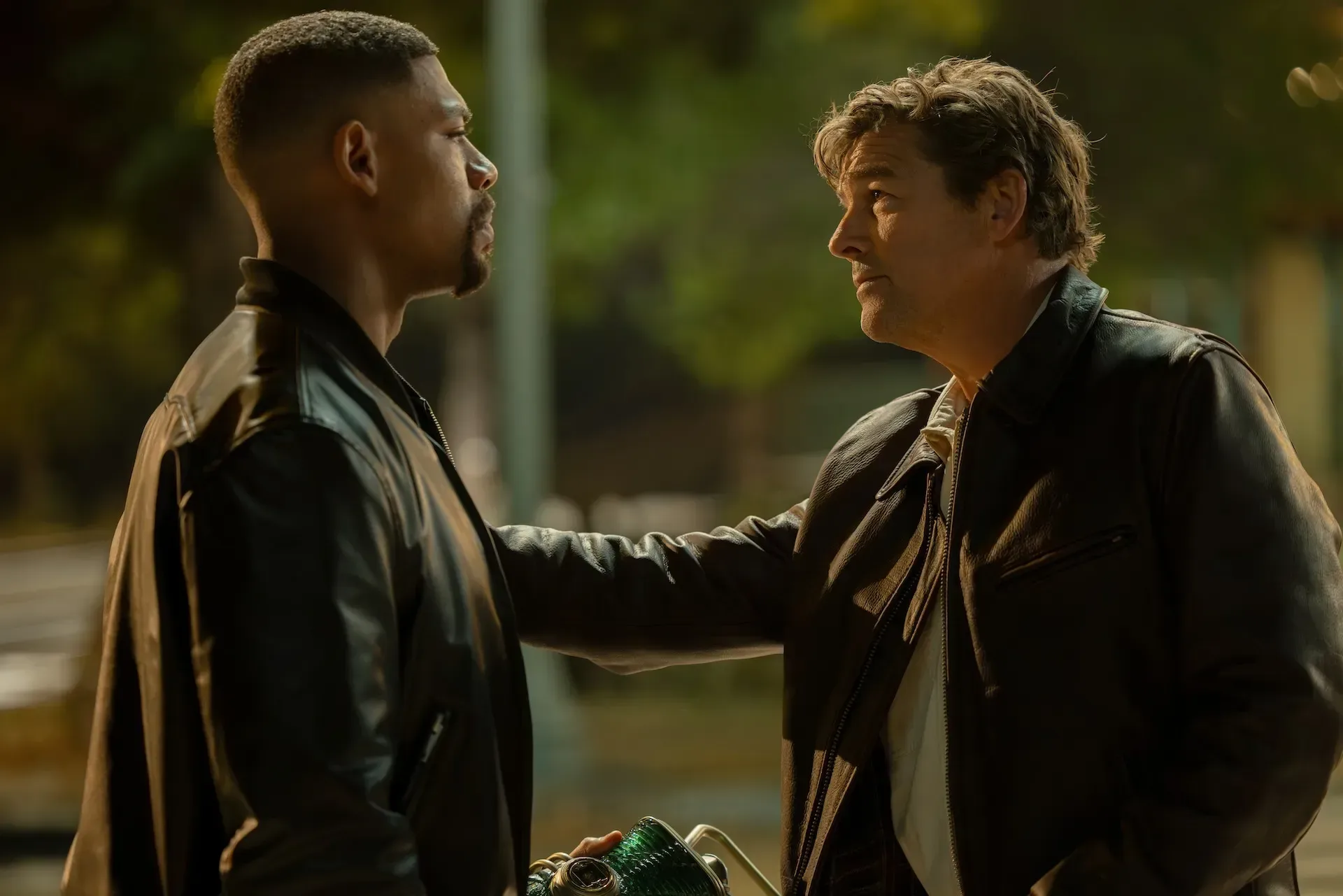
Lanterns ended its eight-episode first season on Oct. 4 by resolving its central murder mystery: the question of who killed Hal Jordan, played by Kyle Chandler. The finale also revealed the identity of the second Manhunter and established how John Stewart, played by Aaron Pierre, becomes Earth’s sole Green Lantern in the forthcoming Superman sequel, Man of Tomorrow.
Spoiler context aside, that is a substantial amount of plot movement for a season finale. The show did not merely stop in the middle of its primary mystery. It supplied answers while placing John Stewart in a new status quo that connects to a future DC Studios film. That is likely why the question of what comes next carries weight: a potential Season 2 would have to build on an ending that both concludes a major arc and redirects a key character into a wider continuity.
Related coverage includes Lanterns Season 2 Decision Expected Before Year’s End.
In TV terms, a season-long mystery is a story engine that creates forward momentum through an unanswered question, with episodes adding clues, complications, and reversals before a resolution. Season 1’s mystery was Hal Jordan’s death. Once that question is answered, a second season cannot simply replay the same structure without risking repetition. The writers would need a fresh conflict that gives John Stewart’s new position and the Manhunter developments a meaningful dramatic purpose.
That does not mean Season 2 would have to abandon the show’s existing elements. A sequel season can return to consequences left by a finale, deepen the stakes around a revelation, or shift emphasis to characters whose circumstances have changed. The stated standard, however, implies that any such approach must feel like an advancement rather than a rerun.
What the viewership figures tell us—and what they do not
The available audience numbers support the description of Season 1 as a success. Before the finale, the seventh episode reached 7 million viewers in the United States during its first three days of availability. Earlier episodes were averaging more than 12 million U.S. viewers apiece to that point, rising to nearly 19 million per episode once international viewing was included.
Those figures are useful evidence of broad attention, but they should not be read as a full explanation of a renewal decision. The reported totals describe audience reach; they do not disclose the internal creative plans, production considerations, budget, scheduling, or the direction of the writers’ work. Safran’s comments specifically identify the quality of a potential successor as the deciding factor.
It is also worth separating the two measurements in the available data. The 7 million figure concerns Episode 7’s first three days in the U.S. The averages describe a wider per-episode picture to date, with the international number incorporating viewers outside the U.S. They are related indicators of performance, but they are not identical measurements and should not be combined or treated as the same statistic.
A return to the conversation for Green Lantern
Safran described the return of the Green Lantern property to the cultural conversation as the most rewarding aspect of the first season’s response. Lanterns is adapted from DC Comics’ Green Lantern franchise, centered on an intergalactic police force.
That broader visibility is significant even before a Season 2 decision arrives. A show can have an impact beyond its immediate episode count by reintroducing a character group and its concepts to a large audience. Here, the Season 1 finale also gives that renewed attention a direct path toward Man of Tomorrow, through John Stewart’s role as Earth’s sole Green Lantern.
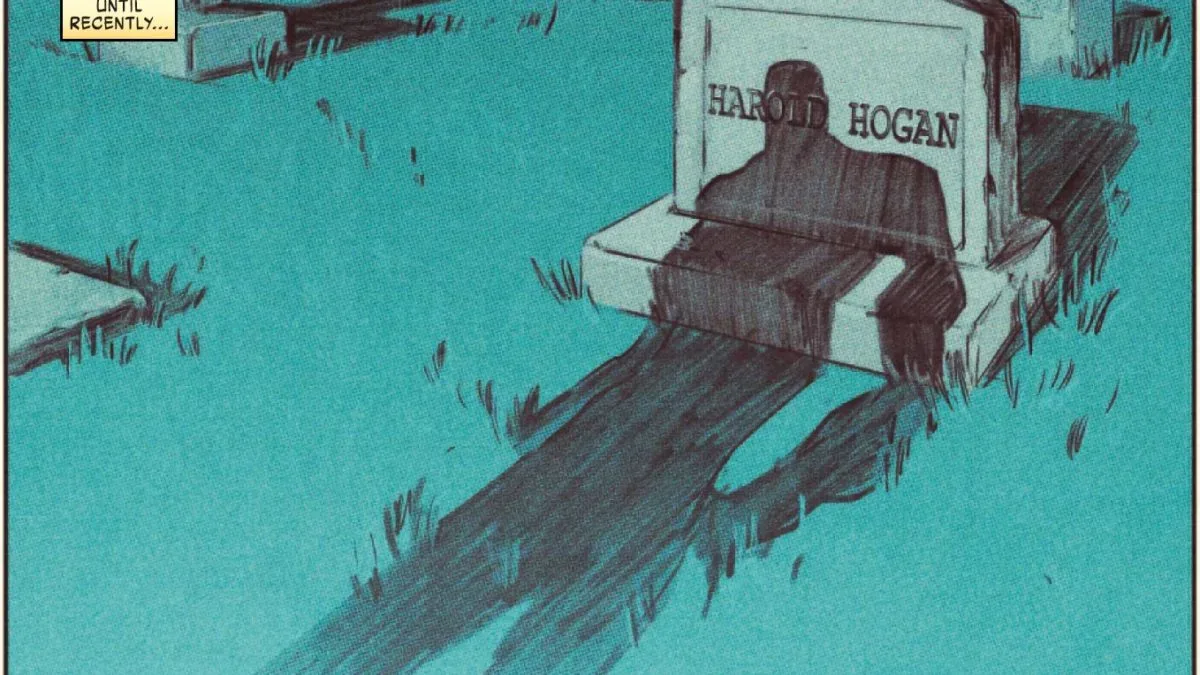
For readers interested in another current DC character story, Happy Hogan’s return in Iron Man #10 explores a separate superhero-comics mystery and the old wounds it brings back for Tony Stark.
What viewers can reasonably expect next
The clearest next milestone is a decision before year’s end. Until then, there is no confirmed Season 2, no announced premiere timetable, and no stated episode count for a continuation. The future of the series is contingent on the writers developing material DC Studios believes can match the first season’s standard.
That cautious approach may be frustrating for viewers who want a quick answer after the finale’s revelations. But it is also a more useful signal than a vague promise. The creative team appears to be evaluating whether the next installment earns its place, especially after Season 1 wrapped its central case and positioned John Stewart for a larger screen role.
For now, Lanterns sits in an in-between state: its first season has completed its eight-episode story, its audience figures point to significant interest, and its final episode has already fed into the setup for Man of Tomorrow. Whether it becomes an ongoing series will depend on the yet-to-be-revealed story that follows.