Lanterns may not have an official second-season order yet, but work on its possible future is already underway. The first season has now concluded, and co-creator Damon Lindelof has indicated that another group of writers is developing ideas for Season 2. That is meaningful movement for the DC series, even if it is not the same thing as a formal renewal from HBO.
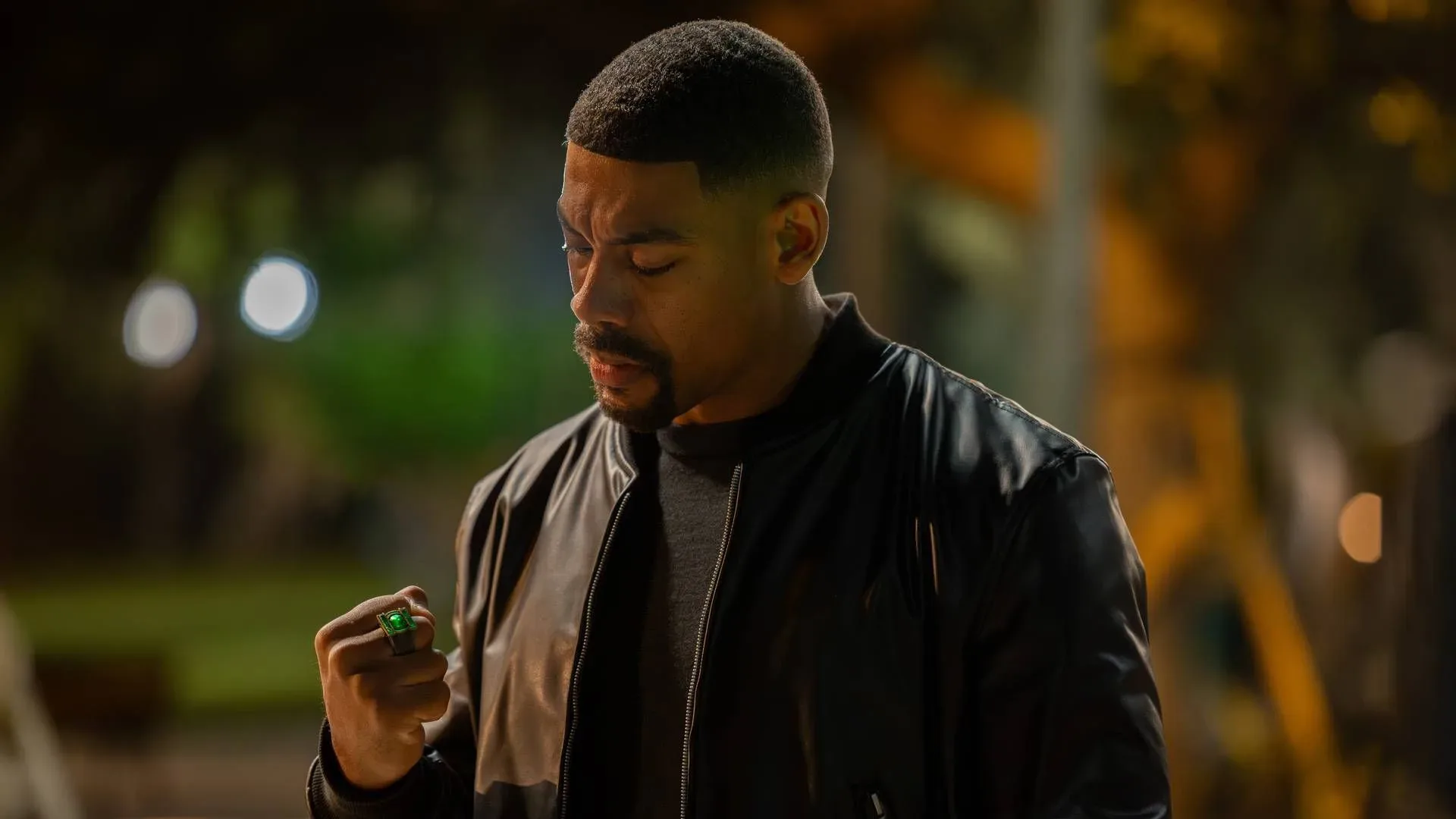
The distinction matters. A writers’ room exploring potential stories means the creative side is preparing options; an official renewal is the network commitment that turns those options into a production plan. At present, the former is happening and the latter has not been announced. For viewers invested in Aaron Pierre’s John Stewart, that makes the show’s next move promising but unresolved.
It also means the first season’s ending should be read as an opening rather than a guarantee. The story reportedly leaves John with a broad range of possible directions, and the larger DC screen slate gives the character another obvious route beyond the series itself. Pierre is set to appear in Man of Tomorrow, James Gunn’s upcoming Superman sequel, alongside Nathan Fillion’s Guy Gardner.
That connection does not confirm a second season, nor does it reveal what role John will play in the film. It does, however, establish that the character is expected to remain part of the wider DC universe. A possible continuation of Lanterns would therefore not be trying to revive a closed-off story in isolation; it could follow a character with a confirmed upcoming screen appearance.
Season 2 planning is not an official order
Lindelof is leaving the project as the show looks toward its prospective next chapter. He has said writers are already in the idea-development stage for Season 2, but HBO has yet to publicly say that the show has been renewed.
That uncertainty is worth keeping front and center amid the usual superhero-franchise urge to treat every narrative thread as a contract. The series has concluded its first season in a comparatively tidy fashion, and a creative team is considering where to go next. Neither detail establishes a release date, production schedule, returning cast list, or an order for more episodes.
There is also a larger business question around DC-related projects. Warner Bros. is in the middle of a corporate takeover, an ongoing situation that creates uncertainty about future plans. Elsewhere, another DC television series, The Penguin, remains without a settled next step despite a successful first season. The Batman: Part II, meanwhile, is targeting a 2028 release. Those projects do not determine Lanterns’ fate, but they illustrate why even a creatively active series should not be treated as officially locked in before the network says so.
For the time being, the most accurate description is simple: Lanterns Season 2 is being discussed creatively, but it has not been formally announced.
John Stewart has a wider DCU path ahead
Pierre’s planned appearance in Man of Tomorrow gives John Stewart a notable point of continuity. Guy Gardner, played by Fillion, is also due to appear, creating a clear Green Lantern presence in the next Superman film.
The practical implication is not that the movie must set up the next season, or that a future season must directly follow the movie. No such story details have been confirmed. Rather, it means John’s next on-screen appearance is known even while the television series itself awaits an official decision. That is a useful bit of stability for a character whose show is otherwise at a transition point.
It may also make the next writers’ task more complicated in an interesting way. They would need to develop a compelling forward story for John while working in a shared setting where his movie activity exists. Shared-universe storytelling can mean connections, references, or simply the requirement that character developments do not clash. Which approach Lanterns would take is unknown, but the possibility of coordination is inherent in the setup.
Readers following other DC projects can also see how this fits into a broader period of moving pieces. The uncertainty around Lanterns’ finale language is separate from a formal network decision, and that gap remains the key point to watch.
Hal Jordan’s absence does not have to be permanent
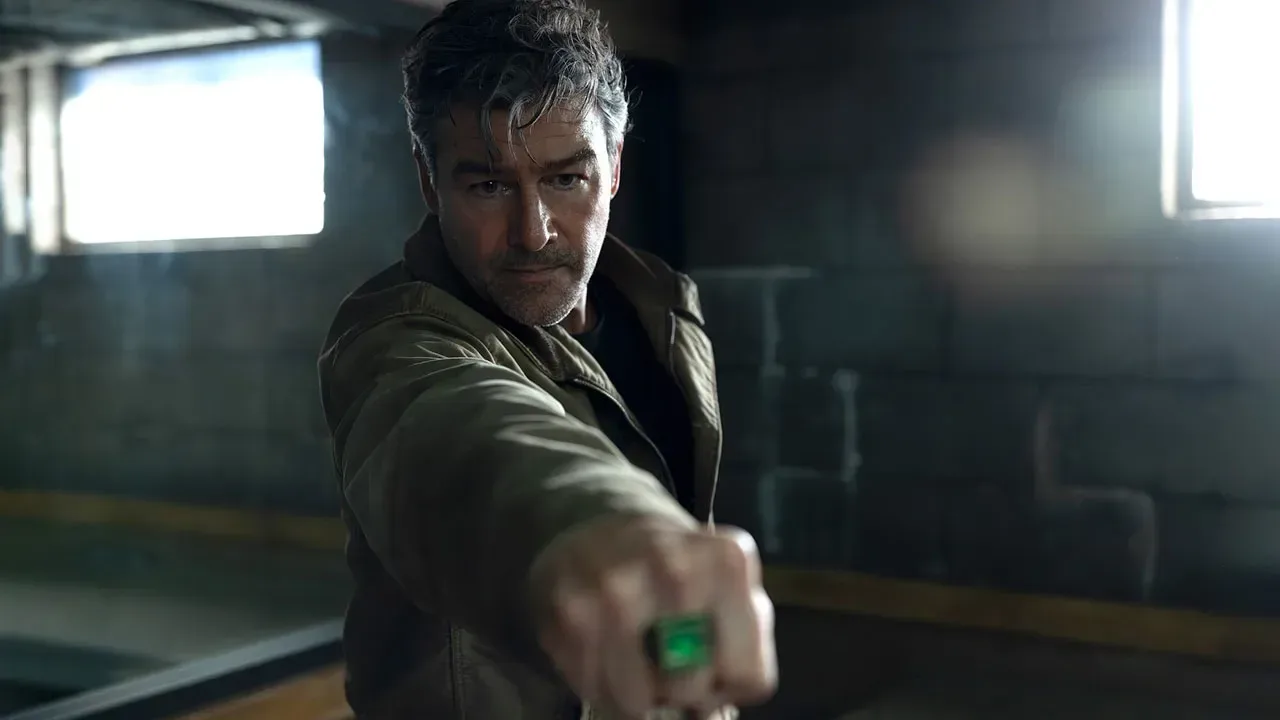
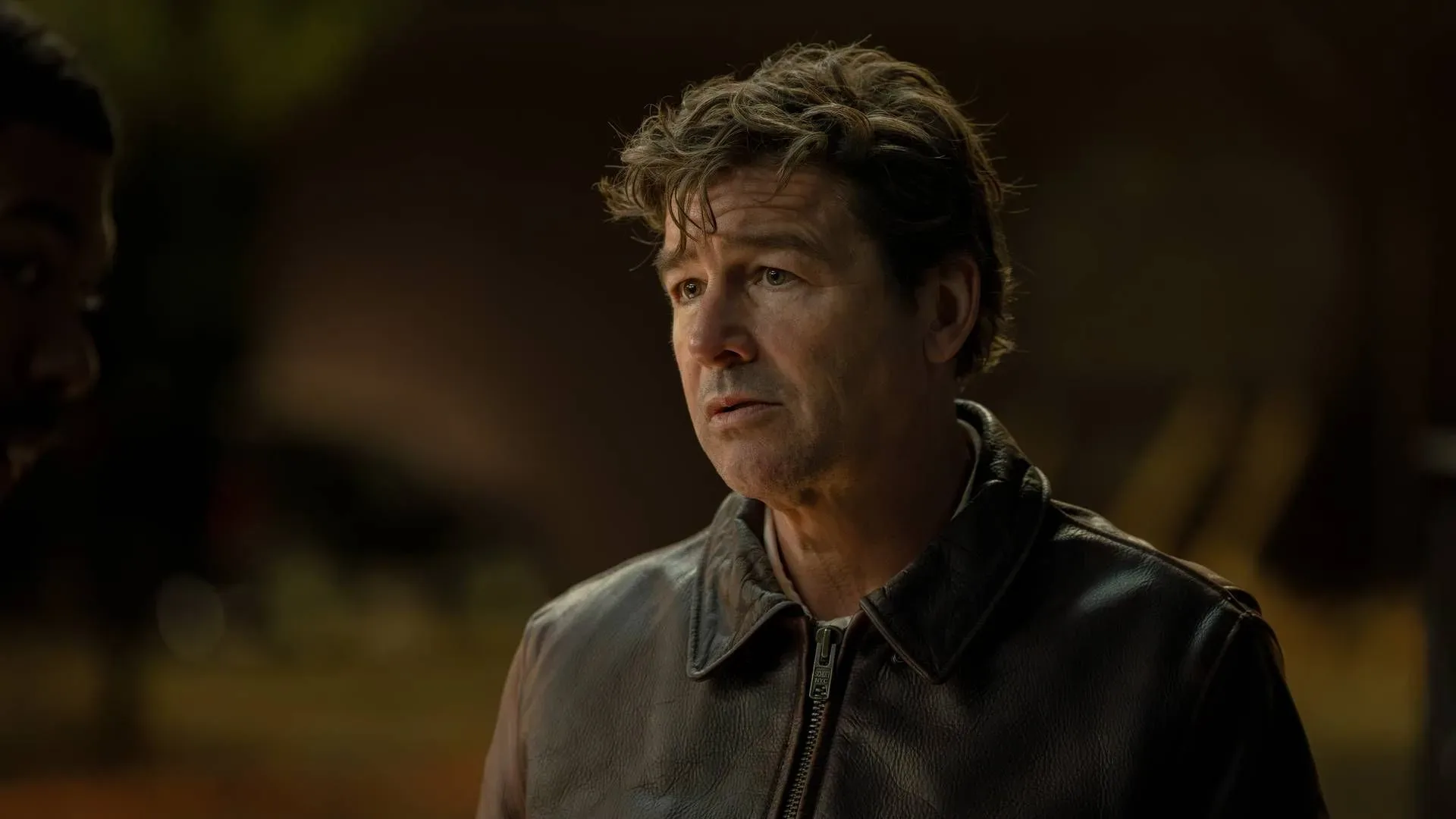
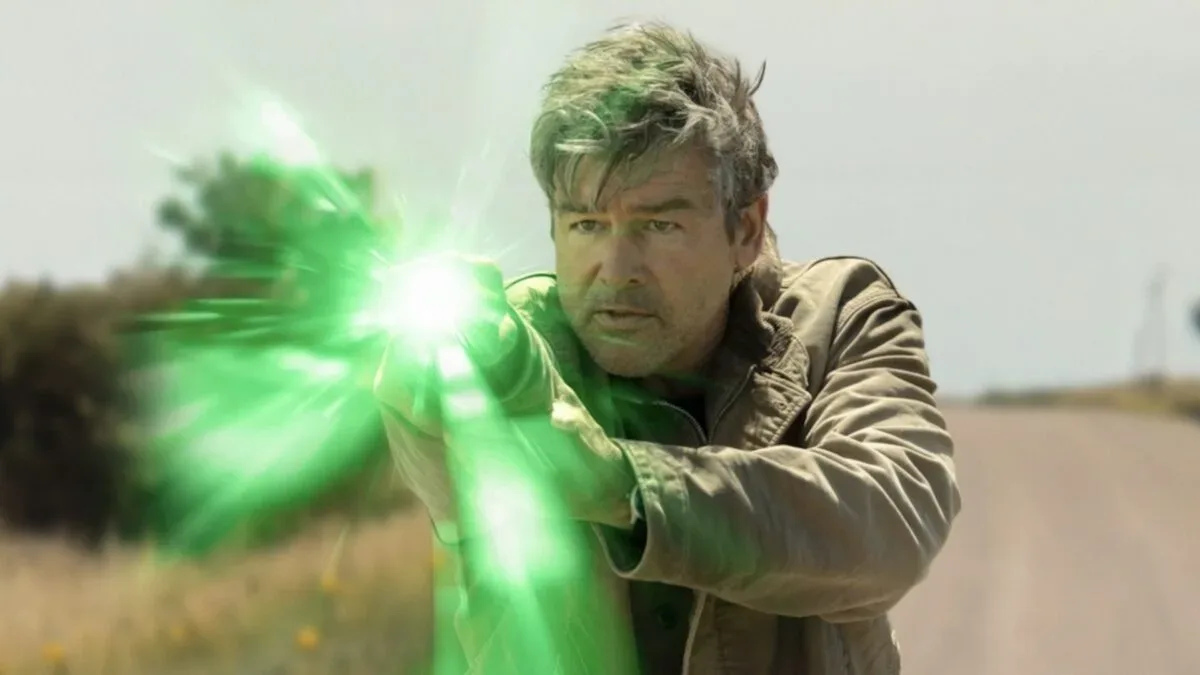
The other big question hanging over a possible second season is Hal Jordan. Kyle Chandler’s character has substantial comic-book precedent for returning even after seemingly definitive turns, and Lindelof has emphasized that he does not want to limit the choices available to the writers who might inherit the show.
That flexibility comes from two broad areas of Green Lantern storytelling referenced by Lindelof. First, Hal has died and returned multiple times across comic-book continuity. Comic continuity is a term for the ongoing body of stories that a publisher generally treats as part of a character’s history. It can be sprawling, revised, and full of extraordinary reversals, especially for long-running superhero characters. The relevant takeaway is not a promise that the television series will copy any one resurrection plot; it is that Hal’s printed history offers more than one precedent for a return.
Second is Parallax, an evil cosmic force associated with a storyline in which Hal is possessed. Possession, in this context, means a character’s actions or identity are influenced or overtaken by an outside entity. That concept could offer a way to revisit Hal without pretending that nothing happened, depending on what a future creative team decides. Again, it is a possible storytelling mechanism, not a confirmed plan.
Lindelof’s position is appropriately open-ended: future writers should not be boxed in. His comments celebrate Chandler’s work in making Hal a character audiences connected with while stopping short of prescribing how—or even whether—the character returns.
That restraint is especially sensible because the series already has a device that keeps Hal present in a less literal form. He has continued speaking as a projection from John’s subconscious. A subconscious projection is not necessarily the same as a physically returned person. It is a manifestation of John’s inner mind: a version of Hal that can function in the narrative while raising questions about memory, influence, grief, guilt, judgment, or the reliability of what John perceives.
The projection creates a middle ground
The subconscious-Hal setup may be the most immediately useful tool available to a future season. It permits Chandler’s performance to remain part of the show’s texture without requiring the writers to settle every question about Hal’s status at once. It could also make a later literal return more consequential, because viewers and John would have to distinguish between the Hal he has been hearing and the Hal who may, or may not, return.
There is an important caveat: this is analysis of the narrative possibilities established by the available information, not evidence of a chosen plot. The show has not announced that Hal will return physically, that Parallax will be used, or that the projection will continue in a second season. Lindelof’s reference to the character’s comic-book past amounts to permission for future writers to explore options, rather than a roadmap.
Still, it is a stronger position than many apparent exits leave behind. The series has a character embedded in the lead’s internal life, a comic-book mythology that includes death and return, and a possession-related concept that could reframe Hal’s situation. Any one of those could be used alone; they could also be left untouched in favor of a new John Stewart-focused story.
What is confirmed, and what remains speculation
- Confirmed: The first season of Lanterns has ended.
- Confirmed: Lindelof is exiting the project.
- Confirmed: Writers are developing ideas for a potential Season 2.
- Not confirmed: HBO has not officially renewed Lanterns for a second season.
- Confirmed: Pierre is set to appear as John Stewart in Man of Tomorrow, with Fillion as Guy Gardner.
- Not confirmed: The story of a second season, its production timing, its cast, or Chandler’s return.
- Possible, not announced: A future story could draw on Hal’s comic-book history of returns, Parallax, or the existing subconscious projection.
The wait for a network decision is now the central fact. The show has potential continuation ideas being explored, a lead character positioned to appear in the next Superman sequel, and narrative room for Hal Jordan to remain important in one form or another. But until HBO issues a renewal, the ring is charged without being officially called back into service.