Lanterns has not been officially renewed for Season 2, but it has not been officially canceled either. That distinction is the essential one as uncertainty swirls around the DC screen slate following the departures of DC Studios co-CEOs James Gunn and Peter Safran. A report that initially characterized the series as not having received a second-season renewal was subsequently clarified to say it simply has yet to be renewed.
For viewers trying to parse that wording: “not renewed” is a description of the current status, not necessarily a verdict on the show’s future. A renewal is the formal commitment to make another season. Until that happens, a show can be in development, under discussion, or awaiting a decision. It can also eventually be declined. None of those possibilities is the same thing as an announced cancellation.
Chris Cantwell, who had been brought in to work as a writer, producer, and prospective showrunner on a potential second season, pushed back on online alarm. In a social-media response, Cantwell said he had not heard that anything had been canceled and urged people to calm down. His statement is meaningful as a direct response from someone attached to the possible continuation, but it is not a renewal announcement.
The clearest Lanterns status: still undecided
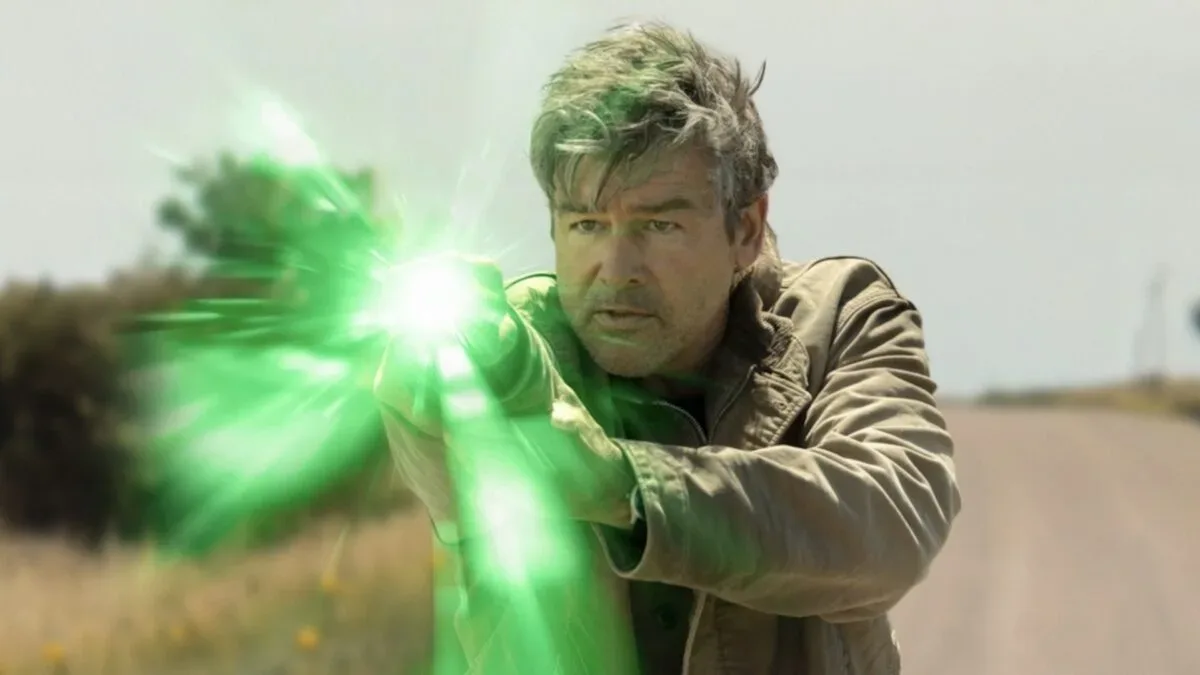
The available picture is more complicated than either “Season 2 is happening” or “Season 2 is dead.” Lanterns, the DC crime drama starring Kyle Chandler as Hal Jordan and Aaron Pierre as John Stewart, was reportedly well received and averaged 19 million global viewers per episode heading into its finale. A team had also reportedly been assembled to explore and develop a second season if it received approval.
Those are favorable signals, particularly the existence of a writers’ room. In television, a writers’ room is the group of writers responsible for developing a season’s story: building character arcs, mapping episode plots, and deciding what the season is fundamentally about. It can represent real creative momentum, but it does not by itself mean cameras are rolling or that a new season has been ordered.
Peter Safran had previously indicated that a decision on Season 2 was expected by the end of 2026. He described episodic storytelling as an important part of DC’s broader plans, while also making the standard of approval clear: the creative group needed to find a story that felt like a worthy follow-up to the first season. That is a qualitatively different position from a guaranteed multi-season commitment.
Safran’s remarks now sit in a changed corporate context. Skydance and new DC leader Jeremy Latcham are in charge of Warner Bros. intellectual property, and the wider plan for the DCU beyond already dated projects remains unclear. Gunn’s Man of Tomorrow and Matt Reeves’ The Batman Part II retain theatrical release dates, although Reeves’ Batman sequel is not part of DCU canon.
Why John Stewart remains a major piece of the puzzle
Even without a Season 2 order, Lanterns has a confirmed point of relevance to the movie side: Aaron Pierre’s John Stewart is set to appear in next summer’s Man of Tomorrow. That connection matters because it means the character is not confined to the television show’s renewal status.
It also illustrates the role television was expected to play in the broader DCU: longer-form stories can introduce and establish characters, while feature films can use those characters in a different format and scale. “Episodic” simply means a story told across television episodes rather than within a single movie’s runtime. It offers more room for gradual character development, mystery structures, and secondary plots that may not fit naturally into a feature.
That does not automatically make a second season necessary. A character’s future film role and a show’s future are separate business and creative decisions. Still, Pierre’s upcoming appearance makes it harder to treat Lanterns as isolated from DC’s plans altogether. The character’s continued presence could support a further television story, but it could also mean his next major developments happen elsewhere.
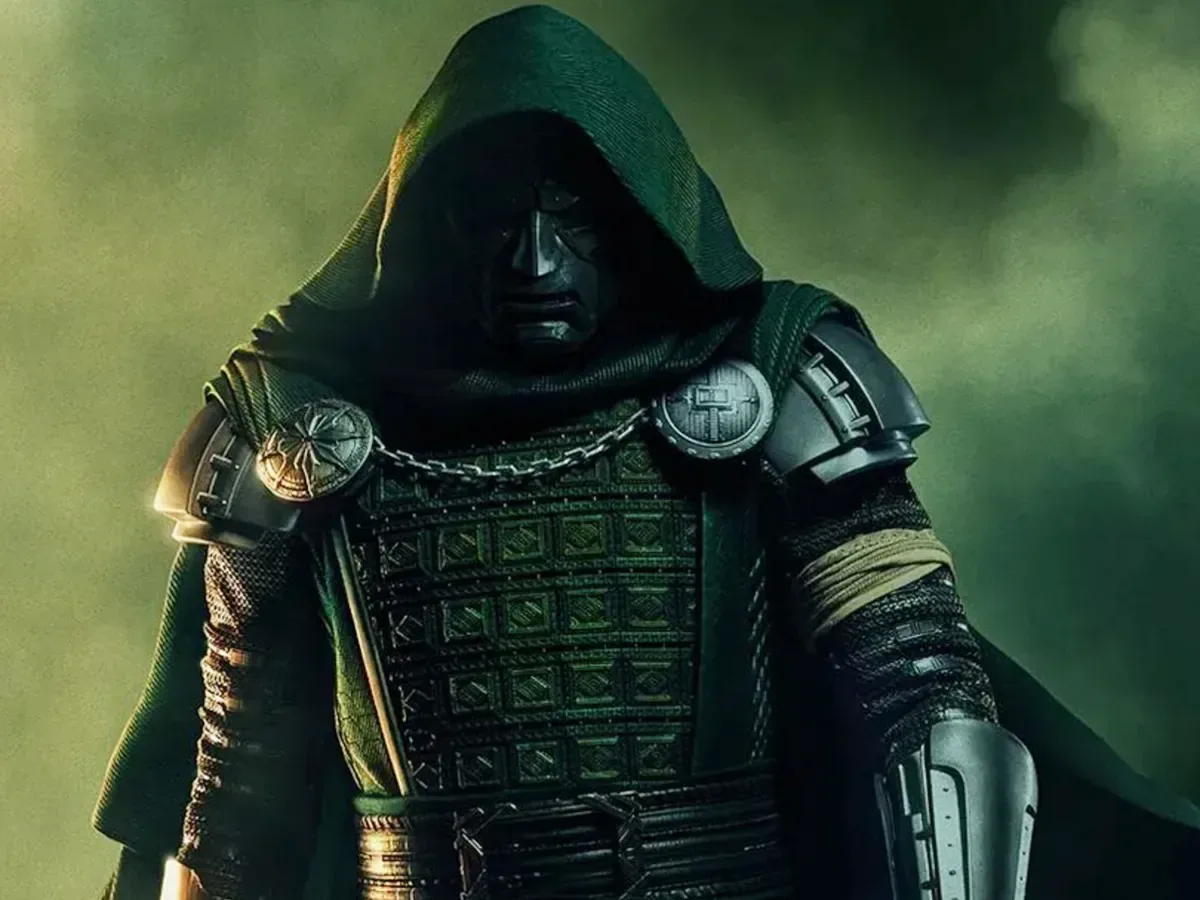
There is a larger genre-TV context here, too. Connected superhero series have become increasingly central to how major franchises manage supporting characters and longer arcs. For another example of a comic-book television story operating through post-credits implications and larger-universe positioning, see VisionQuest’s post-credits setup involving Scarlet Witch and Doctor Doom.
What the leadership change could mean
Leadership turnover creates uncertainty because the people assessing a project’s future may change along with the strategy, spending priorities, and preferred creative direction. That does not inherently mean an existing show is in trouble. A new leadership team can retain projects it considers valuable, especially ones with an established audience, an active creative team, or connections to future releases.
But the prior guidance on Lanterns was already conditional. The show had not received an unconditional promise of Season 2; its continuation depended on the team identifying the right story. A corporate transition gives decision-makers another reason to reassess plans before turning development work into a formal production commitment.
Reports have also suggested Skydance was not especially satisfied with the box-office performance of Gunn’s DCU, including Superman. That reported concern adds to the uncertainty around the shared-universe slate, though it does not establish a specific decision about Lanterns. Film box office, television viewership, franchise planning, and a show’s individual creative case are related considerations, but they are not interchangeable measures.
For example, a series can have strong viewership and still await renewal if executives want a stronger second-season concept, need to coordinate it with films, or are reviewing a wider slate. Conversely, a project can continue because it fills a strategic role even if public discussion around it is quieter than its audience numbers might suggest.
“Not capturing the zeitgeist” is not the same as poor viewership
One point driving concern is the suggestion that Lanterns may not be “capturing the zeitgeist.” In entertainment-industry language, that phrase generally refers to cultural prominence: whether a project is becoming a frequent topic of public conversation, producing major viral moments, or feeling like a defining title of the moment.
That is different from audience size. The reported 19 million global-viewer average going into the finale is a viewership metric. “Zeitgeist” is a more subjective assessment of cultural heat. A title can be watched by a substantial audience without dominating online discussion, and a heavily discussed title may not necessarily translate into the strongest long-term audience. The information currently available gives no official renewal decision based on either measure.
It is also worth resisting the temptation to turn one ambiguous status report into a proxy battle over the entire DCU. Fans of Zack Snyder’s earlier DC film continuity have called for the Snyderverse to return, including the return of Henry Cavill’s Superman and a continuation from Zack Snyder’s Justice League. There is no indication that Skydance intends to take that route. Comparisons between the box-office results of the Snyder-era films and the Gunn-era DCU do not amount to an announced strategy.
What to watch for next
Until DC, HBO, or the people now overseeing the franchise make a formal statement, the most accurate description is simple: Lanterns Season 2 is pending. Cantwell’s response argues against treating cancellation chatter as settled fact. At the same time, neither he nor the previous DC leadership statements provide confirmation that another season has been ordered.
The next meaningful update would be one of the following:
- A formal renewal: confirmation that Season 2 has been ordered and will move forward as a production.
- A cancellation announcement: a clear statement that no second season will be made.
- A development update: confirmation that writers are still shaping a potential follow-up, without a production greenlight.
- A revised DC slate: news explaining how television projects, films, and characters such as John Stewart fit into the post-leadership-change plan.
For now, the available evidence supports caution rather than either celebration or despair. Lanterns has encouraging ingredients: reported strong global viewership, a prospective creative team, and John Stewart’s role in Man of Tomorrow. It also has real unresolved questions: no official Season 2 order, a previously stated need for the right story, and a newly reshaped corporate structure. The wait for a definitive answer is still on.