Kendrick Lamar’s long-planned live-action film with Trey Parker and Matt Stone has lost its release date, but it has not been shelved. The comedy remains in production, with Parker and Stone accepting responsibility for a schedule that has repeatedly moved. That distinction matters: there is currently no announced premiere, trailer, confirmed cast list, or final public title, but there is also no indication that the project has been cancelled.
The project joins an unusual group of modern studio films whose public identity has formed before audiences have been given much to actually see. Its creative team is unusually high-profile, its subject matter appears designed to be provocative, and its reported musical component gives Lamar a potentially major role beyond producing. Yet much of the information circulating around it is preliminary, contradictory, or explicitly described as subject to change.
For the moment, the clearest description is also the most cautious: Lamar and Dave Free’s pgLang are producing a Paramount live-action comedy with Parker and Stone. Vernon Chatman wrote the screenplay, and Parker is attached to direct. The film has been reported to carry the working or internal title Whitney Springs.
What is confirmed about the collaboration
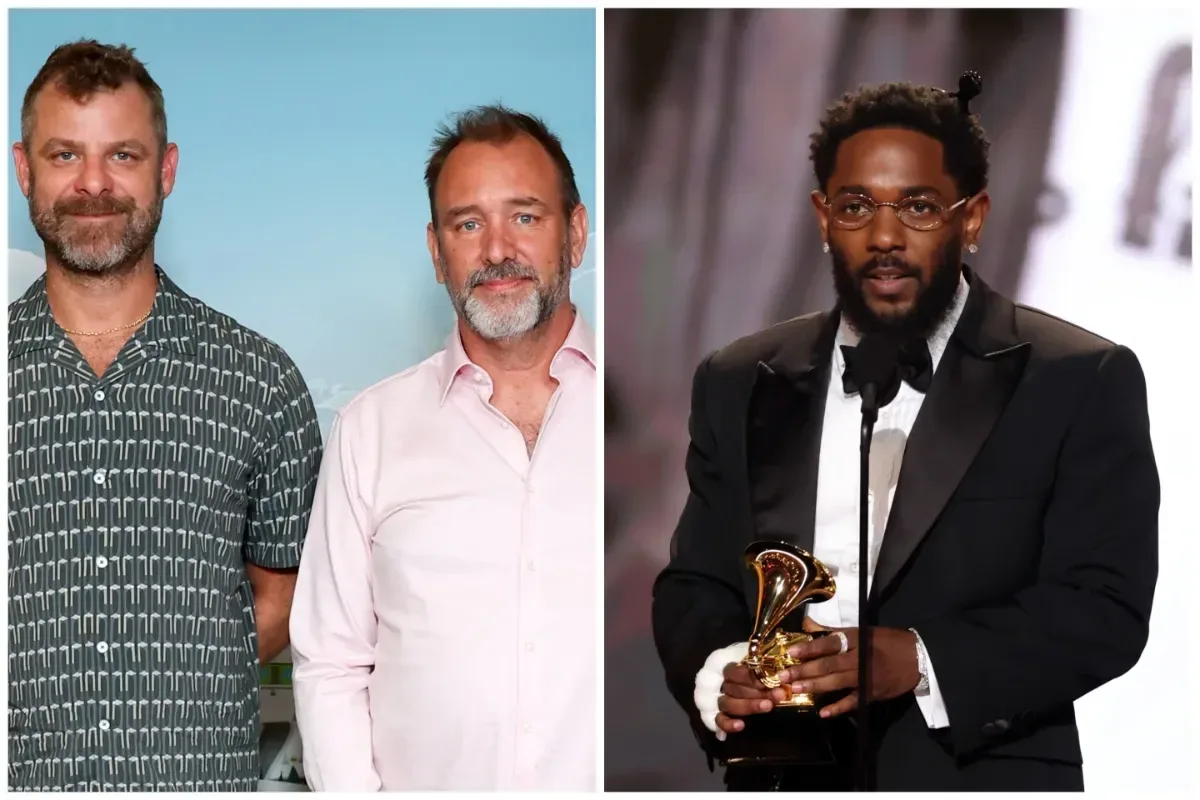
The partnership was announced in January 2022. Lamar and Free’s pgLang joined Parker and Stone on a film intended for Paramount, while Chatman—an established writer in Parker and Stone’s creative circle—was named as screenwriter. Parker’s directing attachment is especially notable because it would be his first feature directing credit since 2004’s Team America: World Police.
A live-action comedy simply means the production is built around photographed performers and physical sets or locations rather than being an animated feature. That does not narrow down its tone very much. Parker and Stone’s work is often associated with abrasive satire, while Lamar’s work has repeatedly used music and narrative to engage with identity, power and public expectation. Those facts help explain why the project has attracted attention, but they do not confirm the finished film’s style, plot details or intended audience.
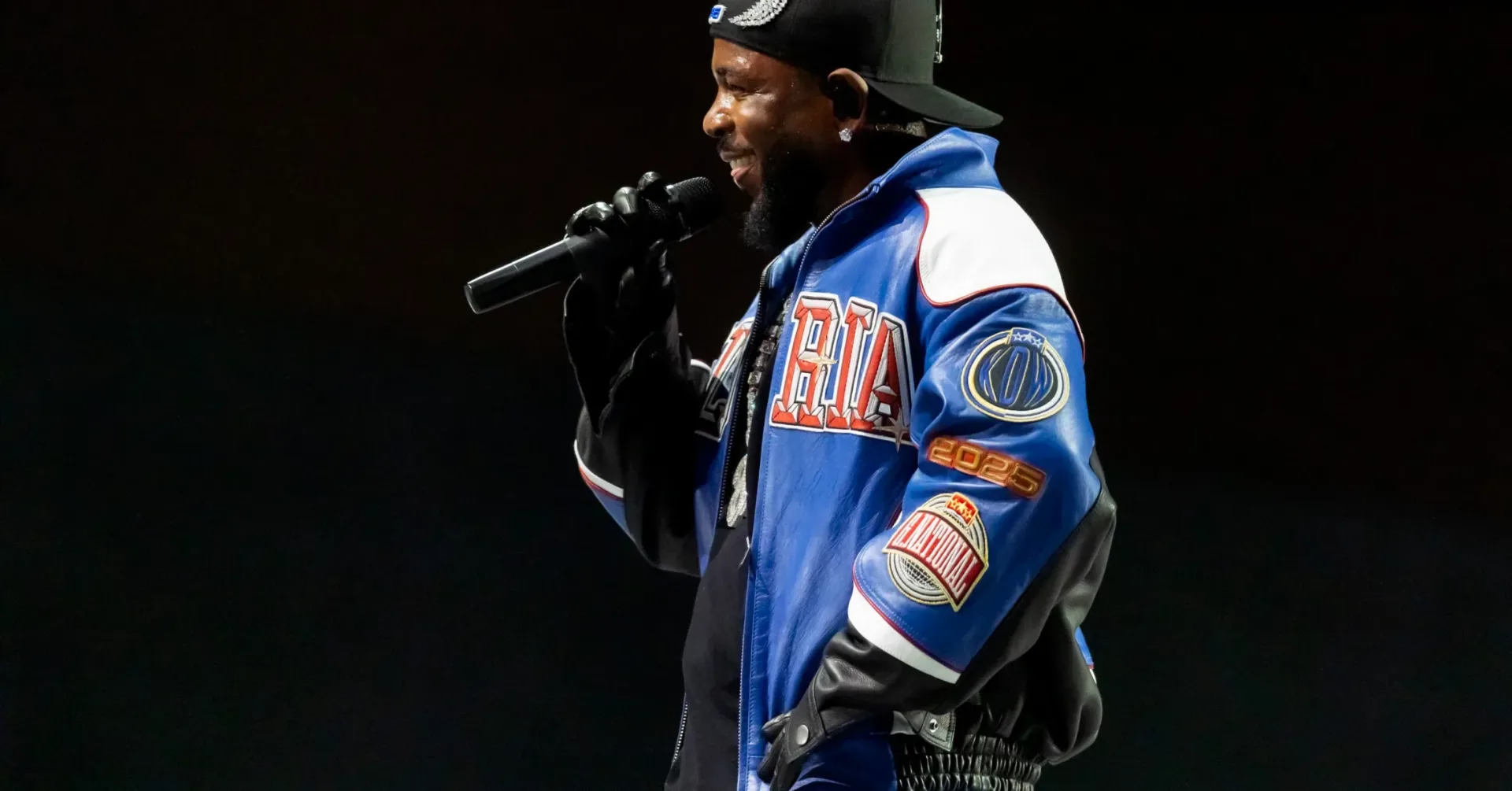
Production began in 2024, and Lamar was seen filming in California that year. The movie has also been listed as in production. Neither point establishes how much photography is complete, whether additional filming is planned, or when post-production might finish. “In production” is a broad status: it can cover active filming, pickups, editing, music work, visual effects, or a project moving among those stages. It should not be treated as a release-window promise.
The release-date changes, explained
Whitney Springs was first dated for July 4, 2025. That date later changed to March 20, 2026. Paramount subsequently removed it from the release calendar entirely, leaving the film without a new public date.
Being pulled from a schedule is not the same as cancellation. Studios date films well before they are fully finished, then move or remove them for many possible reasons: production needs, marketing timing, the availability of key personnel, distribution strategy, or uncertainty about when a film will be ready. In this instance, Parker and Stone publicly took responsibility for the delay and pointed to their South Park workload along with unspecified personal circumstances. They thanked pgLang and Paramount for their patience.
That public acknowledgement offers more clarity than is usual for a delayed film, but it does not create a replacement timetable. Fans should therefore be wary of treating either previous date as a likely return target. Until Paramount issues a new date, the only responsible status is undated and still in production.
Why the title should be treated as provisional
Whitney Springs has been reported as the project’s internal title. An internal or working title is the name a production uses during development and production; it may become the release title, but it can also change before marketing begins. The absence of a trailer, poster, official title treatment or confirmed release calendar means there is no firm reason to assume the reported name is final.
This is more than a semantic detail. A final title is part of how a studio presents a movie’s tone and premise to the public. If this film is ultimately positioned as a musical satire, a broad ensemble comedy, or something more specific, the eventual title may be chosen to support that campaign. For now, using Whitney Springs is useful shorthand, not a guarantee.
What has been reported about the story
The plot has been kept tightly under wraps, and the available descriptions do not line up cleanly enough to be treated as a finished synopsis. An early logline centered on a young Black man working as a slave reenactor at a living-history museum. In that version, he learns that his white girlfriend’s ancestors owned his ancestors.
More recent descriptions have characterized the project as a musical comedy involving a Black reenactor at a plantation museum and a conflict with a racist small-town mayor. Parker has been reported as the actor intended for that mayoral role. The film has also been described as an ensemble comedy, which generally means the narrative distributes meaningful attention across multiple characters rather than following only one lead.
However, people familiar with the project have cautioned that the original logline may no longer accurately reflect the screenplay. That caveat is essential. A logline is a compact premise used to communicate a project quickly; it is not a scene-by-scene account, and it can outlive rewrites. The newer accounts offer a possible direction, but no complete, officially confirmed plot has been shared.
One additional characterization has labeled the movie a $100 million “reparations musical.” That phrase conveys the apparent scale and thematic ambition being discussed around the project, but it should not be mistaken for an announced budget or a final genre label. Without a formal production breakdown or final marketing materials, it remains a reported description rather than a settled specification.
Music may be the biggest unanswered piece
Music is expected to be central. Lamar has reportedly recorded original, unreleased songs for the film. That is significant because an original song recording for a movie can serve very different purposes: background material, a limited number of featured tracks, or a structure in which songs drive the storytelling. The current information does not establish which of those models applies here.
The word musical can also be used loosely in early reporting. In its traditional sense, a musical tells substantial portions of its story through songs. A film may instead be a comedy with several original songs, a music-heavy satire, or a project in which songs function as commentary. Viewers will need an official trailer, soundtrack announcement or a fuller plot outline before they can know how deeply Lamar’s music is integrated into the narrative.
No performers beyond Parker’s reported role have been confirmed. That makes it impossible to say who will perform the songs, how large Lamar’s onscreen part may be, or whether the film will use a conventional cast-album approach. It also means purported casting lists should be treated skeptically unless they are formally announced.
A creatively unusual pairing with a deliberately difficult premise
The combination of pgLang, Parker, Stone and Chatman suggests a film built around creators with sharply recognizable voices, but it would be premature to reduce the movie to any one participant’s previous work. The available premise touches on slavery reenactment, ancestry, racial power, public history and a racist political figure—subjects that require more context than a short logline can provide.
Satire is a form that uses exaggeration, irony or ridicule to scrutinize targets such as institutions, hypocrisy and social behavior. It is not automatically defined by how offensive or outrageous its premise sounds in isolation. The still-unseen film’s actual perspective will depend on character construction, the use of music, the shape of its jokes, and where the narrative directs its criticism. Those are precisely the details that remain unavailable.
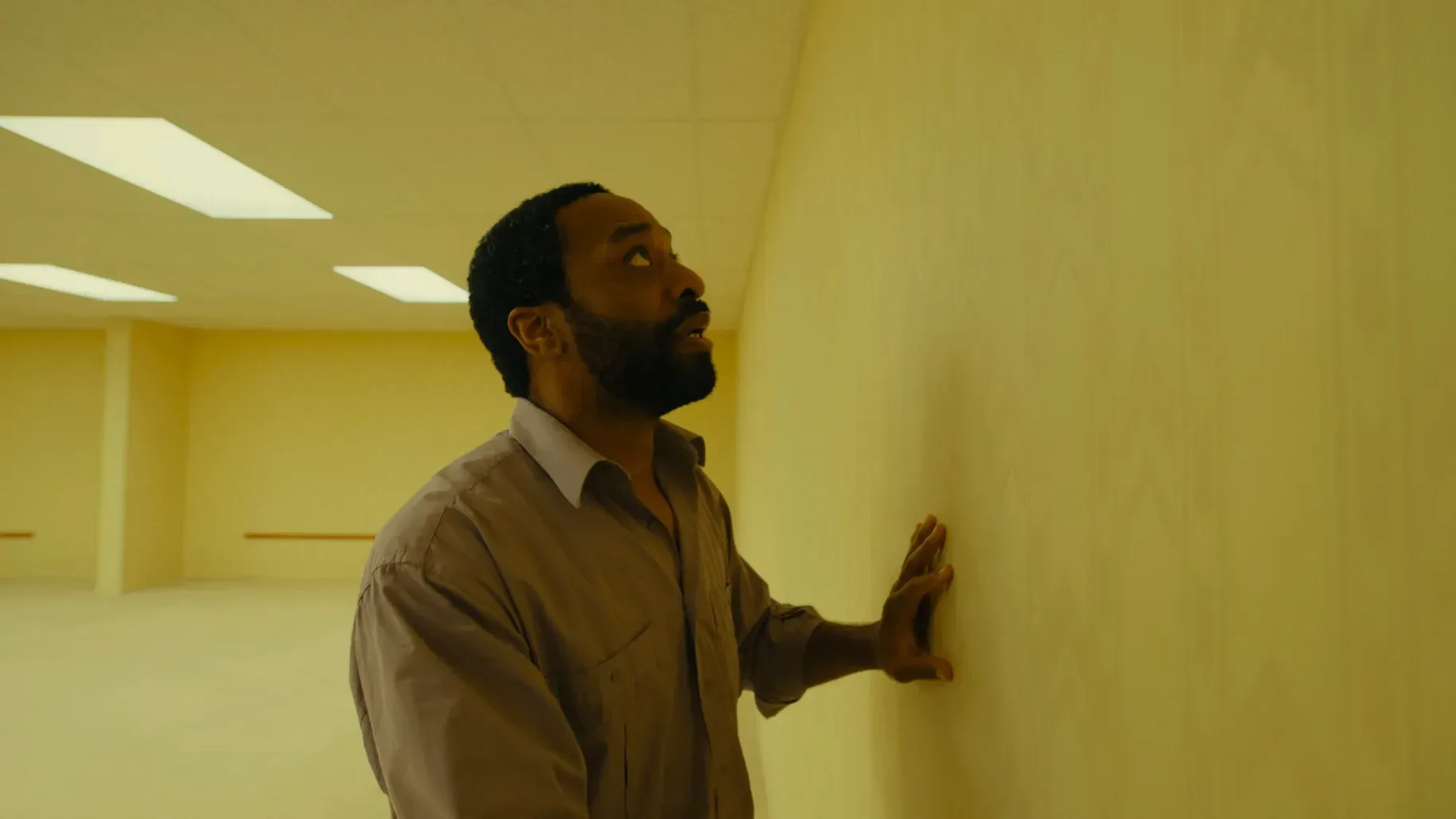
There is a useful broader reminder in the way films are assembled before audiences see them: a project’s visible footage, edit, performances and final effects can all materially shape its identity. For another example of how practical production choices and post-production methods influence a film’s finished atmosphere, see how Backrooms built its liminal horror through sets, blue screens and Blender-era VFX.
What audiences should and should not expect next
The next meaningful update would be a new release date, an official title confirmation, a trailer, casting news, or a clearer account of the film’s musical format. None has been announced. Because the previous calendar placements were removed, a new date should be treated as news only when it comes from the studio or the filmmakers.
Equally, the delay should not be read as proof that the basic collaboration has changed. Parker and Stone’s statement placed the responsibility on their own scheduling pressures and personal circumstances, while also acknowledging the patience of pgLang and Paramount. That is consistent with a project that remains active, even if it is moving more slowly than originally expected.
For now, Whitney Springs is best understood as an in-progress, reportedly music-driven live-action comedy with an unconfirmed final title and an intentionally guarded story. The concrete facts are modest: the producing partnership dates to 2022, filming began in 2024, the prior 2025 and 2026 dates are gone, Parker is set to direct, Chatman wrote the script, and Lamar has reportedly made original music for it. Everything else—from the finished premise to the cast, release plan and exact role of those songs—remains open.