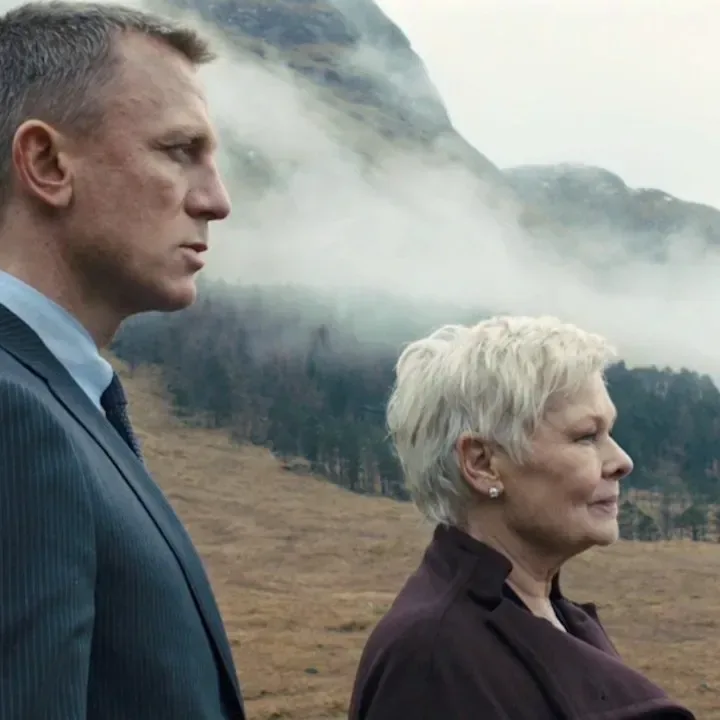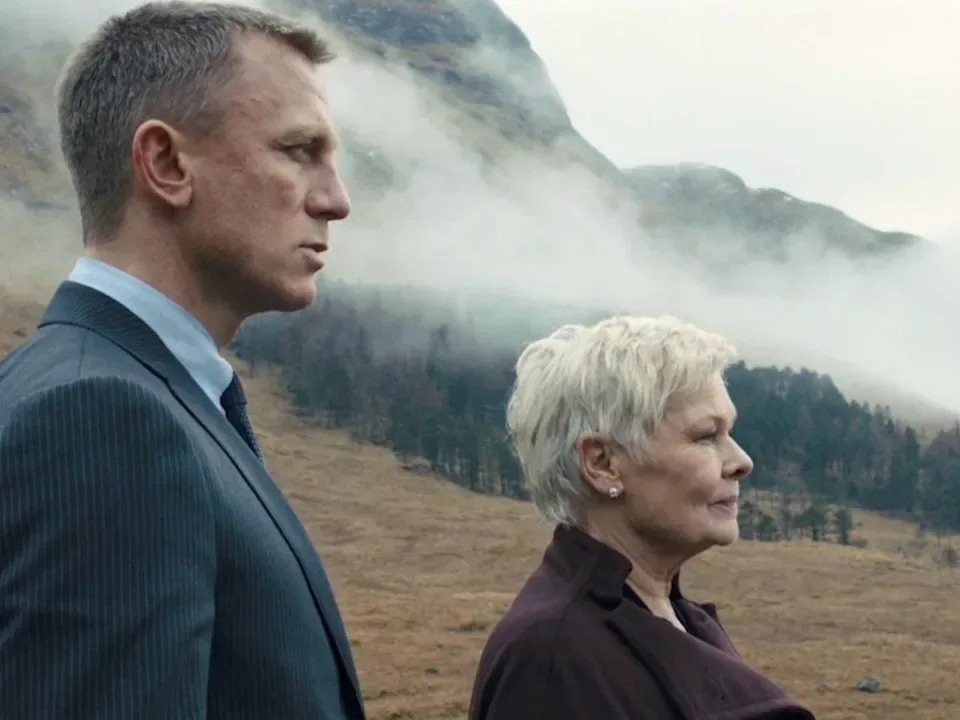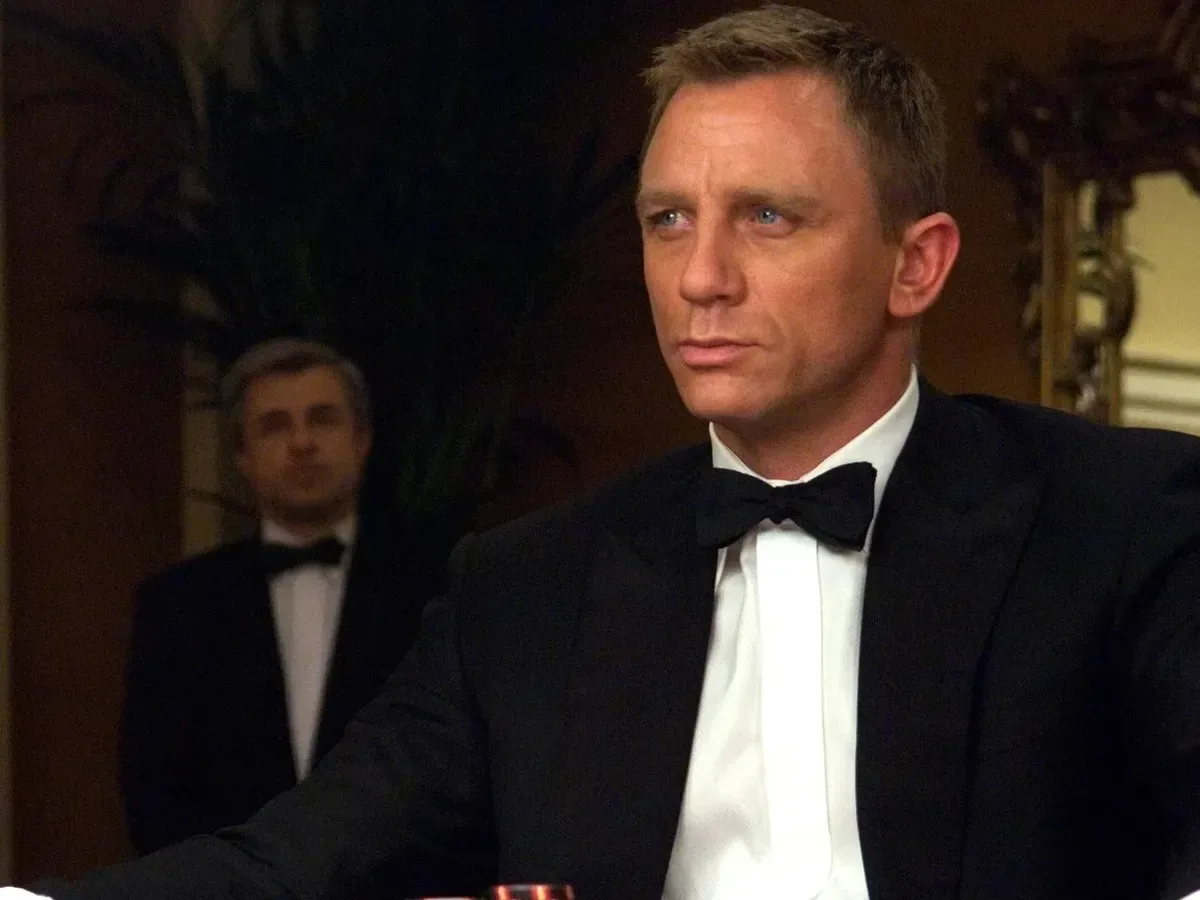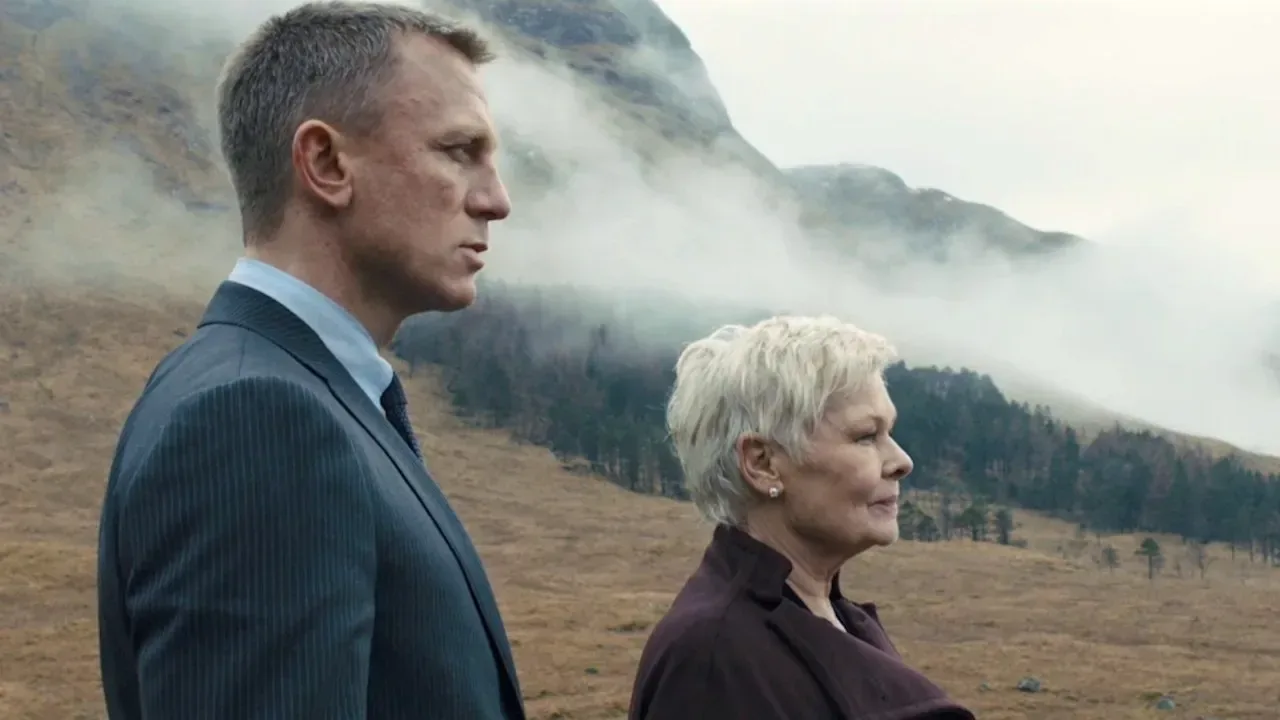
Judi Dench has shared a characteristically sharp account of how her long-serving James Bond chief, M, met her end in Skyfall. In her memoir, Is It Too Late to Make a Run For It?, Dench says she was told that M would be killed in the 2012 film—and says the idea apparently came from Daniel Craig, who played Bond.
Dench framed the revelation as a joke at her own expense rather than a solemn behind-the-scenes grievance. After years of asking for M to have more to do beyond headquarters, she finally got the more mobile, action-adjacent role she wanted in Skyfall. The payoff, as she tells it: the character was shot.
“Apparently, it was Daniel’s idea to have me killed,” Dench said, before joking about the onscreen transfer of M’s authority to Ralph Fiennes’ character. The phrasing matters. Dench presents Craig as the person behind the idea, but describes it as something she was told rather than detailing a direct conversation with him.
From behind the desk to Skyfall’s emotional centre
Dench first played M in 1995’s GoldenEye, opposite Pierce Brosnan in his first outing as James Bond. Across eight Bond films and 20 years, her version of the character became a defining constant through substantial changes in the series’ lead actor and tone.
For more context, explore iOS 27.3 Gives Siri AI More App Commands, From Clearing Tabs to Taming Mail.
M is the professional title used for the head of Bond’s intelligence service. In practical story terms, the character is usually the person assigning Bond missions, challenging his methods and setting the institutional stakes around 007’s work. That makes M an important presence even when the role is physically confined to briefing rooms and offices.
Dench’s memoir recollection gives that familiar setup a more humanly funny dimension. She says that on GoldenEye, while much of the production went to Monte Carlo and St. Petersburg, she worked only three days in Watford. She repeatedly asked to be taken out from behind the desk. When the team behind Skyfall outlined the plan for M’s death over a meal, Dench said her campaign for a bigger part had reached a rather literal destination.
“Ever since GoldenEye... I’d been begging them to let me out from behind my desk. Well, they did finally let me out from behind my desk … and they shot me.”
It is a neat line because it captures both sides of an actor’s request for expanded material. More screen involvement can offer a character new dimensions, but it can also mean a story asks that character to carry greater risk. In Skyfall, M’s fate is not a detached plot beat: it is part of the film’s personal pressure on Bond and of the transition surrounding the agency itself.
What Dench says she was told
Dench recalls being taken to the Wolseley restaurant by Barbara, Michael and director Sam Mendes, where the plot was explained and she was informed that M would be “bumped off.” She does not think Craig was present at that meeting.
Her account is especially notable because it distinguishes between two things that can easily be blurred in retellings of franchise history: learning a character’s story fate and identifying the creative origin of that decision. Dench says she learned the outcome in a meeting with key people involved in the film. She then says that Craig was apparently the person whose idea it was to kill M.
That uncertainty should not be flattened into a definitive production record. “Apparently” leaves room for the reality that large studio films are collaborative projects, with story decisions shaped through producers, directors, performers and writers. Dench’s comment is still a memorable piece of her perspective on the role, particularly because she delivers it with the dry, playful bite associated with M herself.
Her joke about being “sacked” by Ralph Fiennes refers to the change in the Bond films’ leadership. Fiennes joined the series in Skyfall and assumed the M position after Dench’s character dies. It is less a claim of professional resentment than an actor’s comic way of describing a fictional succession.
A farewell that did not entirely end the connection
Although Skyfall gives Dench’s M a death, her Bond run was not completely closed off there. She made a posthumous cameo in Spectre. That detail underlines how closely her interpretation was tied to the modern identity of the series: even after the character’s death, the films found a brief way to preserve her presence.
For audiences, character deaths in an ongoing franchise serve several jobs at once. They can create an emotional endpoint, clear space for a new dynamic and signal that a familiar institution is changing. M’s death in Skyfall did all three. It ended Dench’s onscreen tenure in the central role, established Fiennes’ M as part of the continuing team and made the threat facing Bond feel personal rather than merely procedural.
Dench’s comments also make clear that she was not simply a figure delivering mission briefings. Her wish for M to leave the office reflects an understandable desire to explore what the character could do when the story moved outside its usual boundaries. In the context of her recollection, the eventual result is darkly comic: M’s expanded involvement helped make her final chapter more consequential.
Tomorrow Never Dies and the strain of constant rewrites
The memoir also looks back on a less happy production experience: 1997’s Tomorrow Never Dies. Dench calls it the most difficult Bond film she made, describing an atmosphere of disorder and a script that seemed to remain in motion throughout production.
Rewrites are normal in film production. A rewrite is a revision to dialogue, scenes or story material after an earlier version of the script has already been circulated. Revisions can be small and practical, or extensive enough to force performers to absorb new information, rework scene objectives and learn fresh pages under serious time pressure.
Dench’s concern is not that a film ever changes, but the pace and volume of the changes she says occurred on Tomorrow Never Dies. She recalls receiving new scenes daily. In one particularly demanding instance, she arrived home at 10 p.m. to find a motorcycle courier with 12 new pages that needed to be learned before a 5 a.m. pickup the following morning.
“It’s not unusual to have rewrites on a film, but the script for Tomorrow Never Dies seemed to be in a permanent state of flux.”
For an actor, late script pages create a challenge beyond simple memorisation. New lines can alter the meaning of a scene, the relationship between characters or the information an audience is meant to understand. With limited preparation time, performers must make quick decisions about rhythm, intention and continuity while meeting an inflexible shooting schedule. Dench’s account illustrates why a constantly changing script can feel destabilising even for an experienced performer working in an established role.
It also provides useful context for the polished illusion of a finished Bond film. Viewers see a completed narrative; cast members may have faced a production process where scenes and dialogue were still being reshaped day by day. Dench’s recollection does not offer a full account of why those revisions occurred, so it would be wrong to assign a cause. What it does provide is a first-hand description of the pressure such changes placed on her.
Bond’s next transition remains unresolved
Dench’s reflections arrive as the series faces another major handover. Amazon MGM Studios is searching for the actor who will succeed Craig as James Bond, with Callum Turner, Jack Lowden and Josh O’Connor reported as frontrunners.
That search remains a report, not a confirmed casting announcement. Still, it is a reminder that Bond is built around recurring reinvention: actors leave, characters change hands and each era finds a different balance between continuity and reset.
Dench’s M was a major part of that continuity. She began during Brosnan’s tenure, remained through Craig’s first Bond film and received a full dramatic farewell in Skyfall, with one later posthumous appearance in Spectre. Her new account adds a very Dench-like final detail to that legacy: after campaigning to escape the office, she says the franchise obliged—then gave her an exit with terminal consequences.