NBA preseason talk has apparently reached the stage where a sneaker advertisement can become scouting-report material.
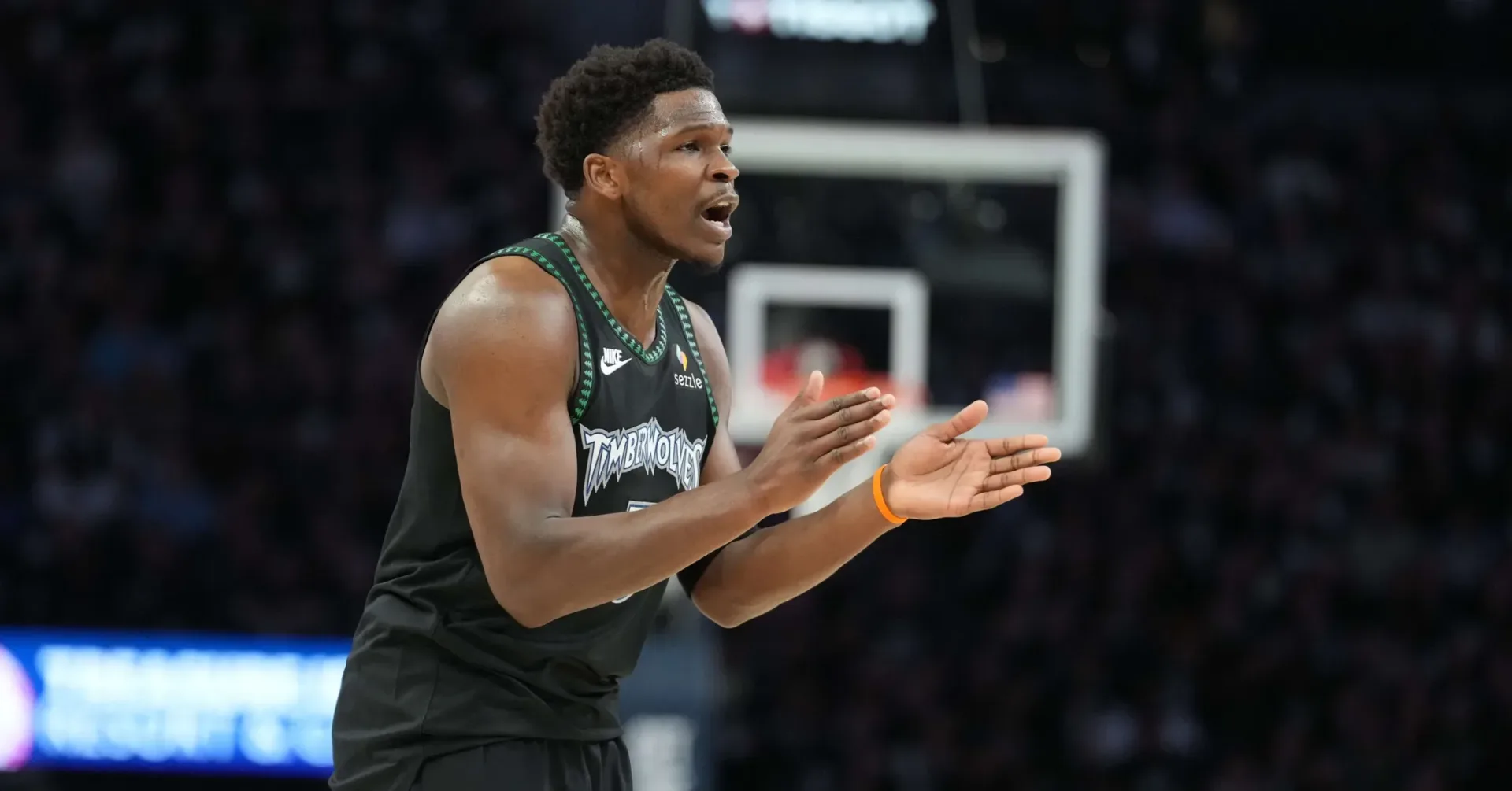
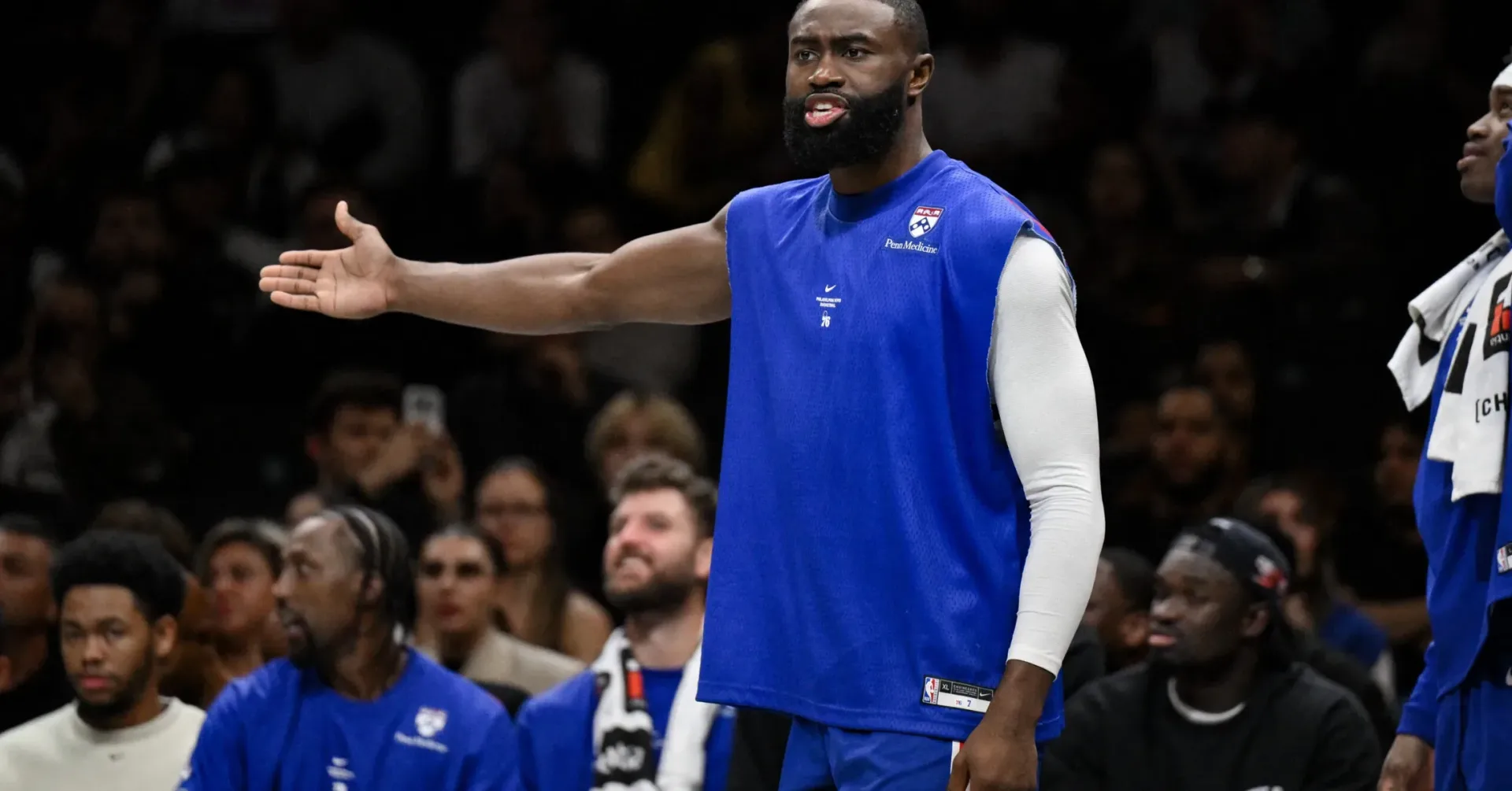
Anthony Edwards recently took shots at Jaylen Brown and LeBron James in an Adidas ad, and Brown did not leave the response to a carefully worded social-media post. On a livestream, Brown fired back with an adult-themed joke aimed at Edwards and Adidas: “Adidas doing anything for my boy, you need to give my boy some condoms.”
The clip’s point was not subtle, nor was it intended to be. Brown turned a brand campaign into a personal roast, framing Adidas as the entity that ought to equip its athlete for more than basketball. It was the kind of off-the-cuff comeback that is likely to spread because it is brief, pointed and easy to understand even for people who never saw the original ad.
It also illustrates a modern sports-media reality: the promotional video, the livestream and the fan reaction no longer sit in separate lanes. A player can throw a line in an advertisement, another player can answer in real time, and the result can become an unofficial opening act for the season.
What Brown was responding to
The supplied account does not detail Edwards’ exact remarks in the Adidas spot, only that he targeted both Brown and LeBron James. That matters because the exchange should not be treated as a detailed basketball dispute with a documented argument on both sides. What is clear is the format: Edwards made a public, promotional jab; Brown replied publicly on a livestream; the reply became the headline.
Brown’s retort also referenced private-life chatter around Edwards. That context should be handled carefully. The material provides no documentation or specifics, and the joke itself is not evidence of anything. In this setting, it is best understood as a deliberately provocative roast rather than a factual claim to extend or investigate.
That distinction is important in athlete discourse. Trash talk works by taking a small opening—an ad, a quote, a nickname, a playoff loss, a wardrobe choice—and exaggerating it into a punchline. Fans can enjoy the competitive theater without turning an unverified personal insinuation into a supposedly established fact.
The Adidas angle makes the exchange sharper
There is an obvious reason this moment travelled beyond a standard player-versus-player jab: Adidas was part of the setup. Brand advertisements are designed to give athletes a loud, polished platform, and a rival’s response can effectively turn that campaign into a multiplayer conversation.
Related coverage includes Jaylen Brown Fires Back at Anthony Edwards in Adidas-Fueled NBA Banter.
Brown’s wording did not just target Edwards. It cast Adidas as the joke’s reluctant supporting character. That is a common structure in sports banter: when a player uses a sponsor, team, signature product or commercial as a launchpad, a rival can answer by making the entire apparatus part of the bit.
The key term here is brand-adjacent trash talk. It is not a formal marketing category, but it describes the dynamic well: a player’s commercial identity becomes inseparable from a competitive joke. The athlete remains the target, while the sponsor becomes the prop. The punchline lands because the audience recognizes both.
That can make an ad more memorable than its original message. It also creates a trade-off. A campaign that gives a player room to speak with swagger can feel authentic and entertaining, but it invites responses that the brand cannot completely script. In a league where stars are personalities as much as they are players, that unpredictability is part of the appeal.
Livestreams reward speed over polish
Brown’s choice of venue is as notable as the line itself. Livestreams are built for immediacy. Unlike a statement released through a representative or a short, edited post, a stream lets viewers see a player react in the moment. Laughter, surprise and the lack of a formal setup can make even a single sentence feel larger.
That informality is why clips from streams routinely become their own media events. The audience is not only responding to what was said; it is responding to the impression that it was said without a corporate filter. Whether every livestream moment is truly spontaneous is beside the point. The format creates that feeling, and that feeling drives sharing.
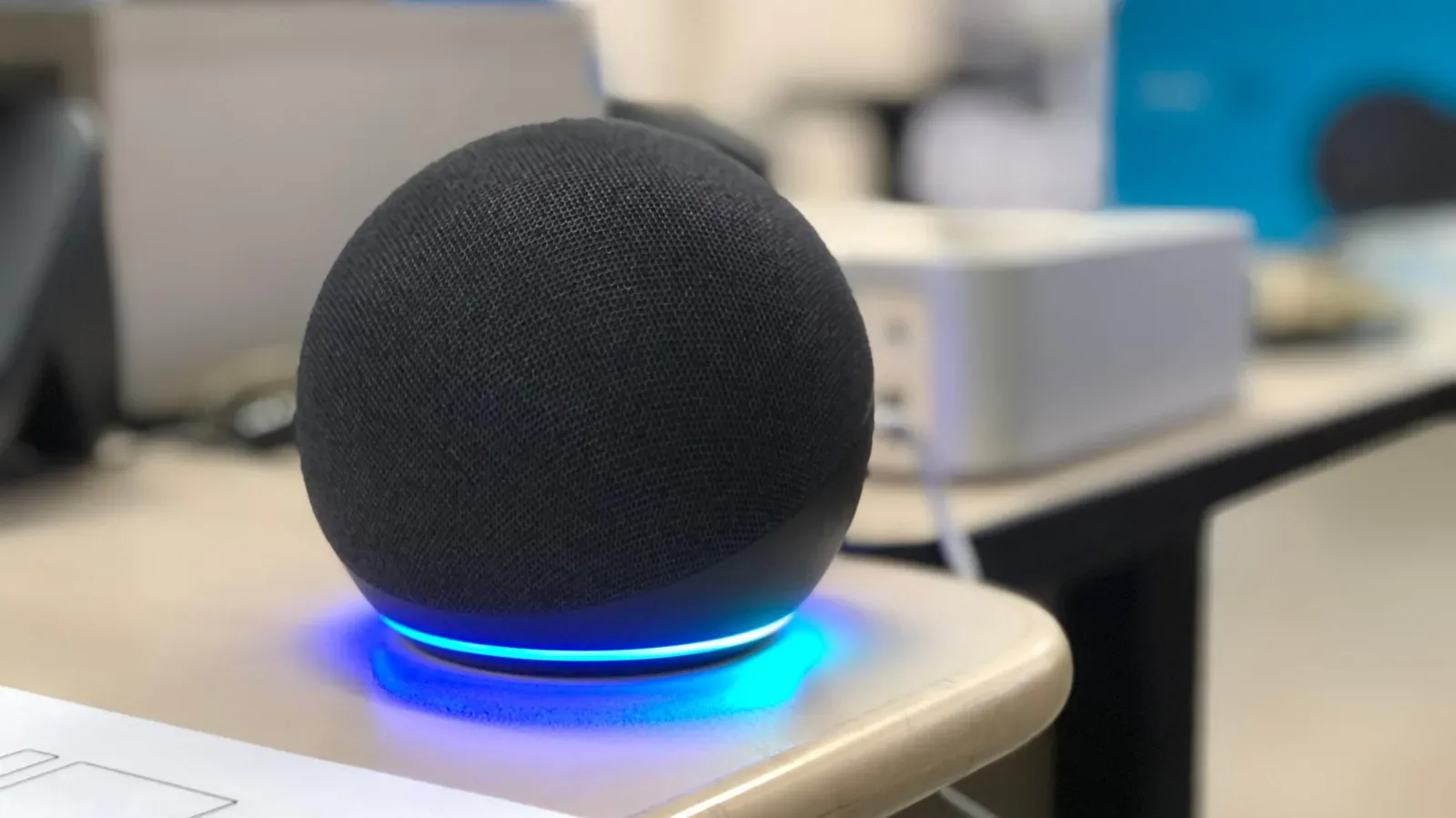
There is a useful comparison with the way people treat game-stream highlights. A long broadcast may contain hours of conversation or play, but one surprising moment becomes the clip everyone passes around. The original stream is the full match; the viral response is the highlight reel. The broader mechanics behind clipped online moments are familiar to anyone who has watched a device turn a simple request into an unintended detour, as in this look at why smart speakers can misread the room.
For athletes, that environment has upside and risk. It gives them a direct line to supporters and lets their personalities cut through the usual postgame clichés. At the same time, it shrinks the distance between an impulsive joke and a widely circulated headline. Brown’s response appears to have worked as entertainment because it was concise enough for a clip and outrageous enough to generate instant laughs.
Rivalry talk arrives before the games do
The timing adds another layer. With the NBA season only days away in the supplied account, players are already establishing the emotional temperature around their teams. The piece places Brown and LeBron on the Philadelphia 76ers alongside former MVP Joel Embiid, while positioning Edwards’ Minnesota Timberwolves as a Western Conference rival with considerable talent.
Those roster and title-race claims create an enormous competitive frame for what otherwise might be a fleeting joke. A Brown–LeBron–Embiid grouping would naturally invite questions about fit: who handles the ball, how responsibilities are divided, and whether a collection of elite players can become a coherent team. The material itself notes skepticism over how the pieces would mesh, even while portraying Philadelphia as a championship favorite.
Fit, in basketball language, means more than whether talented players look impressive on a roster graphic. It concerns how their skills and preferences operate together. Do their offensive roles complement each other? Can the defense cover for individual limitations? Are difficult late-game decisions clear? A team can have elite names and still face these practical questions.
That is why the Edwards exchange plays differently from random online sniping. The players are situated in a potential championship conversation. Edwards represents a Timberwolves side described as a major West threat. Brown, LeBron and Embiid are tied to a Sixers experiment that would carry immediate expectations. Every public jab becomes a tiny piece of pregame mythology, whether or not it has any bearing on the standings.
Why fans react so strongly to this kind of exchange
Fans do not need a long argument to pick a side. Brown’s line offers a simple format: Edwards set the challenge in an ad, Brown responded with a joke, and viewers can decide whose delivery they preferred. It is accessible, meme-ready and does not require watching film or studying cap sheets.
That accessibility is valuable in the long run-up to a season. Basketball conversation needs more than injury updates, contract mechanics and projected rotations. It also feeds on moments that make players feel distinct. Edwards’ willingness to take shots in an Adidas spot and Brown’s decision to return fire on livestream both reinforce personas built around confidence.
There is, however, a line between entertaining rivalry and personal speculation. The best version of this dynamic keeps the focus on the visible exchange: one athlete’s ad jab and another athlete’s caustic response. The moment is funny because it is audacious, not because audiences need to treat its personal allusion as a verified topic for further discussion.
For now, the clip is a compact reminder that NBA competition often starts in places with no scoreboard at all. Adidas supplied a stage, Edwards used it to poke at rivals, and Brown answered with the sort of one-liner that can make a livestream feel like a press conference, a comedy set and a preseason matchup at once.