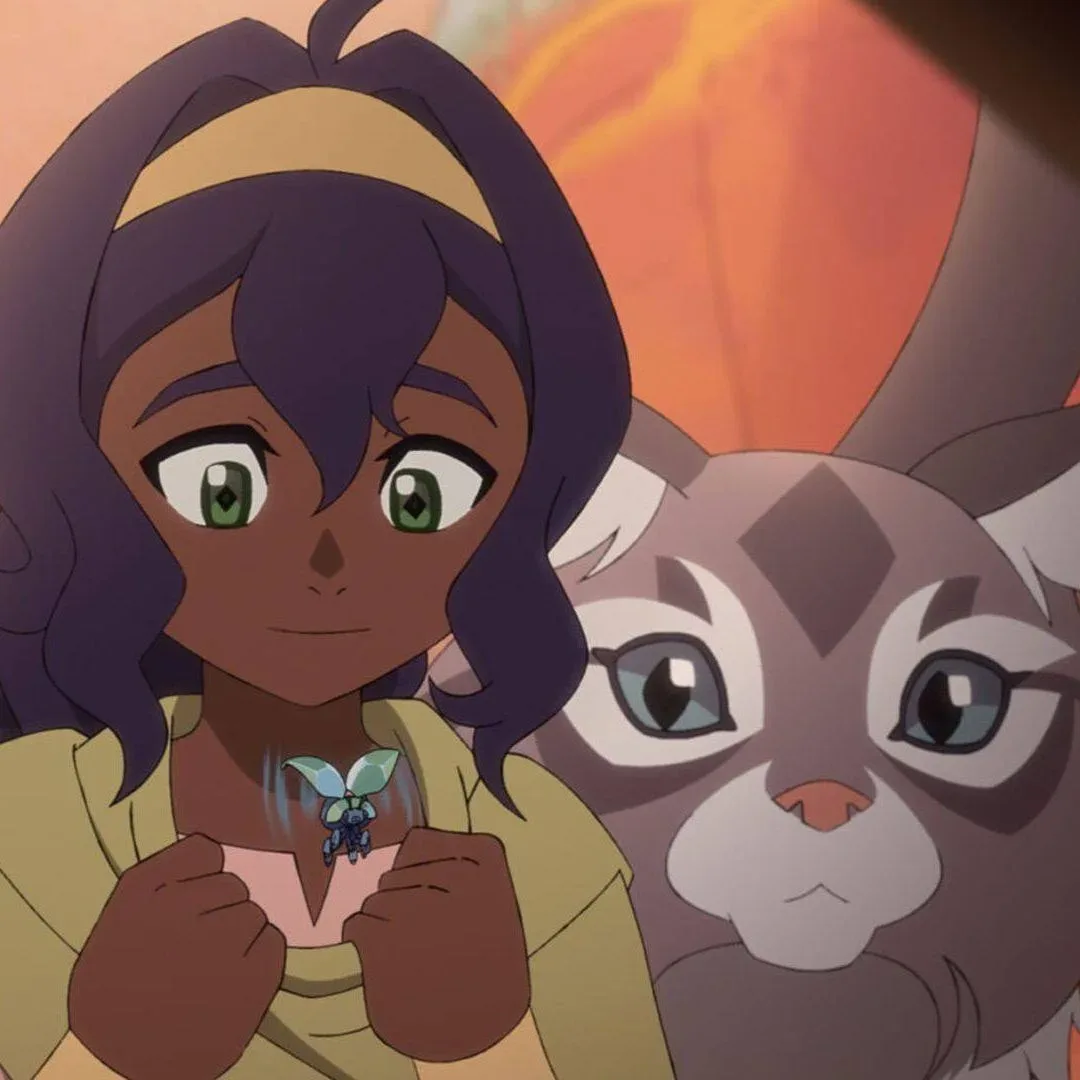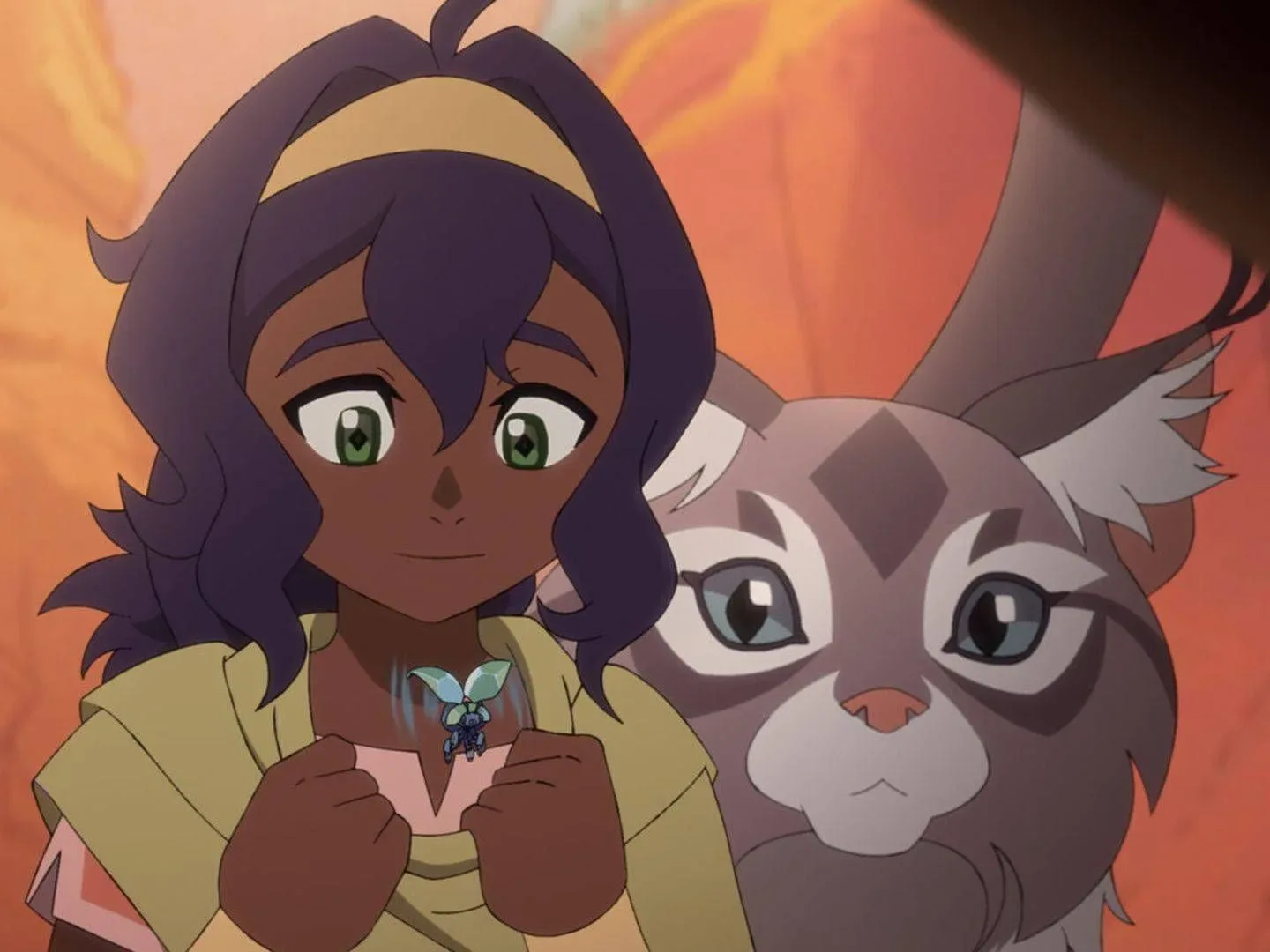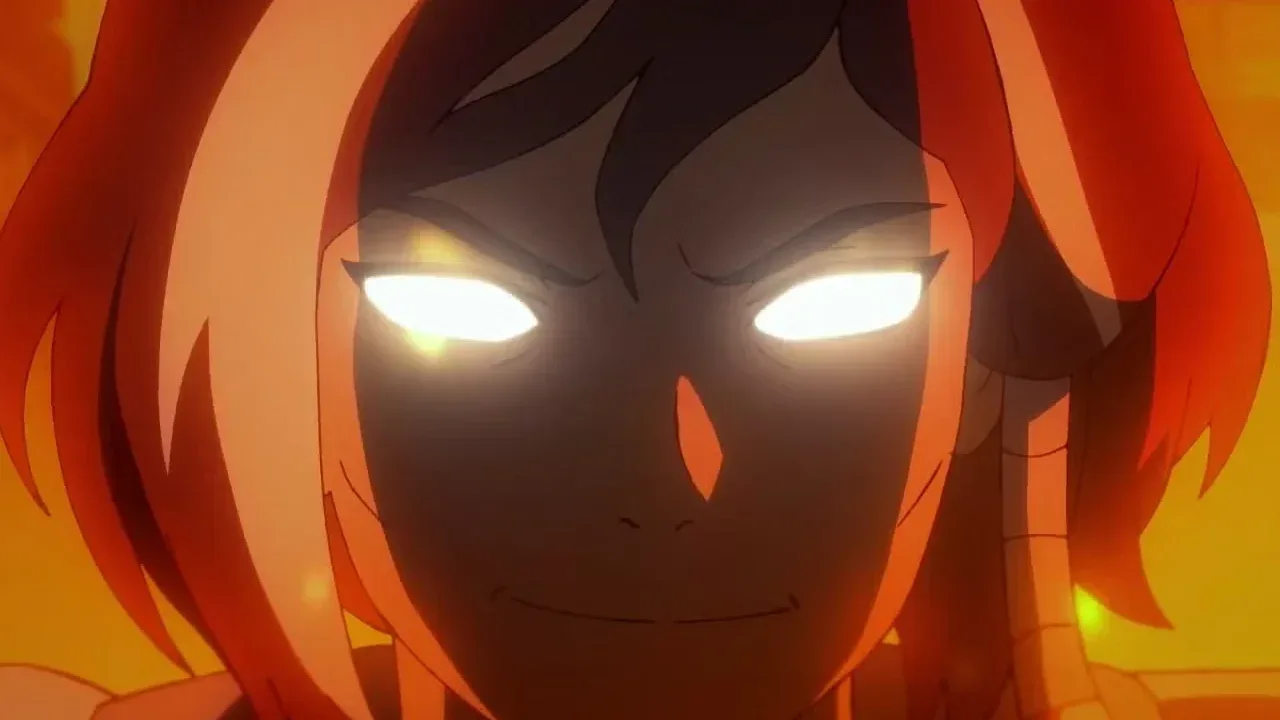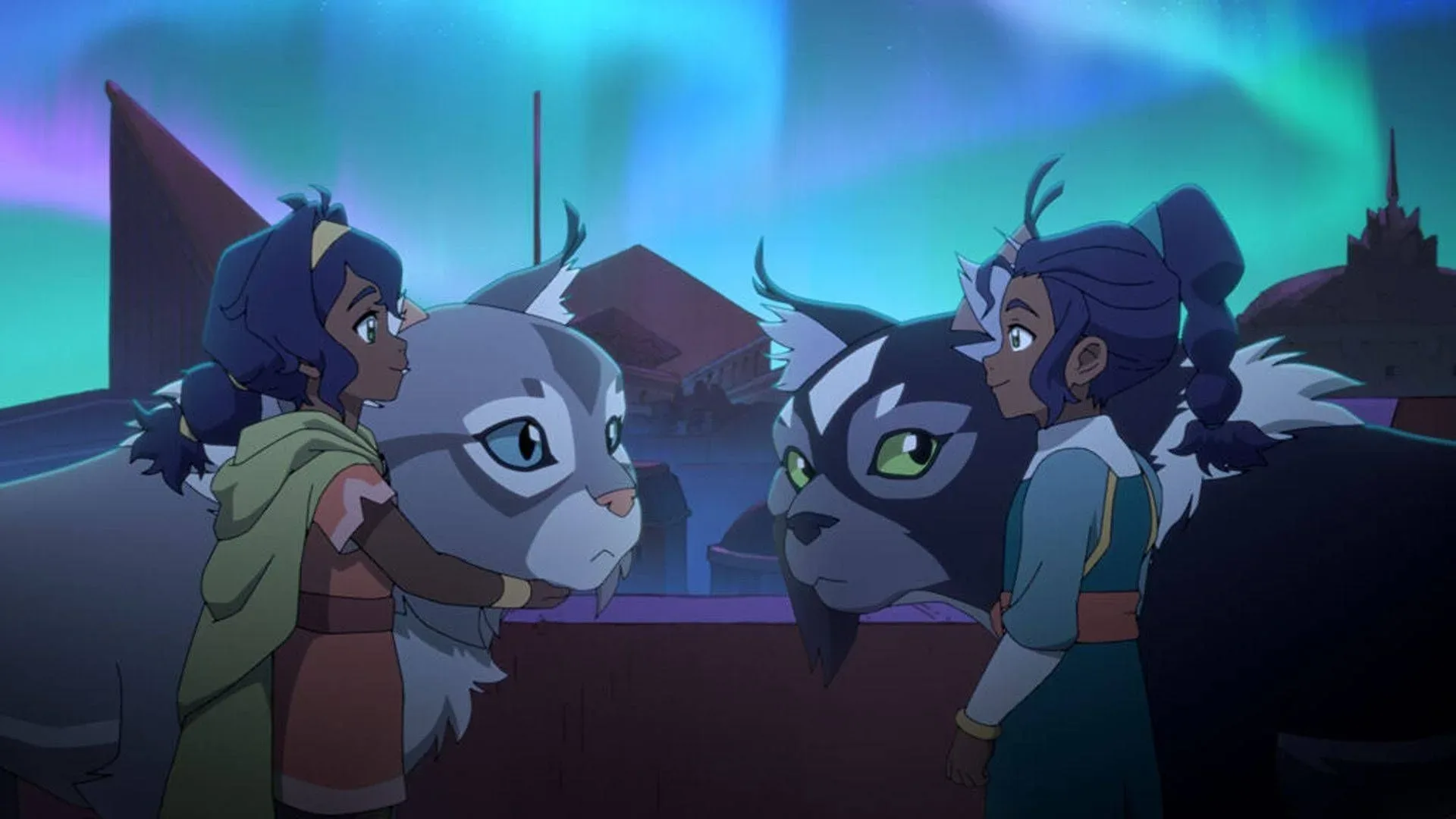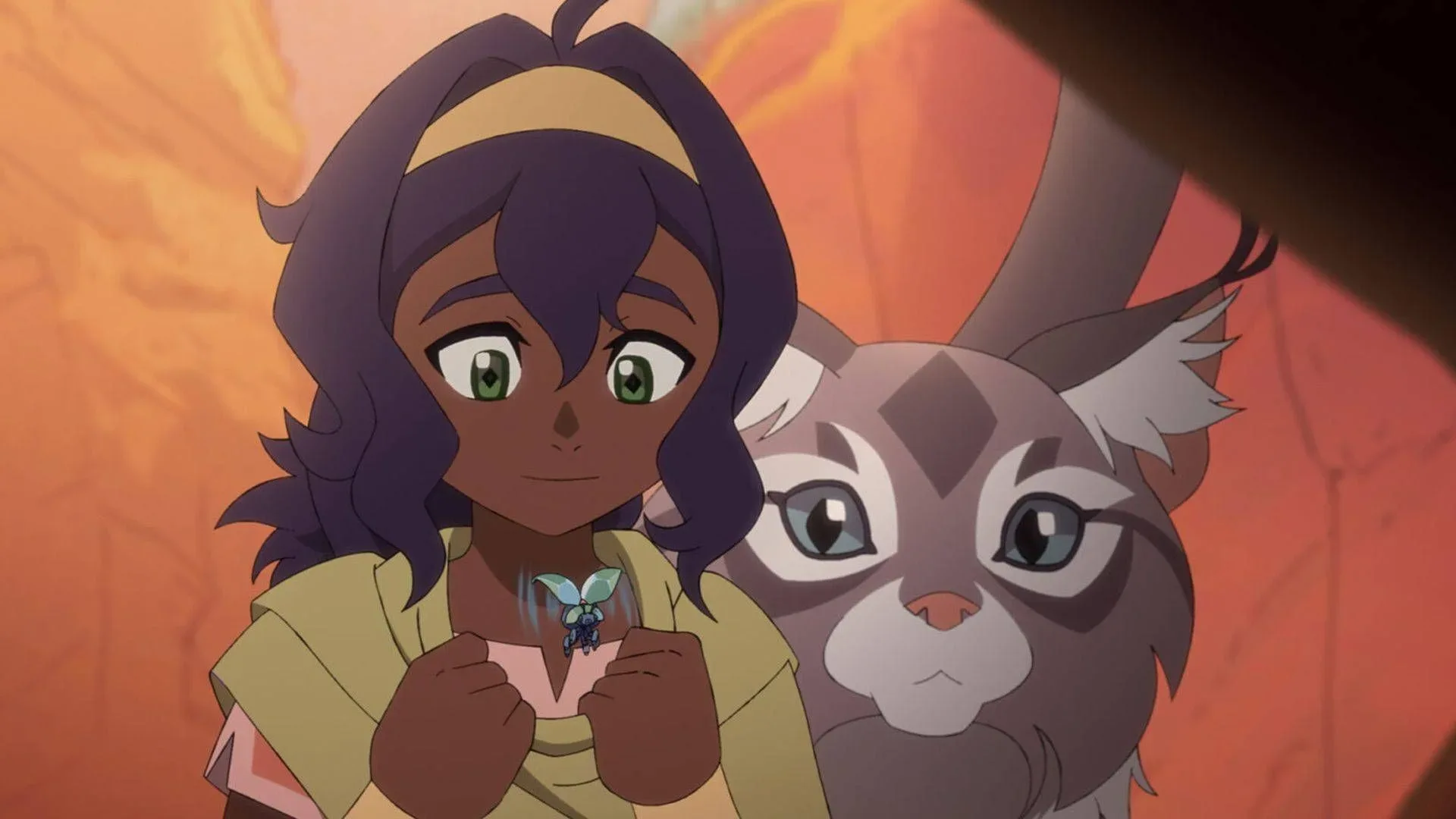
Janet Varney, the voice actor behind Korra, has described an intensely emotional response to Avatar: Seven Havens and its opening treatment of the former Avatar. The new series takes place 225 years after The Legend of Korra, in a future where Korra is blamed for a catastrophic event and spoken of as a villain.
Speaking on the Avatar: Braving the Elements podcast, Varney said the pilot episode left her sobbing and “shattered.” Her concern was not simply the discomfort of seeing a character she played cast in an unflattering light. She was especially affected by the idea that children in the story refer to Korra as though she is a monster, and by what that might mean to viewers who feel a deep connection with the character.
“I know we don’t know what’s going to happen, and I want people to keep the faith, but who knows?” Varney said.
That uncertainty is crucial. Seven Havens has established a troubling version of Korra’s legacy, but the available premise does not establish that the accusation against her is true. Varney herself stressed that she revisited the episode with “fresh eyes” after her initial reaction, while still finding the image of Korra being treated as a monster painful.
A legacy put on trial
Avatar: Seven Havens places its story far enough beyond The Legend of Korra for the earlier protagonist to exist principally as history, memory, and reputation. A 225-year gap means Korra’s name can carry enormous cultural weight while the people discussing her are separated from her life by many generations. In narrative terms, that creates room for a familiar figure to become disputed rather than directly known.
The distinction matters: a character’s historical reputation is not automatically a factual account of that character. The show’s premise asks viewers to sit with a version of Korra defined by blame for a disaster. That is a powerful dramatic device because it creates immediate tension between an audience that knows the previous series and a new generation of characters who do not have that same firsthand relationship with her journey.
Varney’s reaction identifies the emotional cost of that device. For viewers who value Korra, hearing the character reduced to a monstrous figure can feel less like a routine plot complication and more like an attack on the meaning they have drawn from her. Varney said she was thinking of people who love Korra and already feel protective of her.
That concern does not settle the story’s mystery. Instead, it highlights why the pilot’s framing is likely to be a particularly sensitive one for returning fans. The series has deliberately begun from a harsh judgment, then withheld the full explanation. Whether that judgment is corrected, complicated, or upheld remains unresolved.
What the new series has established so far
The center of Avatar: Seven Havens is Pavi, identified as the next Avatar. Pavi’s twin sister, Nisha, is also a key part of the premise. Their story unfolds in a post-apocalyptic setting, adding another layer to the question surrounding Korra: the catastrophic event associated with her is not distant trivia but part of the world that has shaped the new characters’ lives.
“Post-apocalyptic” here describes a setting formed in the wake of a major catastrophe. It signals that the disaster blamed on Korra is not merely an allegation attached to a famous name; it has lasting consequences in the world of the show. The premise therefore ties a legacy mystery to the immediate stakes facing Pavi and Nisha.
That arrangement can make the question of Korra’s reputation more than fan-service or a retrospective debate. If the events of the past define the dangers and divisions of Pavi’s present, then learning what actually happened could be central to understanding the new Avatar’s world. At this stage, though, the series has not provided enough information to determine where responsibility lies or what vindication for Korra, if any, would look like.
Why Varney’s response carries particular weight
Actors are not identical to the characters they portray, a boundary Varney explicitly acknowledged when she said, “I’m not her.” Yet a long-running performance can create a distinctive connection to both the role and the people who care about it. Varney’s comments speak from that position: she is reacting as someone who understands Korra’s place for viewers, rather than claiming ownership of the character’s fate.
Her account also shows how a story can be emotionally difficult even when its dramatic purpose is clear. Varney did not present her reaction as proof that the series has made the wrong choice. She said viewers do not yet know what will happen and encouraged them to keep faith. That leaves room for the show’s creators to develop the mystery while recognizing why its starting point can hurt.
It is a useful separation for viewers as weekly episodes arrive. There are two questions operating at once:
- The emotional question: How does it feel to watch Korra’s name treated with fear and hostility?
- The plot question: What occurred in the catastrophe, and will the series reveal evidence that changes the public understanding of Korra?
The first question has already produced a strong response from Varney. The second remains deliberately open. Treating them as separate helps avoid mistaking the pilot’s point of view for the final word on Korra.
The animation debate alongside an intriguing premise
Early assessment of Avatar: Seven Havens has been mixed in a specific way. The series received three stars in one review, which praised its plot elements, characters, post-apocalyptic premise, and twists while criticizing its animation. The assessment characterized the designs as flat and the action as awkward, even as the larger story generated anticipation for what follows.
This split reaction is notable because it separates the appeal of the show’s ideas from the execution of some visual elements. Animation is not merely decorative in an action-driven fantasy series: character designs influence how expressive people appear on screen, while action staging affects clarity, momentum, and the impact of conflict. A viewer can be engaged by a mystery such as Korra’s disputed legacy while also feeling that the visual presentation is not fully serving those stakes.
That does not make the series’ main unanswered question any less compelling. In fact, the combination of an evocative setting, an incoming Avatar, a twin-sister dynamic, and a prior Avatar’s damaged reputation gives the weekly rollout a clear source of momentum. The real test will be whether later episodes provide satisfying answers rather than simply extending the uncertainty.
For audiences arriving from The Legend of Korra, that means patience may be especially important. The pilot’s portrayal of Korra is designed to be upsetting, and Varney’s response makes plain that even someone closely tied to the role felt that impact. But the show has not yet supplied a full account of the disaster or Korra’s role in it.
What viewers should watch for in upcoming episodes
With Avatar: Seven Havens releasing weekly on Paramount Plus, the evolving treatment of Korra’s name is likely to be worth tracking episode by episode. The most meaningful developments will not necessarily be a simple declaration that she was innocent or guilty. The story may instead reveal how a catastrophe becomes a public narrative, who benefits from that narrative, and what information has been preserved or lost across two centuries.
Viewers can also watch for the way Pavi and Nisha encounter the legacy they have inherited. Because Pavi is the next Avatar, any account of a previous Avatar is likely to carry personal and political significance. The series can use that connection to examine what it means to take on a role with a damaged public history attached to it.
Until more is revealed, Varney’s advice to keep the faith is the most measured approach to the show’s central provocation. Korra is presently blamed and vilified within the world of Seven Havens; whether that image is truth, distortion, or something more complicated is still a mystery. For more television coverage, see our update on Mark Harmon and Michael Weatherly’s reunion in NCIS: Origins.