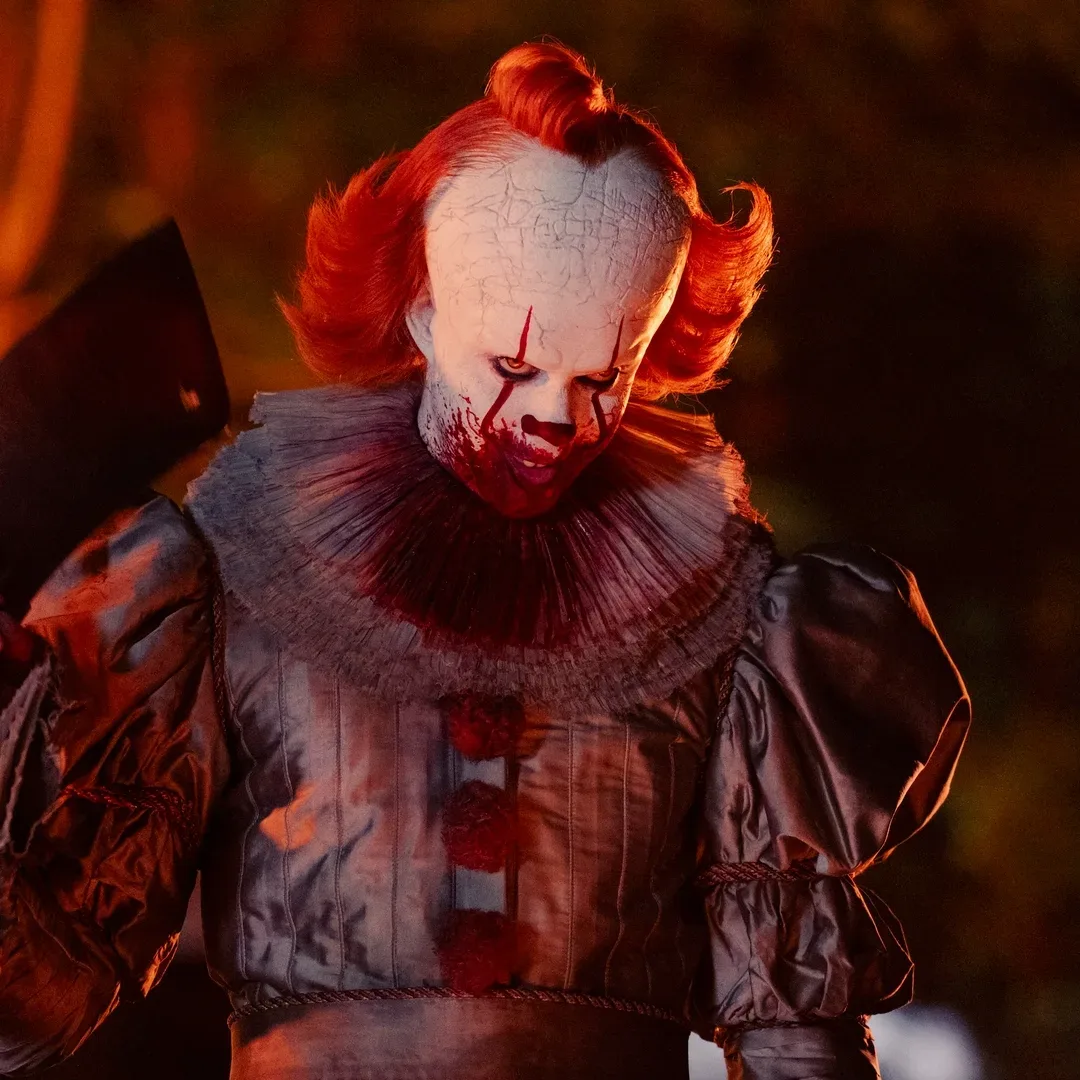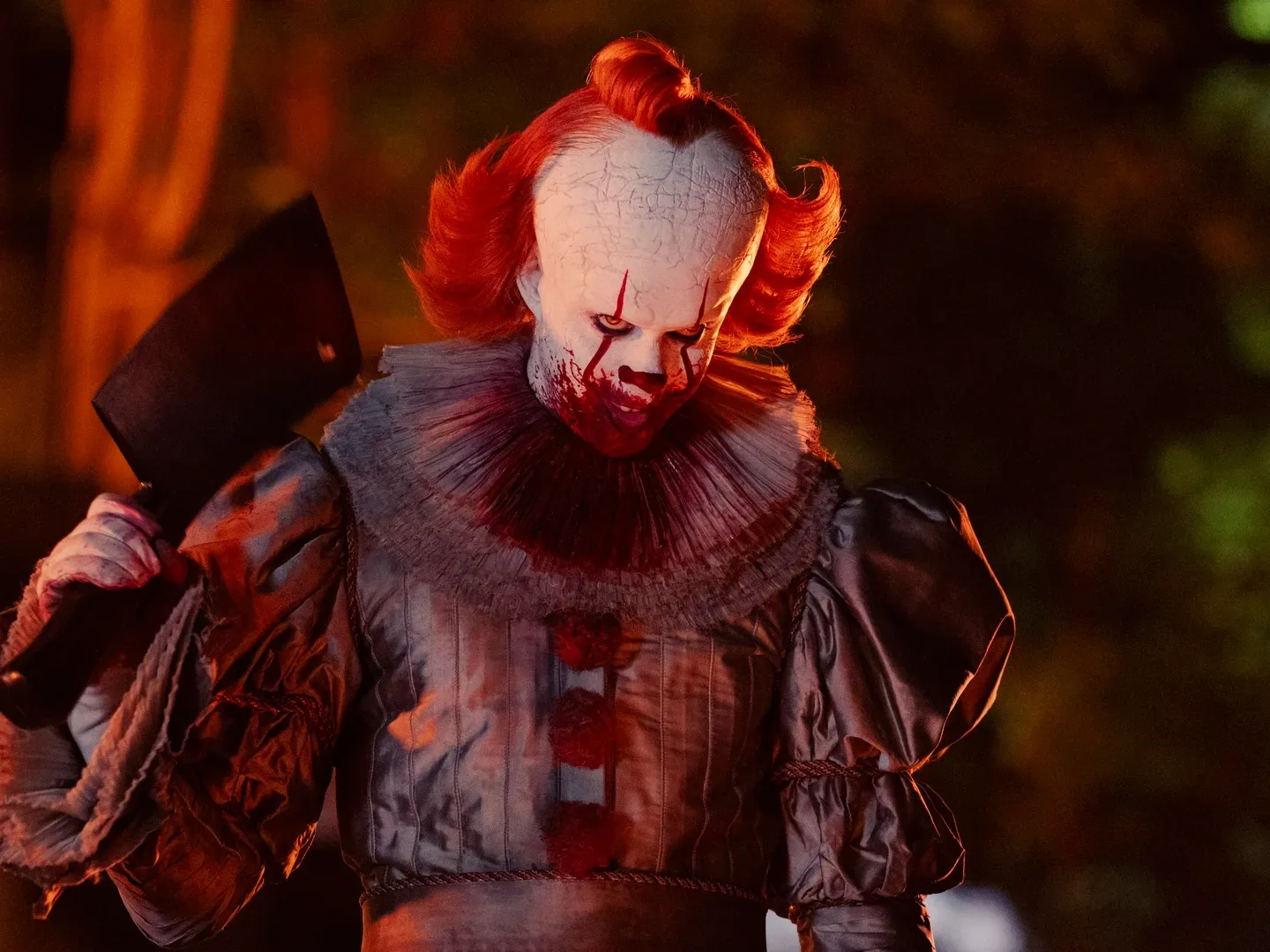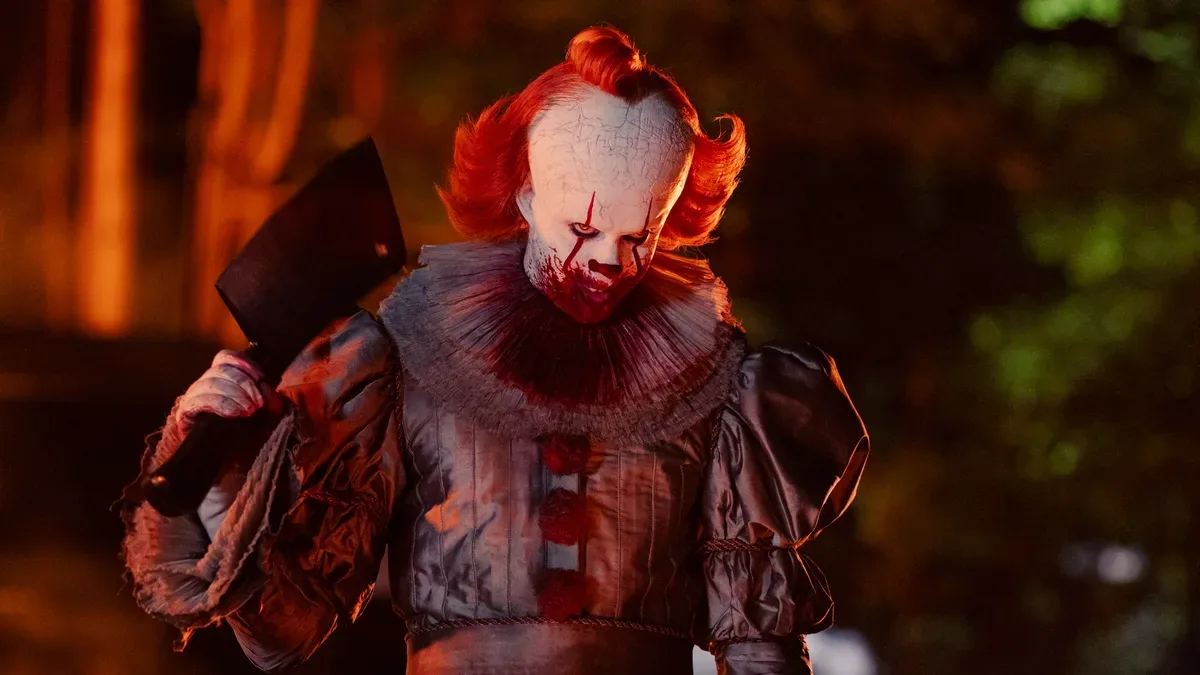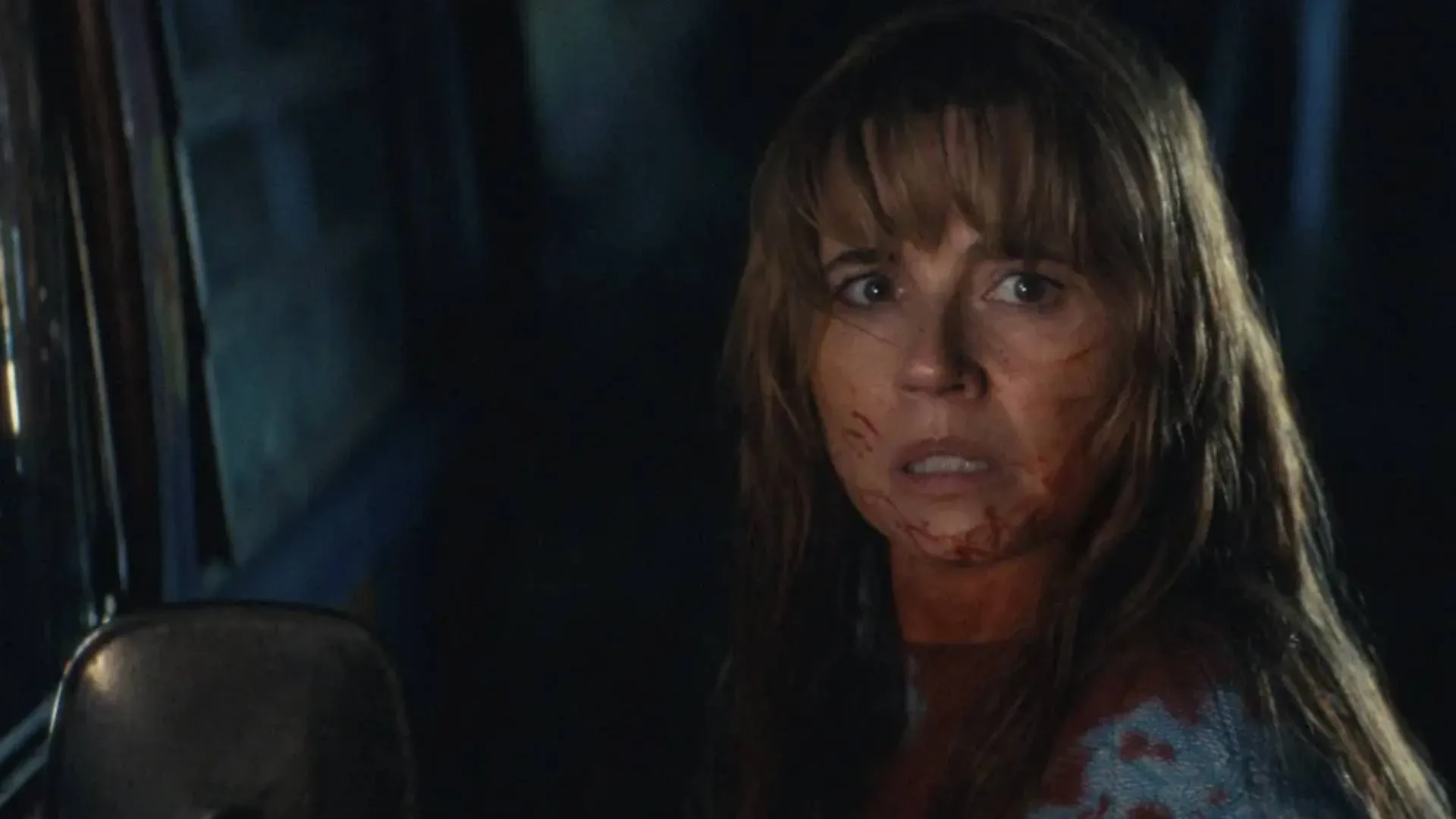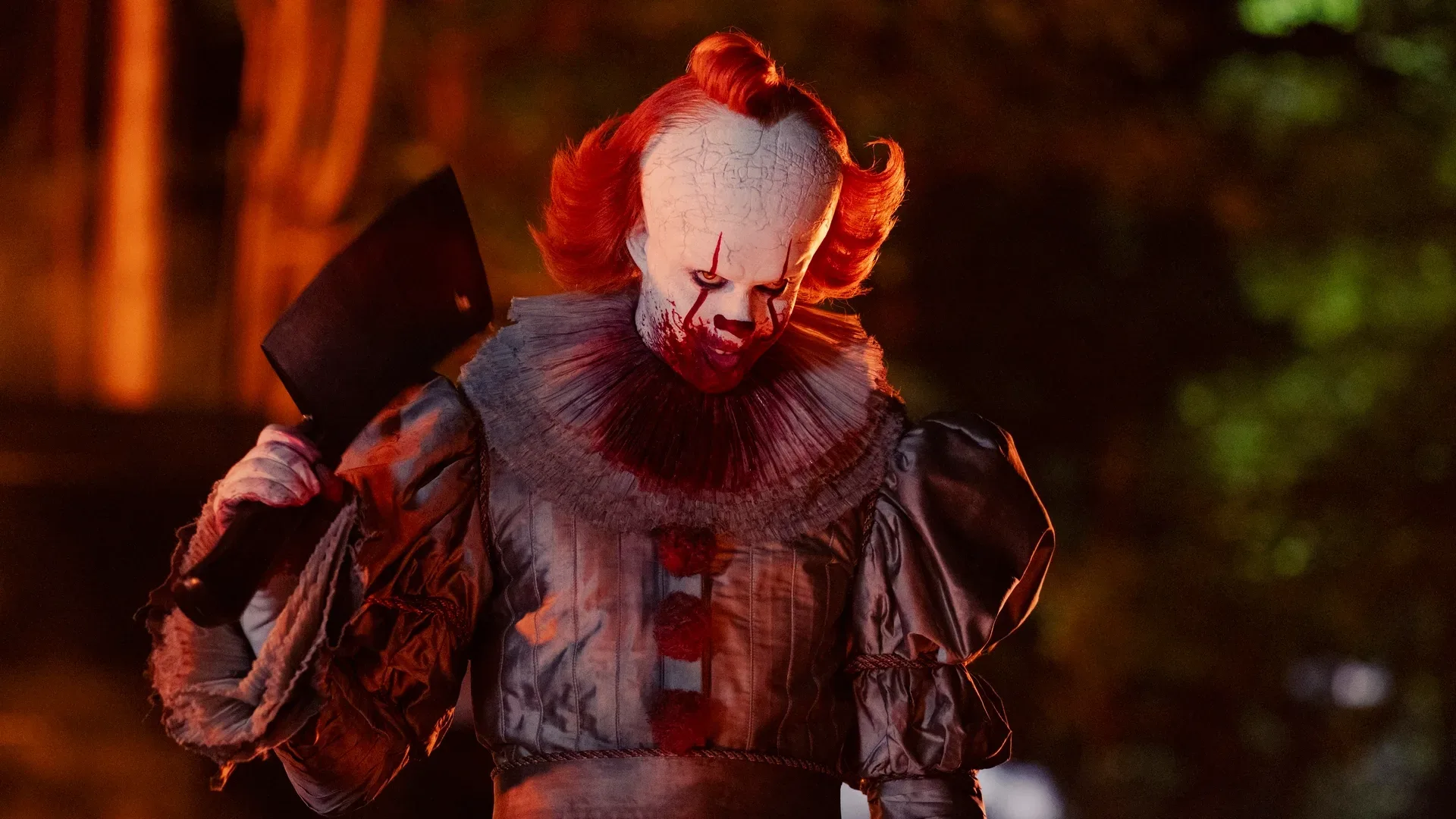
It: Welcome to Derry is heading further backward into Derry’s past for its second season. Showrunner Brad Caleb Kane has described the planned chapter as a substantially different kind of horror story: a Depression-era tale set in 1935, drawing on the language of a classic gangster picture while filtering that world through Pennywise and Stephen King’s fictional Maine town.
The premise places the season another 27 years before the first season’s 1960s setting. Its central historical wound is expected to be the Bradley Gang Massacre, a violent Derry event referenced in King’s 1986 novel IT. The new season has no release date, official synopsis, or announced cast at present. The creative team is still developing it, although Kane says multiple scripts exist, more than half of the season’s story has been broken, and the production is beginning to edge toward pre-production.
That leaves plenty unsettled. But the elements that have been shared suggest that season 2 will not simply repeat season 1’s period-horror structure with a new set of children and a different Pennywise attack. The proposed 1935 setting, criminal gang backdrop, and promise of a much bloodier story all point to a new lens on how evil accumulates in Derry.
A 1935 setting changes the shape of Derry
“Different palette” is a useful way to understand the stated direction. In film and television, a palette can mean visual choices such as color, costuming, sets, and lighting, but it also means the overall emotional and genre atmosphere. A Depression-era gangster picture carries implications beyond fedoras, getaway cars, and old-fashioned firearms. It evokes an environment of economic strain, criminal notoriety, public fear, and civic pressure—conditions that are well suited to Derry’s recurring pattern of horror surfacing around communal trauma.
Kane’s comparison does not confirm a list of scenes, characters, or plot mechanics. It does establish a tonal target: an organized-crime story refracted through supernatural horror. In practical storytelling terms, that potentially gives the season a different kind of momentum from the first season. A gangster framework can involve robberies, pursuit, escalating retaliation, authorities, and a town caught in the middle. Pennywise’s presence turns that real-world violence into something more disturbing, because the entity is associated with Derry’s ugliest moments rather than standing outside them.
The show’s 27-year jumps are crucial to the larger design. Season 1 was set in the 1960s, 27 years before Andy Muschietti’s first It film, and followed Pennywise’s terror after a boy vanished. That storyline ultimately led toward the devastating fire at the Black Spot. Moving back another 27 years to the 1930s continues the chronology in reverse rather than advancing beyond the film-era events.
That format makes Derry itself the continuing protagonist—and, in many ways, the continuing crime scene. Each era can introduce a different group of people, social conditions, and local catastrophe while preserving Pennywise as the connective force. It also lets the series explore an important idea from King’s mythology: the clown is not merely a monster who occasionally visits a peaceful community. Pennywise is intertwined with Derry’s cycles of fear and violence.
The Bradley Gang Massacre is the key piece of book lore
The Bradley Gang Massacre is not a newly invented event for television. It comes from King’s novel, where the Bradley Gang are criminals who rob stores and banks in Derry. Their story ends in a deadly shootout in the center of town.
Within the show’s stated framework, the massacre offers a natural foundation for a season built around crime and horror. The gang element gives the story a period-specific genre engine; the massacre supplies the public tragedy that can expose the town’s darker nature. Pennywise was present at the shootout in the novel, just as the entity was present around the Black Spot tragedy. That connection is the strongest indication of why this particular piece of Derry history has been selected.
It is worth separating what is known from what remains interpretation. The setting is 1935. The season is intended to focus on the Bradley Gang Massacre. Pennywise’s connection to the event originates in the novel. Those are supported details. It has not been confirmed how closely the adaptation will follow the book’s version of the incident, whose perspective will anchor the story, which Bradley Gang members will appear, or how much of the season will be structured as a crime narrative.
That uncertainty matters because adaptation is not a one-to-one process. A reference in a novel can become the basis for an entirely new season of television, with fresh characters and expanded dramatic stakes. The shared premise establishes the destination; it does not yet reveal the route.
Why the “very bloody” promise is more than a gore forecast
Kane has said season 2 will be “very, very bloody” as well as very different from season 1. Taken literally, viewers should reasonably expect more graphic violence. But the word also fits the chosen material on a thematic level. A gang story culminating in a massacre already has violence built into its historical framework. Pennywise’s involvement means the show can treat bloodshed not only as spectacle, but as evidence of the town’s sickness.
That distinction is central to It. Pennywise feeds on negative energy, making Derry’s cruelty, panic, prejudice, and brutality meaningful within the horror mythology. The supernatural threat does not erase human wrongdoing. Instead, it lurks beside it, exploits it, and is drawn to it. The Black Spot and the Bradley Gang incident therefore function as more than isolated lore entries: they show the same destructive force appearing at different points in the town’s long history.
A bloodier approach would fit the creative description, but it should not be mistaken for a confirmed rating, a count of violent scenes, or a specific style of effects. None of that has been announced. What is clear is that the makers want the second season to feel distinct in both setting and intensity.
Who is confirmed—and who is only expected
Brad Caleb Kane is now the sole showrunner for season 2. He previously served as co-showrunner with Jason Fuchs on season 1. Andy Muschietti and Barbara Muschietti created the series.
Kane’s update on the writers’ room is one of the more concrete signs of progress: there are multiple scripts, the team has mapped out more than half the story, and pre-production is beginning to come into view. Pre-production is the planning phase in which productions prepare the work required before principal filming, such as refining scripts, designing the production, casting, scheduling, and coordinating practical needs. Being on the edge of that phase does not establish a premiere window, but it does indicate the season is moving beyond a purely conceptual stage.
Bill Skarsgård is expected to return as Pennywise, but that expectation should not be treated as a formal cast announcement. No cast has been officially announced for season 2. Andy Muschietti has, however, confirmed that younger versions of season 1 characters will appear. Since the story goes back nearly three decades before season 1, those roles will require new, younger performers.
That creates an interesting continuity challenge. Bringing back younger versions of characters can connect separate generations of Derry residents and show how the town’s past informs its future. At the same time, the time jump requires the series to establish a mostly new group of faces who can carry the story on their own. The familiar presence, if Skarsgård returns, would be Pennywise: the figure who makes every era feel like part of the same nightmare.
What viewers should and should not expect right now
The strongest reasonable expectation is a period crime-horror season with Pennywise at the edge—or possibly the center—of a notorious Derry tragedy. The 1935 setting and gangster-picture comparison make that much clearer than a generic promise of “more It.” It suggests a season interested in criminal violence, public catastrophe, and a town whose evil has deep historical roots.
Still, the project remains early enough that caution is necessary. There is no release date. There is no official synopsis. There are no officially announced actors. There is no confirmed episode count, filming timetable, or detailed character list. The safest reading is that season 2 has a defined creative direction and active scripts, not that it has entered a fully revealed production rollout.
For horror fans, the appeal of the plan is its refusal to treat Pennywise as a monster limited to one decade or one style of scare. The entity can sit inside different genres because Derry keeps generating the fear on which it feeds. Season 1 used the 1960s and the Black Spot’s looming tragedy. Season 2 is preparing to use 1935, the Depression, and the Bradley Gang Massacre. The clown remains the nightmare; the town keeps changing the mask around it.
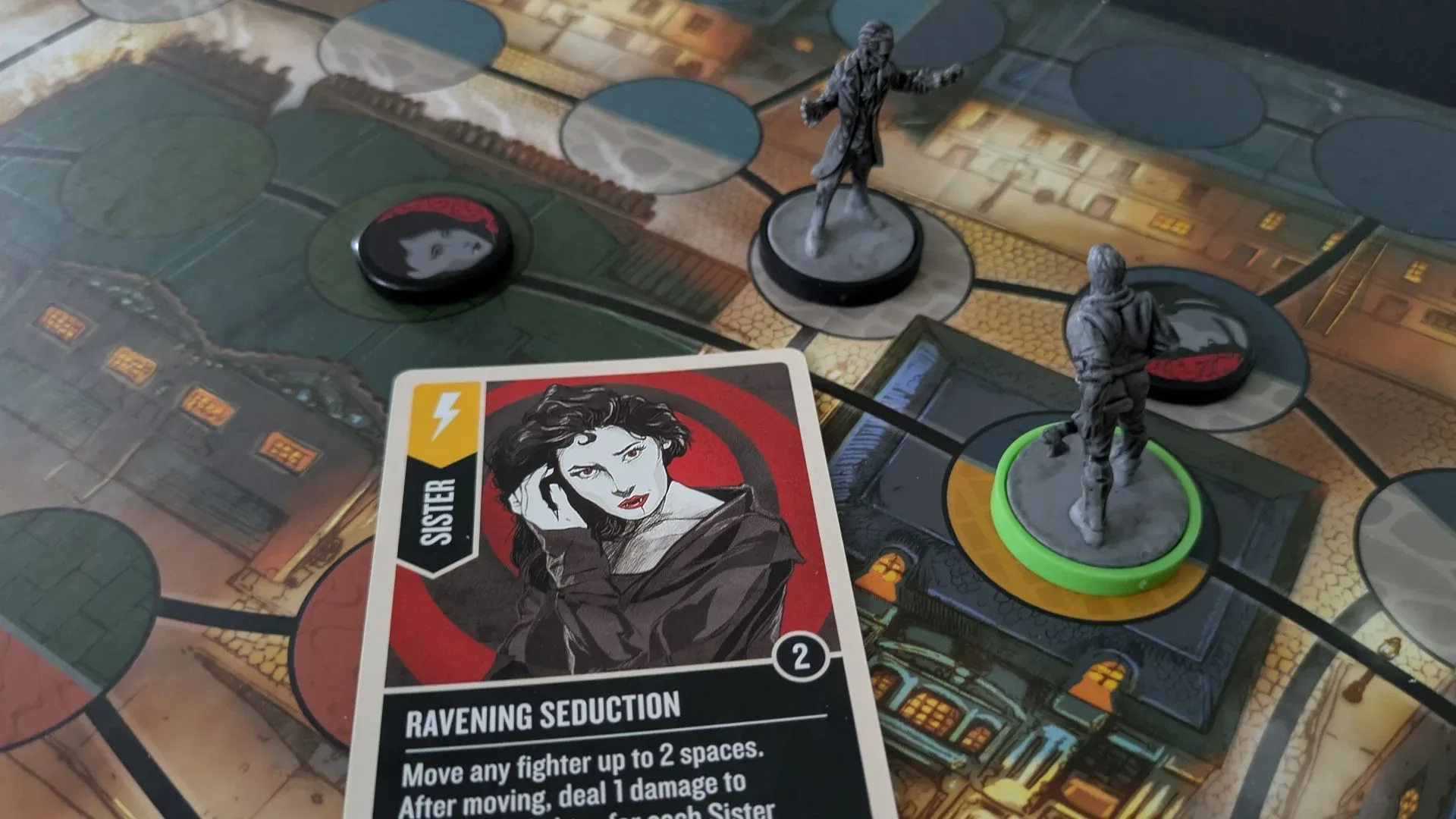
That genre blending also has a useful comparison point in games and tabletop storytelling, where recognizable monsters can become tactically or tonally fresh when placed in another setting. For a more playful Victorian-horror collision, see our look at Unmatched: Cobble & Fog. Welcome to Derry, of course, is aiming for something considerably less sporting: a town tragedy viewed through the eyes of an ancient predator.