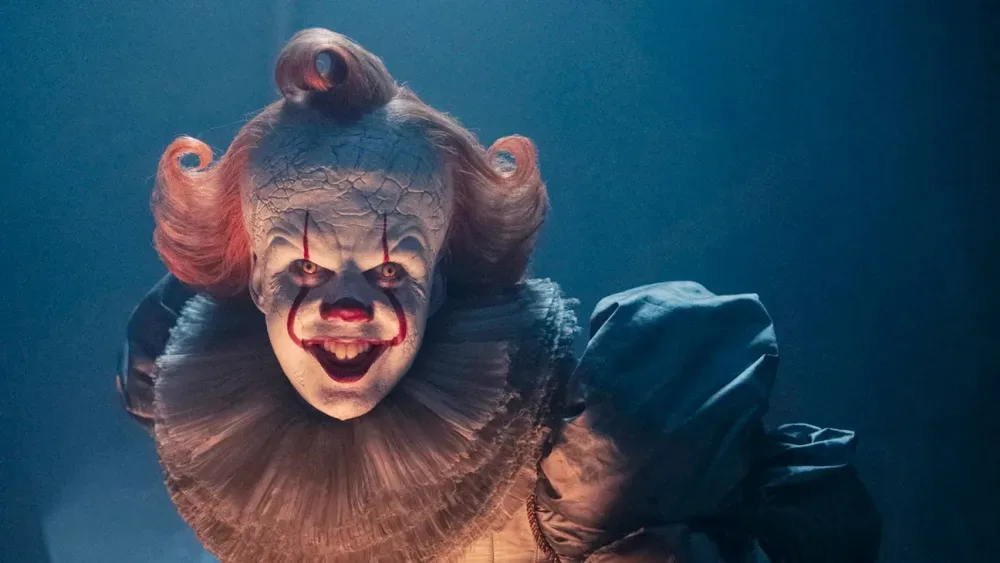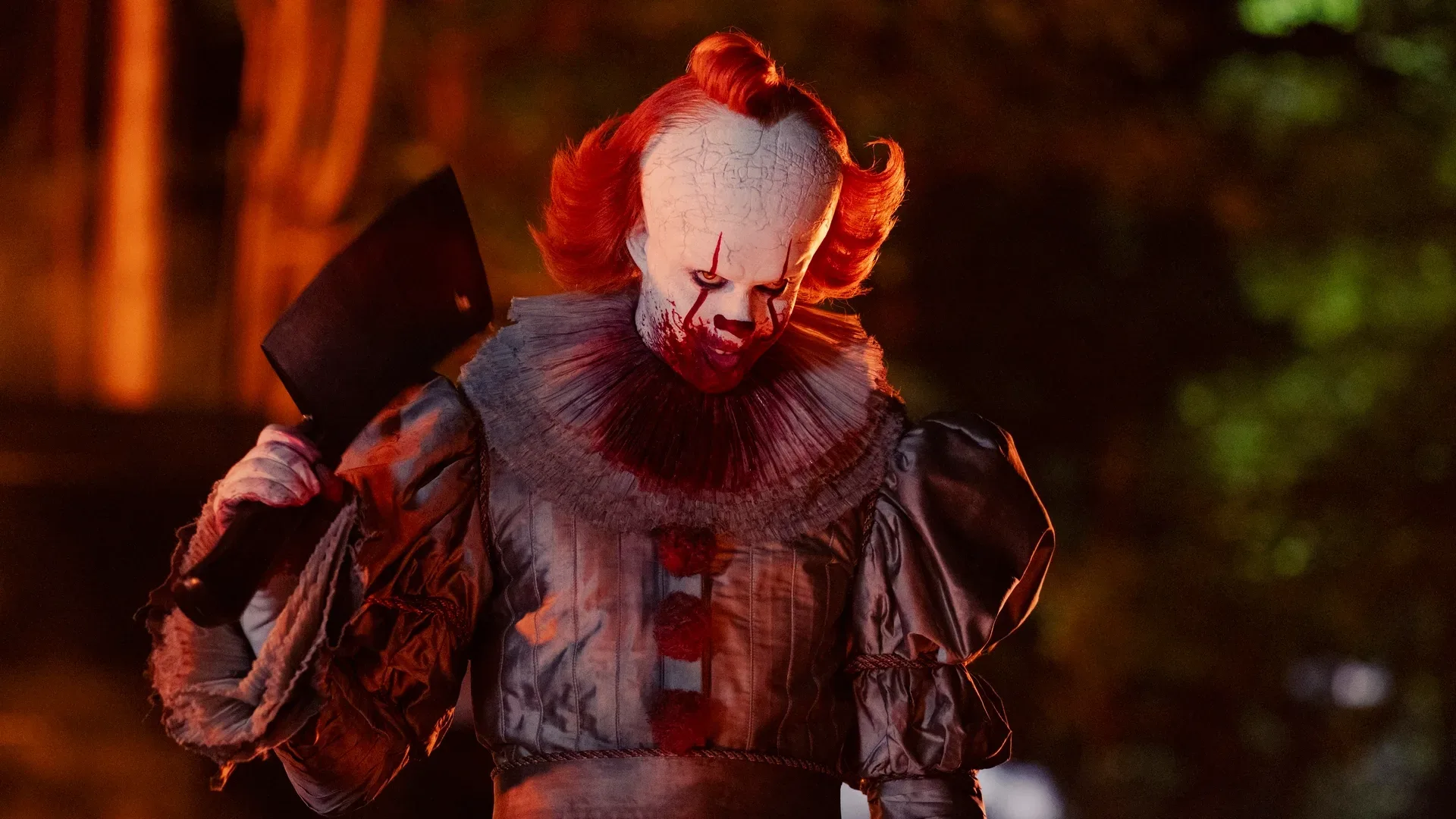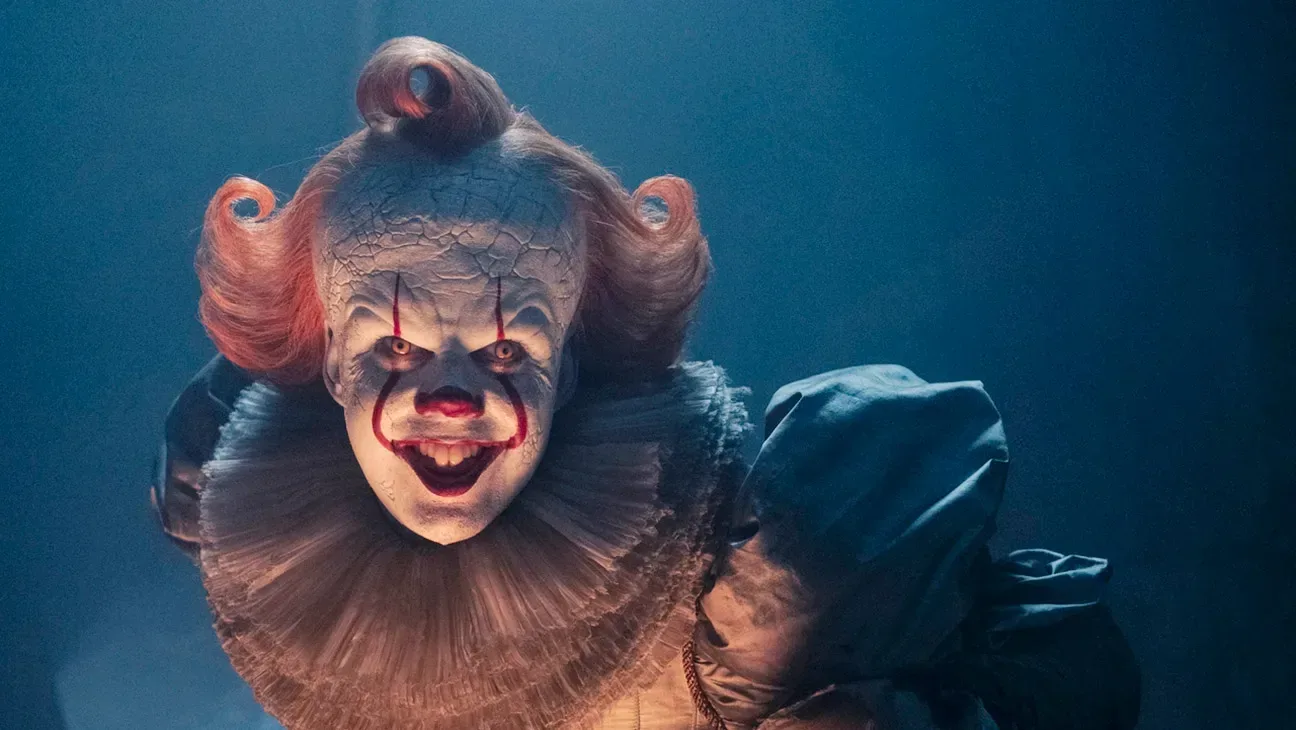
It: Welcome to Derry has added an unexpected Halloween detour. A 30-minute special titled “A Story of Derry” is now streaming, taking viewers hundreds of years before the events of the main series—and before the introduction of Pennywise.
The timing makes the new installment a fittingly ominous seasonal release, but its setting is the more intriguing detail. Rather than simply extending the first season’s 1962 story, “A Story of Derry” apparently looks much further into the fictional Maine town’s past. That makes it a potentially useful piece of world-building for a series designed around Derry’s long, cyclical history of horror.
What “A Story of Derry” is—and what is confirmed
The special has a confirmed runtime of 30 minutes. Its story occurs centuries before the television show’s central timeline and predates Pennywise’s introduction. Beyond that premise, viewers should be careful not to assume that every unanswered question about Derry or the entity behind its horrors will receive a full explanation in a single half-hour chapter.
That distinction matters because a prequel can work in several ways. It can reveal a specific historic incident, establish a pattern that later generations will recognize, or show how a place became haunted by more than one kind of trauma. The confirmed information supports the idea that this special is going back to Derry’s deep past; it does not establish a complete new chronology or promise a definitive origin story for Pennywise.
For more context, explore How to Troubleshoot a Phone Touchscreen That Stops Responding.
In plain terms, “world-building” means storytelling that develops the rules, history, places and social conditions surrounding a narrative. In the case of Welcome to Derry, the town is not merely a backdrop. Its past is a major part of the premise. A story placed centuries earlier can therefore add texture to Derry without needing to follow the same characters or visual setting as the 1962 season.
Where the special fits in the It screen story
It: Welcome to Derry premiered on HBO Max on October 26, 2025. The series is based on Stephen King’s It, while also functioning as a prequel to the two-part film adaptation released in 2017 and 2019.
Season 1 is set in 1962 and follows earlier encounters between Derry residents and Pennywise, the shape-shifting clown. “Shape-shifting” refers to an entity changing its form, an important idea in this horror world because fear can be presented differently to different people. The special’s placement centuries before that 1962 setting opens a considerably wider historical frame than an ordinary between-season episode might.
Related coverage includes ‘It: Welcome to Derry’ Releases 30-Minute Halloween Special.
For audiences tracking the adaptation’s timeline, the essential point is simple: the special is not described as taking place after Season 1. It moves backward, beyond the era of the show and beyond Pennywise’s arrival in the narrative. That makes it a historical side story within the same fictional town rather than a direct continuation of the 1962 plot.
Season 2 moves from 1962 to Depression-era Derry
The series has already been renewed for a second season. Season 2 is set in 1935, during the Great Depression, which means the show will again move backward in time from Season 1’s 1962 setting—though not nearly as far back as “A Story of Derry.”
The Great Depression was a period of severe economic hardship. Within the show’s stated setup, that historical pressure is central rather than decorative. Co-creator Andy Muschietti has described a Derry populated by people struggling to survive: poor, exhausted and displaced, with children whose lives lack the security associated with a comfortable suburban upbringing. Some of the new group are described as orphans or runaways.
Muschietti has also said the second season will have a different aesthetic from the first. In film and television discussion, aesthetic means the overall sensory and stylistic character of a work: the look of the locations and costumes, the atmosphere created by sets and lighting, and the emotional impression of the setting. The description of Derry as depleted and bleak suggests that 1935 will not simply be 1962 with older cars and clothes.
That shift has practical storytelling consequences. Season 1’s 1962 setting centers on residents facing an earlier manifestation of Pennywise. The 1935 story is positioned in a town already battered by economic and social conditions. Horror in that environment can draw tension from two simultaneous threats: the supernatural danger and the very human struggle for shelter, work, safety and a future.
At the same time, Muschietti has emphasized that hope remains part of the new group’s journey. That is a notable counterweight to the season’s severe setting. A relentlessly miserable backdrop is not automatically dramatic; characters need something to protect, pursue or believe can change. The stated presence of hope indicates that the season’s bleakness is meant to intensify the stakes rather than replace character momentum.
The Bradley Gang massacre will anchor Season 2
The official Season 2 setup centers on the bloody massacre of the Bradley Gang, a group of bank robbers who stop in Derry to purchase ammunition and encounter unimaginable horror. The Bradley Gang massacre is also an interlude in King’s original novel.
An interlude is a section that interrupts or sits alongside the principal storyline to provide context, history or a different perspective. In a novel as concerned with Derry’s recurring violence as It, such sections can make the town’s past feel like an active force rather than a list of disconnected old events. Bringing the Bradley Gang incident into the television series gives Season 2 a defined historical event around which its Depression-era narrative can build.
The premise also makes clear that this will not be a conventional crime story merely borrowing a horror label. The gang’s stop for ammunition is the point at which the plot enters Derry’s particular nightmare. The show’s established focus on the town’s residents and Pennywise remains relevant, while the criminal group supplies a route into a different part of Derry’s history.
Why the Halloween special may matter to viewers
A 30-minute special can serve audiences in more than one way. For viewers already following the show, it offers a compact visit to an era not covered by the main seasons currently described. For anyone coming to the series through the films or King’s novel, it reinforces the key prequel concept: Derry has a history far larger than one group of characters or one time period.
The special’s most meaningful implication is thematic rather than mechanical. The series is charting Derry across very different eras: a centuries-old past in “A Story of Derry,” 1935 in the second season, and 1962 in the first. Those leaps allow the show to examine how the town changes—and how recurring horror can persist through changing social conditions.
There is still a lot that has not been specified about “A Story of Derry,” including which historical event it follows and exactly how it connects to the broader seasons. That uncertainty is worth preserving. What is confirmed is enough to establish its role: this is a brief, surprise chapter that expands the show’s timeline far beyond Pennywise’s familiar image and the 1962 setting audiences first encountered in the series.
For Halloween viewing, that is a suitably unsettling proposition. Derry is not only a place with a monster lurking in its present. The new special positions it as a town with a much older story waiting underneath.