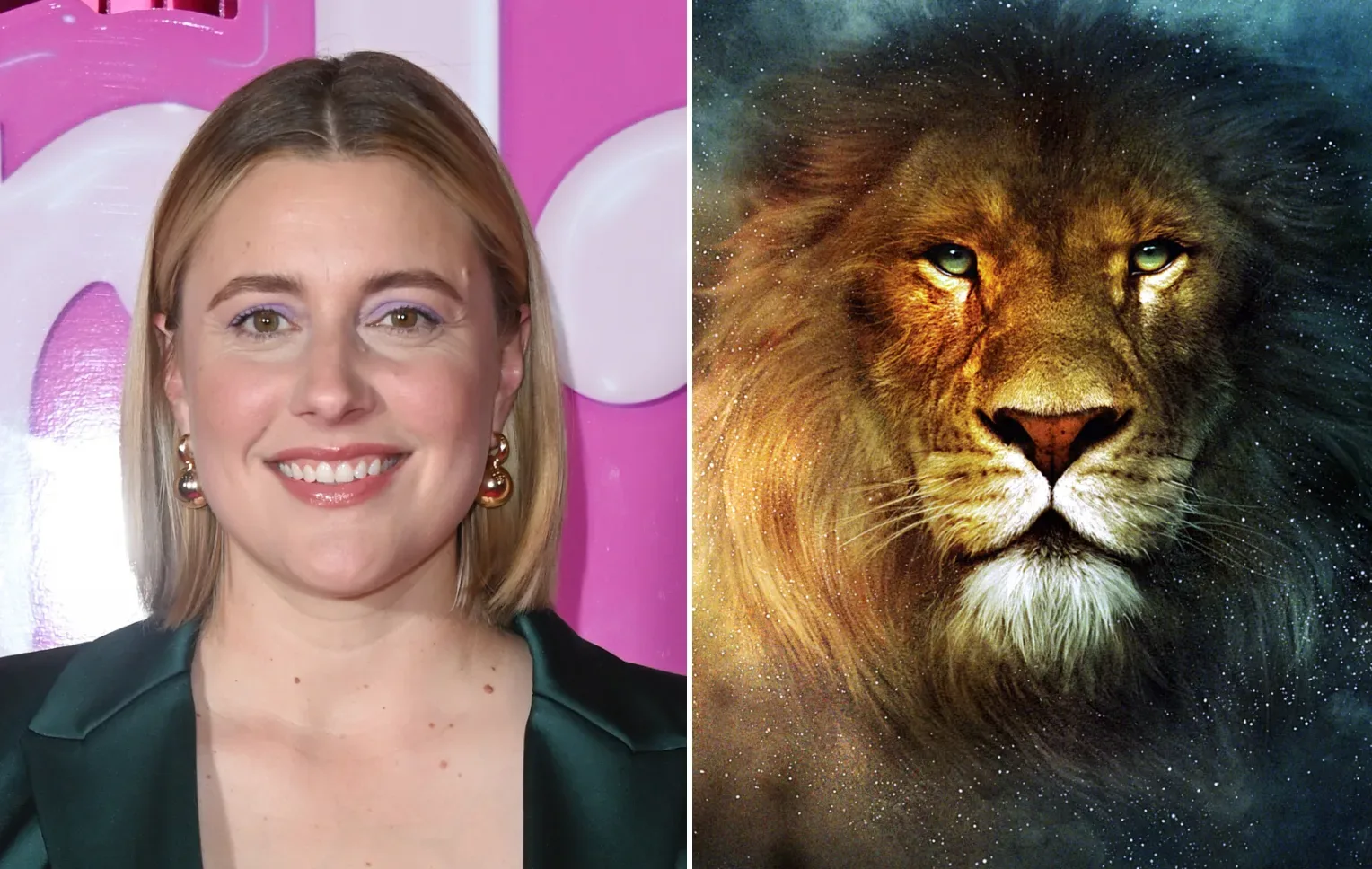
The first trailer for Greta Gerwig’s The Magician’s Nephew has arrived, offering the opening look at a new screen journey into Narnia—and, appropriately, beginning at the beginning. The film adapts the C.S. Lewis novel that works as a prequel to the broader Chronicles of Narnia saga, following Digory and Polly as their adventure expands from an encounter with a dangerous magician into a passage across fantastical worlds.
For viewers who know Narnia primarily through a wardrobe, the choice may initially feel unexpected. Yet The Magician’s Nephew is built around origins: the origins of its central realm, key threats and the chain of stories that follows. The trailer embraces that function without presenting it merely as homework for a larger franchise. It frames its two young protagonists as discoverers, not just witnesses, and makes the prospect of a world being born its clearest piece of spectacle.
The film is scheduled to open in cinemas globally on February 12, 2027, then arrive on Netflix on April 2. It will be Netflix’s first film to receive a global theatrical release, a significant part of the context for a fantasy production whose trailer leans hard into scale, creatures and cosmic imagery.
A Narnia story about first steps
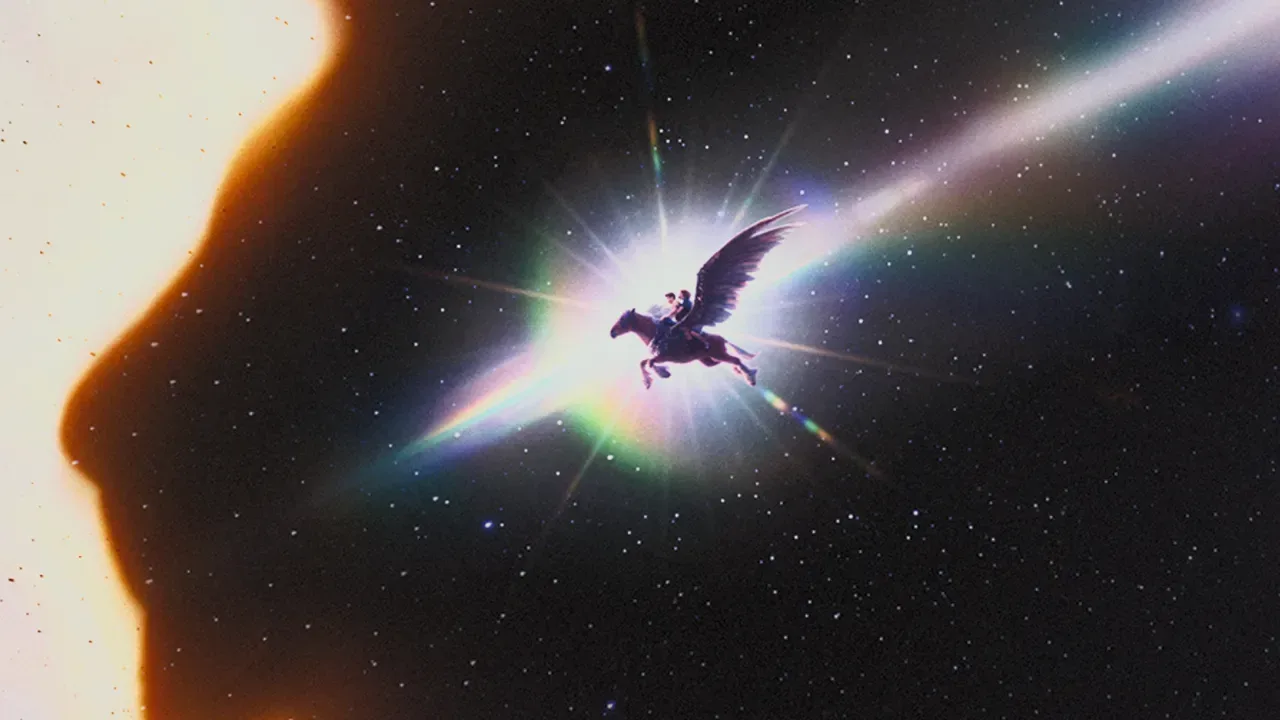
The Magician’s Nephew centers on Digory and Polly, portrayed by David McKenna and Beatrice Campbell. In the trailer, Daniel Craig’s Andrew Ketterley gives the children magical rings that send them through multiple strange lands. Their route includes the Wood between the Worlds, a location connected to Narnia’s earliest discoveries, and brings them into contact with figures who will hold enormous meaning within the wider mythology.
That structure distinguishes this entry from a conventional sequel. A prequel tells a story set before an already established narrative, often illuminating characters, places or events that audiences recognize from later installments. Here, the prequel framework is especially central: Narnia itself is not simply a magical destination waiting at the other end of the journey. The trailer signals that its formation is part of the movie’s dramatic purpose.
Andrew Ketterley’s opening thought—“sometimes one story is the beginning of all the others”—does more than sell the concept. It identifies the film’s position in the mythology. The rings, the children’s movement between realms, and the sight of a newly forming Narnia all point toward a tale concerned with consequences that will echo far beyond its young leads.
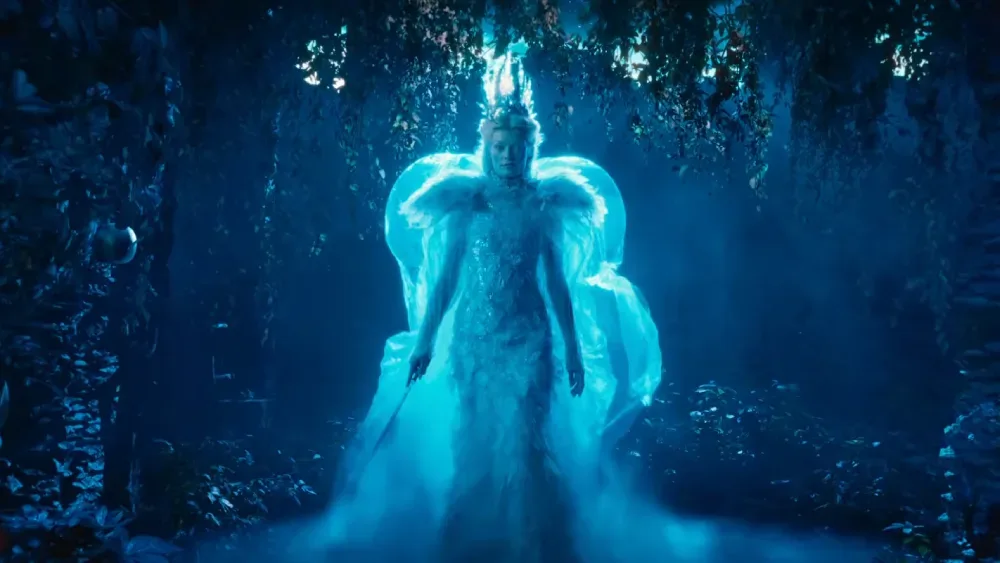
The trailer also introduces Emma Mackey as Jadis, identified here as the last Queen of Charn and the future White Witch. Longtime readers will understand why that title matters; newcomers can take it as a warning that the strange places reached by Digory and Polly are not harmless storybook detours. Fledge, the talking horse capable of flight, is another of the trailer’s fantastical presences.
Aslan, music and the trailer’s biggest image
The most striking image described by the preview is a glimpse of Aslan singing Narnia to life. Meryl Streep voices the mythical lion. Rather than hold Aslan back entirely as a distant tease, the trailer uses the character to underline the movie’s creative premise: a realm is coming into existence, and music is directly tied to that creation.
Gerwig has characterized Narnia as “a world made out of music,” and the trailer’s soundtrack choice makes that idea literal in a different way. It is scored to Led Zeppelin’s “Stairway to Heaven.” The song is an unusually prominent choice for a fantasy trailer because it carries its own huge cultural footprint. It is not background decoration, and its presence can be expected to shape immediate conversation around the footage as much as any creature reveal.
Gerwig connected the track to an epic spiritual journey and to the idea of false idols and bad roads. That interpretation aligns with a trailer about children moving through unknown worlds under the influence of a magician whose gifts come with obvious risk. It also gives the song a narrative rationale beyond sheer recognition value.
Using a famous recording in a film requires music licensing: permission for a song to be used in a specific production and context. In this case, Gerwig wrote to Led Zeppelin vocalist Robert Plant and guitarist Jimmy Page, and showed them an early cut of the film. The band has been reluctant to license its catalog for film and television, making the inclusion meaningful as a creative choice as well as a marketing hook.
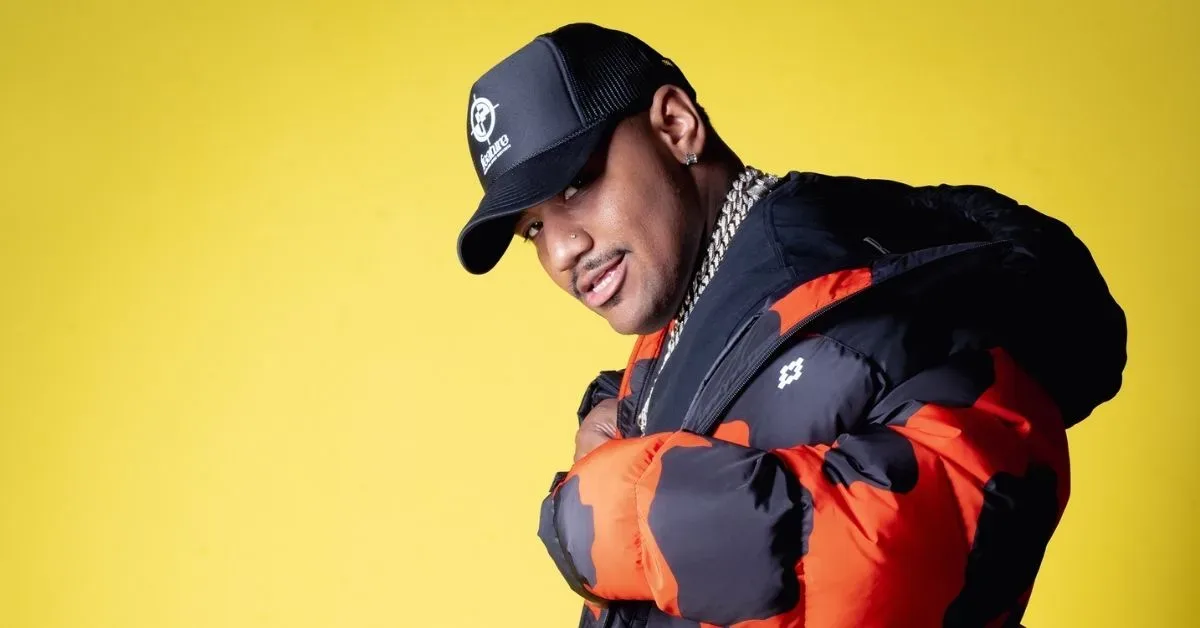
Music is often asked to do a great deal in a trailer: establish pace, tell audiences what emotional register to expect, and make a short selection of images feel like a coherent event. “Stairway to Heaven” appears to be serving all three functions here. Its scale matches the presentation of world creation, while its thematic associations support Gerwig’s stated interest in spiritual direction and misdirection. For another look at how a track’s identity and roots can drive the conversation around a release, see this discussion of Derrick Milano’s “Send Her My Direction”.
Why this book is the starting point
Lewis’ seven-book series began publication with The Lion, the Witch and the Wardrobe in 1950. The Magician’s Nephew followed in 1955. Although it arrived later, Lewis later indicated that he preferred readers to begin with The Magician’s Nephew, reflecting its role as the saga’s chronological opening.
That distinction between publication order and chronological order matters for adaptations. Publication order means the sequence in which books originally reached readers; chronological order puts fictional events in the order they occur inside the story world. Neither is automatically the only correct route for a film series, but beginning with The Magician’s Nephew gives Gerwig’s project a clean on-screen foundation. It lets the film introduce Narnia in the same moment that the principal characters encounter its mysteries.
There is also a practical dramatic advantage to that approach. Digory and Polly are not returning heroes who must be quickly re-established for an audience. They can act as the audience’s guides through the unknown. Their amazement, uncertainty and decision-making are the entry point, while the later significance of characters such as Jadis and Aslan can unfold rather than arrive as assumed knowledge.
Narnia has, of course, reached television and film before. The books were adapted as a BBC miniseries that ran from 1988 to 1990. Disney and 20th Century later produced three films: The Lion, the Witch and the Wardrobe in 2005, Prince Caspian in 2008 and The Voyage of the Dawn Treader in 2010. Gerwig’s film is therefore not the first screen Narnia, but it is taking a different opening route from the most recent theatrical trilogy.
Gerwig’s route from reader to director
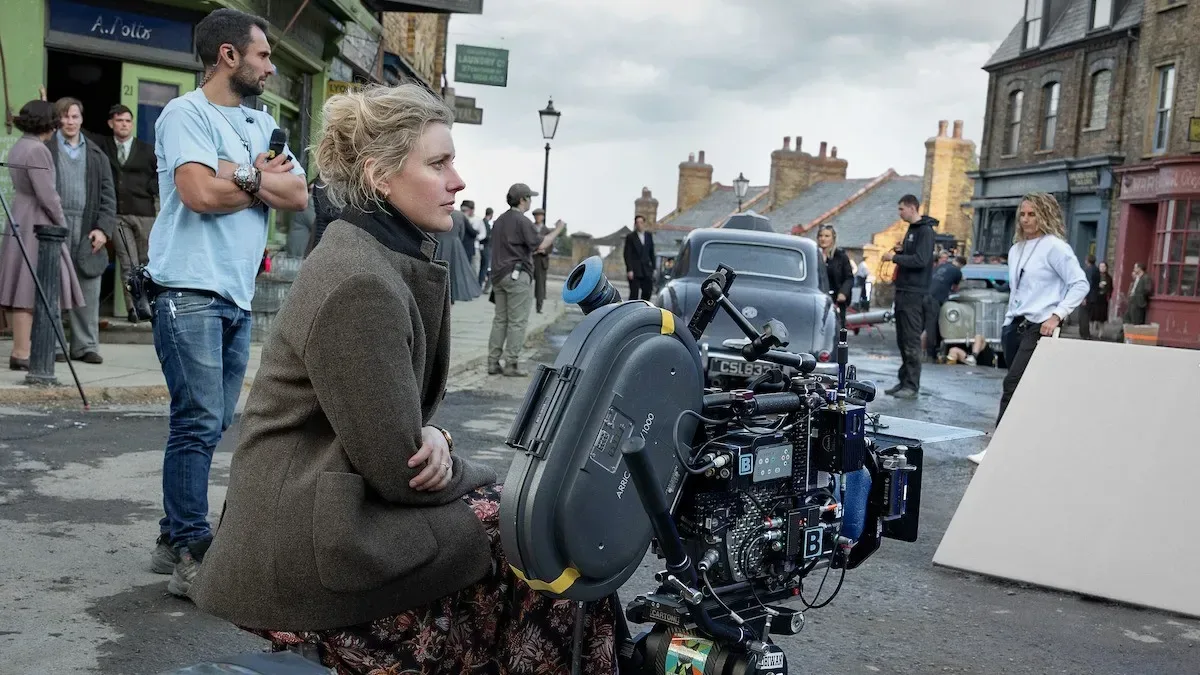
Gerwig has made clear that the books are personal to her, saying she cannot remember a time when she did not know them and that they helped make her who she is. Her involvement began after Netflix obtained rights to the property in 2018. Around the period of Netflix’s release of Noah Baumbach’s Marriage Story in 2019, Gerwig approached Netflix chief executive Ted Sarandos with her case for beginning with The Magician’s Nephew.
Her recollection of that conversation is revealing. She said she made a “beeline” for Sarandos at a cocktail party, explained why this particular book should come first, and was soon asked if she wanted to write it. At that time, she had made Lady Bird and Little Women, but had not yet made Barbie.
That sequence makes the eventual project feel less like a director being handed a brand after a blockbuster and more like a long-held adaptation idea meeting an opportunity. The Magician’s Nephew is Gerwig’s first feature since 2023’s Barbie, which adds weight to expectations, but the available details suggest an older creative attachment to Lewis’ world rather than a sudden change in direction.
Gerwig has also emphasized the theatrical dimension of the release. She said she only knows how to make films for the big screen, while Sarandos encouraged her to make this one for “the biggest screen” and trust the process. That is an important framing detail, because a theatrical window followed by streaming is not just a release calendar item in this case. It corresponds with the stated intent behind the filmmaking: the worlds, the music and the creation imagery are meant to be encountered at cinematic scale before the Netflix launch.
The young leads at the center of a large cast
Massive fantasy settings can invite attention toward recognizable adult stars and visual effects, but the story’s credibility rests with Digory and Polly. Gerwig searched through thousands of taped auditions over several months before selecting McKenna and Campbell. Her description of a screen test explains what she was looking for beyond individual performance: when Campbell sniffled, McKenna silently gestured off camera for a tissue. Gerwig saw two young performers already looking after one another.
That small observation is not a substitute for knowing how their characters will play on screen, but it gives a useful indication of the production’s emphasis. The film needs the partnership between its two children to feel convincing, because the trailer’s major discoveries and dangers are filtered through them. A magical ring and a new world can establish plot; the relationship between the characters has to provide the human stakes.
Craig, Mackey and Streep are joined in the cast by Carey Mulligan and Ciarán Hinds. The supplied details do not identify Mulligan’s or Hinds’ roles, so any assumptions about their characters would be premature. What is clear is the balance of the ensemble: two newcomers anchoring the narrative alongside established actors associated with some of its most consequential figures.
Gerwig also recalled an early rehearsal exchange in which Craig told the children he was nervous, only for them to reassure him that Gerwig was nice and he would be fine. It is a charming detail, but it also neatly captures the apparent tone of the project’s public presentation so far: grand mythology without treating its youngest performers as an afterthought.
What the trailer does—and does not—settle
A first trailer is an invitation, not a full explanation. This one establishes the main pieces: Digory and Polly’s journey, Ketterley’s rings, the Wood between the Worlds, Jadis, Fledge, Aslan and the birth of Narnia. It also makes a strong tonal commitment through the use of Led Zeppelin and its immense fantasy imagery.
It does not, from the information available, offer a complete account of how Gerwig will structure every part of Lewis’ book, how closely scenes will follow its text, or what a future run of films might include. Those are questions viewers may reasonably have, particularly given the project’s importance as a new cinematic Narnia starting point, but the trailer should not be mistaken for confirmation of details it has not supplied.
What it does make plain is the intended experience. Gerwig hopes audiences laugh, cry and feel they have gone on an adventure. More unusually, she hopes they emerge wanting to make something of their own—whether that is a song, a cake or a painting. Her idea that making things is an act of hope fits a story about creation especially well. Before the film reaches theaters in February 2027 and Netflix in April, the trailer’s job is to make that first act of creation feel worth stepping into.