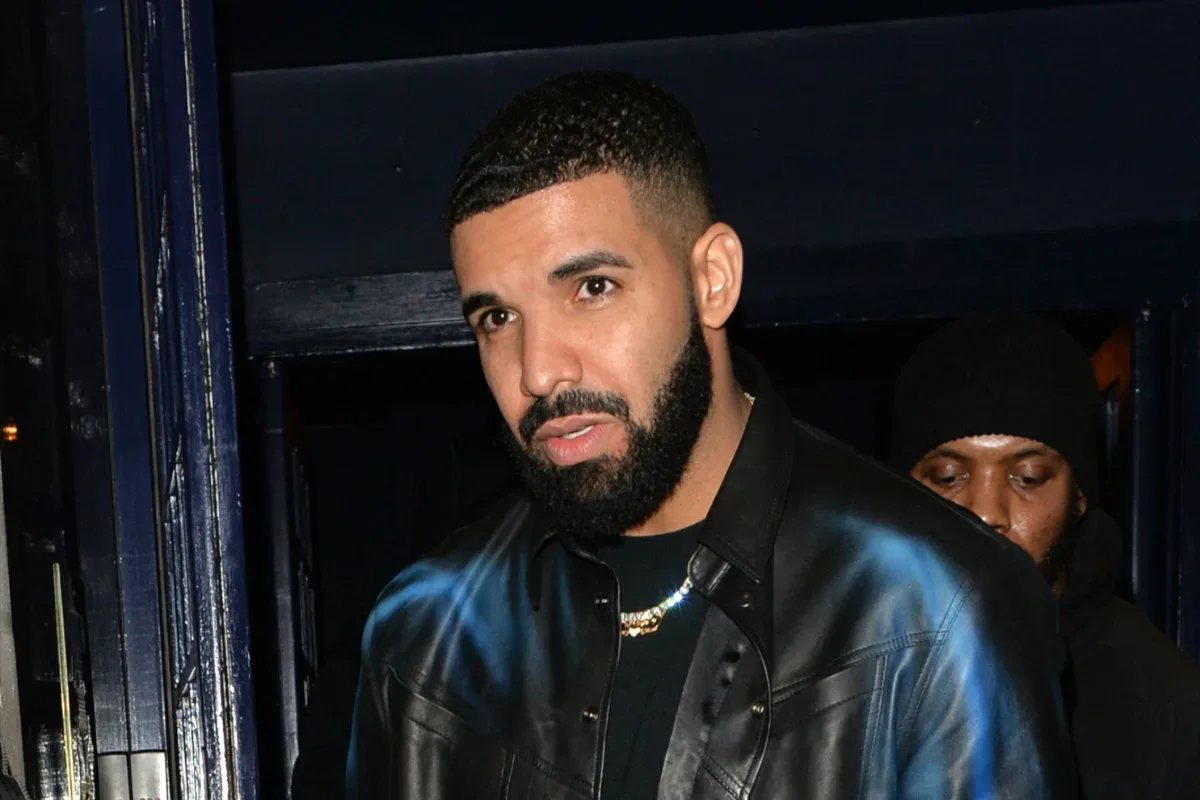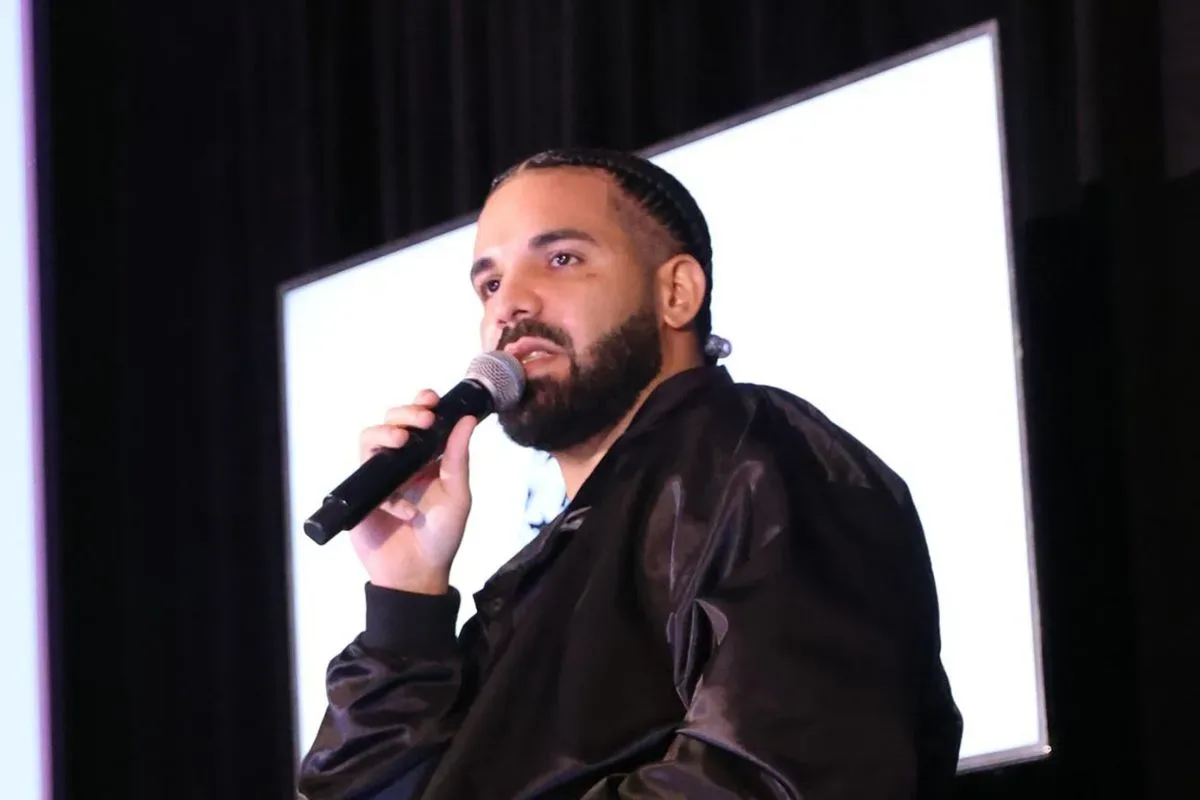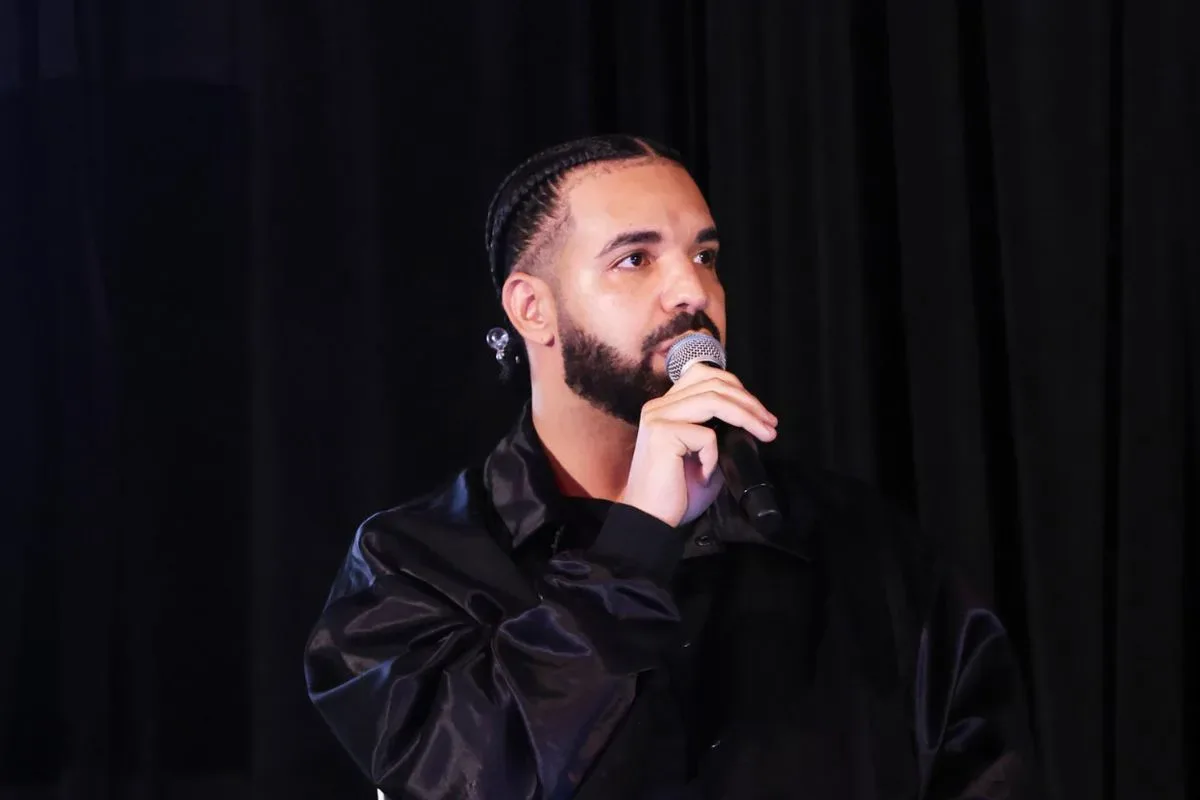
Drake has claimed sole possession of a major chart record: HABIBTI is his 18th No. 1 album on the Top R&B/Hip-Hop Albums chart. The album rose from No. 35 to the summit on the chart dated October 17, moving Drake beyond both Future and the Temptations, who stand on 17 leaders apiece.
The achievement connects a contemporary streaming-era release to a benchmark with deep Motown roots. The Temptations first established the record with their third chart-topper, Gettin’ Ready, in July 1966, then extended their tally to 17 when A Song For You reached No. 1 in May 1975. Drake’s new total therefore ends—or, more accurately, takes over—a record that the group had held or shared for six decades.
How HABIBTI returned to the top
The rise was powered by the HABIBTI (FOMO) expansion, which added four tracks that had appeared in Drake’s self-funded online FOMO film. The updated album now contains 15 songs, and it gave music previewed in that project an official streaming release.
The added tracks are:
- “Solar Eclipse”, which features Don Toliver and reworks Ella Langley’s “Choosin’ Texas”
- “Cold Shoulder”, bringing together Drake, Don Toliver and Yebba
- “Quebec”
- “Classic PT2”, an extension of a song from the original album
Drake premiered the FOMO film online in September and had indicated that some of its music would make its way to streaming, while cautioning fans that the full soundtrack might not. The expanded HABIBTI release supplied a clear home for four of those songs without confirming a wider soundtrack rollout.
For the tracking week ending October 8, HABIBTI earned 71,000 U.S. album-equivalent units, an increase of 506%. Nearly 70,000 of that total came through streaming. The surge also pushed the album from No. 116 to No. 2 on the all-genre Billboard 200.
What “album-equivalent units” means here
Album-equivalent units are a chart measurement that combines more than one kind of music consumption into a single total. In this case, streaming made up almost all of HABIBTI’s 71,000-unit week. That distinction matters because a new edition can concentrate listeners around both newly released songs and an existing album catalog, rather than relying only on conventional album purchases.
The chart total also combines the album’s editions. Put simply, the original HABIBTI and its FOMO expansion count together for the album’s chart performance. That helps explain why an expansion can materially change an album’s position months after its initial arrival: the new songs are part of the same charting album total, while their release creates a fresh reason for audiences to listen.
Related coverage includes Drake Claims 18th No. 1 on Top R&B/Hip-Hop Albums Chart.
A No. 1 replacement by Drake himself
HABIBTI did not merely reach the summit; it replaced Drake’s own ICEMAN at No. 1. That reversal adds a notable wrinkle to the result. When ICEMAN and HABIBTI arrived alongside MAID OF HONOUR on May 15, ICEMAN had kept HABIBTI from the top position. The later expanded edition changed that order.
It is the first self-replacement at No. 1 on this chart since May 2024, when Future and Metro Boomin exchanged the top slot with their two collaborative albums. A self-replacement occurs when an artist’s release succeeds another release by that same artist at No. 1. It is not simply a case of appearing multiple times on a chart; it means the outgoing chart leader and incoming chart leader share the same principal artist.
For Drake, the outcome reflects a release plan built around connected projects and later additions rather than a single isolated album cycle. He announced HABIBTI and MAID OF HONOUR during the fourth ICEMAN livestream, then put out all three albums together. Those releases were also his first solo albums since 2023’s For All The Dogs.
Why the Temptations comparison carries weight
Record comparisons can flatten very different eras of listening into one number, but the context here is unusually meaningful. The Temptations’ 17 No. 1 albums represented a towering R&B catalog across the 1960s and 1970s. Their first record-setting leader, Gettin’ Ready, arrived in 1966; their 17th, A Song For You, arrived in 1975. That 17-total endured as a standard for decades before being equaled and now surpassed.
Drake’s 18th leader does not erase the importance of that earlier run. Instead, it places him alone atop a measure where the Motown group’s longevity had remained central to the conversation. Future remains tied with the Temptations at 17, while the earlier Future and Metro Boomin self-replacement is a reminder that the chart’s top tier can be highly competitive even among artists with extensive release schedules.
There is also a useful distinction between a chart record and a claim about artistic quality or cultural influence. This record is specifically about the number of albums that reached No. 1 on the Top R&B/Hip-Hop Albums chart. It is a count of peak positions, not a direct measurement of sales across an entire career, song-by-song popularity, or critical reception. The precise category is what makes the milestone comparable across decades.
The practical effect of an expanded release
The HABIBTI (FOMO) result illustrates why album expansions have become consequential chart events. Four additional tracks can do more than extend a tracklist: when the material originated in a separate film project and then becomes available on streaming platforms, it can bring in listeners who followed the visual release as well as those returning to the album itself.
In this instance, the expansion created a direct bridge between Drake’s FOMO film and HABIBTI. “Solar Eclipse” offers a Don Toliver collaboration tied to a reworking of “Choosin’ Texas,” while “Cold Shoulder” pairs Drake and Toliver with Yebba. “Quebec” and “Classic PT2” complete the four-song set, with the latter explicitly continuing an existing album song. The selections are not presented as a wholly separate record; they are folded into the existing HABIBTI project.
For listeners, that means the full 15-track configuration is now the central version of the album for streaming. For the chart, combining editions means the expansion’s attention feeds into the same HABIBTI total. The 506% increase is the clearest indicator of how substantial that renewed activity was during the relevant week.
Drake’s newly established lead on the Top R&B/Hip-Hop Albums chart is the headline, but the route to it is equally revealing: an existing album, a film-connected set of songs, an expanded edition, and enough streaming activity to move from No. 35 to No. 1. The all-genre Billboard 200 rebound to No. 2 reinforces that this was not a narrow chart movement alone.
For a related look at an artist discussing the lasting importance of a landmark hip-hop album, read Busta Rhymes’ comments on A Tribe Called Quest’s The Low End Theory.