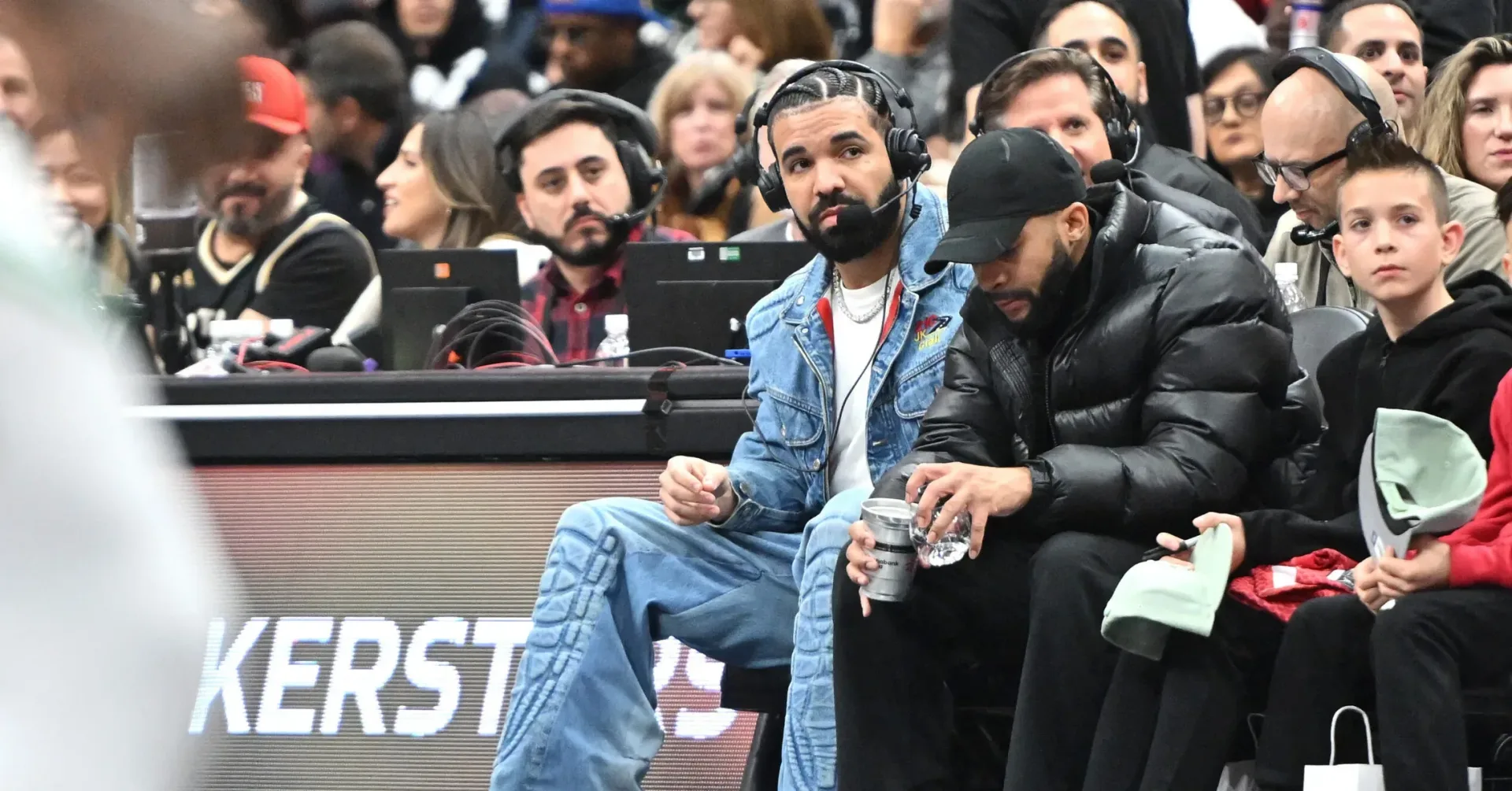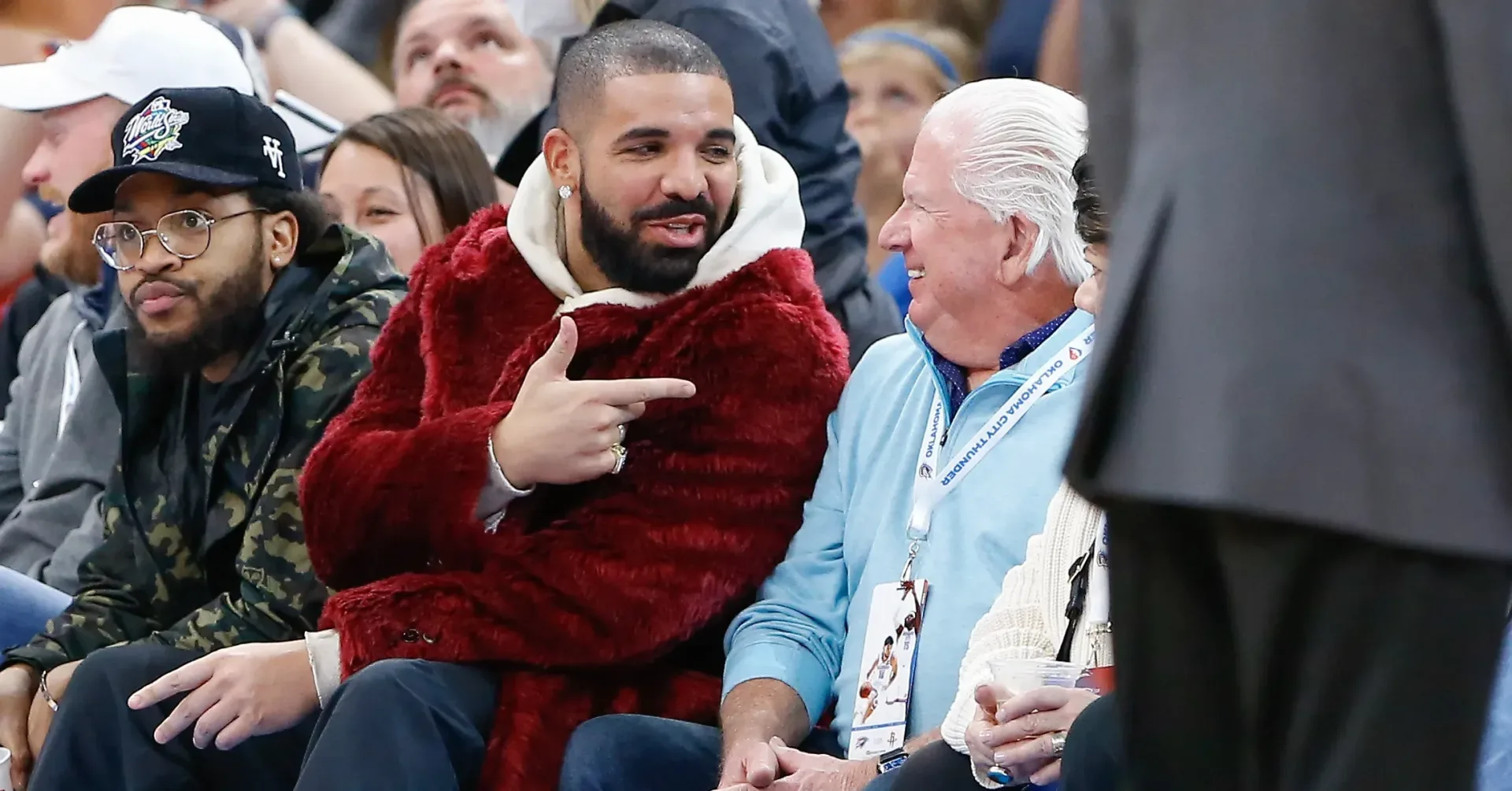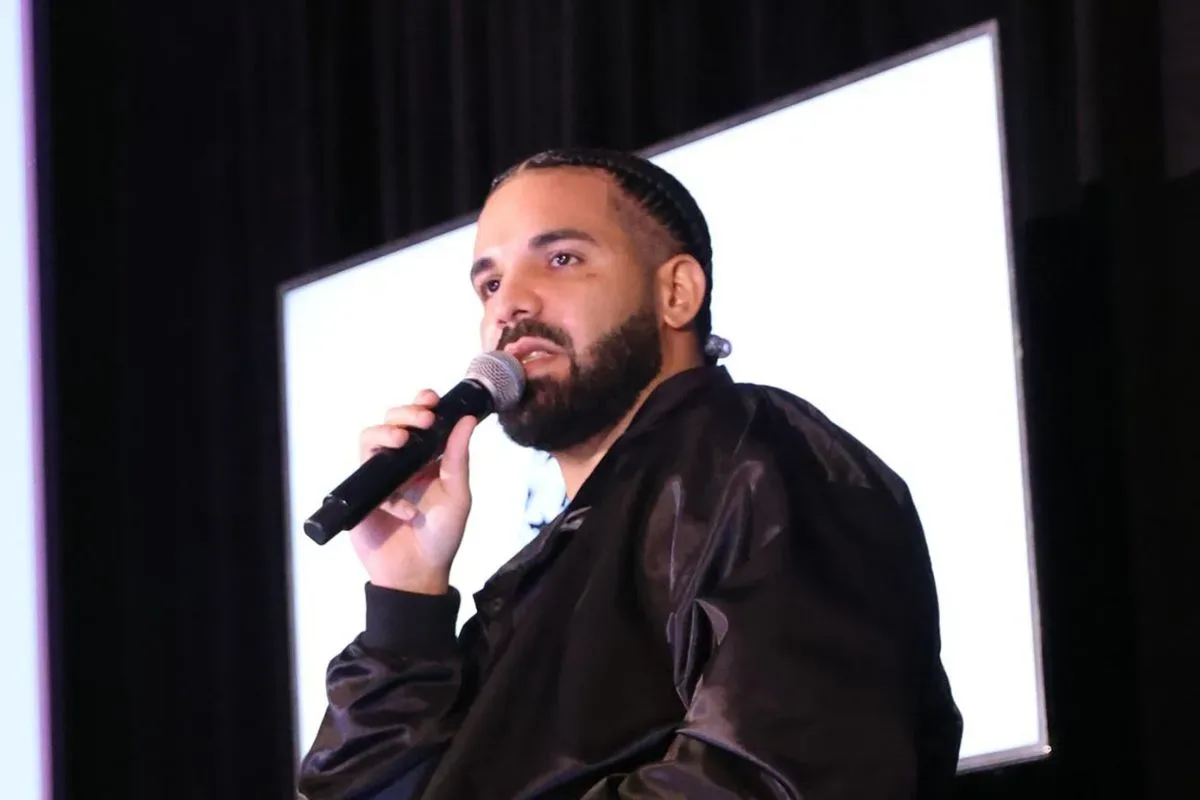
Drake is keeping Iceman, Habibti and Maid of Honour out of Grammy consideration for the 2027 awards cycle, extending a long-running public rift with the Recording Academy. The decision means three albums that occupied the top positions on the Billboard 200 after release will not be part of the Academy’s race for nominations.
The clearest statement of intent comes at the end of Iceman. On the closing song, “Make Them Know,” Drake says he will not submit the album. Taken alongside the absence of the other two releases, the stance is not a one-off objection aimed at a particular category. It is a broad rejection of Grammy participation for this group of projects.
That distinction matters. Commercial reach, chart position and awards participation are separate things. A record can be widely heard, culturally prominent and commercially successful while remaining outside a particular awards competition if its team elects not to put it forward. Drake’s choice does not reduce the visible success of the releases; it removes them from an awards process he has repeatedly argued does not adequately reflect his music.
A dispute rooted in genre labels
Drake’s conflict with the Grammys publicly sharpened in 2017, after “Hotline Bling” received Best Rap Song and Best Rap/Sung Performance. His objection was not simply that he disliked winning. He argued that “Hotline Bling” was a pop song and noted that he did not rap on it, raising a larger concern about why the Academy had placed it in rap categories.
He also questioned whether his identity as a Black artist, and his established career in rap, influenced how the Academy classified music that he regarded as pop. Genre classification can look like an administrative detail, but it shapes the artistic company a song keeps, the category in which it is evaluated and the narrative attached to a nomination or win. For an artist whose work moves among rap, pop and melodic styles, that label can carry as much symbolic weight as the trophy itself.
Drake’s frustration was amplified by the lack of recognition for “One Dance,” another major hit he viewed as evidence of his pop success. In that context, the “Hotline Bling” wins could be read not as straightforward validation but as confirmation of what he saw as a narrow box: awards for rap-adjacent categories while pop-facing work was treated differently.
“I won two awards, but I don’t even want them because it just feels weird for some reason,” Drake said at the time.
The important point is not whether listeners agree with every classification. It is that Drake has been unusually consistent about the principle behind the criticism: institutional recognition has little value to him if it recognizes a version of his work that he does not believe accurately represents the music.
Related coverage includes Drake Keeps Iceman, Habibti and Maid of Honour Out of 2027 Grammys.
This is part of a pattern, not a sudden withdrawal
The 2027 decision has clear precedents. Drake did not submit More Life for the 2018 awards. When “God’s Plan” won Best Rap Song in 2019, he used his televised acceptance remarks to challenge the importance attached to Grammy validation, describing awards as an opinion-driven contest rather than an objective measure of success. The broadcast went to an ad break during the speech; the Academy said producers had taken a pause to mean he had finished.
In 2020, after The Weeknd received no nominations, Drake again criticized the awards and suggested the music business should build a new prize. He later withdrew two nominations from the 2022 ceremony: a Best Rap Album nod for Certified Lover Boy and a Best Rap Performance nomination for “Way 2 Sexy,” featuring Future and Young Thug.
There has been one notable exception to the broader pattern. Her Loss, Drake’s collaborative album with 21 Savage, competed at the 2024 awards. That does not erase the earlier withdrawals or the current decision, but it shows that the relationship has not followed a perfectly straight line. Grammy participation can involve a different calculation depending on the release, its collaborators and the artist’s priorities at a given moment.
For the current cycle, however, the message is much less ambiguous. Keeping three albums out at once, combined with the lyric on “Make Them Know,” makes this a deliberate reaffirmation of Drake’s skepticism rather than a quiet administrative absence.
What staying out actually changes
The immediate practical outcome is simple: no Grammy campaign built around these three Drake releases, and no chance for them to collect nominations at the announcement scheduled for November 16. The 2027 ceremony is set for February 7.
It also changes the conversation around the releases. In a typical awards season, chart data, critical response, genre placement and campaign visibility can converge around the question of whether an album is a contender. Without entry, speculation about category placement becomes beside the point. There is no need to debate whether Iceman belongs in a rap, pop or general-field discussion if it is not being considered at all.
That is especially resonant given Drake’s earlier complaints. Opting out is a way to avoid accepting the framework he has criticized: one in which an institution determines not only which work deserves recognition, but also which genre label best describes it. It does not solve the classification question for the wider music industry, but it makes his individual position unmistakable.
For fans, the decision is also a reminder to separate award results from audience response. The Billboard 200 achievement cited for Iceman, Habibti and Maid of Honour reflects public consumption. Grammy voting reflects a different process and, as Drake has argued before, a subjective one. Those measurements may overlap, but neither automatically settles the other.
A wider argument about categories is unfolding
Drake is not the only major artist stepping away from the 2027 race. BTS has also chosen not to participate after the Academy introduced Best Asian Pop Music Performance. The group said it wanted its music to be heard and loved on its own terms rather than divided by region or language.
The two situations are not identical. Drake’s disagreement centers on the history of rap and pop classification surrounding his own work, while BTS objected to a newly created category framed around Asian pop. Still, both episodes place a similar tension in view: specialized categories can be presented as increased recognition, yet artists may see them as boundaries that separate their work from broader competition.
Recording Academy CEO Harvey Mason Jr. has said that artists remain able to pursue the top prizes while also entering the new Asian pop category. That explanation presents the category as an additional route to recognition, not a compulsory lane. BTS’ choice to sit out shows that the symbolism of the label itself can still outweigh the opportunity it is meant to create.
Stray Kids will not be entered either, with JYP Entertainment confirming the decision without stating a reason. No connection should be assumed between that choice and BTS’ stated position; the available information does not establish one. But the separate absences ensure that the 2027 Grammys will face attention not only for who is nominated, but also for which globally prominent artists chose not to be in the running.
Why Drake’s refusal remains notable
Awards disputes are common; sustained disengagement from an award institution is harder to ignore, particularly when it comes from an artist whose releases dominate the commercial conversation. Drake’s position has remained focused on a basic challenge: whether awards recognition means much when the categories themselves misdescribe the music being honored.
His latest refusal offers no sign that the dispute has been resolved. Instead, it turns the release cycle for Iceman, Habibti and Maid of Honour into another example of an artist choosing chart success and direct audience response over an institution’s endorsement. As entertainment awards increasingly define categories around style, geography and industry tradition, that choice is likely to keep the debate over representation and classification alive.
For more on how major entertainment awards are changing their distribution model, see our coverage of the Emmy Awards’ planned 2027 move to Prime Video exclusivity.