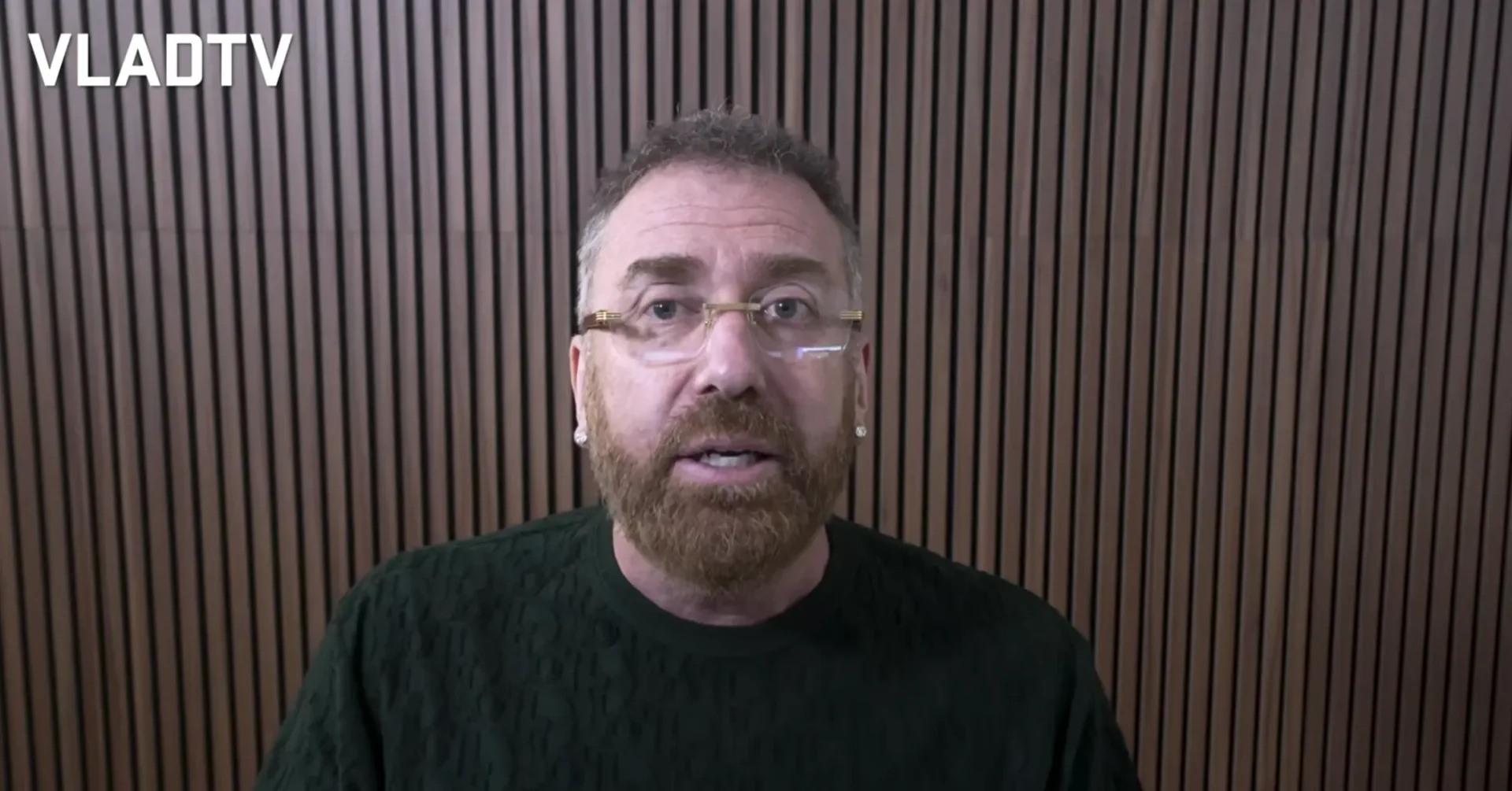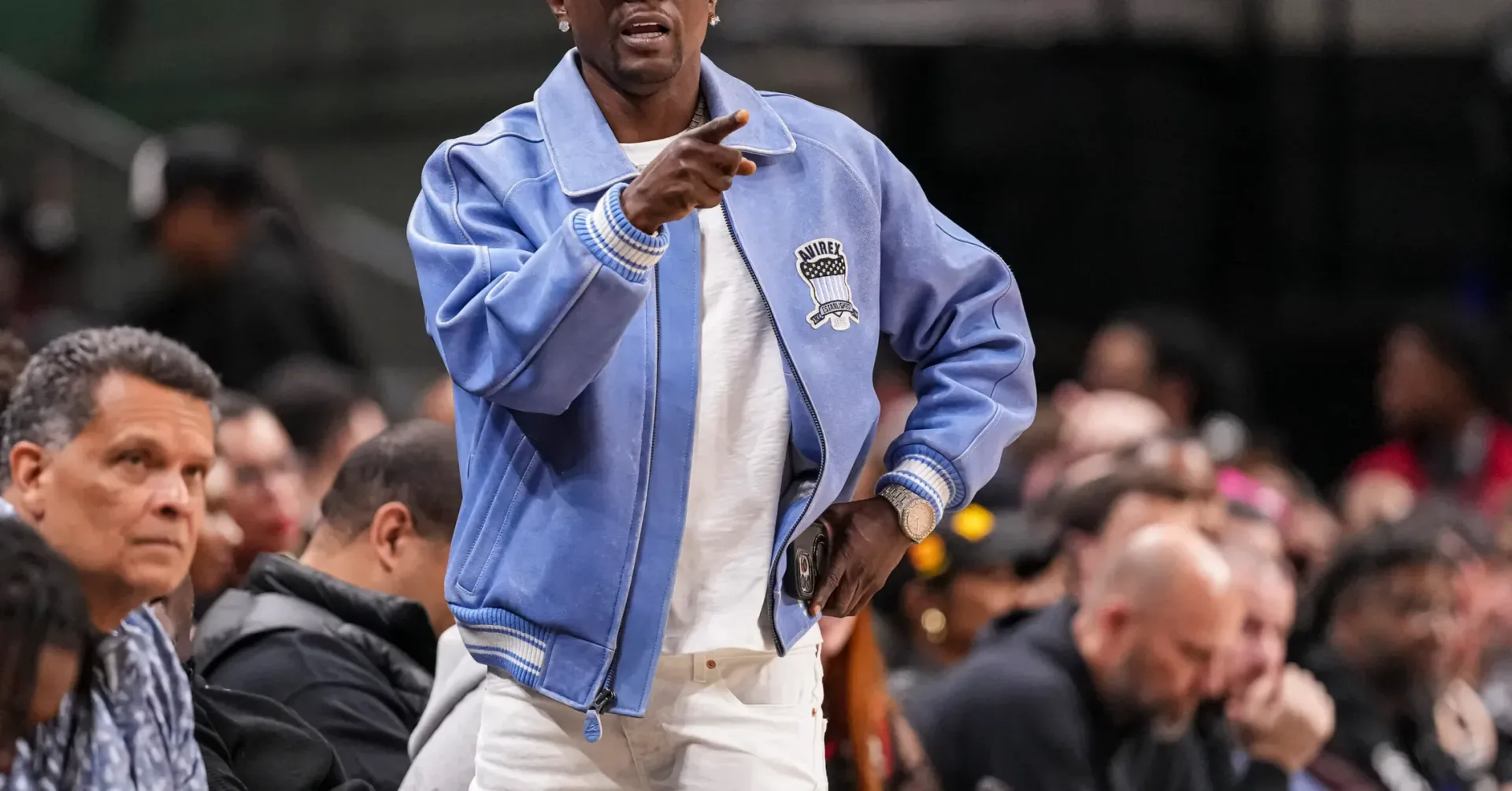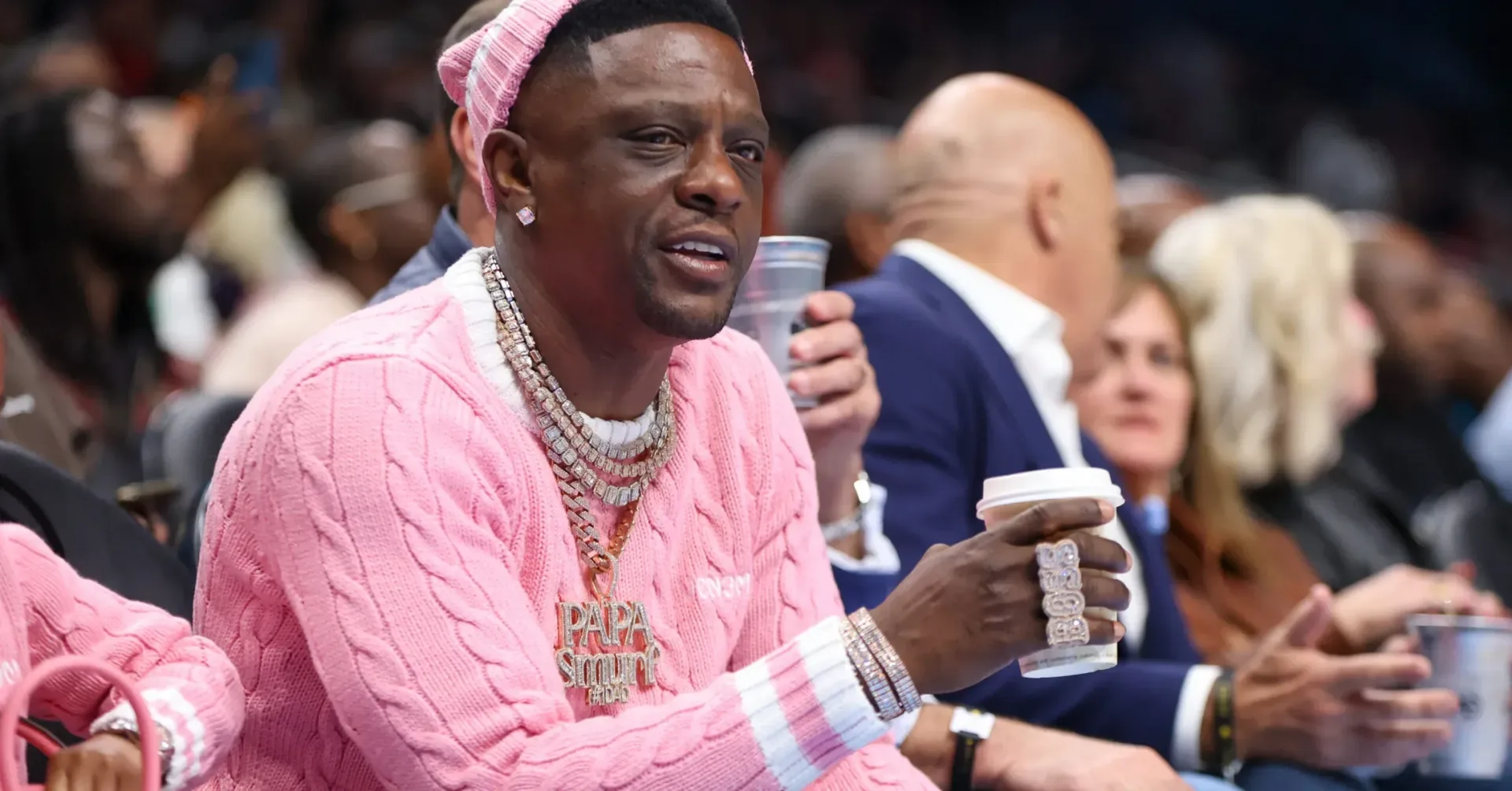
DJ Vlad has clarified that the eye patch he has recently worn is connected to eye surgery, not an altercation with Boosie Badazz, N.O.R.E. or Aries Spears. The clarification came after he spent roughly nine minutes presenting a deliberately satirical story in which the three figures supposedly confronted him while he was shopping at Marshall’s.
The premise was built around a real point of public curiosity: the patch had prompted speculation about what happened to him. Rather than immediately offer a medical explanation, Vlad turned that speculation into a comic, combative bit aimed at people with whom he has public disagreements.
In the imaginary scenario, he framed the encounter as a “jumping,” offered mock apologies connected to the disputes, and singled out Aries Spears as the person he portrayed as most upset. He also referenced rumors concerning N.O.R.E. and his payment-related friction with Boosie. The story was not a report of an actual attack. Vlad eventually dropped the premise, criticized people who celebrated the supposed incident, and said the patch followed eye surgery.
A joke constructed from an existing feud map
The stunt only works because the names were not random. Vlad has had public tension with Spears, Boosie and N.O.R.E., and the satirical account repackaged those conflicts into one invented confrontation. That is a common online-content structure: take a recognizable visual detail, attach it to pre-existing drama, and leave the audience waiting for the reveal.
Its effectiveness, and its risk, come from the same place. A story tied to real animosities can feel plausible enough for clips, headlines and comment threads to travel before the punchline reaches everyone. In this case, the eye patch supplied a visible detail that made a false explanation easier for some viewers to entertain. The later disclosure—that he had surgery—recontextualized the whole presentation.
That distinction matters. Satire is generally understood as a fictional or exaggerated framing used for humor, criticism or provocation. It is not simply a statement that later turns out to be inaccurate. Vlad’s piece was openly built as a troll, but audiences encountering only a short segment or a repost may not receive the full setup and reveal in sequence.
The reaction is part of the content
Response to the bit was split. Some people treated it as funny, while others saw it as corny. Others used it as an opening to revisit the disagreements themselves. Vlad’s response indicated he was not interested in softening his stance toward critics or the figures named in the story.
That reaction loop is central to this sort of media maneuver. The initial premise generates speculation; the reveal invites discussion about whether the gag was amusing or irresponsible; and the underlying feuds get fresh attention. The people named in the story can ignore it, rebut it or amplify it, with each option potentially extending the life of the moment.
Related coverage includes DJ Vlad Reveals Eye Surgery After Satirical Boosie, N.O.R.E. and Aries Spears Story.
There is no indication here that Boosie, N.O.R.E. or Spears participated in the fictional scenario. The account was Vlad’s satirical framing, and the medical explanation is the factual point he ultimately offered about the eye patch. Keeping those two tracks separate is especially important when a joke uses language associated with violence.
Why the format can travel quickly
A visible patch is a simple visual hook. A claim involving several recognizable adversaries is an immediate conflict hook. The eventual reveal is a second hook. Together, those elements make an extended video easy to slice into smaller posts that each imply a slightly different story.
That does not require an actual incident to become a discussion topic. It requires only enough ambiguity for viewers to argue over the premise, motive and target. Some may focus on the joke itself; others may be more interested in the old disputes that supplied its cast. The result is less a single piece of commentary than an invitation for separate audiences to bring their own context.
For viewers, the practical takeaway is straightforward: the full clarification changes the meaning of the earlier material. An eye patch is not proof of the explanation initially attached to it, and a provocative clip can omit the moment in which a creator identifies the setup as fictional.
Other disputes remain in the background
The story arrives amid a broader run of public disputes involving Vlad. He recently clashed with Yung Bleu, though that situation appears to have been repaired. He has also aired separate issues involving Peter Rosenberg and Joyner Lucas over the past year.
Those disputes do not establish anything about the people named in the satirical Marshall’s story. They do, however, explain why an invented conflict could draw immediate attention: public audiences already recognize Vlad as a figure whose interviews, commentary and online exchanges can become flashpoints.
There is also an implicit argument in the video’s construction. Vlad appeared to push back against narratives that cast him in a particular role, while simultaneously using the expectations around that role to fuel the gag. It is a deliberately self-aware choice: he leveraged speculation around his appearance, then rebuked people who appeared pleased by the idea that he had been attacked.
Medical disclosure, not a fight report
The clearest factual endpoint is the simplest one. Vlad said he underwent eye surgery, which is why he has been wearing an eye patch. The accounts involving Boosie, N.O.R.E. and Aries Spears were part of a satirical story rather than confirmation of a real physical confrontation.
For audiences accustomed to fast-moving celebrity disputes, that is the key distinction to retain. A long-running feud can make a fabricated scenario feel like an escalation, especially when a visual clue appears to support it. But the patch itself had a medical explanation, and the apparent “jumping” was a troll built around existing public tensions.
Music and personality-driven content also move through platforms where presentation can be as consequential as the underlying claim. For readers interested in the technical side of listening across platforms, this guide to Apple Music audio-quality settings explains terms including lossless, hi-res and EQ.